Why Does My Car Say Check Charging System Explained
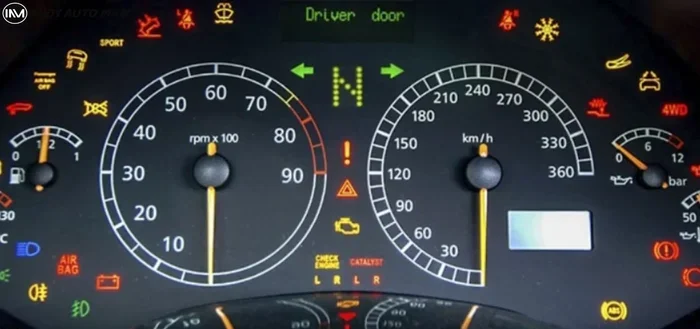
The “Check Charging System” warning means your car’s electrical charging system isn’t working properly. This alert usually points to a weak battery, a failing alternator, or a loose serpentine belt. Ignoring it can leave you stranded with a dead battery and a car that won’t start. In this guide, we break down every possible cause, how to diagnose it yourself, and when to see a mechanic. Read on to protect your car and your wallet.
You’re driving along, minding your own business, when suddenly a warning light pops up on your dashboard. It says “Check Charging System.” Your heart sinks a little. What does it mean? Is your car about to die on the road? Don’t panic just yet. This warning is your car’s way of telling you something in the electrical charging system needs attention. Understanding what triggers this light can save you time, money, and a lot of stress. Let’s dive into everything you need to know about this common dashboard alert.
Most drivers have seen a warning light on their dashboard and immediately started Googling. The “Check Charging System” message is one of those alerts that can mean several things. It might be a minor issue like a loose cable, or it could point to a serious problem like a failing alternator. Either way, you should take it seriously. This guide will walk you through every possible cause, how to test your system at home, and what steps to take next. By the end, you’ll feel confident tackling this issue head-on.
Key Takeaways
- Warning Light Meaning: The “Check Charging System” alert signals a problem with your car’s battery or alternator charging circuit.
- Top Culprits: A failing alternator, corroded battery terminals, a worn serpentine belt, or a faulty voltage regulator are the most common causes.
- Driving Risk: You can drive short distances, but prolonged driving risks a complete electrical failure and a stalled vehicle.
- DIY Diagnosis: A simple voltage test with a multimeter can help you narrow down the problem before visiting a shop.
- Prevention: Regular battery maintenance, belt inspections, and clean terminals can prevent most charging system issues.
- Professional Help: Seek a mechanic if you notice dimming lights, strange noises, or the warning persists after basic checks.
📑 Table of Contents
- What Does “Check Charging System” Mean?
- Common Causes of the Check Charging System Warning
- How to Diagnose the Problem Yourself
- Can You Still Drive With the Warning Light On?
- Quick Tips to Prevent Charging System Problems
- Common Mistakes People Make With This Warning Light
- Comparison Table: Battery vs. Alternator Issues
- When to See a Professional Mechanic
- Key Takeaways
- Conclusion
What Does “Check Charging System” Mean?
When your car displays “Check Charging System,” it means the vehicle’s computer has detected a problem in the circuit that keeps your battery charged. Your car relies on a healthy electrical system to run everything from the headlights to the engine control module. The charging system has three main components: the battery, the alternator, and the voltage regulator. If any of these parts fail, your car will trigger this warning.
Think of it like this. Your battery starts the car, and the alternator keeps it running while recharging the battery. The voltage regulator makes sure everything stays at the right power level. When one part breaks, the whole system suffers. The dashboard light is your first clue that something isn’t right. Catching it early can prevent a bigger breakdown later.
How the Charging System Works
Your car’s charging system is a simple but clever setup. The battery stores electrical energy and delivers it to start the engine. Once the engine runs, the alternator takes over. It converts mechanical energy into electrical energy to power all your car’s electronics. The voltage regulator sits between them, controlling the flow of electricity. Together, these parts keep your car alive and your battery topped off.
When the system works correctly, you never think about it. That’s the beauty of it. But when something goes wrong, the warning light tells you loud and clear. The key is knowing what to do when that light appears.
Common Causes of the Check Charging System Warning
Several things can trigger the “Check Charging System” message. Some are easy and cheap to fix. Others need a professional’s touch. Here are the most common reasons this warning shows up on your dashboard.
1. Dead or Weak Battery
A weak battery is the number one cause of this warning. Car batteries typically last three to five years. Over time, they lose their ability to hold a charge. Cold weather makes it worse. If your battery is old or damaged, it can’t keep up with your car’s electrical demands. The alternator works overtime trying to compensate, and eventually, the system flags a problem.
Signs of a dying battery include slow cranking when you start the car, dim headlights, and a swollen battery case. If you notice any of these, get your battery tested right away. A simple load test at any auto parts store takes just a few minutes.
2. Failing Alternator
The alternator is the workhorse of your charging system. When it starts to fail, your battery drains fast because it’s not getting recharged. A bad alternator can cause flickering lights, a dead battery, and even stalling while driving. Common reasons an alternator fails include worn bearings, a damaged rotor, or a worn-out diode rectifier.
Alternator problems often start small. You might notice a slight dimming of your dashboard lights at idle. Over time, it gets worse. If you hear a grinding or whining noise coming from the engine area, that’s a strong sign the alternator bearings are worn out. Don’t ignore it.
3. Loose or Broken Serpentine Belt
The serpentine belt drives the alternator and several other engine accessories. If this belt becomes loose, cracked, or breaks entirely, the alternator stops charging. A broken belt means your car runs only on battery power, which won’t last long. Most drivers notice a squealing noise from the engine bay before the belt fully fails.
Regular belt inspections can prevent this issue. Check for cracks, glazing, or fraying during routine maintenance. Most mechanics will inspect the belt for free if you’re already in the shop for an oil change. It’s a quick fix that saves you from a much bigger headache.
4. Corroded Battery Terminals
Battery terminals corrode over time, especially in humid climates or near coastal areas. White or blueish powdery buildup on the terminals creates resistance and prevents proper charging. Even a thin layer of corrosion can disrupt the electrical connection enough to trigger the warning light.
Cleaning your battery terminals is easy and inexpensive. You can use a baking soda and water solution with an old toothbrush. Just disconnect the cables first, clean the terminals, and reconnect them tightly. This simple maintenance step goes a long way in keeping your charging system healthy.
5. Faulty Voltage Regulator
The voltage regulator controls the output of the alternator. If it fails, the alternator might overcharge or undercharge the battery. Overcharging can boil the battery fluid and damage sensitive electronics. Undercharging leaves the battery constantly low. Either scenario triggers the “Check Charging System” warning.
Voltage regulator failure is less common than battery or alternator issues, but it still happens. It’s often part of the alternator assembly, which means replacing the whole unit is usually the fix. A professional can test the regulator output with specialized equipment.
6. Parasitic Draw
A parasitic draw happens when something in your car continues to pull power from the battery after you turn off the engine. Common culprits include interior lights left on, faulty relays, or aftermarket electronics like dash cams. A small draw is normal, but a large one drains the battery overnight.
To test for a parasitic draw, you need a multimeter set to measure current. Disconnect the negative battery terminal, connect the multimeter in series, and wait for all the systems to go to sleep. A draw over 50 milliamps usually indicates a problem. This test takes a little patience but can reveal hidden battery drain.
How to Diagnose the Problem Yourself
You don’t need to be a mechanic to check a few things at home. A basic multimeter costs under $20 and can save you hundreds in diagnostic fees. Here’s a simple step-by-step approach to finding the root cause.
Step 1: Check the Battery Voltage
Turn off the car and set your multimeter to DC voltage. Touch the red probe to the positive terminal and the black probe to the negative terminal. A healthy battery should read around 12.6 volts. Anything below 12.2 volts means the battery is weak or discharged.
If the voltage is very low, try charging the battery and testing again. If it still reads low after a full charge, the battery is likely dead and needs replacement. This is one of the easiest and most telling tests you can do.
Step 2: Test the Alternator Output
Start the car and set your multimeter back to DC voltage. Touch the probes to the battery terminals again. The voltage should rise to between 13.8 and 14.4 volts. If it stays below 13.5 volts, the alternator isn’t charging properly. If it goes above 15 volts, the voltage regulator may be failing.
This test gives you a clear picture of what’s happening inside the charging system. Write down the numbers and compare them to the standard ranges. It’s a great way to narrow down the problem before you spend money on parts.
Step 3: Inspect the Serpentine Belt
Open the hood and visually inspect the serpentine belt. Look for cracks, glazing, or signs of wear. Press on the belt with your thumb. It should feel firm but slightly flexible. A belt that feels loose or sounds like it’s squealing when you start the car needs attention.
Also check the belt tensioner. A weak tensioner can’t keep the belt tight, which causes the alternator to spin improperly. Replacing a belt and tensioner is a relatively inexpensive repair compared to the damage a broken belt can cause.
Step 4: Look for Corrosion and Loose Connections
Check all the electrical connections at the battery and alternator. Make sure the cables are tight and free of corrosion. A loose connection can mimic the symptoms of a bad alternator or battery. Clean any corrosion with a wire brush or a terminal cleaning tool.
Don’t forget to check the ground cable too. The ground connection completes the electrical circuit, and a bad ground can cause all sorts of weird electrical gremlins. It’s an often-overlooked spot that makes a big difference.
Can You Still Drive With the Warning Light On?
The short answer is yes, but with caution. If the “Check Charging System” light comes on while you’re driving, your car is running on battery power alone. The alternator isn’t charging, which means your battery will eventually drain. You might make it a few miles, or you might stall in the middle of the road.
Here’s what you should do if the light comes on while driving:
- Turn off all unnecessary electrical loads. This includes the radio, air conditioning, heated seats, and interior lights.
- Drive directly to a safe location or a nearby mechanic.
- Don’t turn the car off and restart it repeatedly. Each start drains the battery further.
- Keep an eye on your temperature gauge. A broken serpentine belt can also cause the engine to overheat.
The safest approach is to get the car checked as soon as possible. Continuing to drive with this warning light on risks leaving you stranded. If you’re far from home or in an unsafe area, call for roadside assistance. It’s better to be safe than sorry.
Quick Tips to Prevent Charging System Problems
Prevention is always better than repair when it comes to your car’s electrical system. Here are some simple habits that keep your charging system in top shape.
- Get your battery tested twice a year, especially before summer and winter when extreme temperatures strain the system.
- Inspect the serpentine belt every oil change. Look for cracks, glazing, or fraying.
- Keep battery terminals clean and tight. A quick wipe-down with a wire brush takes seconds but prevents corrosion buildup.
- Turn off all lights and accessories before shutting off the engine. This reduces unnecessary strain on the battery.
- Avoid short trips when possible. Short drives don’t give the alternator enough time to fully recharge the battery.
- Use a battery maintainer if your car sits for long periods. A trickle charger keeps the battery healthy during extended storage.
Expert Insight
Seasoned mechanics will tell you that most charging system failures don’t happen overnight. They develop slowly over weeks or months. A faint dimming of your headlights at idle, a slow crank in the morning, or a slight flicker in the dashboard gauges are early warning signs. Catching these subtle symptoms early gives you time to address the problem before it leaves you stranded. Pay attention to your car’s subtle signals, and you’ll save yourself from a major breakdown.
Common Mistakes People Make With This Warning Light
When the “Check Charging System” light comes on, many drivers make mistakes that make the problem worse. Here are the most common ones to avoid.
Mistake 1: Ignoring the light. Some drivers see the warning and just keep driving. They assume it’ll go away on its own. It won’t. The longer you ignore it, the more damage you risk. A failing alternator can destroy a perfectly good battery, and a broken belt can cause engine overheating.
Mistake 2: Replacing the battery without testing the alternator. This is one of the most common and costly mistakes. If the alternator is the real problem, a new battery will die quickly too. Always test both components before buying replacement parts.
Mistake 3: Jump-starting and driving forever. A jump start gets you going, but it’s not a fix. If your alternator or battery is failing, the jump-started car will die again, possibly in a worse location. Use a jump start to get to a mechanic, not as a permanent solution.
Mistake 4: Over-tightening battery terminals. Cranking down on the terminals too hard can crack the battery post or strip the cable clamp. Hand-tighten the connections and then give them a quarter turn with a wrench. Firm but gentle is the way to go.
Comparison Table: Battery vs. Alternator Issues
It’s not always easy to tell whether the battery or the alternator is causing the problem. Here’s a quick comparison to help you figure it out.
| Symptom | Battery Issue | Alternator Issue |
|---|---|---|
| Slow engine crank | Very common | Less common |
| Dimming lights at idle | Rare | Very common |
| Battery warning light | Sometimes | Often |
| Battery age over 3 years | Likely cause | Less likely |
| Alternator noise (grinding) | Not present | Common |
| Voltage below 12.4V (engine off) | Yes | No |
| Voltage below 13.5V (engine on) | No | Yes |
Use this table as a starting point for your diagnosis. If multiple symptoms match one column, that component is likely the culprit. However, a professional voltage test is always the most reliable way to confirm your findings.
When to See a Professional Mechanic
While DIY diagnosis is helpful, some situations call for a trained professional. If you’ve checked the battery voltage and belt but still can’t find the problem, it’s time to see a mechanic. Other signs that you need expert help include:
- The warning light stays on after you’ve replaced the battery.
- You smell burning rubber or electrical insulation near the engine.
- Your car stalls frequently or won’t start at all.
- You notice multiple electrical systems malfunctioning at once.
- The serpentine belt has broken and you don’t know how to replace it.
A professional mechanic has access to advanced diagnostic tools that can read error codes from your car’s computer. They can also perform a charging system load test, which simulates real-world conditions and reveals problems that a simple voltage test might miss. Investing in a proper diagnosis saves you money in the long run by preventing unnecessary part replacements.
What to Expect at the Mechanic
Most mechanics will start with a visual inspection of the battery, alternator, and belt. They’ll test the battery’s state of charge and the alternator’s output. A charging system load test applies a simulated electrical load to see how well the system performs under stress. The entire process usually takes 30 to 60 minutes and costs between $50 and $100 for the diagnostic fee.
Many shops waive the diagnostic fee if you proceed with the recommended repairs. Always ask about this before the work begins. It’s a fair practice and shows a shop that values your trust.
Key Takeaways
- Warning Light Meaning: The “Check Charging System” alert signals a problem with your car’s battery or alternator charging circuit.
- Top Culprits: A failing alternator, corroded battery terminals, a worn serpentine belt, or a faulty voltage regulator are the most common causes.
- Driving Risk: You can drive short distances, but prolonged driving risks a complete electrical failure and a stalled vehicle.
- DIY Diagnosis: A simple voltage test with a multimeter can help you narrow down the problem before visiting a shop.
- Prevention: Regular battery maintenance, belt inspections, and clean terminals can prevent most charging system issues.
- Professional Help: Seek a mechanic if you notice dimming lights, strange noises, or the warning persists after basic checks.
Conclusion
The “Check Charging System” warning doesn’t have to be scary. In most cases, it points to a fixable problem like a weak battery, a worn belt, or a corroded terminal. By understanding what the warning means and following the diagnostic steps in this guide, you can take control of the situation. Don’t ignore it, but don’t panic either. Start with the simple checks, and work your way up to professional help if needed.
Your car’s charging system works hard every time you turn the key. A little attention and regular maintenance go a long way in keeping it healthy. The next time that warning light pops up, you’ll know exactly what to do. Stay proactive, stay informed, and keep your car running strong for miles to come.
Frequently Asked Questions
How far can I drive with the Check Charging System light on?
You can usually drive a short distance, maybe 10 to 20 miles, depending on your battery charge. However, driving with this light on risks a complete battery drain and a stalled vehicle. Head to a safe location or mechanic as soon as possible.
How much does it cost to fix a charging system problem?
The cost varies widely depending on the cause. A new battery typically costs $100 to $250. An alternator replacement ranges from $300 to $800 including parts and labor. Belt replacements are usually under $100. A voltage regulator fix can be $150 to $300. Always get a diagnostic test first to avoid unnecessary expenses.
Can a bad ground wire cause the Check Charging System light to come on?
Yes, absolutely. A poor ground connection disrupts the entire electrical circuit and can mimic symptoms of a bad battery or alternator. Check your ground cables during any charging system diagnosis. A loose or corroded ground wire is an easy fix that often gets overlooked.
Does cold weather affect the charging system?
Cold weather significantly impacts battery performance. Low temperatures reduce a battery’s ability to hold a charge and increase the engine’s starting demands. If your battery is already weak, cold weather can push it over the edge. Getting your battery tested before winter is a smart preventive step.
Can I reset the Check Charging System light myself?
You can disconnect the battery for a few minutes to reset the light, but this doesn’t fix the underlying problem. The warning will likely return once the car’s computer detects the issue again. Always address the root cause before clearing the light. A temporary reset without a real fix just delays the inevitable breakdown.
What should I do if the Check Charging System light comes on while I’m on the highway?
Stay calm and turn off all non-essential electrical systems immediately. Reduce your speed and look for a safe place to pull over. If you can reach the shoulder or an exit safely, do so. Call for roadside assistance if needed. Continuing to drive on a failing charging system can leave you completely stranded in traffic.