What US Cars Are Made in China and Why It Matters
Many US cars are made in China through joint ventures and overseas manufacturing plants. Brands like GM, Ford, and Jeep build popular models in Chinese factories to cut costs and serve the massive local market. Understanding which vehicles come from China helps buyers make smarter, more informed decisions.
When you think of American cars, you probably picture factories in Detroit, Michigan, or maybe some plants down South. But here is something that surprises a lot of people: many US cars are made in China. That is right. Brands you know and trust build vehicles in Chinese factories every single day. This trend has grown fast over the past two decades, and it shapes what you see on dealership lots and what shows up in online search results.
So what exactly are US cars made in China, and why does it matter to you as a buyer? In this guide, we will walk through every major brand, the models involved, and the reasons behind this global shift in automotive manufacturing. Whether you are shopping for a new SUV or just curious about where your next car comes from, this article has you covered.
The world of foreign auto manufacturing is bigger than most people realize. US automakers build cars overseas for many reasons, including lower production costs, access to local materials, and the desire to serve the enormous Chinese car market. Let us break it all down so you can understand the full picture.
Key Takeaways
- GM and Ford lead US production in China: These automakers operate major plants that build cars specifically for the Chinese market.
- Jeep and Lincoln models are also China-built: Several popular American-brand vehicles roll off Chinese assembly lines every year.
- US-China auto trade involves tariffs: Import taxes can significantly affect the final price of China-made vehicles sold in the US.
- Joint ventures drive overseas manufacturing: US automakers partner with Chinese companies to produce cars locally and navigate regulations.
- Buyers should check the build location: Knowing where a car is made helps you understand quality, pricing, and long-term value.
- The trend is growing, not shrinking: More US brands are expanding China production to meet global demand and reduce costs.
📑 Table of Contents
Why US Automakers Build Cars in China
The decision to build US cars in China does not happen overnight. It comes down to a mix of economics, strategy, and government rules. Understanding these reasons helps you see why brands like GM and Ford chose to set up shop in Chinese cities.
The Economics Behind Overseas Production
Labor costs in China have historically been lower than in the United States. This gives automakers a major cost advantage when assembling vehicles for the Chinese market. US cars manufactured in China can be priced more competitively because the production expenses are lower. Shipping finished vehicles across the ocean still costs money, but building locally often saves more.
Beyond labor, raw materials are easier to source in China. Steel, aluminum, and glass are readily available, which cuts down on supply chain delays. This matters a lot in automotive supply chain China operations, where keeping production lines running smoothly is essential for meeting huge demand.
Joint Ventures and Partnerships
Here is a key detail that many buyers miss. US automakers rarely own their Chinese factories outright. Instead, they form joint venture automakers partnerships with Chinese companies. For example, GM works with SAIC Motor, and Ford partners with Changan Automobile. These joint ventures let foreign brands enter the Chinese market while following local ownership rules.
This setup means the vehicles are designed and built with Chinese consumers in mind. The result is that many American brand vehicles China look slightly different from their US counterparts. They may have unique features, different trim levels, or specialized engine options tailored to local preferences.
Which US Cars Are Made in China
Now let us get into the specific brands and models. This is where things get interesting, because the list of US cars made in China is longer than most people expect.
GM and Cadillac Models
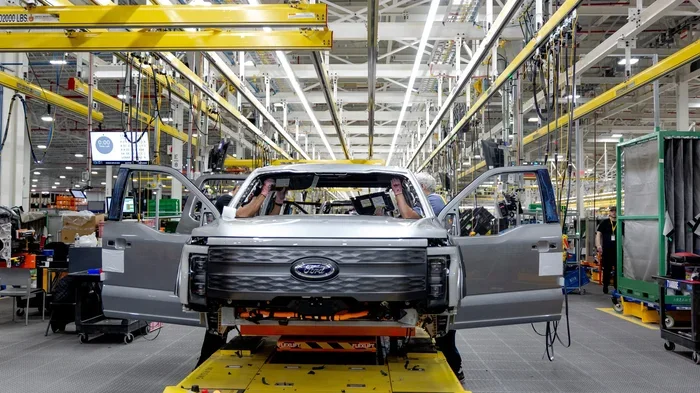
General Motors has the biggest presence of any US automaker in China. Through its joint venture with SAIC, GM produces a wide range of vehicles at Chinese Chinese manufacturing plants. Cadillac, the luxury division of GM, also builds several models in China. The GM Cadillac China production includes sedans and SUVs that are sold exclusively in the Chinese market.
Some of the most notable GM models built in China include:
- Buick Envision – a popular mid-size SUV
- Buick Enclave – a three-row family SUV
- Cadillac CT6 – a luxury full-size sedan
- Cadillac XT5 – a compact luxury SUV
These vehicles are built specifically for US car market China demand. They are not typically shipped to the United States, but they represent a massive share of GM’s global production volume.
Ford and Lincoln Models
Ford has also invested heavily in Ford China manufacturing. Through its partnership with Changan, Ford produces several models at Chinese plants. Lincoln, Ford’s luxury brand, has joined the mix as well. The Lincoln China production line includes SUVs designed for Chinese buyers who want premium American styling.
Key Ford and Lincoln models built in China include:
- Ford Escape – a compact SUV sold in China
- Ford Edge – a mid-size SUV for the Chinese market
- Lincoln Corsair – a luxury compact SUV
- Lincoln Z – a sedan exclusive to China
What makes this interesting is that some of these models share platforms with their US-built counterparts, but they are adapted for local tastes and regulations. This is a smart move by Ford to capture market share without the high costs of importing from the US.
Jeep and Other Brands
Jeep, owned by Stellantis (formerly Fiat Chrysler), has a strong presence in China. The brand builds several China-built SUVs at its joint venture facilities. Jeep models like the Compass and the Cherokee are assembled in China and sell very well there.
Other American brands with Chinese manufacturing ties include:
- Chevrolet – certain models produced through SAIC joint ventures
- Cadillac – additional models beyond what GM produces
- Chrysler – limited but growing presence in China
Popular China-Built Models You Should Know About
If you are wondering which specific vehicles fall under the category of US cars made in China, here is a closer look at the most popular segments.
SUVs and Trucks
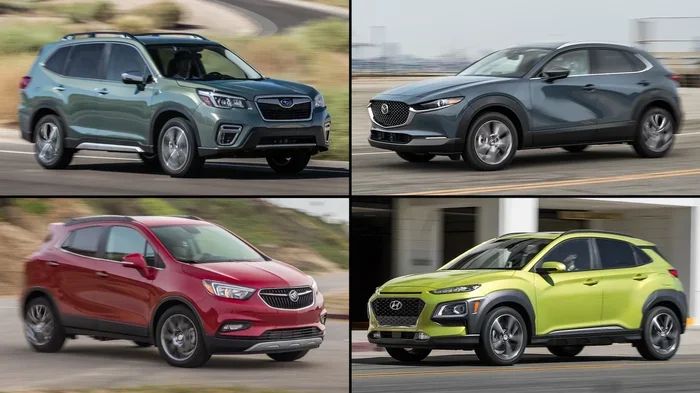
SUVs dominate the Chinese car market, and US brands know this. The China-built SUVs from GM, Ford, and Jeep are among the best-selling vehicles in their segments. These include large three-row SUVs, compact crossovers, and even some pickup trucks built for commercial use.
The reason SUVs sell so well in China comes down to space and status. Chinese families value large vehicles that can seat everyone comfortably. US automakers have capitalized on this by building SUVs that feel spacious, comfortable, and premium. The overseas car assembly strategy lets them offer these vehicles at competitive prices.
Sedans and Crossovers
While SUVs lead the market, sedans and crossovers still hold a solid share. Cadillac and Lincoln sedans built in China target buyers who want luxury without the high import taxes. These vehicles often come with features and tech that are specifically designed for Chinese buyers, such as larger rear seats and advanced infotainment systems.
Quick Tip: When you see a US car model advertised in China, check the build location. Many of these vehicles are made at joint venture plants and are optimized for the Chinese market. They may not be the same as the versions sold in the United States.
How China-Made Cars Affect the US Market
You might wonder: do any of these US cars manufactured in China end up sold in the United States? The answer is mostly no, but the effects are still significant.
Pricing and Availability
Because most China-built vehicles from US brands are sold locally in China, they do not directly compete with American-made cars in US dealerships. However, the production strategy affects pricing globally. When GM and Ford build cars in China, they free up capacity at US plants. This can influence the supply and pricing of similar models sold in America.
There are also cases where vehicles built in China for the Chinese market get imported to other countries. Some small exporters bring imported cars from China to Southeast Asia, the Middle East, and even parts of Europe. But these exports rarely reach US shores due to strict import regulations and tariffs.
Tariffs and Trade Policies
The US-China auto trade relationship involves significant tariffs. The United States imposes heavy import taxes on vehicles built in China, which makes it expensive to sell China-built cars in the US. This is a major reason why US brands build cars in China for the Chinese market rather than exporting them back home.
On the flip side, China also places restrictions on imported American vehicles. This creates a situation where each country protects its domestic auto industry through trade barriers. For consumers, this means the cars you buy in the US are almost always built in the US, Canada, or Mexico, not China.
Common Mistakes and Quick Tips
Buying a car involves many decisions, and knowing where it was built is an important part of the process. Here are some mistakes to avoid and tips to keep in mind.
Mistakes When Buying China-Built Cars
One common mistake is assuming that all vehicles from American brands are built in the US. This is not true, especially for models sold in international markets. Another mistake is overlooking the impact of foreign auto manufacturing on long-term parts availability and service costs.
Some buyers also assume that China-built cars are lower quality. While quality control varies, many Chinese factories that produce US cars in China follow strict standards set by the parent company. GM and Ford have invested heavily in their Chinese operations and maintain high quality benchmarks.
Quick Tips for Buyers
Here are some practical tips to keep in your back pocket:
- Always check the vehicle identification number (VIN). The VIN tells you where the car was assembled. Look for the 11th character, which indicates the assembly plant location.
- Research the brand’s manufacturing footprint. Visit the automaker’s website or contact a dealer to find out which models are built in China.
- Consider total cost of ownership. A China-built vehicle sold in China may have different maintenance costs and parts availability than a US-built version.
- Stay updated on trade policies. Tariff changes can affect pricing and availability of vehicles from different regions.
What the Future Holds for US Cars Made in China
The trend of US cars made in China is not slowing down. In fact, it is expanding. As Chinese car buyers become more affluent, they want premium American brands on their driveways. US automakers are responding by building more vehicles at Chinese plants and introducing new models regularly.
Electric vehicles represent the next frontier. Tesla already operates the Shanghai Gigafactory, one of the most advanced car plants in the world. While Tesla is not a traditional US brand in the same way as GM or Ford, it shows how American EV production in China can serve global markets. Other US EV startups are likely to follow this path as the industry evolves.
The overseas car assembly strategy will probably continue to grow. US automakers see China as essential to their global growth plans. Building locally helps them navigate regulations, reduce costs, and compete with Chinese EV makers like BYD and NIO. For consumers, this means more choices and more competitive pricing in the years ahead.
One thing is clear: the global auto industry is deeply connected. A car built in a Chinese factory by an American company is part of a complex web of trade, technology, and consumer demand. Understanding this connection makes you a smarter buyer and a more informed car owner.
US cars made in China are not going away. They are a natural result of globalization and the quest for efficiency in automotive manufacturing. Whether you care about where your car comes from or not, knowing the facts gives you an edge the next time you visit a dealership or browse online listings.
So the next time someone asks you about what US cars are made in China, you will have a clear, detailed answer. You will know the brands, the models, the reasons, and the impact. That is real knowledge, and it pays off every time you make a car decision.
Conclusion
The world of US cars made in China is bigger and more important than most people realize. From GM and Ford to Jeep and Lincoln, American brands build a wide range of vehicles at Chinese factories. These cars serve the massive Chinese market, support global production networks, and reflect the realities of modern automotive manufacturing.
Understanding where your car comes from helps you make better buying decisions. It gives you insight into pricing, quality, and the broader forces that shape the auto industry. Whether you are looking at a China-built SUV or a sedan from a US brand, knowing the full story puts you ahead.
Take what you have learned here and apply it. Check build locations, ask questions, and stay curious. The more you know about foreign auto manufacturing and global car production, the smarter your next purchase will be. The road ahead is global, and the smartest drivers know it.
Frequently Asked Questions
Are any US cars made in China sold in the United States?
Most vehicles built by US brands in China are sold exclusively in the Chinese market. Very few China-built cars from American brands are exported to the United States due to high tariffs and trade restrictions. The vehicles you buy from US dealerships are almost always built in North America.
Why do US automakers build cars in China instead of the US?
US automakers build cars in China to serve the massive Chinese consumer market, reduce production costs, and comply with local manufacturing regulations. Joint ventures with Chinese companies are required for foreign brands to operate in China. This strategy helps brands like GM and Ford compete effectively in one of the world’s largest car markets.
How can I find out where my car was built?
You can check your vehicle identification number (VIN). The 11th character of the VIN indicates the assembly plant location. You can also visit the automaker’s website or ask your dealer for specific build-origin details. This information is publicly available for most modern vehicles.
Do tariffs affect China-made cars sold in the US?
Yes, the United States imposes significant import tariffs on vehicles built in China. These tariffs make it expensive to sell China-built cars in the US market. This is a major reason why US brands keep their China production focused on the local Chinese market rather than exporting to America.
Which US brand has the largest presence in China?
General Motors (GM) has the largest presence of any US automaker in China. Through its joint venture with SAIC Motor, GM operates multiple manufacturing plants and sells vehicles under the Buick, Chevrolet, and Cadillac brands. GM sells millions of vehicles in China each year, making it a dominant player in the market.
Is the quality of US cars made in China different from US-built cars?
Quality can vary, but US automakers maintain strict standards at their Chinese manufacturing plants. GM and Ford invest heavily in quality control and training at their joint venture facilities. However, materials, features, and specifications may differ to meet local Chinese consumer preferences and regulations.