What Is the Risk of Hybrids and Why It Matters So Much
The risk of hybrids involves higher upfront costs, complex powertrain systems, and potential battery degradation over time. While hybrid vehicles offer excellent fuel economy and lower emissions, they come with unique maintenance challenges that every buyer should understand. This guide covers the most common hybrid car problems, real-world repair costs, and practical tips to minimize risks.
Key Takeaways
- Hybrid Battery Degradation: The biggest risk of hybrids is battery pack wear, which can cost $2,000-$8,000 to replace.
- Higher Repair Costs: Hybrid systems require specialized technicians, making hybrid car repair more expensive than traditional vehicles.
- Cold Weather Performance: Hybrid fuel economy drops significantly in freezing temperatures due to battery inefficiency.
- Complex Powertrain: The hybrid powertrain combines an engine and electric motor, creating more potential failure points.
- Depreciation Concerns: Hybrid resale value can suffer as battery health becomes a major buying factor.
- Warranty Helps: Most manufacturers offer strong hybrid warranty coverage that covers battery and powertrain for 8-10 years.
- Preventive Maintenance Matters: Regular hybrid vehicle maintenance greatly reduces long-term risks and extends system life.
📑 Table of Contents
- What Is the Risk of Hybrids and Why Every Buyer Should Care
- Understanding the Hybrid Powertrain and Its Weak Points
- The Biggest Risk: Hybrid Battery Degradation
- Hybrid Car Maintenance Costs: Are They Really Higher?
- Cold Weather and Hybrid Performance: What You Need to Know
- Hybrid Resale Value and Depreciation Risks
- Common Mistakes Hybrid Owners Make
- How to Minimize the Risk of Hybrids Before You Buy
- Conclusion: Weighing the Risk of Hybrids Against the Rewards
What Is the Risk of Hybrids and Why Every Buyer Should Care
Hybrid cars are everywhere these days. You see them on every highway, in every parking lot, and in every car commercial. They promise great fuel economy, lower emissions, and a smoother drive. But here is the thing most people skip over. The risk of hybrids is real, and it matters more than you might think.
When you buy a hybrid vehicle, you are not just buying a car with a regular engine. You are buying a complex machine that blends a gasoline engine with an electric motor. That sounds amazing, and it is. But complexity brings problems. More parts mean more things that can go wrong. And when things go wrong in a hybrid powertrain, the repair bills can sting hard.
So why does this matter so much? Because millions of drivers are buying hybrids every year without fully understanding what could go wrong. They see the fuel savings on paper and assume everything will be smooth sailing. That is a risky assumption. This guide breaks down every major hybrid car problem you should know about. We will look at real costs, real failures, and real solutions. By the end, you will know exactly what you are getting into.
Whether you are thinking about buying a hybrid or already own one, this article is for you. We will cover hybrid battery life, common breakdowns, maintenance costs, and much more. Let us dive in.
Understanding the Hybrid Powertrain and Its Weak Points
A hybrid powertrain is not just a regular engine with a battery slapped on top. It is a carefully engineered system that blends two power sources. The gasoline engine handles highway driving. The electric motor takes over at low speeds and during stops. A regenerative braking system captures energy when you brake and stores it in the battery. It is brilliant engineering. But brilliance comes with complexity.
Here is where the risk of hybrids starts to show up. Every component in this system has a lifespan. The gasoline engine wears out like any other engine. But the electric motor, the battery pack, the inverter, and the regenerative braking system all add layers of potential failure. When one part fails, it can affect the whole system.
How the Hybrid Powertrain Works
Let us keep this simple. A hybrid vehicle has three main power sources. There is the gasoline engine, the electric motor, and the high-voltage battery pack. A computer controls when to use each one. During city driving, the electric motor does most of the work. On the highway, the gasoline engine takes over. When you brake, the regenerative braking system recharges the battery.
This constant switching is what makes hybrids so efficient. But it is also what makes them complex. The hybrid transmission has to manage all of this seamlessly. Any glitch in the computer, the sensors, or the mechanical parts can cause problems. And diagnosing these issues requires specialized tools and knowledge.
Common Powertrain Failure Points
Not every hybrid engine fails at the same rate. But certain components tend to give trouble over time. Here are the most common weak points:
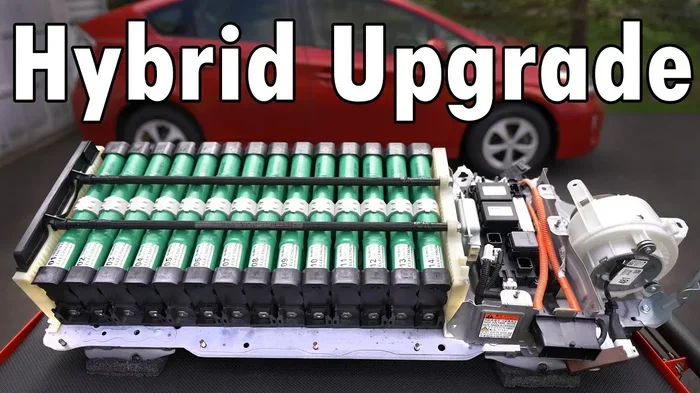
- Hybrid Battery Pack: The most expensive and most talked-about failure point. Battery capacity drops over years of use.
- Inverter Module: This converts DC power from the battery to AC power for the motor. It can fail due to heat or moisture.
- Regenerative Braking System: Worn brake components and sensor issues can reduce braking efficiency.
- High-Voltage Cables: These carry significant electrical current and can degrade over time, especially in harsh conditions.
- Coolant System: Hybrid coolant system failures can lead to overheating of both the engine and battery.
Each of these parts can fail independently or together. And because they are interconnected, one failure can trigger a cascade of problems. This is why understanding the risk of hybrids starts with understanding the powertrain.
The Biggest Risk: Hybrid Battery Degradation
If there is one thing every hybrid owner worries about, it is the battery. The hybrid battery life is the single most important factor in long-term ownership. And it is also the biggest source of anxiety. A healthy battery means smooth operation and great fuel economy hybrid performance. A degraded battery means rough starts, reduced range, and expensive replacements.
The good news is that most hybrid batteries last a long time. Many manufacturers design them to last 100,000 to 150,000 miles. But that does not mean they last forever. After 8 to 10 years, you may start noticing a decline in performance. The battery might not hold a full charge anymore. You might see the hybrid system warning lights come on more often.
Why Do Hybrid Batteries Degrade?
Batteries degrade naturally over time. Every charge and discharge cycle wears down the internal cells. But certain factors speed up this process. Extreme heat is the number one enemy of high-voltage battery health. Cold weather also stresses the battery, especially during fast charging. Driving habits matter too. If you constantly drain the battery to empty, you shorten its lifespan significantly.
Here is a quick look at what affects hybrid battery life:
- Climate: Hot climates degrade batteries faster than mild ones.
- Driving Style: Aggressive acceleration and deep discharges wear out cells faster.
- Age and Mileage: Most batteries show noticeable decline after 8 years or 100,000 miles.
- Charging Habits: Keeping the battery at full charge for long periods can stress the cells.
- Quality of Manufacturing: Some brands use better battery chemistry that lasts longer.
How Much Does Battery Replacement Cost?
This is where the risk of hybrids really hits hard. Replacing a hybrid battery can cost anywhere from $2,000 to $8,000 depending on the vehicle. Some luxury hybrids cost even more. That is a significant expense that many buyers do not budget for.
However, there are alternatives. You can recondition a degraded battery for a fraction of the cost. Some shops offer hybrid battery rebuild services for $500 to $1,500. You can also find refurbished OEM batteries that cost less than new ones. The key is to get multiple quotes and understand your warranty before paying full price.
Expert Insight
Many hybrid owners do not realize that battery degradation does not mean instant failure. The battery may still function but with reduced capacity. This means you can still drive the car, but you will see lower fuel economy hybrid numbers and possibly rough idling. Monitor your battery health regularly and address small issues before they become big problems.
Hybrid Car Maintenance Costs: Are They Really Higher?
One of the biggest concerns for potential hybrid buyers is maintenance cost. The question everyone asks is simple. Do hybrid cars cost more to maintain than regular cars? The answer is both yes and no, and it depends on several factors.
On the positive side, hybrids often have lower maintenance costs for certain systems. The regenerative braking system reduces wear on traditional brake pads. Many hybrids use engine oil less frequently because the electric motor handles some of the driving load. The gasoline engine also experiences less strain during city driving, which can extend its life.
But on the flip side, when something does go wrong, the repair costs are usually higher. Hybrid car repair requires specialized knowledge. Not every mechanic knows how to work on a high-voltage battery system. You often need to visit a dealer or a certified hybrid repair shop. This limits your options and drives up labor costs.
Routine Maintenance Costs Compared
Let us look at a quick comparison of typical maintenance costs between a hybrid and a conventional vehicle:
- Oil Changes: Hybrids often need oil changes less frequently, saving $50 to $100 per year.
- Brake Pads: Regenerative braking extends brake pad life by 30 to 50 percent.
- Battery Checkups: Hybrids require periodic battery health checks that conventional cars do not need.
- Coolant System: Hybrid coolant system service is more complex and can cost 20 to 40 percent more.
- Electrical Diagnostics: Hybrid system warning lights require specialized diagnostic equipment.
Over the first 5 years, a hybrid might actually cost less to maintain. But after the warranty expires, the risk of expensive repairs increases. This is why understanding the full cost picture before buying is so important.
Cold Weather and Hybrid Performance: What You Need to Know
If you live in a cold climate, the risk of hybrids takes on a different shape. Cold weather affects every car, but it hits hybrids harder than most. The high-voltage battery does not perform as well in freezing temperatures. This means reduced electric-only driving range, slower acceleration, and sometimes strange system behavior.
Here is what happens inside a hybrid during winter. The battery needs to stay warm to function efficiently. When temperatures drop below freezing, the battery management system pulls power from the engine to keep the battery at a safe temperature. This reduces the energy available for electric driving. You might notice your fuel economy hybrid numbers drop by 20 to 40 percent during the coldest months.
Tips for Cold Weather Hybrid Ownership
Do not let cold weather scare you away from buying a hybrid. But do be prepared. Here are some practical tips:
- Preheat Your Car: If your hybrid has a pre-conditioning feature, use it. Plug in the car before you drive to warm up the battery.
- Drive Gently: Aggressive acceleration drains the cold battery faster. Smooth driving helps the battery stay warm.
- Monitor Battery Health: Cold weather accelerates existing battery degradation. Get your battery checked before winter hits.
- Keep the Charge Level Moderate: Do not let the battery sit at a low charge during freezing weather. A partial charge helps the battery stay healthy.
- Use Garage Parking: Keeping your hybrid in a garage overnight reduces cold-weather stress on the battery.
These small steps can make a big difference in how your hybrid performs during winter. They also help extend the overall hybrid battery life.
Hybrid Resale Value and Depreciation Risks
Buying a car is not just about the purchase price. It is also about what the car is worth when you sell it. And here is where another risk of hybrids comes into play. Hybrid resale value can be unpredictable, and depreciation can eat into your investment faster than you expect.
In the early days of hybrid cars, they held their value surprisingly well. Buyers loved the fuel savings and the eco-friendly image. But the market has changed. More people are buying electric vehicles now. And some used car buyers worry about hybrid battery life when shopping for a pre-owned vehicle. This uncertainty can drive down resale prices.
Factors That Affect Hybrid Depreciation
Several factors determine how well a hybrid holds its value:
- Battery Health: A car with a degraded battery will sell for much less than one with a healthy battery.
- Brand Reputation: Toyota hybrids tend to hold value better than less established brands.
- Market Trends: As electric vehicles become more popular, some hybrids lose their appeal to buyers.
- Mileage: High-mileage hybrids may seem less attractive due to battery wear concerns.
- Model Availability: Rare or discontinued hybrid models can be harder to sell.
The good news is that well-maintained hybrids from reputable brands still hold value reasonably well. Toyota and Honda hybrids, in particular, have strong resale track records. But you should always factor depreciation into your buying decision. A hybrid might save you money on fuel but cost you more when it is time to sell.
Common Mistakes Hybrid Owners Make
Even the best hybrid can develop problems if the owner does not take proper care of it. There are several common mistakes that hybrid owners make, often without realizing the long-term consequences. Avoiding these mistakes can save you thousands of dollars and extend the life of your vehicle significantly.
Mistake 1: Ignoring Hybrid System Warning Lights
When a hybrid system warning light appears on your dashboard, do not ignore it. These lights are designed to alert you to potential problems early. A blinking or red warning light means something is seriously wrong. Pull over safely and get the car inspected. Ignoring these warnings can turn a small repair into a major one.
Mistake 2: Skipping Regular Maintenance
Some owners think that because a hybrid has fewer moving parts, it needs less maintenance. This is wrong. Hybrid vehicle maintenance is different, not less frequent. You still need regular oil changes, brake inspections, coolant flushes, and battery checks. Skipping these services can lead to bigger problems down the road.
Mistake 3: Using Non-Hybrid Parts
When something breaks on your hybrid, do not just grab any part off the shelf. Hybrid systems require specific components designed for high-voltage operation. Using non-hybrid or aftermarket parts can void your warranty and create safety risks. Always use OEM or certified hybrid replacement parts.
Mistake 4: Deep Discharging the Battery Regularly
Running your hybrid battery down to empty regularly stresses the cells. This accelerates degradation and shortens hybrid battery life. Try to keep your battery charge level between 40 and 80 percent for optimal longevity. Most modern hybrids manage this automatically, but if you have a plug-in hybrid, be mindful of your charging habits.
Mistake 5: Choosing the Wrong Mechanic
Not every mechanic is qualified to work on hybrids. The high-voltage battery and electrical systems require special training and equipment. Taking your hybrid to an unqualified shop can lead to improper repairs, safety hazards, and voided warranties. Always choose a certified hybrid repair specialist or your dealership for major work.
How to Minimize the Risk of Hybrids Before You Buy
Now that you understand the risk of hybrids, the next question is obvious. How do you minimize those risks? The good news is that there are several steps you can take before and after buying a hybrid to protect yourself and your investment.
Step 1: Research the Specific Model
Not all hybrids are created equal. Some models have a much better track record than others. Before buying, research the specific model you are considering. Look up common complaints, known issues, and reliability ratings. Consumer Reports, J.D. Power, and owner forums are great resources for real-world hybrid car problems.
Step 2: Check the Warranty Coverage
Hybrid warranty coverage is one of the best protections you can have. Most manufacturers cover the hybrid battery and powertrain for 8 to 10 years or 100,000 miles. Some brands offer even longer coverage. Before you sign any paperwork, read the warranty carefully. Understand what is covered, what is not, and what the deductible is.
Step 3: Budget for Repairs
Even with a warranty, you should budget for potential repairs. Set aside $100 to $200 per month into a maintenance fund. This might seem like a lot, but it can cover unexpected hybrid car repair costs without breaking the bank. Think of it as insurance against the risk of hybrids.
Step 4: Find a Trusted Hybrid Mechanic
Before you even need one, find a qualified hybrid repair shop near you. Build a relationship with them. They can help you stay on top of maintenance and catch problems early. Having a trusted specialist gives you peace of mind and can save you money in the long run.
Step 5: Keep Detailed Maintenance Records
When it comes time to sell your hybrid, maintenance records matter a lot. A car with a full service history commands a higher price and sells faster. Keep every receipt, every inspection report, and every service record. This documentation proves that you took care of the vehicle and reduces the buyer’s fear of hybrid battery degradation.
Quick Tips to Reduce Hybrid Risks
- Always warm up your hybrid gently in cold weather to protect the battery.
- Check the hybrid coolant system at every service interval.
- Avoid leaving your hybrid unused for long periods without charging.
- Use only manufacturer-recommended fluids and parts.
- Monitor your fuel economy hybrid numbers monthly. A sudden drop can signal a problem.
- Keep the battery charge level in the optimal range for your driving habits.
- Address hybrid system warning lights immediately, no matter how minor they seem.
Conclusion: Weighing the Risk of Hybrids Against the Rewards
The risk of hybrids is real, but it is manageable. Every vehicle has its pros and cons. Hybrids offer incredible fuel economy, lower emissions, and a smooth, quiet driving experience. But they also come with complex systems, higher repair costs, and potential battery degradation over time.
The key is to go in with your eyes open. Understand what can go wrong. Budget for it. Plan for it. Choose a reliable model with strong hybrid warranty coverage. Find a trusted mechanic who specializes in hybrid vehicle maintenance. And stay on top of your regular service schedule.
For most drivers, the benefits of owning a hybrid still outweigh the risks. The fuel savings alone can offset higher maintenance costs over time. But it is not a decision to make lightly. Do your research, ask questions, and make an informed choice. The risk of hybrids should not scare you away. But it should make you a smarter, more prepared owner.
Hybrid technology is evolving fast. Newer batteries last longer. Hybrid powertrain designs are more reliable. And the hybrid resale value market is stabilizing. If you take good care of your hybrid and stay informed, you can enjoy the benefits for many years to come. Just remember, knowledge is your best defense against the risk of hybrids.
Frequently Asked Questions
What is the biggest risk of owning a hybrid car?
The biggest risk is hybrid battery degradation. Over time, the high-voltage battery loses capacity, which reduces fuel economy and can lead to costly replacement. Most batteries last 8 to 10 years, but harsh driving conditions and extreme temperatures can shorten that lifespan significantly.
Are hybrid cars more expensive to repair than regular cars?
Yes, hybrid car repair costs are generally higher. The hybrid powertrain uses specialized components that require trained technicians and expensive diagnostic equipment. However, routine maintenance like oil changes and brake replacements often costs less due to the regenerative braking system.
How long does a hybrid battery actually last?
Most hybrid batteries last between 100,000 and 150,000 miles under normal driving conditions. Some last even longer with proper care. Factors like climate, driving habits, and battery quality all play a role in determining actual hybrid battery life.
Is it safe to drive a hybrid in cold weather?
Yes, it is safe, but cold weather does impact performance. Fuel economy hybrid numbers drop in freezing temperatures because the battery works harder to maintain its temperature. Preconditioning your car and driving gently can help minimize the cold-weather impact.
Do hybrids hold their resale value well?
It depends on the brand and model. Toyota and Honda hybrids tend to hold value better than lesser-known brands. Hybrid resale value is also affected by battery health, mileage, and local market demand for fuel-efficient vehicles.
What should I do if my hybrid system warning light comes on?
Do not ignore it. Pull over safely and have the vehicle inspected by a certified hybrid repair specialist. Hybrid system warning lights indicate issues with the electrical or powertrain system that can worsen if not addressed promptly.
=== CONCLUSION ===
The risk of hybrids is something every buyer and owner should understand. From battery degradation to higher repair costs, the challenges are real but manageable. By staying informed, performing regular hybrid vehicle maintenance, and choosing a reliable model, you can enjoy all the benefits of hybrid technology without the surprises. The risk of hybrids should not stop you from buying one. It should just make you a smarter, more prepared owner who knows exactly what to expect and how to handle it.