What Happens If You Exceed Your Truck Towing Capacity
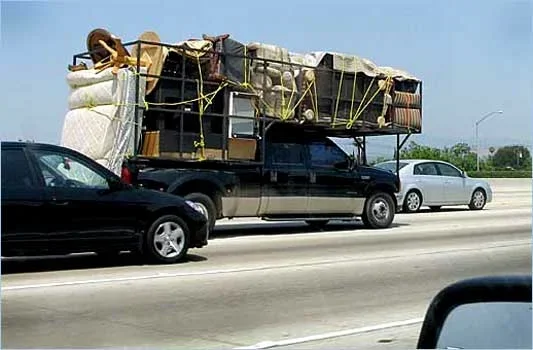
Exceeding your truck towing capacity can lead to serious mechanical damage, dangerous driving conditions, and costly legal consequences. When you push beyond your towing limits, your engine, brakes, suspension, and tires all suffer strain that can cause failures on the road. This guide explains exactly what happens, why it matters, and how to stay safe within your towing capacity.
Every year, thousands of truck owners find themselves in serious trouble because they loaded more than their vehicle could handle. Whether you are hauling a boat, a trailer, or heavy cargo, understanding your truck towing capacity is not just a nice-to-know. It is essential for your safety and the long life of your vehicle.
Pushing past your towing limits might seem harmless in the moment, especially when the load looks manageable on a flat road. But the damage starts silently. Your engine works harder, your brakes heat up, and your suspension takes a beating. Over time, or even in a single trip, exceeding your truck towing capacity can lead to catastrophic failures.
In this article, we will walk through exactly what happens when you exceed your truck towing capacity. We will cover mechanical damage, safety risks, legal issues, and practical steps to stay within safe limits. By the end, you will have a clear picture of why respecting your towing capacity is one of the most important things you can do as a truck owner.
Key Takeaways
- Mechanical Damage Is Real: Overloading your truck causes serious harm to the engine, transmission, brakes, suspension, and tires.
- Safety Risks Are Severe: Exceeding towing limits leads to trailer sway, brake fade, and loss of vehicle control.
- Legal and Financial Consequences Exist: Overloading can void insurance claims and result in fines or penalties.
- Know Your Numbers: Always check your GVWR, payload capacity, and hitch weight before towing.
- Prevention Is Simple: Following basic towing safety tips keeps your truck and cargo safe.
- Act Fast If Overloaded: If you have already exceeded limits, take immediate steps to reduce weight and inspect your vehicle.
📑 Table of Contents
Understanding Your Truck Towing Capacity
What Is Towing Capacity?
Towing capacity is the maximum weight your truck can safely pull behind it. This number is set by the manufacturer based on the engine power, frame strength, braking system, and suspension design. Every truck has a different towing capacity, and it is printed on a label inside the driver door jamb or in the owner manual.
Many people confuse towing capacity with payload capacity. Payload is the weight your truck can carry in its bed and cab, including the weight of the truck itself. Towing capacity is the total weight of the trailer plus everything inside it. Both numbers matter, and exceeding either one causes problems.
Key Ratings You Need to Know
Before you tow anything, you need to understand a few key terms. These ratings are your truck’s limits, and they exist for a reason.
- GVWR (Gross Vehicle Weight Rating): The maximum total weight of your truck, including passengers, cargo, and fuel.
- GCWR (Gross Combined Weight Rating): The maximum weight of your truck plus the trailer together.
- Payload Capacity: How much weight your truck can carry in its bed and cabin.
- Hitch Weight (Tongue Weight): The downward force the trailer puts on the hitch ball.
- Towing Limits: The maximum trailer weight your truck is rated to pull.
Ignoring any of these numbers can lead to overloading. And overloading leads to the problems we will cover next.
Compare Towing Capacity vs. Payload Capacity
| Rating | What It Measures | Why It Matters |
|---|---|---|
| Towing Capacity | Max trailer weight your truck can pull | Prevents engine and drivetrain strain |
| Payload Capacity | Max weight in truck bed and cabin | Protects suspension and frame |
| GVWR | Max total weight of the truck | Ensures all systems work safely |
| GCWR | Max combined weight of truck and trailer | Prevents total system overload |
Keep these numbers in mind every time you load up your truck. A quick check before each trip can save you from serious trouble.
What Happens When You Exceed Truck Towing Capacity
So, what actually happens when you exceed your truck towing capacity? The short answer is: a lot of bad things. The long answer is detailed below. Let us break down the damage by system.
Engine and Transmission Damage
Your truck engine is designed to pull a specific amount of weight. When you exceed that limit, the engine is forced to work harder than it was built to. This causes engine strain that builds up over time.
Your transmission is even more vulnerable. Towing heavy loads generates extreme heat inside the transmission. When the towing capacity is exceeded, the transmission fluid breaks down faster. This leads to slipping gears, rough shifting, and eventually complete transmission failure. Replacing a transmission is one of the most expensive repairs a truck owner can face.
Here is what overloading does to your drivetrain:
- Increased engine heat: The engine runs hotter, reducing its lifespan.
- Transmission fluid breakdown: Overheated fluid loses its lubricating properties.
- Clutch and torque converter wear: These parts degrade faster under excess load.
- Reduced fuel efficiency: Your truck burns more gas when it is overworked.
Think of it this way. Your truck is like an athlete. Ask any athlete to lift weights far beyond their training, and they will break down. The same thing happens to your engine and transmission.
Brake System Failure
Your brakes are designed to stop a truck within a certain weight range. When you exceed your truck towing capacity, the brakes have to stop a much heavier vehicle. This creates several serious problems.
First, your braking distance increases dramatically. A fully loaded truck that is over its limit needs significantly more distance to stop. In an emergency, that extra distance can mean the difference between a safe stop and a serious crash.
Second, your brake components wear out much faster. Brake pads, rotors, and drums all degrade under excessive load. And third, you face the real danger of brake fade. Brake fade happens when the brakes overheat and lose their gripping power. On a long downhill stretch, overheated brakes can fail completely.
Brake fade is one of the most terrifying experiences a driver can have. You press the brake pedal, and nothing happens. The truck keeps rolling, and you lose the ability to slow down. This is why staying within your towing limits is not just about saving money. It is about saving lives.
Suspension and Frame Damage
Your truck’s suspension system includes springs, shocks, control arms, and bushings. All of these parts are engineered to handle a specific amount of weight. When you exceed your truck towing capacity, the suspension bottoms out more frequently, causing damage to every component.
Over time, overloading causes the frame to bend or warp. A damaged frame compromises the entire structural integrity of the truck. This is not a repair you can fix with a simple part swap. Frame damage is expensive, dangerous, and in many cases, the truck is not worth saving.
Common suspension problems caused by overloading include:
- Bent or broken leaf springs
- Blown shock absorbers
- Worn control arm bushings
- Misaligned wheels
- Uneven tire wear
If you notice your truck sitting low in the back or pulling to one side, you may have already caused suspension damage from exceeding your towing capacity.
Tire Blowouts and Handling Issues
Tires are the only part of your truck that touches the road. When you overload the vehicle, the tires bear more weight than they were rated for. This causes excessive heat buildup, which leads to blowouts.
A tire blowout at highway speeds is extremely dangerous. The truck can swerve violently, and the driver may lose control entirely. Overloaded tires also wear out faster on the outside edges of the tread, shortening their lifespan significantly.
Handling issues are another major concern. An overloaded truck feels sluggish in steering. The steering wheel feels heavy, and the truck does not respond quickly to input. This makes it hard to navigate tight turns, merge onto highways, or avoid obstacles.
To keep your tires healthy, always check the tire load rating before towing. Match the tire rating to your expected cargo weight, and never assume that bigger tires can handle any load.
The Hidden Dangers of Overloading
Some of the most dangerous consequences of exceeding your truck towing capacity do not show up right away. They build up slowly, and by the time you notice them, the damage is already done.
Trailer Sway and Loss of Control
Trailer sway is one of the scariest things that can happen while towing. It occurs when the trailer starts to swing side to side behind the truck. This can happen when the load is too heavy, improperly balanced, or when the truck is exceeding its towing limits.
Trailer sway often starts with a small wiggle. Then, as the truck accelerates or hits a crosswind, the sway amplifies. The trailer swings wider and wider until the truck becomes completely unstable. In severe cases, the truck and trailer jackknife, meaning the trailer swings out to the side and the truck spins around.
To reduce the risk of trailer sway:
- Distribute cargo weight evenly across the trailer
- Keep the heaviest items forward, over the axle
- Use a weight distribution hitch
- Never exceed your towing capacity
- Drive at moderate speeds, especially in windy conditions
Brake Fade on Long Downhill Drives
We touched on brake fade earlier, but it deserves its own attention because it is so dangerous. When you drive downhill with an overloaded truck, gravity pulls the vehicle faster and faster. Your brakes become your primary way to control speed.
If the brakes are overheated from stopping a truck that is over its limit, they lose effectiveness. This is brake fade, and it happens fast. You might notice a spongy brake pedal or a burning smell. If you ignore these signs, your brakes can fail entirely.
The best practice is to use engine braking on long downhills. Downshift to a lower gear and let the engine slow the truck. This reduces the strain on the brakes and helps you stay in control.
Expert Insight: Many experienced truckers say that understanding your towing capacity before every trip is just as important as checking the weather. Overloading is one of the leading causes of truck accidents on highways and mountain passes.
Legal and Financial Consequences
Exceeding your truck towing capacity is not just a mechanical problem. It can also get you into serious legal and financial trouble.
Insurance Claim Issues
If you are involved in an accident while towing over your limit, your insurance company may deny your claim. Most insurance policies include clauses that state the vehicle must be used within its rated capacity. If you were overloading at the time of the accident, the insurer has grounds to refuse payment.
This means you could be personally responsible for all damages, including vehicle repairs, medical bills, and property damage. In some cases, the other party can also sue you for additional costs. The financial impact of an overloaded-truck accident can be devastating.
Fines and Legal Penalties
Every state has weight limits for commercial and personal vehicles. If a law enforcement officer pulls you over and finds that your truck exceeds the legal weight limit, you can face fines. These fines vary by state but can range from a few hundred dollars to several thousand dollars.
In severe cases, your truck can be impounded until the load is reduced. You may also receive points on your driving record, which can lead to higher insurance premiums or even license suspension.
Some states also require special permits for oversized loads. Towing without the proper permit is a violation that carries its own penalties. Always check your local regulations before hauling heavy cargo.
How to Stay Safe and Within Towing Limits
The good news is that staying safe is straightforward. With a little planning and awareness, you can avoid all the dangers of overloading.
Quick Tips for Towing Safety
- Read your owner manual. Know your truck’s exact towing capacity before you load anything.
- Weigh your cargo. Use a truck scale or weigh station to confirm your load is within limits.
- Check the trailer weight. Make sure the trailer’s GVWR is within your truck’s towing limits.
- Distribute weight evenly. An unbalanced load increases the risk of trailer sway.
- Use the right hitch. Match your hitch class to your towing weight.
- Inspect before every trip. Check tires, brakes, lights, and fluid levels.
- Drive defensively. Allow extra stopping distance and avoid sudden maneuvers.
Common Mistakes to Avoid
Even experienced truck owners make mistakes. Here are the most common errors that lead to overloading:
- Guessing the weight: Never assume your cargo is light enough. Always weigh it.
- Ignoring tongue weight: Too much or too little hitch weight causes handling problems.
- Adding aftermarket parts without recalculating: A lift kit or larger tires can change your towing limits.
- Forgetting about passengers and fuel: The weight of people and gas counts toward your payload.
- Pushing the limits “just a little”: There is no safe amount to exceed your towing capacity.
Quick Tip: Keep a small notebook in your glove box with your truck’s key ratings written down. When you are at the loading dock or the boat ramp, you can quickly compare your load weight to your limits.
What To Do If You Have Already Overloaded
If you realize you have exceeded your truck towing capacity while on the road, do not panic. There are steps you can take to reduce the risk.
Steps to Take Immediately
- Stop in a safe location. Pull over as soon as it is safe to do so.
- Unload excess weight. Remove cargo until you are within your rated limits.
- Check your tires. Look for signs of overheating or damage.
- Let the brakes cool. If you have been braking heavily, give them time to cool down.
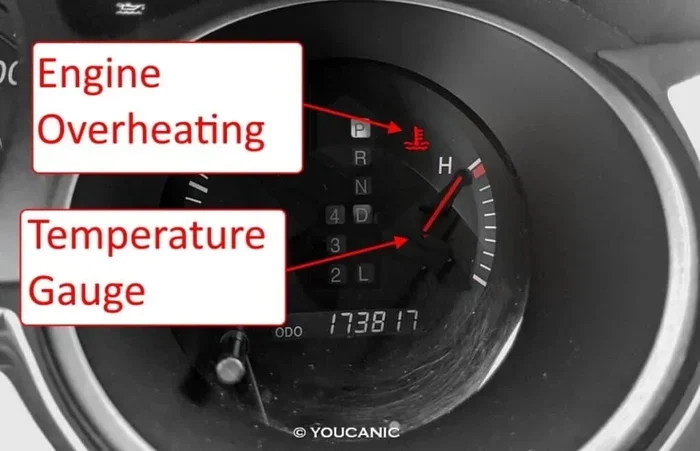
- Inspect the truck. Look for fluid leaks, unusual smells, or warning lights on the dashboard.
When to Call a Professional
If you cannot safely unload enough weight on your own, call a professional towing service. Driving an overloaded truck for an extended period can cause irreversible damage. A professional can help you redistribute the load or arrange a weigh station where you can offload safely.
Also, if you notice any warning signs after an overloaded trip, take your truck to a mechanic. Tell them you were towing over your towing capacity. They can inspect the transmission, brakes, suspension, and tires for hidden damage.
Conclusion
Your truck towing capacity exists for one simple reason: to keep you safe. Every rating, every number, and every limit is based on extensive engineering and testing. When you exceed your truck towing capacity, you put yourself, your passengers, and everyone else on the road at risk.
The mechanical damage alone is expensive enough to make overloading a terrible financial decision. Add in the safety risks, legal consequences, and insurance complications, and there is no good reason to push past your towing limits.
Take the time to understand your truck’s ratings. Weigh your cargo. Use the right equipment. Follow the towing safety tips in this article. These small steps make a huge difference. Your truck will last longer, perform better, and keep you safe on every trip.
Respect your truck towing capacity. Your truck, your wallet, and your life will thank you for it.
Frequently Asked Questions
Can exceeding towing capacity void my truck warranty?
Yes, most truck manufacturers state that damage caused by exceeding the towing capacity is not covered under warranty. If your transmission or engine fails due to overloading, the dealer may deny your claim. Always check your warranty terms and stay within the rated limits.
How do I find my truck’s exact towing capacity?
You can find your truck’s towing capacity on the label inside the driver door jamb, in the owner manual, or on the manufacturer’s website. Look for the GVWR and GCWR numbers, and subtract the truck’s curb weight to find your actual towing limit.
What happens if I get pulled over while towing over the limit?
If a law enforcement officer determines your truck and trailer exceed the legal weight limit, you can receive a citation and a fine. In some cases, the vehicle may be impounded until the load is reduced. Repeat violations can lead to license points and higher insurance rates.
Does exceeding towing capacity affect fuel economy?
Absolutely. An overloaded engine has to work harder, which burns more fuel. Truck owners who regularly exceed their towing capacity often see a noticeable drop in miles per gallon. Staying within your limits helps you save money at the pump.
Can I increase my truck’s towing capacity with aftermarket parts?
Some upgrades like a stronger hitch, upgraded suspension, or transmission cooler can improve your truck’s towing ability. However, these modifications do not change the manufacturer’s rated towing capacity. Always consult a professional before making changes, and never assume aftermarket parts make it safe to exceed the original limits.
Is it safe to tow at maximum capacity on flat roads?
Even on flat roads, towing at maximum capacity puts stress on every system in your truck. While it may be technically legal, it leaves no safety margin for unexpected situations like sudden stops, wind gusts, or road grade changes. It is always safer to tow well below your maximum towing capacity.