Is It Worth Keeping a Car After 100K Miles For Real
Is It Worth Keeping a Car After 100K Miles For Real? The answer depends on your car’s condition, maintenance history, and your budget. A well-maintained high mileage car can still serve you reliably for years. However, rising repair costs and declining resale value can tip the scales. Let’s break down the real numbers and help you make the smartest decision for your wallet.
You love your car. It’s been with you through road trips, daily commutes, and countless errands. But now the odometer has crossed the 100K mark, and you’re staring at it wondering what comes next. Is it worth keeping a car after 100K miles? That’s a question every car owner faces at some point.
The truth is, there’s no one-size-fits-all answer. Some cars roll past 200K miles like it’s nothing. Others start falling apart at 80K. What makes the difference? Maintenance, driving habits, and a bit of luck. Let’s dive deep into this topic and give you everything you need to decide your next move.
We’ll look at the real costs, the warning signs, and the factors that separate a car that’s worth keeping from one that’s ready for the junkyard. By the end, you’ll have a clear picture of where your vehicle stands.
Key Takeaways
- Maintenance Matters Most: A car with solid maintenance records can easily surpass 100K miles and keep running strong.
- Repair Costs Rise After 100K: Expect more frequent and pricier repairs as your vehicle ages past the five-figure mark.
- Resale Value Drops: High mileage cars lose significant resale value, but keeping them longer saves on car payments.
- Know the Warning Signs: Certain repair issues signal it’s time to sell rather than keep investing.
- Cost Per Mile Is Key: Calculate your cost per mile to make an informed car buying decision.
- Reliable Models Last Longer: Some brands and models are built to handle high mileage with fewer problems.
📑 Table of Contents
- The Truth About High Mileage Cars
- What Happens to Your Car After 100K Miles
- The Cost Factor: Repairs vs. Replacement
- When Keeping a Car Past 100K Miles Makes Sense
- Warning Signs You Should Sell Instead
- Expert Tips for Extending Your Car’s Life
- Is It Worth Keeping a Car After 100K Miles? The Final Verdict
The Truth About High Mileage Cars
There’s a common myth that a car is “old” once it hits 100K miles. That simply isn’t true anymore. Modern vehicles are built with better materials, advanced engineering, and improved engine health monitoring systems. A car from the last 10 to 15 years can easily last 200K or more with proper care.
But here’s the catch. Reaching 100K miles doesn’t mean your car is invincible. It means you’ve entered a new phase of vehicle lifespan where certain components start wearing out. Think of it like a runner who’s completed many marathons. They’re still fit, but they need more recovery time and attention.
Why Modern Cars Last Longer
Car manufacturers have made huge strides in durability over the past two decades. Here’s why your high mileage car might still have plenty of life left:
- Better engine designs use tighter tolerances and more durable materials.
- Synthetic oils reduce engine wear significantly compared to conventional options.
- Improved transmission technology means fewer mechanical failures over time.
- Advanced corrosion protection keeps the undercarriage and body panels stronger longer.
- Computerized diagnostics catch small problems before they become big expenses.
The cost per mile of owning a modern car is lower than ever. When you spread the purchase price and maintenance costs over hundreds of thousands of miles, the math starts to work in your favor.
High Mileage Car Maintenance Essentials
If you want your car to keep running past 100K, you need to stay on top of the car maintenance schedule. Here are the services that matter most at this stage:
- Regular oil changes every 5,000 to 7,500 miles
- Transmission fluid replacement around 60K to 90K miles
- Brake fluid flush every two years
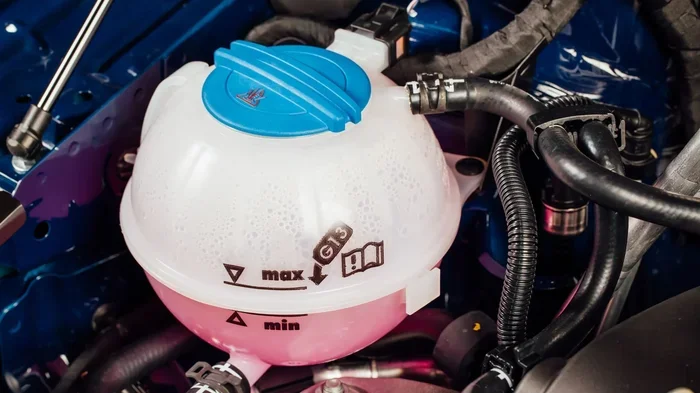
- Coolant system flush according to manufacturer guidelines
- Timing belt or chain inspection and replacement if needed
- Suspension component checks including shocks and struts
- Battery testing and replacement every 3 to 5 years
Skipping any of these services can lead to expensive breakdowns. A car with complete maintenance records is worth far more than one with a spotty history. Always ask for service records when buying a used vehicle.
What Happens to Your Car After 100K Miles
Once your car crosses the 100K threshold, things start to change. Not all at once, but gradually. Understanding these changes helps you plan ahead and avoid surprises.
Common Wear Items That Need Attention
After 100K miles, certain parts wear out at a higher rate. Here’s what to watch for:
- Brakes: Brake pads and rotors wear down over time. Expect to replace them more frequently as mileage climbs.
- Tires: Tread life varies, but most tires need replacement around 40K to 60K miles per set.
- Battery: Cold weather and age reduce battery performance. Replacement becomes more common.
- Suspension: Shocks, struts, and bushings deteriorate, affecting ride quality and handling.
- Rubber components: Hoses, belts, and seals become brittle and prone to failure.
Transmission and Engine Concerns
The transmission and engine are the two most expensive components to replace. After 100K miles, both need closer monitoring. Watch for warning signs like:
- Unusual noises during gear shifts
- Slipping or hesitation when accelerating
- Check engine light illumination
- Fluid leaks underneath the vehicle
- Rough idling or stalling
Catching these issues early through regular car inspection appointments can save you thousands. A small repair today prevents a major auto repair bill tomorrow.
Depreciation and Resale Value
Every car loses value over time, but the rate of vehicle depreciation slows down after 100K miles. Here’s what that means for you:
- A car loses about 15% to 25% of its value each year in the first five years.
- After 100K miles, the annual depreciation rate drops to around 5% to 10%.
- A well-maintained high mileage car still holds reasonable used car value.
- Luxury and foreign brand vehicles typically depreciate faster at high mileage.
If you’re considering selling, know that cars above 100K miles face a smaller buyer pool. Private buyers often hesitate, and dealers may offer less. But that doesn’t mean your car has no value.
The Cost Factor: Repairs vs. Replacement
This is where the real decision happens. You need to compare the cost of keeping your current car against the cost of buying a new or used replacement. Let’s break down the numbers.
Calculating Your True Ownership Cost
When you think about car ownership costs, don’t just look at monthly payments. Consider the full picture:
- Monthly car payment (if financing a new vehicle)
- Insurance premiums (newer cars cost more to insure)
- Fuel costs (older cars may use more gas)
- Maintenance and repairs (increases with age and mileage)
- Registration and taxes (varies by state and vehicle age)
- Depreciation (the money you lose as the car loses value)
Here’s a quick comparison of keeping a high mileage car versus buying a new one:
| Factor | Keeping 100K+ Car | Buying New Car |
|---|---|---|
| Monthly Payment | $0 (if paid off) | $300-$600 |
| Annual Maintenance | $500-$1,500 | $200-$500 |
| Insurance | Lower | Higher |
| Depreciation | Minimal | Significant |
| Major Repair Risk | Higher | Lower (under warranty) |
| Reliability | Varies | Generally higher |
For many drivers, the cost per mile of keeping a paid-off car is significantly lower. You avoid car payments, higher insurance, and the steepest part of depreciation.
When Repair Costs Become a Problem
There’s a tipping point where repair costs make keeping a car uneconomical. A good rule of thumb is the 50% rule. If a major repair costs more than half the car’s current value, it’s time to consider selling.
But this rule has exceptions. If your car is still reliable aside from one expensive repair, and you have the cash on hand, fixing it might still make sense. The key is being honest about your financial situation and the car’s overall condition.
When Keeping a Car Past 100K Miles Makes Sense
Not every car over 100K miles needs to be replaced. Some situations make keeping your vehicle the smart choice. Here’s when holding on makes the most sense.
You Have a Reliable Model
Some cars are known for their longevity. Brands like Toyota, Honda, and Mazda consistently build vehicles that handle high mileage with fewer issues. If you own one of these reliable cars, keeping it past 100K miles is often a no-brainer.
Look for models with proven track records. Consumer Reports and J.D. Power rankings can help you identify which vehicles have the best vehicle lifespan ratings. When you own a car with a strong reputation for durability, you can feel confident keeping it on the road.
Your Car Has Clean Maintenance Records
A car with documented maintenance history is a car you can trust. If every oil change, brake job, and service is recorded, you know what you’re getting. This transparency gives you confidence that no major issues have been neglected.
On the flip side, if you’re buying a used car with over 100K miles, always request the full service history. A car with incomplete records is a gamble, no matter how good it looks on the outside.
You’re Debt-Free and Budget-Friendly
If your car is paid off and you have money set aside for repairs, keeping a high mileage vehicle can be incredibly economical. You skip the monthly payments, avoid the depreciation hit, and still have reliable transportation.
This approach works best when you budget for annual maintenance. Setting aside $100 to $200 per month for future repairs creates a safety net and prevents financial surprises.
An Extended Car Warranty Provides Peace of Mind
Some companies offer extended car warranty plans that cover repairs after the factory warranty expires. These plans can be valuable for high mileage cars, especially if you’re concerned about major system failures.
However, read the fine print carefully. Not all extended warranties are created equal. Some have high deductibles, limited coverage, or exclusions that leave you paying out of pocket. Compare multiple providers and understand exactly what’s covered before you commit.
Warning Signs You Should Sell Instead
Sometimes the smartest move is to let go. Certain signs indicate your car is no longer worth keeping, no matter how much you love it.
Structural or Frame Damage
If your car has been in an accident and suffered frame damage, the repair costs often exceed the vehicle’s value. Structural issues compromise safety and make the car a liability rather than an asset.
Recurring Major Repairs
If you’re visiting the mechanic every few months for significant repairs, the pattern is a red flag. A car that constantly needs expensive work drains your budget and your patience. Track your repair costs over the past year. If they exceed the car’s value, it’s time to move on.
Safety Features Are Outdated
Cars from the early 2000s or older often lack modern safety technology. Electronic stability control, advanced airbags, collision warning systems, and automatic emergency braking have become standard in recent years. If your high mileage car lacks these features, your safety on the road may be compromised.
The Check Engine Light Won’t Turn Off
A persistent check engine light signals an unresolved issue. While some problems are minor, others point to expensive internal damage. If a mechanic can’t identify or fix the root cause affordably, the car may not be worth keeping.
Expert Tips for Extending Your Car’s Life
Want to push your car well past 100K miles? These expert-backed strategies help maximize your vehicle’s longevity and keep it running strong.
Follow the Maintenance Schedule Rigorously
The single most important factor in a car’s lifespan is consistent maintenance. Don’t skip oil changes, ignore fluid levels, or delay scheduled services. Every recommended service interval exists for a reason. Think of maintenance as an investment that pays off in reliability and longevity.
Drive Gently and Avoid Harsh Conditions
Your driving style directly impacts how long your car lasts. Aggressive acceleration, hard braking, and towing beyond capacity all accelerate wear. Smooth, steady driving reduces stress on the engine, transmission, and braking system.
Address Small Problems Immediately
A small leak, unusual noise, or minor vibration today can become a major repair next month. The best drivers notice changes in their car’s behavior and address them promptly. Early intervention keeps repair costs low and prevents cascading failures.
Keep It Clean Inside and Out
Regular washing and interior cleaning protect your car’s exterior and prevent rust. Waxing creates a barrier against moisture and UV damage. Clean interior surfaces prevent wear on seats, dashboard, and carpeting. A well-maintained car also signals to future buyers that it was cared for properly.
Store Your Car Properly
If you have a second vehicle or your daily driver sits for extended periods, proper storage matters. Keep the car in a garage or covered area. Use a battery maintainer if it won’t be driven for weeks. Inflate tires to the proper pressure and apply a fuel stabilizer if the car will sit for months.
Is It Worth Keeping a Car After 100K Miles? The Final Verdict
So, is it worth keeping a car after 100K miles for real? The answer is a qualified yes, for most people. A well-maintained vehicle with clean service records, no major structural issues, and a realistic repair budget can serve you reliably for another 50K to 100K miles or more.
The key is knowing your car’s condition and being honest about the numbers. Calculate your cost per mile, compare it to the cost of a replacement, and factor in your financial comfort level. If keeping your current car makes financial sense and it’s still safe and reliable, there’s no shame in driving it well past the 100K mark.
On the other hand, if repair costs are mounting, safety features are outdated, or the car is causing constant stress, it might be time to explore your options. Whether that means buying a newer used car or saving up for a new vehicle, the goal is the same: reliable, affordable transportation that fits your life.
Your car is a tool. It gets you where you need to go. Make decisions based on logic and numbers, not just emotions. And whatever you decide, you’ll be making the right choice as long as it’s informed and intentional.
The road ahead doesn’t have to end at 100K miles. With the right approach, your car can keep going strong for many more miles to come. Just stay proactive, stay informed, and enjoy the drive.
Frequently Asked Questions
What is the average lifespan of a modern car?
Most modern cars can last between 200,000 and 300,000 miles with proper maintenance. Some reliable models even push past 300,000 miles. The key factors are regular servicing, gentle driving habits, and addressing small issues before they become big problems. Brand reputation also plays a role, with Toyota and Honda models consistently ranking at the top for longevity.
How much does it cost to maintain a car after 100K miles?
Annual maintenance costs for a car over 100K miles typically range from $500 to $1,500, depending on the vehicle and its condition. This includes routine services like oil changes, brake repairs, tire replacements, and fluid flushes. Major repairs can add several hundred to several thousand dollars to that total. Setting aside money each month helps you prepare for unexpected expenses.
Is it cheaper to keep an old car or buy a new one?
Keeping an old car is usually cheaper in the short term because you avoid car payments and steep depreciation. However, rising repair costs can offset those savings over time. New cars have lower maintenance costs and better reliability but come with higher monthly expenses and faster depreciation. The best choice depends on your budget, the car’s condition, and how long you plan to keep it.
What mileage is too high for a used car?
There’s no universal number, but many experts consider 200,000 miles the upper limit for a used car purchase. Cars between 100K and 150K miles often offer the best value because the steepest depreciation has already occurred. The real question isn’t just about mileage but about the car’s maintenance history, condition, and the specific model’s reputation for durability.
Does car insurance cost more for high mileage vehicles?
Not necessarily. Insurance rates depend more on your driving record, location, and the car’s value than on mileage alone. However, older high mileage cars may qualify for lower premiums because they’re worth less. Newer cars with higher mileage might cost more to insure because of their higher replacement value. Always compare quotes from multiple providers to find the best rate.
Should I buy an extended warranty for a car over 100K miles?
An extended warranty can be worthwhile if you plan to keep the car for several more years and want protection against major repairs. However, these plans vary widely in coverage, cost, and reliability. Read the contract carefully, understand exclusions, and compare third-party providers. If your car still has a factory warranty, you might not need additional coverage right away.
=== CONCLUSION ===
Is it worth keeping a car after 100K miles? For most car owners, the answer is yes, provided the vehicle is well-maintained and financially sensible. A high mileage car with a clean history can deliver years of reliable service without the burden of monthly payments. Focus on maintenance, monitor repair costs, and make decisions based on data rather than emotion.
Your car has served you well. With the right care and attention, it can keep going strong for many more miles. Trust your knowledge of the vehicle, stay on top of the maintenance schedule, and enjoy the road ahead. The best decision is always the informed one.