How to Clean a Car Windshield and Keep It Crystal Clear
Cleaning a car windshield is one of the simplest yet most important maintenance tasks every driver should master. A streak-free windshield improves driving safety, boosts visibility in all weather conditions, and extends the life of your wipers. In this guide, we walk you through proven windshield cleaning methods, the best products to use, common mistakes to avoid, and expert tips for keeping your glass crystal clear all year long.
There is nothing worse than driving on a sunny afternoon and realizing your windshield is covered in streaks and haze. You squint. You squirm. You wonder how you ever managed to see the road at all. A dirty windshield is more than just an eyesore. It is a safety hazard that affects your ability to drive confidently. Whether you are dealing with water spots, bug splatter, or general grime, learning how to clean a car windshield properly makes a world of difference.
Most people grab whatever glass cleaner is lying around the house and give the windshield a quick wipe. But that approach leaves streaks, streaks attract dust, and soon you are back where you started. The good news is that cleaning a car windshield the right way is not hard. It just requires the right products, a little technique, and a few minutes of your time. This guide covers everything you need to know about windshield cleaning, from choosing the best products to maintaining crystal-clear glass between deep cleans.
Your windshield is your window to the world while you drive. Dirty glass distorts light, creates glare at night, and even hides small objects in your path. Studies have shown that impaired visibility contributes to thousands of accidents every year. Taking a few extra minutes to properly clean your auto glass can genuinely save your life. So let us get into the details of how to achieve a streak-free windshield that looks and performs like new.
Key Takeaways
- Clean windshields improve safety: A clear windshield reduces glare, improves night driving, and helps you spot hazards faster.
- Use the right products: Not all glass cleaners are equal. Choose ammonia-free formulas for best results on auto glass.
- Microfiber cloths are essential: They prevent streaks and scratches, unlike paper towels or old rags.
- Clean both sides of the glass: The inside of your windshield collects grime too, and ignoring it causes haze and glare.
- Avoid common mistakes: Cleaning in direct sunlight, using household cleaners, or skipping the edges leads to poor results.
- Regular maintenance keeps glass clear longer: A quick wipe-down every week makes deep cleaning much easier.
- Water spots and bug splatter need special treatment: Soaking and using dedicated removers prevents permanent etching.
📑 Table of Contents
- Why a Clean Windshield Matters More Than You Think
- Best Products for Cleaning a Car Windshield
- Step-by-Step Guide to Clean a Car Windshield
- Common Mistakes People Make When Cleaning a Windshield
- How to Keep Your Windshield Crystal Clear Between Washes
- Expert Tips for Stubborn Windshield Stains
- Conclusion
Why a Clean Windshield Matters More Than You Think
Most car owners focus on washing the paint and vacuuming the interior. The windshield gets a quick wipe and that is it. But your windshield does so much more than just keep the wind out. It plays a critical role in your safety, comfort, and even the structural integrity of your vehicle.
Safety and Visibility
A dirty windshield scatters light in all directions. During the day, this creates glare and makes it harder to see the road ahead. At night, headlights from oncoming traffic bounce off grime and create blinding halos. Even a thin film of dust or oil on your glass can reduce visibility by a surprising amount. When you learn how to clean a car windshield properly, you are investing in your safety every time you get behind the wheel.
Rain makes everything worse. A clean windshield allows water to bead and roll off more effectively. A dirty windshield causes water to spread and cling, creating foggy patches that are nearly impossible to see through. Pair a clean windshield with quality wipers and you will notice an immediate difference in driving clarity.
Windshield Longevity
Believe it or not, grime and contaminants can actually damage your windshield over time. Acidic substances like bird droppings and tree sap eat into the glass surface. Mineral deposits from hard water create micro-scratches that weaken the glass. Regular windshield maintenance prevents this buildup and helps your windshield last longer. A well-maintained windshield also holds up better during collisions, since even small cracks can spread more easily on weakened glass.
Resale Value and Appearance
First impressions matter, even for cars. A crystal-clear windshield signals that the vehicle has been well cared for. Buyers and inspectors notice dirty glass right away. Taking care of your auto glass care routine is a small effort that pays off when it is time to sell or trade in your car.
Best Products for Cleaning a Car Windshield
Not all cleaning products are created equal. Using the wrong cleaner can leave residue, damage your windshield, or create streaks that are harder to remove than the original dirt. Here is a breakdown of the best products for a streak-free windshield finish.
Commercial Windshield Cleaners
Dedicated car glass cleaner products are formulated specifically for automotive glass. They evaporate quickly, leave no residue, and are designed to handle the unique challenges of windshield grime. Look for ammonia-free options, as ammonia can damage tinted windows and interior plastic over time.
Some popular choices include:
- Rain-X Glass Cleaner: Known for its streak-free formula and rain-repelling properties.
- Stoner Invisible Glass: A favorite among detailers for its gentle yet effective cleaning power.
- Ceramic Glass Coating Sprays: These create a protective layer that repels water and dirt for longer periods.
DIY Cleaning Solutions
You do not need expensive products to get great results. A simple homemade solution works wonders for most windshield cleaning tasks.
- White vinegar and water: Mix one part distilled white vinegar with one part distilled water. This cuts through grease and water spots effectively.
- Dish soap and water: A few drops of mild dish soap in a spray bottle of distilled water handles light grime and fingerprints.
- Isopropyl alcohol solution: Mix half isopropyl alcohol and half water for a fast-evaporating cleaner that leaves no streaks.
Always use distilled water in DIY solutions. Tap water contains minerals that leave spots and residue on your glass. This is one of the most overlooked tips in windshield cleaning.
Cloths and Tools
The towel or cloth you use matters just as much as the cleaner. Here are the best options for a clean car windshield:
- Microfiber cloths: These are the gold standard. They trap dirt instead of pushing it around and leave zero streaks.
- Lambswool applicators: Great for applying cleaning solutions evenly across large glass surfaces.
- Rubber squeegees: Perfect for removing excess liquid quickly and leaving a smooth, dry finish.
- Soft-bristle brushes: Useful for loosening stubborn bug splatter and dried mud before wiping.
Never use paper towels, old t-shirts, or rough rags. These materials scratch glass and leave behind lint that is frustrating to remove. Invest in a few quality microfiber cloths and keep them dedicated to glass cleaning only.
Step-by-Step Guide to Clean a Car Windshield
Now that you have the right products and tools, let us walk through the process of cleaning your windshield properly. Follow these steps and you will have a crystal-clear windshield in no time.
Step 1: Choose the Right Time and Place
Never clean your windshield in direct sunlight. The heat causes the cleaner to evaporate too quickly, leaving streaks and residue behind. Park in a shaded area or clean your car in the early morning or late evening. A cool, shaded surface gives you time to work the cleaner properly before it dries.
Step 2: Rinse the Windshield
Start by rinsing the glass with clean water. This removes loose dirt, dust, and debris that could scratch the surface when you start wiping. Use a hose or a bucket of clean water and pour it over the entire windshield. Pay extra attention to the edges and corners where dirt tends to build up.
Step 3: Apply Your Cleaner
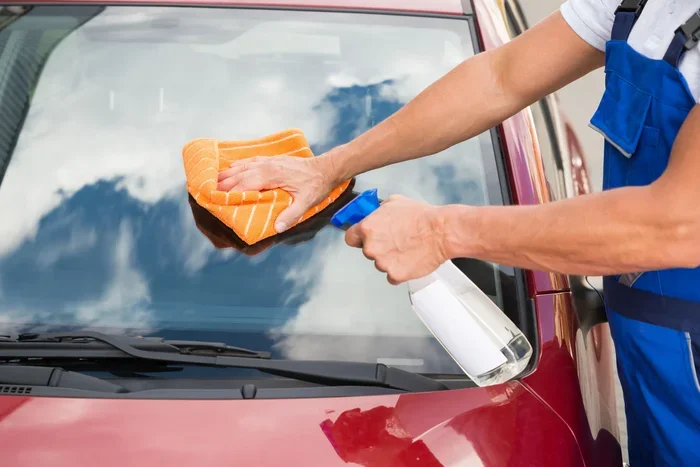
Spray your chosen glass cleaning solution across the windshield in sections. Do not spray the entire windshield at once unless you plan to wipe it immediately. Working in sections ensures the cleaner does not dry before you have a chance to remove it. Let the solution sit for 30 to 60 seconds on tough spots like water stains or bug residue.
Step 4: Wipe with a Microfiber Cloth
Using a clean, dry microfiber cloth, wipe the windshield in an S-shaped pattern. Start from the top and work your way down. This pattern prevents streaks and ensures you cover every inch of the glass. Use gentle pressure. You do not need to press hard. Let the cloth and cleaner do the work.
Flip the cloth frequently to a clean side. A dirty cloth just pushes grime back onto the glass. For the best results, use a separate cloth for the outside and inside of the windshield.
Step 5: Remove Stubborn Spots
For water spots, bug splatter, or tree sap that will not come off with a regular wipe, try these techniques:
- Water spots: Soak the area with vinegar solution for 5 minutes, then gently scrub with a microfiber cloth in circular motions.
- Bug splatter: Apply a small amount of rubbing alcohol or a dedicated bug remover, let it sit for 2 minutes, then wipe away gently.
- Tree sap: Use a clay bar or a dedicated sap remover. Apply a lubricant and gently glide the clay over the spot until it lifts away.
Never pick at dried bugs or sap with your fingernails or sharp objects. This creates deep scratches that are impossible to remove without professional glass repair.
Step 6: Clean the Inside of the Windshield
The inside of your windshield is often overlooked, but it collects just as much grime as the outside. Off-gassing from dashboard plastics, cigarette smoke, and condensation all create a hazy film on the interior glass. This film causes glare and reduces nighttime visibility significantly.
To clean the inside, spray your cleaner onto a microfiber cloth rather than directly onto the glass. This prevents the solution from dripping onto your dashboard and interior trim. Wipe in straight vertical strokes, then follow up with horizontal strokes to check for any missed streaks. A clean interior windshield makes a huge difference in overall driving comfort.
Step 7: Dry and Finish
After wiping, use a dry microfiber cloth or a rubber squeegee to remove any remaining moisture. Buff the glass in gentle circular motions for a final polish. Check the windshield from different angles to make sure there are no remaining streaks or spots. If you see any, a quick pass with a dry cloth should fix it.
Step 8: Apply a Protective Treatment
Once your windshield is clean, consider applying a windshield treatment or ceramic glass coating. These products create a hydrophobic barrier that repels water, dust, and bugs. They make future cleaning much easier and improve visibility during rain. Apply the treatment according to the product instructions, and reapply every few months for best results.
Common Mistakes People Make When Cleaning a Windshield
Even with the best intentions, many car owners make mistakes that reduce the effectiveness of their cleaning efforts. Here are the most common errors to avoid.
Using Household Glass Cleaners
Window cleaners designed for home use often contain ammonia and other chemicals that are too harsh for auto glass. They can damage windshield tint, dry out rubber seals, and leave a sticky residue that attracts more dust. Always choose products specifically formulated for auto glass care.
Cleaning in Direct Sunlight
As mentioned earlier, cleaning in the sun causes the solution to evaporate too fast. This leaves behind streaks, water spots, and a film that is difficult to remove. Always find shade or choose a cooler time of day.
Using the Wrong Cloth
Paper towels and rough fabrics scratch glass over time. They also leave behind fibers that create a fuzzy appearance on the windshield. Stick with high-quality microfiber cloths for every glass cleaning job.
Skipping the Edges and Corners
Dirt and grime love to hide in the edges of the windshield where the glass meets the frame. If you do not clean these areas thoroughly, buildup will spread back onto the center of the glass quickly. Take your time along the edges and use a smaller cloth or cotton swab for tight spots.
Ignoring the Wiper Blades
Clean glass paired with dirty wiper blades is a losing battle. Your wipers will just smear grime right back across the windshield. Clean your wiper blades with a cloth soaked in vinegar solution every time you wash your windshield. Replace them every 6 to 12 months for optimal performance.
How to Keep Your Windshield Crystal Clear Between Washes
Deep cleaning your windshield once a month is great, but maintaining it between washes is what keeps your glass truly crystal clear. Here are simple habits that make a big difference.
Keep a Microfiber Cloth in Your Car
Stash a clean microfiber cloth in your glove box or door pocket. When you notice smudges or fingerprints, a quick wipe takes only seconds and prevents buildup. This is one of the easiest windshield maintenance habits you can adopt.
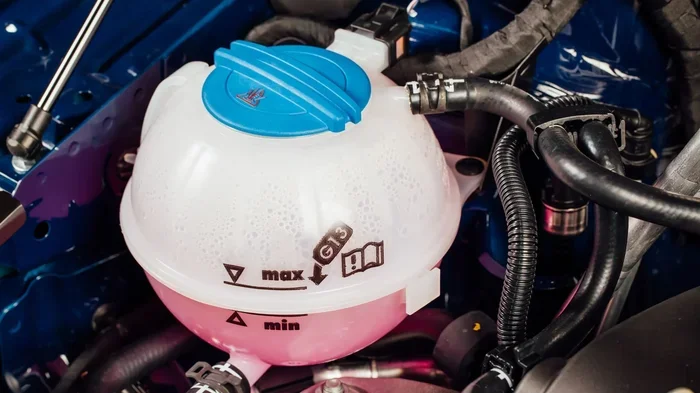
Top Off Your Windshield Washer Fluid
Running out of washer fluid mid-drive means you are forced to drive with dirty glass until you can refill. Keep your reservoir full at all times, especially during rainy or dusty seasons. Use a quality washer fluid that includes rain-repelling agents for added convenience.
Avoid Parking Under Trees
Tree sap, bird droppings, and pollen are the enemies of a clean windshield. Parking under trees may keep you shaded, but it exposes your glass to sticky, corrosive substances that are difficult to remove. Choose a covered area or a garage whenever possible.
Use Your Defroster Wisely
Running your defroster on high heat can cause moisture to evaporate unevenly, leaving mineral deposits on the glass. When possible, use the defroster on a moderate setting and crack a window slightly to allow moisture to escape more evenly.
Clean Your Windshield After Long Trips
Road trips expose your windshield to bugs, tar, road grime, and exhaust fumes. Cleaning the windshield soon after a long drive prevents these contaminants from bonding to the glass. A quick rinse and wipe within a few hours of arriving home makes the next deep clean much easier.
Expert Tips for Stubborn Windshield Stains
Some stains just refuse to budge with a regular cleaning routine. Here are expert techniques for handling the toughest windshield blemishes.
Dealing with Hard Water Deposits
Hard water leaves behind white, chalky spots that seem impossible to remove with regular cleaners. The secret is acidity. Vinegar works well for mild deposits, but for stubborn spots, try a paste made from baking soda and water. Apply it to the affected area, let it sit for 10 minutes, and gently scrub with a damp microfiber cloth. Rinse thoroughly and dry with a clean towel.
Removing Smoke and Tar Film
Smokers or cars parked near construction sites often develop a sticky tar film on the windshield. This film requires a degreaser. Apply a small amount of tar remover or a diluted degreaser to a microfiber cloth and work it into the affected area in gentle circles. Rinse with clean water and dry completely. Avoid using harsh abrasive pads, as they can etch the glass surface.
Fixing Haze from Interior Off-Gassing
The oily haze that builds up on the inside of the windshield comes from chemicals released by your dashboard and trim pieces. This is especially common in newer cars. To remove it, wipe the interior glass with a cloth dampened with isopropyl alcohol. Follow up with a dry microfiber cloth for a streak-free finish. To reduce future haze, consider applying a UV-protectant dress to your interior plastic surfaces.
Preventing Windshield Etching
Over time, mineral deposits and acidic contaminants can etch into the glass surface. Once etching occurs, it cannot be reversed at home. Professional glass polishing can minimize the appearance, but prevention is always better. Regular cleaning, prompt removal of bird droppings and sap, and using a protective glass coating all help prevent etching.
Conclusion
A clean windshield is about much more than appearances. It is a fundamental part of safe driving that affects your visibility, comfort, and confidence on the road. By following the steps outlined in this guide, you now know exactly how to clean a car windshield the right way and keep it looking great for the long haul.
Use the right products, avoid common mistakes, and make regular maintenance a habit. A few minutes of care each week saves you from frustrating deep cleans and protects your investment in your vehicle. Start with the tips in this article today, and you will notice the difference every time you get behind the wheel. Your windshield works hard for you. Give it the care it deserves.
Frequently Asked Questions
How often should I clean my car windshield?
A deep clean every two weeks is ideal for most drivers. If you drive frequently or park outdoors, weekly cleaning may be necessary. A quick wipe-down with a microfiber cloth between deep cleans helps maintain clarity and prevents buildup.
Can I use household window cleaner on my car windshield?
It is best to avoid household window cleaners. Many contain ammonia, which can damage tinted windows and dry out rubber seals around the windshield. Use products specifically designed for automotive glass to get the best results without risking damage.
What is the best way to remove bug splatter from a windshield?
Soak the affected area with a mix of isopropyl alcohol and water or a dedicated bug remover. Let it sit for 2 to 3 minutes to soften the dried residue, then gently wipe away with a microfiber cloth. Avoid scraping with hard objects, as this can scratch the glass.
Why does my windshield get hazy even after cleaning?
Haze is usually caused by a film on the inside of the windshield from off-gassing dashboard plastics or smoke residue. Clean the interior with isopropyl alcohol on a microfiber cloth. Also make sure you are not using too much cleaner, as excess product can leave its own haze behind.
Does a ceramic glass coating really help keep windshields clean?
Yes, ceramic glass coatings create a hydrophobic barrier that repels water, dust, and debris. They make future cleaning faster and easier by preventing contaminants from bonding to the glass. Reapply every 3 to 6 months for consistent protection.
Is it safe to clean a windshield with just water and a cloth?
Plain water removes loose dust but is not effective against grease, water spots, or sticky residue. For a truly clean and streak-free windshield, use a proper glass cleaner or a vinegar-water solution. This ensures all contaminants are dissolved and removed completely.