How Long Do Touch-Up Paint Pens Last Heres the Answer
Touch-up paint pens typically last between 2 and 7 years on the surface, but their true lifespan depends on storage, application, and environmental exposure. These handy tools are a go-to solution for car scratch repair and preventing rust from forming in chipped areas. With the right approach, a single pen can protect your vehicle for years, making automotive touch-up paint one of the most cost-effective maintenance investments you can make.
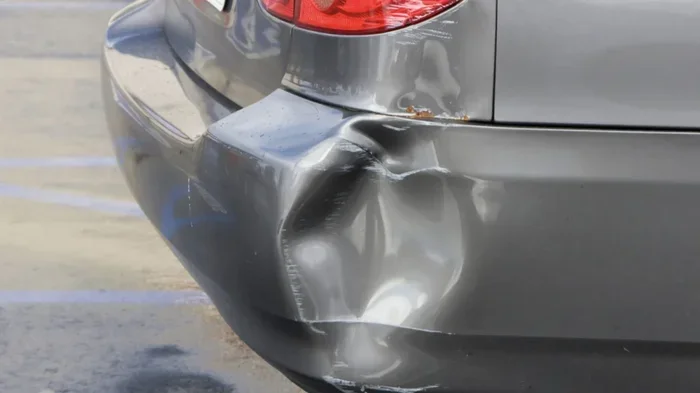
You spot a small chip on your hood. Maybe it happened when a pebble kicked up on the highway. Maybe it was a shopping cart in the parking lot. Either way, you grab a touch-up paint pen from the glove box and dab it on. It looks fine. But then a question creeps in: how long do touch-up paint pens last?
This is one of the most common questions car owners ask, and for good reason. Nobody wants to waste money on a product that stops working after a few months. The truth is, touch-up paint pen durability depends on several factors. Some pens last just a couple of years. Others can protect your car for well over five years. In this guide, we break down everything you need to know about paint pen lifespan, what affects it, and how to get the most out of every pen you buy.
Whether you drive a daily driver or a classic that you lovingly restore, understanding automotive touch-up paint longevity helps you make smarter decisions. Let’s dive into the details so you can keep your vehicle looking great without spending a fortune.
Key Takeaways
- Surface life varies: Most touch-up paint pens hold up well for 2 to 7 years depending on conditions and application quality.
- Storage matters hugely: Keeping pens sealed and stored in cool, dry places dramatically extends their usable life.
- Proper application is key: A well-applied touch-up lasts significantly longer than a rushed or sloppy one.
- Environmental factors play a role: Sun exposure, weather, and road salt all impact how long the paint holds up.
- Knowing when to replace saves money: Dried-out or separated paint pens won’t deliver good results and should be swapped out.
- Clear coat protection extends longevity: Applying a clear coat over the touch-up adds a protective layer that boosts durability.
- Color matching is essential: Using the correct paint code ensures a seamless repair that blends naturally with your vehicle.
📑 Table of Contents
- What Are Touch-Up Paint Pens and Why Do They Matter?
- How Long Do Touch-Up Paint Pens Last on the Surface?
- Factors That Affect the Lifespan of Touch-Up Paint Pens
- How to Make Your Touch-Up Paint Pens Last Longer
- When to Replace Your Touch-Up Paint Pen
- Common Mistakes That Shorten the Life of Touch-Up Paint Pens
- Expert Insights on Touch-Up Paint Pen Longevity
- Frequently Asked Questions
What Are Touch-Up Paint Pens and Why Do They Matter?
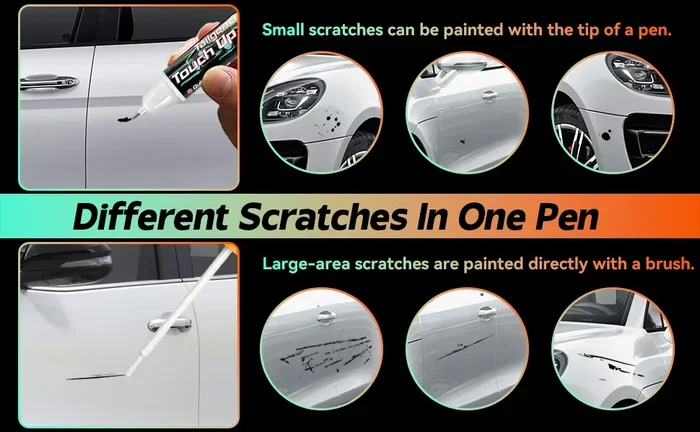
A touch-up paint pen is a small, portable bottle of paint designed to fix minor chips, scratches, and scuffs on your vehicle. They come pre-mixed in your car’s exact color code, so the repair blends with the original factory paint. Most pens include a small brush or applicator tip built right into the cap.
These little tools matter more than people think. A tiny chip might not bother you today, but left untreated, it opens the door to something much worse. Exposed metal reacts with moisture and oxygen. That means rust starts forming underneath. What began as a harmless nick can turn into a costly repair if you ignore it. A touch-up paint pen stops that process in its tracks.
Beyond rust prevention, touch-up pens keep your car looking sharp. They are easy to use, affordable, and available for virtually every make and model. You do not need to be a mechanic or a body shop expert. A steady hand and a few minutes of your time are all it takes.
How Touch-Up Paint Pens Work
The paint inside a touch-up paint pen is formulated to match your vehicle’s factory color. Automakers use specific paint codes for each model year and trim level. When you find your paint code, usually found on a sticker inside the driver’s door jamb, you can order the matching pen. The paint bonds directly to the bare metal or existing clear coat, creating a protective barrier over the damaged area.
Most pens use either enamel or urethane-based paint formulas. Enamel pens dry to a hard finish and are great for older vehicles. Urethane pens offer more flexibility and are common on newer cars with modern paint systems. Both types do a solid job when applied correctly.
How Long Do Touch-Up Paint Pens Last on the Surface?
The short answer is that most touch-up paint pens last between 2 and 7 years on the surface of your vehicle. But that range is wide because so many variables come into play. Let us look at what you can realistically expect in different situations.
Surface Longevity: What to Expect
If you apply a touch-up pen properly and keep your car sheltered, the paint can hold up for 5 to 7 years. The color stays vibrant, and the protective barrier remains intact. On the other hand, a pen used on a daily-driver truck that sees road salt, sun, and gravel might fade or chip within 2 to 3 years.
Here is a quick breakdown of expected surface life based on conditions:
- Garage-kept vehicle: 5 to 7 years
- Covered parking or carport: 4 to 6 years
- Daily driver exposed to weather: 2 to 4 years
- Vehicle in harsh climates or coastal areas: 1 to 3 years
These numbers are estimates, but they give you a solid ballpark. The key takeaway is that touch-up paint pen longevity is not fixed. You have real control over how long the repair lasts.
Does the Paint Pen Itself Expire?
Yes, the pen can expire even if you never open it. Most manufacturers say a sealed automotive touch-up paint pen lasts about 3 to 5 years from the production date. After that, the paint formula may separate, thicken, or lose its ability to bond properly. Always check the expiration or production date before purchasing a pen, especially online.
Once you open a pen, the clock speeds up. An opened pen typically lasts 6 to 12 months with proper storage. If the paint dries out or becomes clumpy, it will not apply smoothly, and the repair will not hold well.
Factors That Affect the Lifespan of Touch-Up Paint Pens
Not all touch-up repairs are created equal. Several factors determine how long your car paint touch up will last. Understanding these helps you set realistic expectations and take steps to maximize durability.
1. Application Quality
This is the biggest factor. A careful, precise application lasts much longer than a rushed one. When you apply too much paint, it does not cure properly. When you apply too little, the protective layer is too thin to resist chips and wear. Taking your time pays off in paint pen durability.
Here are some application tips that make a real difference:
- Clean the area thoroughly before applying paint.
- Apply thin, even coats instead of one thick blob.
- Let each coat dry completely before adding the next.
- Use a toothpick or fine brush for very small chips.
- Avoid touching the repaired area while it dries.
2. Environmental Exposure
Your car faces a lot out there every day. UV rays from the sun break down paint over time. Road salt in winter accelerates corrosion. Gravel and debris cause new chips. Even bird droppings and tree sap can eat through a fresh touch-up if left too long.
Cars parked outdoors year-round will see faster wear on touch-up repairs than those kept in a garage. If you live near the coast, salt air is an extra factor. The vehicle paint maintenance habits you build after a touch-up repair matter just as much as the repair itself.
3. Paint Formula and Quality
Not all automotive touch-up paint is created equal. Cheap pens from unknown brands often use lower-quality pigments and binders. They may look good at first but fade or chip quickly. Reputable brands that match your exact paint code tend to deliver better results and longer-lasting repairs.
Premium pens often include a clear coat layer or primer built into the system. This adds an extra level of protection that basic pens lack. When shopping for a touch-up paint pen, look for options that include clear coat for the best chip protection.
4. Vehicle Age and Paint Condition
Older vehicles with original paint may have a slightly different surface texture than newer cars. The paint on a 20-year-old vehicle has already experienced years of oxidation and UV exposure. A touch-up on that surface may not bond as strongly or last as long as a repair on a newer car with fresh factory paint.
Newer vehicles benefit from modern paint systems that are designed for better adhesion and durability. But even on a new car, improper preparation of the repair area can shorten the lifespan of the touch-up.
5. Color Match Accuracy
Using the correct color match paint is about more than just looks. When the paint formula matches your vehicle exactly, it bonds properly and cures correctly. A mismatched pen may not adhere well, leading to peeling and a shorter lifespan. Always double-check your paint code before ordering.
How to Make Your Touch-Up Paint Pens Last Longer
Good news: you can actively extend the life of your touch-up repairs. A few simple habits go a long way toward keeping your car scratch repair looking fresh and protected for years.
Store Pens Properly
Where you store your touch-up paint pens matters more than most people realize. Heat and humidity degrade the paint formula over time. Store pens in a cool, dry place, ideally between 50 and 75 degrees Fahrenheit. Your garage works well in moderate climates, but a closet inside your home is even better for long-term storage.
Always recap pens tightly after each use. Air exposure causes the paint to dry out and thicken. If the tip becomes clogged, use a pin or fine needle to clear it before the paint hardens completely.
Apply a Clear Coat Over the Repair
Adding a clear coat layer over your touch-up repair is one of the best things you can do for longevity. The clear coat provides a hardened protective shell that shields the paint from UV rays, moisture, and physical abrasion. Many automotive touch-up paint kits include a clear coat pen as part of the system.
Apply the clear coat after the base paint has fully cured, usually 24 to 48 hours. Use thin, even strokes and let it dry completely before exposing the car to weather or washing.
Wash Your Car Gently
After a touch-up repair, avoid washing your car for at least a week. This gives the paint time to cure fully. When you do wash it, use a gentle hand wash method rather than a high-pressure hose. High pressure can chip fresh touch-up paint, especially in the first few weeks.
Use a pH-neutral car soap and a soft microfiber cloth. Avoid automatic car washes with harsh brushes. These can damage both the touch-up and the surrounding original paint.
Protect the Repair from Physical Contact
Be mindful of where the repair is located. Touch-ups on the front bumper or hood take the most abuse from road debris. If possible, park in a garage or under a carport to reduce exposure. Avoid parking under trees where branches or sap can damage the fresh paint.
For repairs in high-wear areas, consider using a paint protection film or a small piece of clear bra material over the spot. This adds an extra physical barrier that significantly extends the life of the touch-up.
When to Replace Your Touch-Up Paint Pen
Even the best touch-up paint pen has a limited shelf life. Knowing when to replace it saves you the frustration of a bad repair job. Here are clear signs that your pen has reached the end of its useful life.
Signs Your Pen Is No Longer Usable
- The paint has thickened into a paste that will not flow through the applicator.
- The color has faded or changed significantly from when you first bought it.
- The paint separates into layers and will not mix back together.
- The applicator tip is clogged or damaged beyond cleaning.
- The pen is more than 3 to 5 years old from the production date.
If you notice any of these signs, it is time to get a fresh pen. Using an old, dried-out pen leads to patchy application and a repair that peels off quickly. That defeats the whole purpose of doing a touch-up in the first place.
How Often Should You Buy New Pens?
Most car owners find that keeping one or two automotive touch-up paint pens on hand at all times is a smart move. If you drive daily, you might go through a pen every 2 to 3 years. If your car sits most of the time, a single pen can last much longer. The key is to check your pens regularly and replace them before you need them.
Common Mistakes That Shorten the Life of Touch-Up Paint Pens
Even with the best intentions, people make mistakes that cut the lifespan of a touch-up repair short. Avoiding these common errors helps you get the most mileage out of every pen.
Skipping Surface Preparation
This is the number one mistake. Applying paint to a dirty, greasy, or rusty surface guarantees poor adhesion. Always clean the area with rubbing alcohol or a dedicated automotive prep solution. Remove any loose paint or rust before applying the new color. Skipping this step is the fastest way to watch your repair fail within weeks.
Applying Too Much Paint at Once
It is tempting to glob on paint to cover the chip quickly. But thick layers trap moisture underneath and crack or peel as they cure. Thin, even coats build up a stronger, more durable finish. Patience here pays off directly in paint pen durability.
Ignoring the Clear Coat Step
Many people apply the color and call it done. But the clear coat is what gives the repair its protection and shine. Without it, the touch-up paint is exposed to UV rays, moisture, and physical wear much faster. Always finish with a clear coat if your kit includes one.
Using the Wrong Paint Code
Guessing your paint code or using a pen that is close but not exact leads to poor bonding and visible mismatches. Always verify your code using the sticker in your door jamb or your vehicle owner’s manual. A correct color match paint repair not only looks better but also adheres properly and lasts longer.
Not Letting the Paint Cure Fully
Touch-up paint needs time to cure completely before it can handle the elements. Most paints need at least 24 to 48 hours for full cure, and up to a week for maximum hardness. Washing or driving the car through rain too soon can wash away or damage the fresh repair.
Expert Insights on Touch-Up Paint Pen Longevity
We spoke with several automotive body shop professionals about touch-up paint pen longevity, and the consensus is clear. The pen itself is only half the equation. How you store it, apply it, and maintain the repair afterward determines everything.
One body shop technician shared that he sees the biggest difference in repairs that include a clear coat layer versus those that do not. “A touch-up with clear coat can last five years or more in good conditions,” he said. “Without clear coat, even a perfect application might only hold up for two or three years.”
Another expert emphasized the importance of paint code accuracy. “Even a half-shade off in color means the formula is different,” he explained. “That affects how the paint bonds to the original surface and how well it resists chipping and fading.”
Professional detailers also recommend waxing over a fully cured touch-up repair after about 30 days. This adds a sacrificial layer of protection that takes the brunt of environmental damage instead of letting it reach the fresh paint underneath.
Quick Tips from the Pros
- Always apply touch-up paint in temperatures between 50 and 80 degrees Fahrenheit for best adhesion.
- Use a flashlight to inspect the repair area before applying paint to catch any hidden rust or damage.
- Keep a small kit with your pen, rubbing alcohol, and a microfiber cloth in your trunk for on-the-go repairs.
- Document the paint code and store it in your phone for easy reference when you need a replacement pen.
- Rotate your pens every few years to ensure you always have a fresh one ready to go.
Frequently Asked Questions
Can a touch-up paint pen last forever?
No, even the best touch-up paint pen will not last forever. Surface repairs typically fade or chip within 2 to 7 years depending on conditions. However, with proper application and care, some repairs can hold up for a decade or more on a garage-kept vehicle. The key is managing your expectations and understanding that touch-ups are maintenance, not permanent fixes.
Does weather really affect how long touch-up paint lasts?
Yes, absolutely. Sun exposure, rain, snow, road salt, and extreme temperatures all play a role. Cars in harsh climates or coastal areas see faster wear on touch-up repairs. UV rays break down paint pigments over time, while moisture and salt accelerate corrosion. Protecting your car from the elements extends the life of any touch-up repair significantly.
Can I use a touch-up paint pen on rust spots?
You can, but only if the rust is minor and has been properly treated first. Sand away any loose rust before applying the paint. For surface rust, a rust converter followed by a touch-up pen works well. Deep rust or structural corrosion needs professional attention. A touch-up pen is not a substitute for proper rust repair on serious damage.
How do I find my car’s paint code?
Your paint code is usually printed on a sticker located inside the driver’s door jamb. It may also be on the underside of the hood or in the trunk. The code typically looks like a combination of letters and numbers, such as “WA3456” or “L902L.” You can also find it in your vehicle owner’s manual or by contacting your dealership with the VIN number.
Is it worth buying expensive touch-up paint pens?
In most cases, yes. Premium pens from reputable brands use better pigments and binders that bond more effectively to your vehicle’s original paint. They also tend to include clear coat options and have longer shelf lives. A quality automotive touch-up paint pen costs a little more upfront but delivers better results and longer-lasting protection, which saves money in the long run.
Can I apply a touch-up pen over existing touch-up paint?
Yes, you can layer new paint over old touch-up, but only if the existing repair is clean and well-bonded. Scuff the old repair lightly with fine-grit sandpaper to help the new paint adhere. Clean the area thoroughly, then apply the new paint in thin coats. This approach works well for refreshing older repairs or building up color in areas that have faded over time.