How Fast Do You Have to Be Going to Dent a Car Bumper
You can dent a car bumper at surprisingly low speeds. Even a low speed collision of just 5 to 10 mph can cause visible bumper damage depending on the bumper material and impact angle. Understanding how fast you have to be going to dent a car bumper helps you assess risk, prevent damage, and know when to seek vehicle body repair.
Have you ever walked out to your car and found a dent in the bumper? It happens to the best of us. You might wonder, how fast do you have to be going to dent a car bumper? The answer might surprise you.
Many people assume you need high speed to damage a bumper. But the truth is, even slow movements can cause dents. A minor fender bender, a parking lot mishap, or even a stray shopping cart can leave your bumper looking worse for wear. Let us walk through everything you need to know about bumper dents, impact speed, and what you can do about them.
Understanding bumper damage starts with knowing how bumpers work and what they are made of. Modern bumpers are designed to absorb impact and protect the vehicle. But they are not indestructible. The speed of impact, the material of the bumper, and the angle of contact all determine whether a dent forms. In this guide, we break it all down in simple terms.
Key Takeaways
- Low speeds can cause dents: Even 5 mph impacts can dent a bumper, especially on older or plastic bumpers.
- Bumper material affects dent risk: Plastic bumpers dent more easily than metal ones.
- Angle and point of contact matter: A direct hit causes more damage than a glancing blow.
- Parking lot dents are common: Many bumper dents happen at very low speeds in parking lots.
- Paintless dent repair works well: This affordable method fixes many bumper dents without repainting.
- Insurance may cover the cost: Minor bumper damage might be covered under collision or comprehensive coverage.
- Speed is not the only factor: Vehicle weight, bumper age, and impact location all play a role.
📑 Table of Contents
What Causes a Bumper to Dent?
A dent in a bumper is the result of force pressing into the surface. But not all forces are equal. Several factors decide whether your bumper will dent and how bad the damage will be.
The Role of Impact Speed
Impact speed is the biggest factor in bumper dents. The faster you go, the more force is generated on contact. But here is the thing. You do not need to be going fast at all. Even low speed collision scenarios can produce enough force to leave a mark. Studies show that damage can occur at speeds as low as 5 mph. The key difference is what the bumper hits and what it is made of.
At 5 mph, a bumper might rub or scratch. At 10 mph, a clear dent often appears. By 15 mph, the damage can be significant. These numbers change based on the situation, but they give you a good baseline. A rear end collision at even 10 mph can easily dent a bumper because the force transfers directly into the rear of the vehicle.
What the Bumper Hits Matters
The object you hit plays a huge role. A bumper that hits a soft object like a foam parking block might not dent at all. But the same bumper hitting a concrete pillar at the same speed? That is a different story. Hard surfaces transfer more force back into the bumper. Soft surfaces absorb some of the energy.
Here are common objects that cause bumper dents:
- Concrete pillars and walls in parking garages
- Other vehicle bumpers during parking lot scrapes
- Shopping carts left in parking spaces
- Potholes and speed bumps at higher speeds
- Guardrails and curbs during low-speed turns
- Debris on the road like rocks or metal objects
The Angle of Impact
Where the bumper makes contact matters too. A direct, head-on hit causes the most damage. A glancing or angled blow spreads the force over a larger area. This means less concentrated pressure and fewer dents. But even a side angle at moderate speed can leave a noticeable dent. The center of the bumper is most vulnerable because it has the least structural support.
How Speed Affects Bumper Damage
Speed and damage go hand in hand. But the relationship is not always linear. A small increase in speed can cause a big jump in damage. Let us look at what happens at different speed ranges.
Under 5 mph
At speeds under 5 mph, bumper dents are less common but still possible. In this range, you might see scratches, scuffs, or minor dings. Older vehicles with worn bumpers are more vulnerable. A parking lot dent often happens in this range. Someone opens their car door into yours, or you clip a curb while parking. The damage might be small, but it still needs attention.
5 to 10 mph
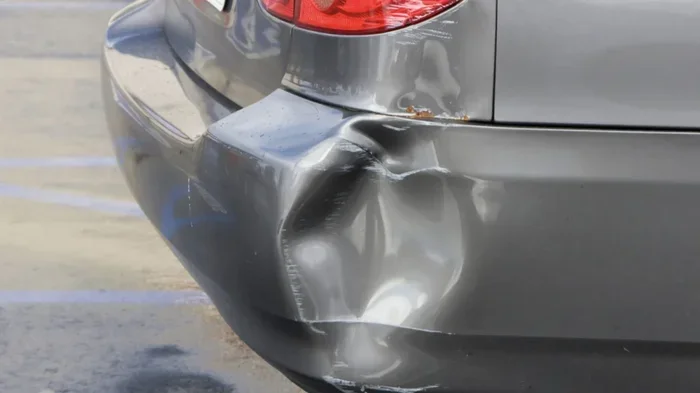
This is the most common range for fender bender damage. At 5 to 10 mph, most bumpers will show visible dents. The plastic absorbs some impact but still deforms. This speed range covers most low-speed parking lot accidents and minor rear-end collisions. Many drivers experience bumper damage in this range without even realizing how slow they were going.
10 to 20 mph
Between 10 and 20 mph, the damage becomes more serious. Deep dents are common. The bumper might crack or tear. The collision force at this speed is enough to damage the bumper absorbers and sensors behind the bumper panel. At 20 mph, a side impact damage scenario can also affect the doors and body panels near the bumper.
Over 20 mph
Above 20 mph, bumper damage is almost guaranteed. The structural integrity of the bumper is compromised. You might also see damage to the frame, lights, and exhaust system. At these speeds, a car accident speed assessment becomes critical for insurance and safety reasons. Always get a professional inspection after any collision above 20 mph.
Bumper Material Matters
Not all bumpers are created equal. The material your bumper is made from plays a huge role in how easily it dents. Understanding bumper material helps you predict damage and choose the right repair method.
Plastic Bumpers
Most modern cars use plastic bumpers. They are lightweight, flexible, and designed to absorb impact. But plastic dents more easily than metal. Common plastics used in bumpers include polypropylene and ABS (acrylonitrile butadiene styrene). These materials are great for low-speed impacts. But they deform under pressure and hold the dent shape.
A plastic bumper can dent at speeds as low as 3 to 5 mph if the impact is direct. The good news is that plastic bumpers are also easier and cheaper to repair. Paintless dent repair works well on plastic surfaces because the material can often be pushed back into shape.
Metal Bumpers
Older vehicles and some trucks still use metal bumpers. Steel and aluminum are much harder to dent. You usually need higher speeds to damage a metal bumper. But when a metal bumper does dent, the repair is more expensive and complex. Metal does not flex the way plastic does, so the force transfers deeper into the vehicle structure.
Bumper Covers and Reinforcements
Many modern bumpers have a bumper cover over a foam or energy-absorbing core. The cover is what you see. The core is what does the work. When you get a dent, it is usually in the cover. But the core might also be compressed, even if you cannot see it. This hidden damage is why a visual inspection is not always enough after an accident.
| Bumper Type | Dent Risk at 5 mph | Dent Risk at 15 mph | Repair Difficulty |
|---|---|---|---|
| Plastic Cover | High | Very High | Easy to Moderate |
| Metal Bumper | Low | Moderate | Difficult |
| Composite | Moderate | High | Moderate |
| Foam-Core with Cover | Moderate | High | Easy to Moderate |
Common Situations That Dent Bumpers
Bumper dents do not only happen in crashes. Many everyday situations can leave your bumper looking dented. Knowing these common causes helps you protect your vehicle.
Parking Lot Mishaps
Parking lots are the number one spot for bumper damage. Tight spaces, distracted drivers, and shopping carts all contribute. You might be going just 3 mph and still clip another car or a concrete post. These low-speed incidents cause the most parking lot dent scenarios because drivers underestimate how easily plastic deforms.
Driveway and Garage Scrapes
Backing into a garage too fast, hitting a curb while pulling in, or scraping a concrete driveway lip can all dent a bumper. These happen at very low speeds but the hard surfaces make them damaging. A front bumper dent from a driveway scrape is one of the most common types of bumper damage we see.
Low-Speed Rear-End Collisions
Even at 5 mph, a rear-end collision can dent your bumper. The force transfers through the frame directly into the rear bumper. In many cases, the other driver might not even realize they caused damage because the speed felt so low. But speed and damage do not always correlate the way people think.
Road Debris and Environmental Hazards
Stones kicked up by other vehicles, falling branches, and even hail can dent a bumper. These incidents happen at various speeds and are often unavoidable. A rock hitting your bumper at highway speed can cause a deep dent. Hail can create multiple small dents across the entire bumper surface.
Shopping Cart and Stray Object Damage
This one is more common than you think. A shopping cart rolling into your bumper in a parking lot can leave a dent at essentially zero vehicle speed. The cart has its own momentum and the hard plastic or metal wheels concentrate force on a small area of your bumper. Always try to park away from cart corrals when you can.
How to Fix a Dented Bumper
A dented bumper does not mean you need a full auto body shop visit. There are several repair options depending on the severity of the dent. Let us look at what works best.
Paintless Dent Repair
Paintless dent repair is the go-to method for most bumper dents. A technician uses specialized tools to push the dent out from behind the panel. This method works best on plastic bumpers. It preserves the original paint and costs significantly less than traditional repair. Most small to medium dents can be fixed this way in under an hour.
Bumper Pull and Glue Techniques
For dents that cannot be accessed from behind, technicians use glue pulls. A small tab is glued to the dent surface. Then a pull tool gently draws the dent back to its original shape. This method is effective and does not require repainting. It is a popular choice for car dent removal at many local repair shops.
Traditional Repair and Repainting
Severe dents with cracks or paint damage need traditional repair. This involves filling, sanding, priming, and repainting the affected area. It takes longer and costs more. But it provides a durable, long-lasting fix. This method is necessary when the bumper material is compromised or when sensors and lights are damaged.
DIY Options for Minor Dents
For very minor dents, you can try DIY methods at home. A plunger, hot water, or a dent pull kit might work on small, shallow dents. These methods work best on plastic bumpers and small dents without paint damage. They are not a substitute for professional repair but can buy you time until you visit a shop.
When to See a Professional
Not every bumper dent needs professional attention. But some situations require expert help. Knowing when to visit an auto body shop saves you time and money in the long run.
Signs You Need Professional Repair
Watch for these warning signs after a bumper impact:
- Cracks or splits in the bumper surface
- Sensor or camera malfunction after an impact
- Paint damage exposing the underlying material
- Dents deeper than half an inch
- Loose or misaligned bumper panels
- Discoloration or heat damage from friction
Insurance and Cost Considerations
Many people wonder if car insurance claim filing is worth it for bumper damage. The answer depends on the severity. Minor dents might cost $150 to $400 for repair. More serious damage can run $500 to $1,500 or more. If the cost exceeds your deductible, filing a claim makes sense. Most collision and comprehensive policies cover bumper dents from accidents. Check with your provider to understand your coverage.
Preventing Future Bumper Dents
Prevention is always better than repair. Here are some practical tips to reduce your risk of bumper damage:
- Park away from high-traffic areas and cart corrals
- Use parking sensors or backup cameras
- Install bumper guards or covers for extra protection
- Drive slowly in parking lots and residential areas
- Maintain a safe following distance to avoid rear-end collisions
- Inspect your bumper regularly for existing damage that could worsen
How Speed and Damage Are Measured
Understanding the relationship between speed and damage requires knowing a bit about force and energy. Force equals mass times acceleration. In simple terms, the heavier the vehicle and the faster it moves, the more force is generated on impact. This is why a heavy truck at 10 mph can cause more bumper damage than a light car at 15 mph.
Crash test data from organizations like the Insurance Institute for Highway Safety gives us real-world numbers. Most bumper damage tests use speeds between 5 and 15 mph. These tests show that modern bumpers are designed to withstand low-speed impacts without visible damage. But real-world conditions are messier than controlled tests. Angles, surface types, and vehicle age all affect outcomes.
The collision force at 10 mph is roughly equivalent to dropping your car from about 1.5 feet. That might not sound like much. But concentrated on the small area of a bumper contact point, that force is more than enough to deform plastic and leave a dent.
Key Takeaways
- Low speeds can cause dents: Even 5 mph impacts can dent a bumper, especially on older or plastic bumpers.
- Bumper material affects dent risk: Plastic bumpers dent more easily than metal ones.
- Angle and point of contact matter: A direct hit causes more damage than a glancing blow.
- Parking lot dents are common: Many bumper dents happen at very low speeds in parking lots.
- Paintless dent repair works well: This affordable method fixes many bumper dents without repainting.
- Insurance may cover the cost: Minor bumper damage might be covered under collision or comprehensive coverage.
- Speed is not the only factor: Vehicle weight, bumper age, and impact location all play a role.
Conclusion
So, how fast do you have to be going to dent a car bumper? The honest answer is, faster than you think. As little as 5 mph can be enough, especially with plastic bumpers and direct impacts. The good news is that most bumper dents are repairable. Whether it is a parking lot dent or a low-speed collision, you have options from paintless dent repair to professional vehicle body repair.
Understanding what causes bumper dents helps you prevent them and respond better when they happen. Check your bumper regularly. Park smart. Drive cautiously. And if you do find a dent, do not ignore it. Even small dents can lead to bigger problems like rust or sensor damage if left untreated.
Take care of your vehicle, and it will take care of you. A little attention goes a long way when it comes to keeping your bumper in great shape.
Frequently Asked Questions
Can a bumper dent at 5 mph?
Yes, a bumper can dent at 5 mph, especially if the bumper is plastic and the impact is direct. Older vehicles with worn bumpers are even more vulnerable at this speed. The object being hit also matters. A hard surface like concrete makes a dent at 5 mph much more likely than a soft surface like a foam block.
What is the best repair method for a dented bumper?
Paintless dent repair is the best option for most bumper dents. It is fast, affordable, and preserves the original paint. For more severe dents with cracks or paint damage, traditional repair with repainting may be needed. A professional at an auto body shop can assess which method works best for your specific damage.
Will insurance cover a bumper dent?
It depends on your policy and the cause of the damage. Most collision and comprehensive coverage plans cover bumper dents from accidents. If the repair cost exceeds your deductible, filing a claim is usually worthwhile. Check with your insurance provider to understand your specific coverage details before making a decision.
How much does it cost to repair a dented bumper?
Minor bumper dents typically cost between $150 and $400 for paintless dent repair. More severe damage requiring repainting can range from $500 to $1,500 or more. The cost depends on the bumper material, dent size, and location of the damage. Getting a quote from a local auto body shop is always a good first step.
Do metal bumpers dent more easily than plastic ones?
Actually, the opposite is true. Plastic bumpers dent more easily than metal bumpers. Metal is much harder and requires higher speeds or greater force to dent. However, metal bumper repairs are more expensive and complex. Plastic bumpers are designed to absorb impact, which means they sacrifice their shape to protect the vehicle structure.
Can a shopping cart dent a car bumper?
Yes, a shopping cart can absolutely dent a car bumper. The cart gains momentum as it rolls, and the hard wheels concentrate force on a small area of the bumper. This can happen even if your car is parked and stationary. The damage often looks worse than it is, but it is still worth getting checked and repaired to prevent rust or further deterioration.