How Do You Know If You Need Power Steering Fluid Now
Knowing when your car needs power steering fluid can save you from costly repairs and dangerous driving. If your steering wheel feels stiff, makes whining noises, or the fluid looks dark and dirty, it is time to check your levels. This guide walks you through every sign, check, and fix so you can stay safe on the road.
Have you ever turned your steering wheel and felt it resist? Or maybe you heard a weird whining sound every time you parked the car. These are not small annoyances. They are your vehicle telling you something important.
Your car’s power steering fluid plays a huge role in making driving easy and safe. Without enough of it, turning the wheel can feel like wrestling a steering column made of concrete. More than that, low fluid can cause serious damage to parts that cost hundreds or even thousands of dollars to replace.
In this article, we will walk you through every sign that your car needs power steering fluid. We will cover how to check the fluid yourself, what happens when levels drop, and how to fix common problems. By the end, you will know exactly what to look for and how to keep your steering system running smoothly.
Key Takeaways
- Hard steering is a red flag: If your steering wheel feels stiff or heavy, low power steering fluid may be the cause.
- Strange noises mean trouble: Whining or groaning sounds when you turn the wheel often point to low fluid or a failing pump.
- Check your fluid regularly: A simple monthly check can prevent expensive steering system damage.
- Fluid color matters: Fresh power steering fluid is clear or light amber, while dark brown fluid signals contamination.
- Leaks need immediate attention: Puddles under your car or a dropping fluid level mean you have a leak that must be fixed.
- Changing fluid on schedule keeps your system healthy: Most experts recommend a fluid change every 50,000 to 100,000 miles.
- Driving with low fluid can destroy expensive parts: The power steering pump and rack can fail fast without proper fluid levels.
📑 Table of Contents
- What Is Power Steering Fluid and Why Does It Matter?
- Warning Signs You Need Power Steering Fluid
- How to Check Your Power Steering Fluid Level
- What Happens When Power Steering Fluid Runs Low?
- When and How to Change Your Power Steering Fluid
- Common Power Steering Fluid Problems and How to Fix Them
- Quick Tips to Keep Your Power Steering System Healthy
- Expert Insights on Power Steering Fluid Maintenance
- Common Mistakes People Make with Power Steering Fluid
- Conclusion
What Is Power Steering Fluid and Why Does It Matter?
Power steering fluid is a special hydraulic fluid that helps your car steer easily. When you turn the steering wheel, this fluid transfers pressure from the pump to the steering rack or gear. That pressure is what makes your wheels turn without you needing huge arm strength.
Most modern cars use hydraulic power steering systems. These systems rely on a pump that pushes fluid through hoses and seals. When everything works right, you barely notice the system at all. You just turn the wheel and the car responds smoothly.
There are a few types of power steering fluid you might encounter. Some vehicles use conventional automatic transmission fluid, often labeled ATF. Others need specific synthetic power steering fluids. Always check your owner’s manual to find the right type for your car. Using the wrong fluid can damage seals and internal parts.
How the Power Steering System Works
The power steering system has several key parts. The power steering pump creates pressure. The fluid reservoir holds the liquid. Hoses carry the fluid to the steering rack or gear. When you turn the wheel, the pump pushes fluid into the rack, which pushes the wheels in the right direction.
Here is a simple breakdown of the main parts:
- Power steering pump: This pump moves fluid through the system. It runs whenever the engine is on.
- Fluid reservoir: This is the small tank where you add fluid. It usually sits near the engine and has a cap labeled “power steering.”
- Hoses and lines: These carry fluid from the pump to the steering gear and back.
- Steering rack or gear: This converts the fluid pressure into movement that turns the wheels.
- Seals and O-rings: These keep fluid from leaking out of the system.
When any part of this system fails, your steering suffers. And the most common cause of failure is low or dirty power steering fluid.
Warning Signs You Need Power Steering Fluid
Your car gives you plenty of warning signs before a steering problem becomes a serious repair. The key is knowing what to look for. Here are the most common signs that your power steering fluid level is low or the fluid needs changing.
1. Steering Wheel Becomes Hard to Turn
This is the number one sign that something is wrong with your power steering fluid. If you notice the steering wheel feeling stiff or heavy, especially at low speeds or when parking, your fluid level may be too low.
When the fluid level drops, the pump cannot create enough pressure to assist your steering. You will feel more resistance in the wheel. In older cars without power steering, this is normal. But in a modern vehicle, a hard steering wheel means trouble.
Pay attention to when it happens. Does the steering feel stiff only when the car is cold? Does it get harder as you drive? These details help you and your mechanic figure out the cause.
2. Whining or Groaning Noises When Turning
Unusual sounds are one of the clearest signs of a power steering fluid problem. If you hear a whining noise when you turn the wheel, the pump is likely struggling. It is not getting enough fluid, so it works harder and makes noise.
Groaning sounds are similar but deeper. They often happen when you turn the wheel all the way to one side and hold it there. This stretches the system and starves the pump of fluid.
Do not ignore these sounds. A whining pump can quickly turn into a failed pump, and replacing a power steering pump is expensive. Catching the problem early saves you money.
3. Fluid Leaks Under Your Car
If you see a puddle under your car, especially near the front, it could be a power steering leak. The fluid is usually clear, amber, or reddish in color. It may feel slippery and have a slightly oily texture.
Check your parking spot regularly. A small drip today can become a major leak tomorrow. Power steering fluid leaks often come from worn hoses, loose fittings, or damaged seals on the steering rack.
Even a small leak will cause your fluid level to drop over time. And once the level drops too low, air enters the system. This creates foam in the fluid and causes even more damage.
4. Steering Wheel Vibrates or Shakes
A vibrating steering wheel is another warning sign. If the wheel shakes when you turn it, the power steering fluid level might be low. Air bubbles in the system can also cause vibration.
Sometimes the vibration only happens at certain speeds or when turning sharply. Other times it is constant. Either way, it is worth checking your fluid level and looking for leaks.
5. Fluid Looks Dark or Burnt
Fresh power steering fluid is usually clear, light amber, or pinkish. Over time, the fluid breaks down and darkens. If you check your fluid and it looks dark brown or black, it is time for a change.
Burnt or contaminated fluid does not lubricate properly. It can cause wear on the pump, seals, and steering rack. Dark fluid also means the fluid has lost its effectiveness, and your steering system is not getting the protection it needs.
6. Steering Feels Sloppy or Loose
On the other end of the spectrum, some steering problems feel like too much play. If the steering wheel feels loose or sloppy, air may have entered the system through a low fluid level. This reduces the hydraulic pressure that keeps your steering precise.
You might notice the car drifting or the wheel not returning to center properly after a turn. These are signs that your power steering system needs attention.
How to Check Your Power Steering Fluid Level
Checking your power steering fluid is one of the easiest maintenance tasks you can do. You do not need to be a mechanic. With a few simple steps, you can check the level and condition of your fluid in just a few minutes.
Step-by-Step Guide to Checking Fluid
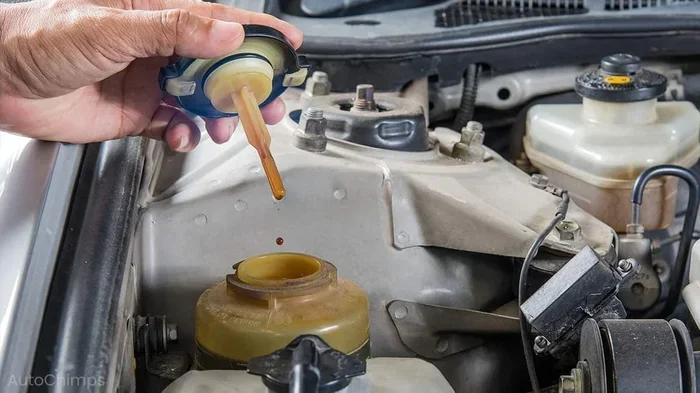
- Find the reservoir: Open your car’s hood and look for a small tank labeled “power steering” or “PS.” It is usually near the front of the engine bay.
- Check the fluid level: Most reservoirs have markings on the side showing “MIN” and “MAX.” The fluid should be between these lines. If it is below the MIN line, you need to add fluid.
- Look at the color: Fresh fluid should be clear or light amber. Dark brown or black fluid needs to be changed.
- Check for leaks: Look around the reservoir, hoses, and connections for any wet spots or drips.
- Smell the fluid: Burnt or acrid smells indicate the fluid has broken down and needs replacement.
When to Check the Fluid
Make it a habit to check your power steering fluid at least once a month. You should also check it before long road trips. The fluid level can drop slowly over time, especially if you have a small leak that is hard to notice at first.
Hot weather and frequent driving can cause fluid to break down faster. If you drive in stop-and-go traffic a lot, you might want to check more often. Your owner’s manual will give you the best guidance for your specific vehicle.
What Happens When Power Steering Fluid Runs Low?
Driving with low power steering fluid is not just uncomfortable. It can cause real damage to your steering system. Here is what happens when fluid levels drop too low.
Pump Overheating and Failure
The power steering pump relies on fluid to stay cool and lubricated. When fluid is low, the pump runs dry or with insufficient lubrication. This causes overheating, increased wear, and eventually pump failure.
A failed pump will make loud whining noises, and eventually the steering assist will stop working entirely. Replacing a power steering pump can cost anywhere from $400 to $800 or more, depending on your vehicle.
Damage to the Steering Rack
Low fluid also affects the steering rack or gear. Without proper hydraulic pressure, the internal components wear faster. Metal particles can contaminate the fluid, creating a cycle of damage that gets worse over time.
Repairing or replacing a power steering rack is one of the most expensive steering repairs. Costs can range from $1,000 to $3,000 or more. Keeping your fluid at the right level is a much cheaper way to protect this component.
Safety Risks on the Road
Beyond the mechanical damage, low fluid creates safety risks. If your steering assist fails while driving, the wheel becomes suddenly very hard to turn. This is especially dangerous at low speeds, in parking lots, or during emergency maneuvers.
Even a brief moment of heavy steering can cause you to lose control. This is why regular vehicle maintenance and fluid checks are so important. A few minutes of checking can prevent dangerous situations on the road.
When and How to Change Your Power Steering Fluid
Changing your power steering fluid is an important part of routine vehicle maintenance. Over time, fluid breaks down and picks up contaminants. Fresh fluid keeps the system running smoothly and extends the life of your steering components.
How Often Should You Change the Fluid?
Most manufacturers recommend changing power steering fluid every 50,000 to 100,000 miles. However, this can vary based on your driving conditions. If you drive in extreme heat, tow heavy loads, or do a lot of stop-and-go driving, you may need to change it more often.
Check your owner’s manual for the specific interval for your vehicle. Some cars have “lifetime” fluid, but even those benefit from periodic checks and top-offs.
How to Change Power Steering Fluid
If you are comfortable working on your car, you can change the fluid yourself. Here is the basic process:
- Raise the front of the car: Use a jack and jack stands or drive the front wheels onto ramps.
- Locate the return hose: This is the hose that carries fluid back from the steering rack to the reservoir.
- Disconnect the hose and route it into a drain pan: Have someone turn the steering wheel back and forth while you catch the old fluid.
- Refill the reservoir with fresh fluid: Keep adding fluid as the system empties. Continue until the fluid runs clear.
- Bleed the system: Turn the wheel lock to lock several times to remove air bubbles. Check the fluid level again and top off.
If this sounds too involved, a mechanic can do the job for you. Many shops offer power steering fluid changes as part of a routine maintenance service.
Common Power Steering Fluid Problems and How to Fix Them
Even with regular maintenance, power steering fluid problems can still happen. Here are the most common issues and what you can do about them.
Air in the System
Air bubbles in the power steering fluid cause spongy steering and whining noises. Air usually enters through a leak in the system. Fix the leak first, then bleed the system to remove the air.
To bleed the system, turn the wheel lock to lock several times with the engine running. Check the fluid level frequently and top off as needed. The whining noise should fade as the air escapes.
Contaminated Fluid
Over time, power steering fluid picks up dirt, metal particles, and rubber debris from seals and hoses. This contaminated fluid does not lubricate properly and can wear out internal parts faster.
The fix is simple: drain the old fluid and refill with fresh fluid. If the contamination is severe, you may want to flush the entire system to remove all the old fluid and debris.
Wrong Fluid Type
Using the wrong type of fluid can cause seals to swell, crack, or leak. Always use the fluid type specified in your owner’s manual. If you are not sure, check with your dealership or a trusted mechanic.
Worn Seals and Hoses
Rubber seals and hoses wear out over time. When they crack or deteriorate, fluid leaks out and air gets in. Inspect your hoses regularly and replace any that show signs of cracking or swelling.
Replacing a hose is usually inexpensive and straightforward. Replacing a seal on the steering rack is more involved but still much cheaper than replacing the entire rack.
Overheating from Heavy Use
If you turn the steering wheel lock to lock repeatedly for long periods, you can overheat the power steering fluid. This is common when parallel parking in tight spaces or turning a steering wheel that is already at its limit.
Let the system cool down if you notice whining noises during heavy steering. Give yourself a break between sharp turns to let the fluid circulate and cool.
Quick Tips to Keep Your Power Steering System Healthy
Taking care of your power steering fluid does not take much effort. A few simple habits can keep your steering system in great shape for years.
- Check fluid levels monthly: A quick glance at the reservoir takes less than a minute and can catch problems early.
- Use the right fluid type: Always match the fluid to what your owner’s manual recommends.
- Fix leaks immediately: Even a small drip can lead to low fluid levels and pump damage.
- Avoid holding the wheel at full lock: This stresses the pump and overheats the fluid.
- Change fluid on schedule: Do not skip fluid changes even if the fluid looks okay. Contamination happens below the surface.
- Listen to your car: Unusual noises, stiffness, or vibrations are early warning signs. Address them quickly.
Expert Insights on Power Steering Fluid Maintenance
Experienced mechanics agree that power steering fluid maintenance is one of the most overlooked parts of vehicle maintenance. Many drivers only think about their steering system when something goes wrong.
“I see cars come into the shop every week with steering problems caused by low or dirty fluid,” says a longtime auto technician. “Most of these repairs could have been prevented with a simple fluid check and change. It is one of the cheapest forms of car maintenance there is.”
The cost of checking and changing power steering fluid is minimal compared to the cost of replacing a pump or steering rack. A fluid change might cost $50 to $150 at a shop. A new pump can cost $400 to $800. A new steering rack can cost over $1,000. The math is clear.
Regular maintenance also keeps your car running more smoothly overall. When the steering system works well, you have better control of the vehicle. This means safer driving for you and everyone around you.
Common Mistakes People Make with Power Steering Fluid
Even well-meaning car owners can make mistakes when it comes to power steering fluid. Here are some common errors to avoid.
- Ignoring warning signs: Thinking a little whining noise will go away on its own is a dangerous assumption. It rarely does.
- Topping off with the wrong fluid: Mixing fluid types can damage seals and create bigger problems.
- Overfilling the reservoir: Too much fluid can cause foaming and pressure issues. Always stay between the MIN and MAX marks.
- Neglecting leaks: A small leak today becomes a big repair tomorrow. Always address leaks promptly.
- Skipping scheduled fluid changes: Even if the fluid looks fine, it breaks down over time and loses its effectiveness.
Avoiding these mistakes will help your steering system last longer and perform better. It also keeps you safer on the road.
Conclusion
Your car’s power steering fluid is essential for smooth, safe, and easy steering. Now you know the warning signs to watch for, how to check the fluid yourself, and what to do when problems arise. From hard steering wheels to strange noises, your car gives you plenty of signals when power steering fluid is low or contaminated.
The best approach is prevention. Check your fluid regularly, use the right type, and change it on schedule. These simple steps protect your steering system and save you from expensive repairs. They also keep you safe every time you get behind the wheel.
Do not wait until your steering feels heavy or your car starts making scary noises. Take a few minutes today to check your power steering fluid level. It is one of the easiest and most impactful things you can do for your car’s health and your safety on the road.
Stay proactive with your steering maintenance, and your car will reward you with smooth, responsive handling for miles to come.
Frequently Asked Questions
Can I drive my car if the power steering fluid is low?
You can drive short distances, but it is not recommended. Low fluid causes the pump to work harder, which can lead to overheating and permanent damage. You will also experience heavy steering, which is dangerous in emergency situations. Top off the fluid or get it checked as soon as possible.
How much does it cost to replace power steering fluid?
A fluid change typically costs between $50 and $150 at a repair shop. If you do it yourself, the cost is just the price of the fluid, which is usually $10 to $30. This is a very affordable maintenance task compared to the cost of repairing a damaged pump or steering rack.
What color should power steering fluid be?
Fresh power steering fluid is usually clear, light amber, or pinkish. If the fluid looks dark brown or black, it has broken down and needs to be changed. Any burnt smell or visible debris in the fluid also indicates it is time for a replacement.
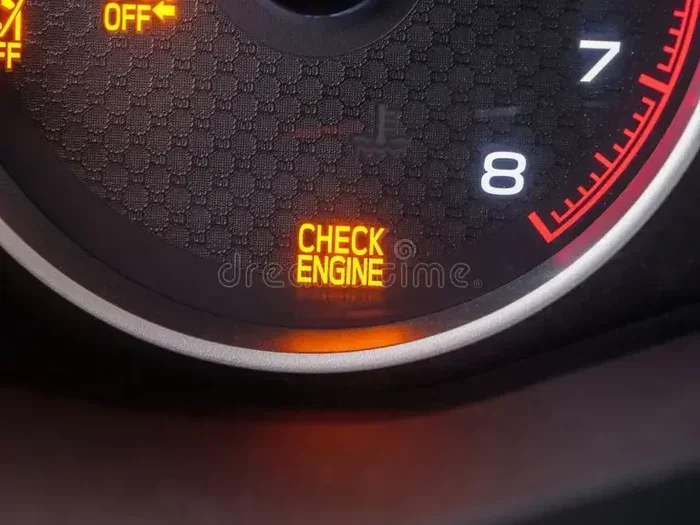
Can low power steering fluid cause the check engine light to come on?
Low power steering fluid does not usually trigger the check engine light directly. However, if the power steering pump struggles or the system pressure drops significantly, it may activate a warning light on the dashboard. Some vehicles have a dedicated power steering warning light instead.
How do I know if my power steering fluid is leaking?
Look for puddles under your car, especially near the front. Power steering fluid is usually clear, amber, or reddish and feels slippery. You may also notice a dropping fluid level in the reservoir, whining noises, or a stiff steering wheel. Check the hoses, connections, and seals for wet spots.
Is power steering fluid the same as transmission fluid?
Sometimes, but not always. Some vehicles use automatic transmission fluid (ATF) as their power steering fluid. However, many modern cars require specific synthetic power steering fluids. Always check your owner’s manual to confirm the correct fluid type for your vehicle. Using the wrong fluid can damage seals and internal components.