How Do You Get Pop Out of a Car Without the Headache
Getting a pop out of a car doesn’t have to be stressful. This guide walks you through every step of removing a flat tire, swapping in a spare, and handling roadside emergencies like a pro. You’ll learn the right tools, common mistakes to avoid, and quick fixes that save time and money.
There’s nothing quite like the sound of a loud pop while you’re driving. One moment you’re cruising along, and the next thing you know, your car is pulling to one side. A pop out of a car tire is one of those things that catches you off guard. But here’s the good news — handling it doesn’t have to be a headache.
Whether you’re dealing with a flat tire on the highway or a slow leak in your driveway, knowing what to do makes all the difference. This guide breaks down everything you need to handle a popped tire situation with confidence. We’ll cover the tools you need, the steps to follow, and the mistakes most people make.
By the end of this article, you’ll know exactly how to deal with a tire blowout or flat tire without panicking. You’ll also learn some prevention tips that keep you from finding yourself in this situation again. Let’s dive in.
Key Takeaways
- Know your tools: A jack, lug wrench, and spare tire are essential for every driver.
- Safety first: Always pull over to a flat, stable surface before attempting any tire work.
- Check tire pressure regularly: Prevention is the best way to avoid a pop while driving.
- Don’t skip the spare tire check: A flat spare defeats the purpose of having one.
- Tire sealants work in a pinch: They’re not a permanent fix but can get you to a shop.
- Call for help when needed: Roadside assistance exists for a reason — use it.
- Practice makes perfect: Changing a tire in your driveway is better than learning on the side of the road.
📑 Table of Contents
- What Does It Mean When You Get a Pop Out of a Car?
- What You Need in Your Emergency Roadside Kit
- Step-by-Step: How to Get a Pop Out of a Car
- Quick Tips for a Smooth Tire Change
- Common Mistakes People Make When Handling a Pop Out of a Car
- When to Call Roadside Assistance Instead
- Preventing a Pop Out of a Car in the Future
- Comparison: Spare Tire Options
- Expert Insights on Handling a Popped Tire
- Key Takeaways
- Conclusion
What Does It Mean When You Get a Pop Out of a Car?
A pop out of a car usually means your tire has lost air quickly. This can happen for many reasons. A sharp object like a nail or screw can puncture the tire. Sometimes the tire sidewall gets damaged from hitting a pothole or curb. In other cases, the tire simply wears out over time and fails.
When a tire pops, you’ll often hear a loud bang or hissing sound. The car will start to pull toward the flat side. Your steering might feel heavy or unresponsive. These are clear signs that you need to stop and address the issue right away.
Common Causes of a Popped Tire
Understanding why tires pop helps you prevent it from happening. Here are the most common culprits:
- Underinflated tires: Low tire pressure causes excessive flexing, which leads to overheating and blowouts.
- Punctures from road debris: Nails, screws, glass, and sharp rocks are everywhere on the road.
- Worn tread: Old tires with little remaining tread depth are much more prone to failure.
- Overloading the vehicle: Too much weight puts extra stress on your tires.
- Sidewall damage: Hitting a pothole or parking curb can damage the sidewall and cause a slow leak or sudden blowout.
- Valve stem leaks: A damaged valve stem lets air seep out slowly over time.
- Age and deterioration: Tires degrade even if they look fine. Rubber hardens and cracks over time.
What You Need in Your Emergency Roadside Kit
Before anything goes wrong, you should have the right tools ready. A well-stocked emergency roadside kit is your best friend when a pop out of a car happens. Here’s what every driver should keep in their trunk.
Essential Tools for Tire Changes
You don’t need a garage full of equipment. A few key items handle most situations:
- Car jack: A hydraulic or scissor jack lifts your vehicle off the ground.
- Lug wrench: This tool loosens and tightens the wheel lug nuts that hold your tire in place.
- Spare tire: Most cars come with a donut spare or a full-size spare. Check yours regularly.
- Tire pressure gauge: This small tool checks your tire inflation levels accurately.
- Flashlight: A working flashlight helps if your tire goes flat at night.
- Reflective triangles or flares: These alert other drivers to your presence on the road.
- Gloves: Protect your hands from dirt and sharp edges.
- Tire sealant or plug kit: These provide a temporary fix for small punctures.
Optional but Helpful Additions
These items make the whole process smoother and safer:
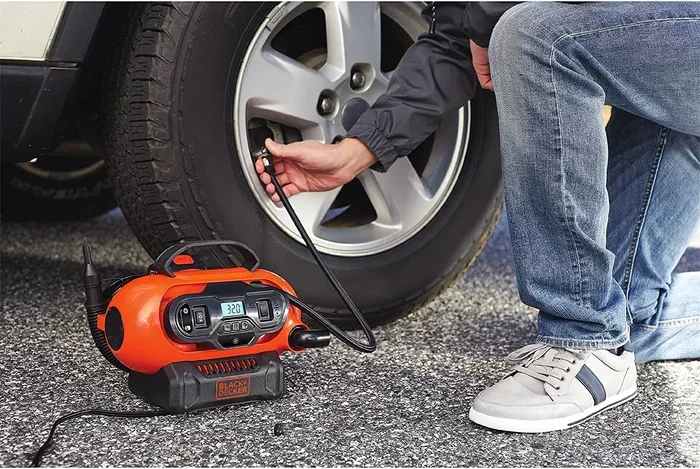
- A portable air compressor for inflating a slightly low tire.
- A rain poncho to keep you dry in bad weather.
- A small mat to kneel on if the ground is wet or dirty.
- A phone charger to keep your device powered for calling roadside assistance.
- A basic tire repair kit with plugs and adhesive.
Step-by-Step: How to Get a Pop Out of a Car
Now let’s walk through the actual process. Changing a flat tire is a skill every driver should know. Follow these steps carefully and you’ll be back on the road in no time.
Step 1: Find a Safe Spot
The first thing you need to do is pull over safely. Look for a flat, stable surface away from traffic. Avoid soft ground or steep inclines. Turn on your hazard lights immediately. If you have reflective triangles, place them behind your car to warn approaching drivers.
Engage your parking brake before you do anything else. This prevents the car from rolling while you work. Put the car in park (or first gear if it’s a manual).
Step 2: Gather Your Tools
Get your car jack, lug wrench, and spare tire out of the trunk. Lay them out near the flat tire so you can reach them easily. Remove any hubcap or wheel cover if your car has one. Most hubcaps pop off with the flat end of your lug wrench.
Step 3: Loosen the Lug Nuts
This is a step many people get wrong. You need to loosen the wheel lug nuts before you lift the car. Use the lug wrench to turn each nut counterclockwise. Don’t remove them completely yet — just break the resistance. You may need to use your body weight on the wrench if they’re tight.
Loosen them in a star pattern rather than going in a circle. This keeps the tire from wobbling unevenly.
Step 4: Jack Up the Car
Place the jack under the vehicle’s designated jack point. Check your owner’s manual to find the right spot. Never put a jack under the floor pan or a plastic body panel — it can damage your car.
Turn the jack handle to lift the vehicle until the flat tire is about six inches off the ground. Make sure the jack is stable and the car isn’t leaning.
Step 5: Remove the Flat Tire
Now fully unscrew the lug nuts and keep them somewhere safe — a pocket or a small bowl works great. Pull the flat tire straight toward you to remove it. Set it aside flat on the ground so it doesn’t roll away.
Step 6: Mount the Spare Tire
Lift the spare tire onto the hub. Align the holes in the spare with the bolts on the wheel. Push gently until the bolts show through the holes. Hand-tighten the lug nuts as much as you can before lowering the car.
Step 7: Lower the Car and Tighten Fully
Use the jack to lower the car until the spare tire touches the ground but isn’t bearing the full weight. Then tighten the lug nuts firmly with the wrench. Again, use the star pattern for even pressure. Lower the car completely and give the nuts one final tighten.
Step 8: Check Your Spare Tire Pressure
Don’t drive away without checking the spare’s tire pressure. A donut spare usually needs about 60 PSI. If it’s low, you’ll need to inflate it before driving. Use a portable air compressor or find a gas station with an air pump.
Quick Tips for a Smooth Tire Change
Here are some practical tips that make the whole process easier and safer:
- Practice at home: Changing a tire in your driveway builds confidence for real emergencies.
- Don’t fully remove lug nuts before jacking: The tire will spin freely and you won’t be able to loosen them.
- Use your foot on the wrench: For really tight nuts, step on the wrench arm for extra leverage.
- Keep a flashlight in your trunk: Many flats happen at night or in low-light conditions.
- Take photos of your lug nuts: This helps if you ever need to reference how they were installed.
- Drive slowly on the spare: Most donut spares are rated for no more than 50 miles per hour and should not be driven more than 50-70 miles.
Common Mistakes People Make When Handling a Pop Out of a Car
Even with the best intentions, people make mistakes during a tire change. Here are the most common ones and how to avoid them.
Skipping the Parking Brake
This is dangerous. If you don’t engage the parking brake, the car can roll while you’re underneath it or while you’re tightening the lug nuts. Always set it first, every single time.
Jacking on Soft Ground
A jack sinks into soft soil, grass, or gravel. This can cause the car to shift or fall. Place a flat board, thick plywood, or even a brick under the jack for stability.
Not Tightening Lug Nuts Properly
Loose lug nuts are incredibly dangerous. The wheel can come off while driving. Always use a torque wrench to check that they’re tight enough. Most cars require between 80 and 100 foot-pounds of torque.
Driving Too Long on a Donut Spare
A spare tire is a temporary solution, not a replacement. Driving long distances on a donut spare damages your drivetrain and handling. Get your flat tire repaired or replaced as soon as possible.
Ignoring the Tire Pressure Monitoring System
If your TPMS light comes on, don’t ignore it. This system alerts you to low tire pressure before it becomes a serious problem. Addressing low pressure early can prevent a full blowout.
When to Call Roadside Assistance Instead
Sometimes a pop out of a car is too much to handle on your own. Knowing when to call for help keeps you safe. Here are situations where you should skip the DIY approach:
- You don’t have a spare tire: Many newer cars don’t come with one. Check your trunk before you assume you’re prepared.
- The tire is damaged beyond repair: If the sidewall is torn or the puncture is large, a plug or sealant won’t work.
- You’re in an unsafe location: If you’re on a busy highway or in a dark, isolated area, stay in your car and call for help.
- You don’t have the right tools: Without a jack and lug wrench, you can’t safely change a tire.
- You feel unsafe or unsure: There’s no shame in calling roadside assistance. Professionals handle this every day.
Most insurance policies and car warranties include roadside assistance. Check yours before you need it. Services like AAA, Allstate, and many others offer 24/7 tire replacement and roadside repair coverage.
Preventing a Pop Out of a Car in the Future
The best way to deal with a flat tire is to avoid one altogether. Regular maintenance goes a long way toward keeping your tires in great shape.
Check Your Tire Pressure Monthly
Use a reliable tire gauge to check pressure at least once a month. The recommended PSI is listed on a sticker inside your driver’s door frame — not on the tire itself. The tire sidewall shows maximum pressure, not the pressure you should run daily.
Inspect Your Tires Regularly
Look for cracks, bulges, or objects embedded in the tread. A tire plug kit can temporarily fix small punctures, but it’s not a substitute for professional repair. Check your tread depth with the penny test — insert a penny into the tread with Lincoln’s head upside down. If you can see all of his head, it’s time for new tires.
Rotate Your Tires
Rotating your tires every 5,000 to 8,000 miles promotes even wear and extends their lifespan. Uneven wear leads to weak spots that are more likely to blow out.
Replace Old Tires
Tires degrade over time regardless of tread depth. Most manufacturers recommend replacing tires that are six years old or older. Check the DOT code on the sidewall to find the manufacture date.
Comparison: Spare Tire Options
Not all spare tires are created equal. Here’s a quick comparison of the most common options you might find in a vehicle.
| Spare Type | Pros | Cons |
|---|---|---|
| Donut Spare | Lightweight, easy to store, affordable | Limited speed and distance, not a permanent fix |
| Full-Size Spare | Can be driven long distances, same performance as regular tires | Heavy, takes up more trunk space |
| Run-Flat Tire | Can be driven 50+ miles after a puncture, no spare needed | Expensive, harder to repair, stiffer ride |
| Tire Sealant + Air Compressor | Compact, easy to use, good for small punctures | Not a permanent solution, limited to small holes |
Expert Insights on Handling a Popped Tire
We spoke with a certified automotive technician about the most important things drivers should know when dealing with a pop out of a car. Here’s what the expert had to say:
“The number one mistake I see is people trying to drive on a severely flat tire. Even a few hundred yards can ruin your rim and damage your suspension. Pull over safely and change the tire or call for help. Second, always check your spare before you need it. A flat spare is worse than no spare at all.”
The expert also emphasized the importance of knowing your vehicle’s specific jack points. Every car is different, and using the wrong jack point can crack the frame or damage the body. A few minutes with the owner’s manual can save you a lot of trouble.
Key Takeaways
- Always carry the right tools: A jack, lug wrench, and spare tire should be in every vehicle.
- Pull over safely before attempting any work: Your safety comes before the tire.
- Loosen lug nuts before jacking the car: This prevents the wheel from spinning freely.
- Tighten lug nuts in a star pattern: This ensures even pressure and a secure fit.
- Don’t rely on a donut spare long-term: Get your flat tire repaired or replaced promptly.
- Prevention is your best strategy: Regular tire checks and maintenance prevent most flats.
- Know when to call for help: Roadside assistance is there for your safety and convenience.
Conclusion
A pop out of a car doesn’t have to ruin your day. With the right tools, a little knowledge, and a calm approach, you can handle the situation like a pro. Whether you’re swapping in a spare tire or using a temporary sealant, the steps are straightforward once you know what to do.
Remember to stay safe first. Pull over to a stable location, engage your parking brake, and set up warning signals if you’re on the road. Use the tools in your emergency roadside kit and follow the steps carefully. And when in doubt, don’t hesitate to call roadside assistance for professional help.
Prevention plays a huge role too. Regular tire pressure checks, visual inspections, and timely tire replacements keep you from facing a flat tire surprise. A little maintenance today saves you from a major headache tomorrow.
Now that you know how to handle a popped tire like a seasoned driver, you can hit the road with confidence. Keep your emergency kit stocked, your tires maintained, and your spare ready. You’ll be glad you did the next time a pop out of a car catches you off guard.
Frequently Asked Questions
How long does it take to get a pop out of a car?
A tire change typically takes between 15 and 30 minutes if you have all your tools ready. If you’re unfamiliar with the process, it might take a bit longer the first time. Practicing at home helps speed things up significantly.
Can you drive on a popped tire?
No, you should not drive on a completely flat tire. Even a short distance can damage your rim and suspension. Pull over safely and either change the tire or call for roadside assistance. If the tire is only slightly low, you may be able to drive slowly to a nearby service station.
How much does it cost to repair a popped tire?
Most tire repairs cost between $15 and $30 for a simple plug or patch. However, if the sidewall is damaged or the puncture is large, you may need a full tire replacement, which can range from $100 to $300 or more depending on the tire type and size.
What’s the difference between a tire blowout and a slow leak?
A tire blowout happens suddenly and causes a rapid loss of air. A slow leak releases air gradually over days or weeks. Blowouts are more dangerous and require immediate attention. Slow leaks can often be repaired with a plug or sealant.
Do I need to replace all four tires if one pops?
Not necessarily. You only need to replace the damaged tire in most cases. However, if your other tires are worn or mismatched, it’s a good idea to replace them in pairs for even handling and traction.
Is a tire plug or tire patch better for a popped tire?
A combination plug-patch is the most reliable repair method. A plug alone works for small punctures in the tread area. A patch alone works best when applied from the inside. A professional repair shop can recommend the best option based on the location and size of the damage.