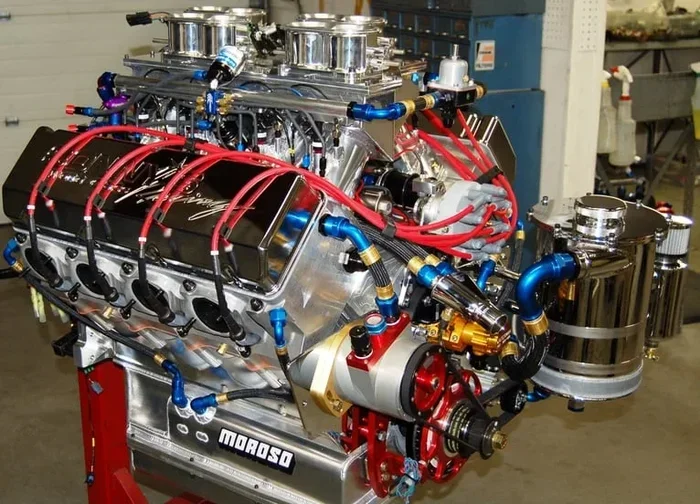
How Do I Upgrade My Vehicle for Improved Performance
Upgrading your vehicle can unlock better power, sharper handling, and a more enjoyable driving experience. Whether you want a simple cold air intake or a full engine rebuild, there are upgrades for every budget and skill level. This guide covers the best ways to upgrade my vehicle from engine to brakes to electronics. You will learn practical steps, common mistakes, and expert tips that actually work. Let us get your car running better than ever before.
Key Takeaways
- Start with the engine: Cold air intakes, exhaust headers, and ECU tuning deliver the biggest performance gains for most vehicles.
- Do not skip suspension upgrades: Better springs, shocks, and sway bars improve handling and make every upgrade feel more connected.
- Brakes matter as much as power: Upgraded brakes keep you safe when you add horsepower and speed to your ride.
- ECU tuning is a game changer: A proper engine tune unlocks hidden potential from your existing hardware.
- Set a budget and plan: Random upgrades without a strategy lead to wasted money and compatibility issues.
- Professional installation helps: Complex upgrades like forced induction and turbo kits benefit greatly from expert fitting.
📑 Table of Contents
- Why You Should Consider Upgrading Your Vehicle
- Engine and Power Upgrades
- Suspension and Handling Improvements
- Exhaust and Air Intake Modifications
- Braking System Upgrades
- Electronics and ECU Tuning
- Common Mistakes to Avoid When Upgrading
- Quick Tips for a Successful Vehicle Upgrade
- Expert Insights
- Conclusion
Why You Should Consider Upgrading Your Vehicle
Every car has untapped potential. When you buy a vehicle off the lot, manufacturers often dial it back for reliability, fuel economy, and emissions compliance. That means your car can likely do more than it is currently doing. Upgrading my vehicle is the process of unlocking that hidden capability.
People upgrade their cars for many reasons. Some want more horsepower and faster acceleration. Others care about better handling and cornering grip. Many drivers simply want a more engaging and fun driving experience. Whatever your reason, a thoughtful upgrade plan can deliver real results.
The key is knowing where to start. A random bolt-on here and there rarely works well. You need a strategy. This article will walk you through every major area of vehicle performance upgrade so you can build a plan that makes sense for your car and your goals.
Before you dive in, it helps to understand the basic systems that affect performance. Your engine produces power. Your transmission delivers it. Your suspension controls how the car handles. Your brakes keep you safe at higher speeds. And your electronics and engine management systems tie everything together. Each of these areas offers upgrade opportunities. We will explore them all in detail.
Engine and Power Upgrades
The engine is the heart of any vehicle. If you want more speed and acceleration, engine upgrades are where you should focus your attention. There are many ways to boost engine performance, from simple bolt-ons to full internal builds.
Cold Air Intake Systems
A cold air intake is one of the easiest and most affordable upgrades you can make. It replaces the factory airbox and filter with a high-flow intake that pulls in cooler, denser air. Cooler air contains more oxygen, which helps your engine burn fuel more efficiently.
Most cold air intake kits are simple to install. You typically need basic hand tools and about 30 to 60 minutes. The results include a better throttle response and a slightly louder engine sound. Some drivers report a small horsepower gain of 5 to 15 horsepower depending on the vehicle.
When choosing an intake, look for brands with good reviews and proven dyno results. Avoid cheap knockoff products that may use poor-quality filters. A good air intake upgrade sets a strong foundation for further engine modifications.
Exhaust Headers and Cat-Back Systems
The factory exhaust system is designed to be cheap and quiet, not fast. Replacing it with performance exhaust headers and a cat-back exhaust system can make a noticeable difference. Headers replace the restrictive factory manifold and allow exhaust gases to flow out more freely.
A cat-back exhaust replaces everything from the catalytic converter back. It typically includes larger diameter piping, high-flow mufflers, and performance resonators. The result is improved exhaust flow, a more aggressive sound, and sometimes a small horsepower bump.
For serious enthusiasts, long-tube headers paired with a high-flow catalytic converter offer the best gains. These upgrades work especially well when combined with an ECU tune or engine management modification. The combination of better intake and better exhaust is often called a “full breathing” setup.
Performance Chips and ECU Tuning
A performance chip or ECU tuning is one of the most effective ways to upgrade my vehicle‘s engine output. The factory ECU (Engine Control Unit) runs a conservative tune to protect the engine, meet emissions standards, and ensure reliability across all conditions.
A custom ECU tune adjusts fuel delivery, ignition timing, boost pressure (on turbocharged engines), and other parameters. This can unlock 10 to 30 or more horsepower in many cases. Some engine tuning shops can even tailor the tune to your specific modifications.
There are two main types of ECU upgrades. Plug-in tuners are easy to install and often reversible. They connect to the OBD-II port and flash a new tune to the factory ECU. Full custom tuning involves removing the ECU and having it professionally reprogrammed. Custom tunes cost more but offer better results for heavily modified engines.
Forced Induction: Turbo and Supercharger Kits
If you want serious power gains, forced induction is the way to go. A turbo upgrade or supercharger kit forces more air into the engine, allowing it to burn more fuel and produce significantly more horsepower.
Turbochargers use exhaust gases to spin a compressor. They are efficient and can deliver large power gains. Superchargers are belt-driven and provide instant throttle response. Both options can double or even triple your engine’s stock output when paired with supporting modifications.
However, forced induction is not a simple bolt-on job. You will likely need upgraded fuel injectors, a stronger fuel pump, upgraded cooling systems, and a custom tune. The total cost can be significant. But the results are undeniable. A well-built forced induction setup transforms how a vehicle feels and performs.
Suspension and Handling Improvements
Power means nothing if you cannot control it. A performance suspension upgrade gives you better grip, sharper steering response, and more confidence behind the wheel. This is especially important if you have added horsepower through engine mods.
Coilovers and Spring Upgrades
Coilovers are adjustable shock absorbers with coil springs integrated into one unit. They allow you to lower your vehicle and adjust the damping to suit your driving style. A lowering spring kit is a simpler and more budget-friendly option.
Lowering your car reduces its center of gravity, which reduces body roll during cornering. This means sharper turns and better overall handling. Coilovers give you even more control because you can adjust the ride height and firmness at each corner independently.
When choosing suspension parts, look for reputable brands that offer adjustability and durability. Cheap coilovers often have poor damping curves and can wear out quickly. Investing in quality suspension components pays off every time you get behind the wheel.
Sway Bars and Strut Tower Braces
Upgraded sway bars (also called anti-roll bars) reduce body roll in corners. They connect the left and right sides of the suspension and resist independent movement. When you turn hard, the outside suspension compresses while the inside extends. A thicker sway bar limits this difference, keeping the car flatter and more stable.
A strut tower brace is another simple but effective upgrade. It connects the two strut towers in the engine bay, reducing flex and improving steering response. These braces are especially popular in front-wheel-drive cars where chassis flex can be an issue.
Both upgrades are relatively affordable and easy to install. They work well together and complement other suspension modifications. Even on a budget, these parts can noticeably improve how your car feels on twisty roads.
Performance Tires and Wheels
Your tires are the only part of your car that touches the road. Upgrading to performance tires is one of the most impactful changes you can make. High-performance tires offer better grip, sharper cornering, and shorter braking distances.
Look for tires with a higher speed rating and a softer compound. Summer and all-season performance tires offer excellent grip for most driving conditions. If you track your car, dedicated summer tires will give you even more confidence.
Lighter wheels also help. Heavy factory wheels add unsprung weight, which hurts acceleration, braking, and handling. Switching to lightweight alloy or forged wheels improves the overall feel of the car. The combination of performance tires and lighter wheels is a win-win for any vehicle performance upgrade plan.
Exhaust and Air Intake Modifications
We touched on these in the engine section, but exhaust and intake upgrades deserve their own spotlight. These modifications are often the first steps in any vehicle performance upgrade journey.
High-Flow Catalytic Converters
The factory catalytic converter restricts exhaust flow to meet emissions standards. A high-flow catalytic converter uses a less restrictive design that still meets legal requirements in most areas. This simple swap can improve exhaust flow and add a few horsepower.
Make sure to check your local laws before installing any exhaust modification. In many states, removing or gutting the catalytic converter is illegal. A high-flow converter gives you the best of both worlds: improved performance and legal compliance.
Performance Air Filters
Replacing your factory paper air filter with a reusable performance air filter is another simple upgrade. Cotton gauze filters like those from K&N offer better airflow and can be cleaned and reused for the life of the vehicle.
These filters do not require any cutting or modification. They drop right into the factory airbox. The improved airflow helps the engine breathe better, especially at higher RPMs. It is a small change that makes a noticeable difference in throttle response.
Braking System Upgrades
When you add power, you need to be able to stop effectively. Upgraded brakes are essential for any performance build. Better stopping power keeps you safe and gives you confidence when pushing your car harder.
Performance Brake Pads
Upgraded brake pads are one of the easiest and most affordable brake upgrades. Performance pads use a compound that grips the rotor more aggressively, especially when hot. This means shorter stopping distances and more consistent braking under hard use.
There are different compounds for different needs. Street performance pads offer great stopping power with low noise and dust. Track-focused pads work best when very hot but can be noisy and dusty during everyday driving. Choose pads that match your driving style and conditions.
Big Brake Kits
A big brake kit (BBK) replaces your stock calipers, rotors, and sometimes pads with larger, more powerful units. These kits use larger rotors and multi-piston calipers to provide significantly more clamping force.
Big brake kits are especially effective on heavier vehicles or cars that have received significant horsepower upgrades. They reduce brake fade during sustained hard braking and give a firmer, more confident pedal feel.
Installation can be more involved than simply swapping pads. You may need to upgrade your wheels to accommodate larger rotors. But the improvement in braking performance is substantial and well worth the effort for serious enthusiasts.
Electronics and ECU Tuning
Modern vehicles are controlled by complex computer systems. Tuning these systems is one of the most powerful ways to upgrade my vehicle without changing any hardware at all.
What Is ECU Tuning?
The ECU controls everything from fuel injection timing to ignition spark to boost pressure. The factory tune is conservative because the manufacturer must account for poor fuel quality, extreme temperatures, and thousands of different driving conditions.
A custom ECU tune removes those conservative limits. It optimizes every parameter for your specific engine and driving conditions. This can result in smoother power delivery, better fuel economy, and significant horsepower gains.
Standalone Engine Management
For heavily modified engines, a standalone engine management system may be necessary. These systems replace the factory ECU entirely and give you complete control over every aspect of engine operation.
Standalone systems are more expensive and complex to set up. But they offer unmatched flexibility. You can fine-tune every parameter and adjust settings for different fuels, altitudes, and driving conditions. If you are building a serious performance car, standalone management is the way to go.
Boost Controllers
If your vehicle is turbocharged, a boost controller lets you adjust the amount of boost pressure the turbo produces. More boost means more power, but it must be done carefully. Too much boost without supporting modifications can damage your engine.
A boost controller is a relatively simple add-on that screws into the turbo system. Electronic boost controllers offer precise adjustments and are the preferred choice for serious enthusiasts. Always pair a boost controller with proper supporting mods like upgraded fuel injectors and an intercooler.
Common Mistakes to Avoid When Upgrading
Upgrading a vehicle is exciting, but mistakes can be costly. Here are some common pitfalls to avoid.
- Skipping the tune: Many bolt-on parts like intakes and exhausts need a corresponding ECU tune to work properly. Without a tune, you may not see the full benefit and could run rich or lean.
- Ignoring supporting modifications: Adding a turbo without upgraded fuel injectors or an intercooler is a recipe for disaster. Every modification needs supporting changes.
- Buying cheap parts: Low-quality aftermarket parts can fail prematurely and even damage your engine. Stick with reputable brands and read reviews before buying.
- Overlooking maintenance: Performance upgrades put more stress on your vehicle. You need to stay on top of oil changes, fluid flushes, and inspections.
- Neglecting legal requirements: Some modifications may be illegal for street use in your area. Always check local laws and emissions regulations before making changes.
Quick Tips for a Successful Vehicle Upgrade
- Set clear goals before buying any parts. Know what you want to achieve and build around that.
- Start with the basics: intake, exhaust, and ECU tune form a strong foundation for most vehicles.
- Research your specific model. Not all parts fit all cars. Check compatibility before ordering.
- Budget for installation. Some upgrades require professional labor. Factor that cost into your plan.
- Track your results. Use a data logger or performance app to measure gains and make informed decisions.
- Upgrade in stages. You do not need to do everything at once. A phased approach lets you evaluate each change.
Expert Insights
Experienced tuners and mechanics agree on one thing: the best upgrades are the ones that work together as a system. A cold air intake alone helps. A cold air intake paired with an exhaust system and ECU tune helps even more. The key is building a coherent upgrade path.
Start simple and scale up. Begin with the easiest and most affordable mods. As you learn more about your vehicle and what it can handle, add more advanced upgrades. This approach saves money and reduces the risk of compatibility issues.
Also, do not underestimate the value of a good mechanic. Complex upgrades like turbo kits, standalone engine management, and suspension overhauls benefit greatly from professional installation. A skilled technician can ensure everything is set up correctly and safely.
Finally, always keep your driving habits in mind. If you use your car daily for commuting, prioritize reliability and comfort alongside performance. If you track your car on weekends, focus on parts that handle sustained high-stress use. Your upgrade plan should match how you actually drive.
Conclusion
Upgrading your vehicle is one of the most rewarding projects you can take on. Whether you are chasing more horsepower, sharper handling, or a more engaging driving experience, the right upgrades can transform your car. Start with the basics like a cold air intake, performance exhaust, and ECU tune. Then move on to suspension, brakes, and more advanced modifications as your goals evolve.
The key to a successful vehicle performance upgrade is planning and patience. Do not rush into buying parts. Research your options, set a realistic budget, and build your upgrade path step by step. With the right approach, you will unlock the full potential of your vehicle and enjoy every mile even more.
Now that you know the key areas to focus on, it is time to take action. Pick one upgrade from this guide and start your journey today. Your car has more potential than you think, and with the right modifications, it will feel like a completely different machine.
Frequently Asked Questions
What is the easiest vehicle upgrade to start with?
A cold air intake or performance air filter is the simplest and most affordable upgrade you can make. It requires basic tools, takes about an hour, and improves throttle response right away. It is the perfect starting point for anyone looking to upgrade my vehicle without a major investment.
How much does it cost to upgrade a vehicle for better performance?
The cost varies widely depending on what you want to achieve. A basic intake and exhaust setup might cost $500 to $1,500. A full performance build with forced induction, suspension, and brakes can range from $5,000 to $15,000 or more. Set a realistic budget based on your goals and priorities.
Do I need a tune after installing a cold air intake or exhaust?
In most cases, yes. These changes alter airflow, which affects the air-fuel ratio. A custom ECU tune ensures your engine runs optimally with the new parts. Skipping the tune can lead to reduced performance or even engine damage in some cases.
Are performance upgrades legal for street use?
It depends on your local laws and emissions regulations. Some modifications like high-flow catalytic converters are legal in most areas. Others, such as removing the catalytic converter entirely, may violate emissions laws. Always check your local rules before making changes.
How do I know which upgrades my vehicle can handle?
Research your specific make and model. Online forums, manufacturer guides, and experienced tuners can tell you which upgrades are compatible. Start with parts designed for your vehicle and scale up gradually as you gain experience and confidence.
Can I upgrade my vehicle myself or should I hire a professional?
Simple upgrades like intakes, filters, and sway bars are great DIY projects. More complex work like turbo kits, ECU tuning, and brake system overhauls benefit from professional installation. Be honest about your skill level and invest in professional help when needed to ensure safety and quality results.
=== META DESCRIPTION ===
Learn how to upgrade my vehicle for better performance with engine, suspension, and exhaust tips. Start your transformation today!
=== URL SLUG ===
how-do-i-upgrade-my-vehicle-for-improved-performance