How Do I Know If My Truck Is in 4WD Mode Right Now
Knowing whether your truck is in 4WD mode matters for safety, fuel economy, and off-road performance. This guide walks you through every method to check your 4WD status, from dashboard lights to the transfer case shifter. You will learn how four-wheel drive systems work, what the different modes mean, and how to avoid common mistakes that damage your drivetrain.
You are on the road. Maybe the rain just started. Maybe you hit a muddy trail. And suddenly you wonder, how do I know if my truck is in 4WD? This is a question many truck owners ask, especially those newer to four-wheel drive vehicles. The good news is that checking your 4WD status is easier than most people think. You do not need a mechanic. You do not need expensive tools. A few simple checks will tell you everything you need to know.
In this guide, we will walk you through every reliable method to confirm your 4WD mode right now. We will cover dashboard lights, shifter positions, sounds, and feel. We will also explain the different types of 4WD systems so you understand what is happening under your truck. By the end, you will never second-guess your drivetrain again.
Key Takeaways
- Check your dashboard: Most trucks have a 4WD indicator light that shows your current drivetrain mode clearly.
- Look at the shifter: The transfer case lever or electronic switch tells you exactly which 4WD position is active.
- Know the difference between 4WD High and 4WD Low: Each mode serves a different purpose and should only be used in the right driving conditions.
- Listen and feel for changes: A grinding noise, tight steering, or changed handling can mean your truck is engaged in 4WD.
- Check your front hubs: Manual and automatic locking hubs play a big role in whether your truck is truly in 4WD.
- Read your owner’s manual: Every truck brand has unique steps for checking and engaging 4WD mode.
- Never stay in 4WD on dry pavement: Doing so can damage your drivetrain and reduce fuel efficiency.
📑 Table of Contents
- What Is 4WD and Why Does It Matter?
- How to Tell If Your Truck Is in 4WD Mode
- Understanding 4WD High vs 4WD Low
- Signs Your Truck Has Shifted into 4WD
- Common 4WD System Types and How They Work
- Quick Tips for Using 4WD Safely
- Common Mistakes Truck Owners Make with 4WD
- When to See a Mechanic About Your 4WD System
- Conclusion
What Is 4WD and Why Does It Matter?
Before you learn how to check your 4WD status, it helps to understand what four-wheel drive actually is. In simple terms, 4WD sends power to all four wheels at the same time. Most trucks and SUVs default to two-wheel drive, which means only the rear wheels (or front wheels) get power. When you switch to 4WD, power flows to all four wheels. This gives you more traction on slippery or uneven surfaces.
There are two main types of 4WD systems. Part-time 4WD lets you choose when to engage four-wheel drive. You switch it on when you need it and off when you do not. Full-time 4WD stays engaged all the time. Some full-time systems let you switch between high and low range for extra control. Knowing which type your truck has is the first step to understanding how to check your 4WD engagement.
Why does this matter so much? Because driving in the wrong mode can cause serious damage. Running part-time 4WD on dry pavement can wear out your drivetrain fast. It can also hurt your fuel economy. On the other hand, driving in two-wheel drive when you need four-wheel drive can leave you stuck. That is why knowing your current 4WD mode is so important.
How to Tell If Your Truck Is in 4WD Mode
There are several straightforward ways to check whether your truck is in 4WD mode right now. Let us go through each one so you can find the method that works best for your vehicle.
Check Your Dashboard Warning Lights
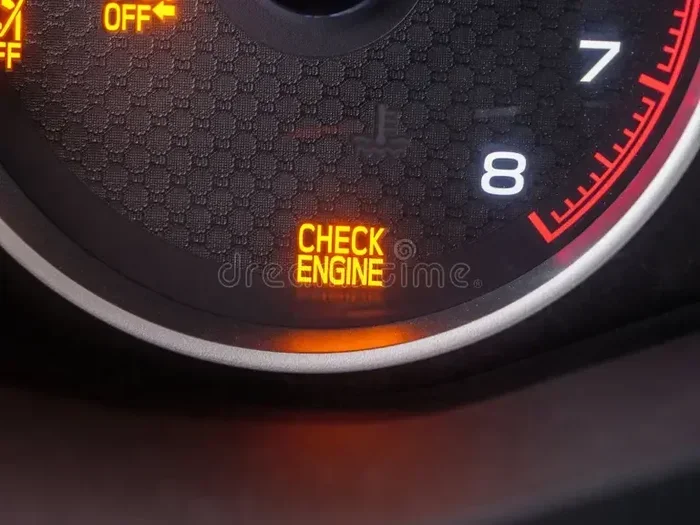
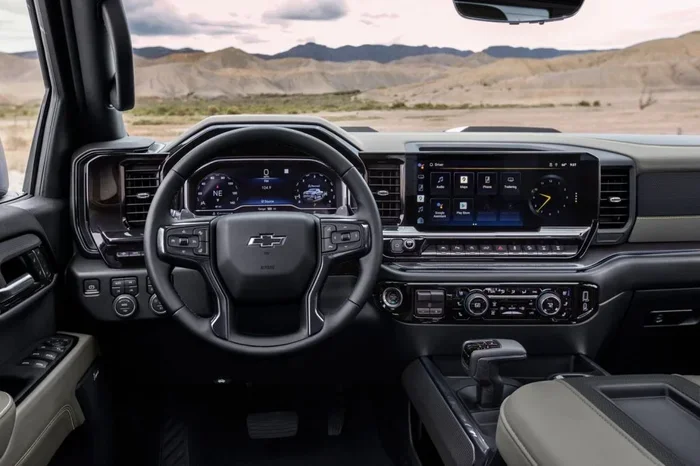
Most modern trucks have a 4WD indicator light on the dashboard or instrument cluster. When you shift into four-wheel drive, a light will appear. It might say “4WD,” “4H,” “4L,” or show a picture of a truck with all four wheels marked. Look at your dashboard right now. If you see that light, your truck is likely in 4WD mode.
Not all trucks have the same dashboard display. Some show a simple green or amber light. Others have a more detailed graphic on a screen. If you are not sure what your light looks like, check your owner’s manual. It will have a diagram of every warning light and what each one means.
Quick tip: Sometimes the 4WD light stays on even after you shift back to two-wheel drive. This can happen if the system needs a moment to reset. If the light stays on for more than a few seconds after shifting, try turning your truck off and back on. If it still stays on, there may be a sensor issue worth checking with a mechanic.
Look at the Transfer Case Shifter
The transfer case is the part of your drivetrain that splits power between the front and rear axles. On older trucks, the transfer case has a physical shifter lever. You will usually find it near the center console or under the dashboard. The lever will have positions marked like “2H,” “4H,” “N,” and “4L.”
If your truck has an electronic shifter, it might have buttons or a dial instead of a lever. Look for a control panel near the center console. Many newer trucks have a screen where you can select your drivetrain mode. The screen will show whether you are in 2H, 4H, or 4L.
Here is a simple way to check: sit in your truck and look at the shifter or control panel. Whatever position it is in tells you your current mode. If it says 4H or 4L, your truck is in four-wheel drive. If it says 2H, you are in two-wheel drive.
Listen for Changes in Sound
Your truck tells you a lot through sound. When you shift into 4WD mode, you may hear a distinct engagement noise. It sounds like a slight clunk or grind. This is the transfer case locking into place. If you hear that sound, your truck has likely shifted into 4WD.
Some trucks also make a humming or whirring sound when in 4WD, especially at higher speeds. This comes from the front axle and wheels spinning. If you hear a new sound that was not there before, check your 4WD status. It could mean your truck is engaged and you forgot to switch it back.
Feel for Changes in Steering and Handling
When your truck shifts into 4WD, the steering may feel tighter, especially at low speeds. This is normal. The front wheels are now being powered, which changes how the steering responds. On dry pavement, 4WD can make steering feel stiff and the truck may resist turning. This is one of the clearest signs that your 4WD system is active.
Also pay attention to how your truck handles on slippery surfaces. If you feel more grip and stability, your 4WD is likely engaged. If you are on a gravel road or in snow and your truck feels more planted than usual, that is a strong clue.
Check Your Front Wheel Hubs
On older trucks with part-time 4WD, the front wheels have hubs that must be manually locked. These are called manual hubs. If your truck has manual hubs, you need to get out and physically twist them to lock the front wheels into the drivetrain. If the hubs are unlocked, your truck may show 4WD on the shifter but the front wheels are not actually engaged.
Newer trucks use automatic locking hubs. These engage automatically when you shift into 4WD. You do not need to get out of the truck. If your truck has automatic hubs, the dashboard light and shifter position are your best indicators of 4WD status.
Understanding 4WD High vs 4WD Low
Once you know how to check if your truck is in 4WD, the next step is understanding the different modes. Most part-time 4WD systems offer two main options: 4WD High and 4WD Low. Each one is designed for different driving situations.
What Is 4WD High?
4WD High (often marked as “4H”) is for driving at normal or higher speeds on slippery surfaces. Use 4H when you are on wet roads, gravel, snow, or mud. It gives you extra traction without slowing you down. Most truck owners use 4H more often than any other 4WD mode. It is the go-to setting for everyday off-road driving and bad weather.
You can usually shift into 4H while driving at speeds under 60 mph. However, always check your owner’s manual for the exact speed limit. Shifting into 4H at too high a speed can damage the transfer case.
What Is 4WD Low?
4WD Low (often marked as “4L”) is for slow-speed, high-traction situations. Use 4L when you are rock crawling, deep in mud, or climbing steep hills. In 4L, the drivetrain provides much more torque to each wheel. This makes your truck stronger at very low speeds. You should only shift into 4L when your truck is stopped or moving very slowly, usually under 10 to 15 mph.
4WD Low is not for highway driving. The low gear ratio makes your truck run very slowly. It also puts a lot of strain on the engine and drivetrain at high speeds. Always shift back to 4H or 2H when you return to normal driving conditions.
Quick Comparison of 4WD Modes
Here is a simple breakdown of the most common 4WD modes and when to use each one:
- 2H (Two-Wheel Drive High): Use on dry pavement and normal highway driving. Best for fuel economy.
- 4H (Four-Wheel Drive High): Use on wet roads, gravel, snow, and loose surfaces at normal speeds.
- 4L (Four-Wheel Drive Low): Use for rock crawling, deep mud, steep inclines, and slow-speed off-road situations.
- N (Neutral): Use only for towing or flat-towing your truck. Do not drive in neutral on the road.
Signs Your Truck Has Shifted into 4WD
Sometimes you do not even need to check the shifter or dashboard. Your truck gives you physical signs that it is in 4WD mode. Here are the most common signals to watch for.
Tight steering: If your steering feels heavier than normal, especially at low speeds, your truck is probably in 4WD. The front wheels are being powered, which adds resistance to the steering system.
Changed ride feel: Your truck may feel more rigid or less smooth when in 4WD. This is because the drivetrain is fully connected from front to rear. You may also notice the truck pulling slightly differently on turns.
Increased engine noise: Because all four wheels are now working, your engine may work harder. You might hear a deeper rumble or more load on the engine, especially in 4L.
Tire wear differences: If you drive in 4WD on dry pavement for a long time, you may notice uneven tire wear. The front tires will wear faster because they are being forced to spin at the same speed as the rear tires.
Common 4WD System Types and How They Work
Not all 4WD systems are the same. Different trucks use different technology to engage four-wheel drive. Understanding your system helps you know exactly how to check your 4WD status.
Part-Time 4WD Systems
Part-time 4WD is the most common system in traditional trucks. It lets you choose between two-wheel drive and four-wheel drive. You engage it manually using a shifter, buttons, or a dial. Part-time 4WD should only be used on slippery or off-road surfaces. Never leave it engaged on dry pavement for long periods.
These systems usually have a transfer case with a simple lever or electronic selector. The transfer case connects or disconnects the front axle from the drivetrain. When you shift into 4H or 4L, the transfer case locks the front and rear axles together so they spin at the same speed.
Full-Time 4WD Systems
Full-time 4WD stays engaged all the time. Your truck always sends power to all four wheels. These systems often include a center differential that allows the front and rear axles to spin at different speeds. This prevents driveline binding on dry pavement.
Full-time 4WD is common in modern SUVs and some pickup trucks. You do not need to shift in and out of 4WD. The system handles it automatically. However, some full-time systems let you switch to a locked mode for extra traction off-road.
Automatic 4WD Systems
Some trucks use automatic 4WD technology. These systems monitor traction and automatically send power to the wheels that need it most. You do not need to manually shift between 2H and 4H. The truck does it for you. This is convenient for drivers who frequently encounter changing road conditions.
Automatic systems often use sensors on each wheel to detect slippage. When slippage is detected, the system engages the front axle automatically. When traction returns, it shifts back to two-wheel drive. Check your owner’s manual to see if your truck has this feature.
Quick Tips for Using 4WD Safely
Using 4WD correctly keeps your truck healthy and keeps you safe on the road. Here are some quick tips every truck owner should know.
- Shift into 4WD before you need it. Do not wait until you are already stuck in deep mud or snow. Get into 4WD while the surface is still somewhat grippy.
- Always shift back to 2H on dry pavement. Leaving part-time 4WD engaged on dry roads causes drivetrain wear and reduces fuel economy.
- Test your 4WD system regularly. Even if you rarely use 4WD, check it before you need it. Shifting into 4H and 4L once a season keeps the system working smoothly.
- Watch your speed in 4L. 4L is for low-speed off-road use only. Do not exceed 15 mph in 4L, and only use it when you truly need the extra torque.
- Check your owner’s manual. Every truck is different. Your manual will have specific instructions for shifting, speed limits, and maintenance.
- Keep your front hubs clean and lubricated. If your truck has manual hubs, they need regular care to work properly. Dirty or dry hubs can prevent proper 4WD engagement.
Common Mistakes Truck Owners Make with 4WD
Even experienced truck owners make mistakes with their 4WD system. Knowing these common errors can save you from costly repairs and frustrating situations.
Forgetting to shift back to 2H: This is the number one mistake. Many drivers shift into 4H for bad weather and forget to switch back when the roads clear. Driving in 4WD on dry pavement for weeks can damage your transfer case, front axle, and tires.
Shifting into 4L at high speed: 4L is a low-speed gear. Shifting into it while driving fast can break the transfer case. Always come to a complete stop before shifting into 4L.
Ignoring the 4WD warning light: If your 4WD indicator light flashes or stays on when it should not, do not ignore it. It could mean a sensor failure, a faulty actuator, or a problem with the transfer case motor.
Assuming automatic hubs always work: Automatic locking hubs can fail, especially in older trucks. If your truck has automatic hubs and you are stuck, the front wheels may not actually be engaged even though the shifter shows 4WD. Check your hubs regularly.
Not using 4WD when you should: Some drivers are too cautious and never engage 4WD, even when conditions demand it. If you regularly drive in snow, rain, or on unpaved roads, use 4H to maintain better control and safety.
When to See a Mechanic About Your 4WD System
Most 4WD checks can be done by the owner. But sometimes you need professional help. If you notice any of the following signs, it is time to visit a mechanic.
- The 4WD light stays on and will not go off. This could indicate a faulty sensor or wiring issue in the 4WD system.
- You cannot shift into or out of 4WD. A stuck transfer case or broken shifter linkage needs professional attention.
- You hear grinding or clicking noises when shifting. These sounds often mean the transfer case or front axle actuator is wearing out.
- The front wheels do not seem engaged even in 4WD. This could be a problem with the hubs, the front axle, or the transfer case.
- Your truck vibrates at highway speeds in 4H. This usually indicates a driveline issue that needs immediate inspection.
Regular maintenance keeps your 4WD system running strong. Change your transfer case fluid according to your owner’s manual schedule. Inspect the front axle and hubs during routine service. A well-maintained 4WD system will serve you reliably for years.
Conclusion
So, how do I know if my truck is in 4WD mode right now? The answer is simpler than you might think. Check your dashboard for the 4WD indicator light. Look at your transfer case shifter or electronic control. Listen for engagement sounds. Feel for changes in steering and handling. And check your front hubs if your truck has manual locking hubs.
Understanding your four-wheel drive system gives you confidence on the road and off it. You will know exactly when to use 4H, when to use 4L, and when to switch back to two-wheel drive. You will protect your drivetrain, improve your safety, and get the most out of your truck.
Take a few minutes right now to check your truck’s 4WD status. Look at your dashboard. Find your shifter. Familiarize yourself with the different modes. The more you know about your truck, the better equipped you are for any road or trail ahead.
Frequently Asked Questions
How do I know if my truck is in 4WD or 2WD?
Check your dashboard for the 4WD indicator light. Look at your transfer case shifter or electronic control panel. If it shows 4H, 4L, or a 4WD symbol, your truck is in four-wheel drive. If it shows 2H or no 4WD light, you are in two-wheel drive. Most trucks also give you physical signs like tighter steering when in 4WD.
Can I shift into 4WD while driving?
Yes, on most part-time 4WD trucks, you can shift into 4H while driving at speeds under 60 mph. However, you should never shift into 4L while moving fast. Always come to a complete stop before engaging 4L. Check your owner’s manual for the exact shifting instructions for your specific truck model.
What happens if I leave my truck in 4WD on dry pavement?
Leaving part-time 4WD engaged on dry pavement causes drivetrain binding. The front and rear axles are forced to spin at the same speed, which creates stress on the transfer case, front axle, and tires. Over time, this leads to premature wear and can cause expensive repairs. Always shift back to 2H on dry roads.
Why is my 4WD light flashing on the dashboard?
A flashing 4WD light usually means the system is having trouble engaging or disengaging. It could be a faulty actuator, a bad sensor, or an issue with the transfer case motor. Sometimes it simply means the system is still in the process of shifting. If the light stays on for more than a few minutes, have a mechanic check your 4WD system.
Do I need to lock my front hubs for 4WD to work?
It depends on your truck. Older trucks with manual hubs require you to physically lock the front hubs for 4WD to fully engage. If you do not lock them, the shifter may show 4WD but the front wheels will not receive power. Newer trucks with automatic hubs lock the front wheels automatically when you shift into 4WD.
How often should I check my 4WD system?
You should test your 4WD system at least once before the season you plan to use it most. For example, check it before winter if you use 4H in snow. Also inspect your transfer case fluid and front hubs during regular maintenance intervals. A quick check can prevent you from getting stuck or causing drivetrain damage.
=== SEO TITLE ===
How Do I Know If My Truck Is in 4WD Mode Right Now
=== META TITLE ===
How Do I Know If My Truck Is in 4WD Mode Right Now?
=== URL SLUG ===
how-do-i-know-if-my-truck-is-in-4wd-mode-right-now
=== LSI KEYWORDS ===
1. four-wheel drive
2. 4WD mode
3. 4WD indicator light
4. transfer case
5. 4WD high
6. 4WD low
7. part-time 4WD
8. full-time 4WD
9. 4WD engagement
10. dashboard warning light
11. 4WD shifter
12. front axle actuator
13. drivetrain
14. off-road driving
15. traction control
16. 4WD system
17. manual hubs
18. automatic locking hubs
19. 4WD warning
20. 2H 4H 4L