Can I Drive My Toyota Tacoma Without a Catalytic Converter
Yes, you can physically drive a Toyota Tacoma without a catalytic converter, but it comes with serious risks. Removing this component triggers the check engine light, hurts fuel economy, and may violate federal and state laws. This guide covers everything you need to know before making that decision.
Can I drive my Toyota Tacoma without a catalytic converter? The short answer is yes. Your truck will start, idle, and move down the road. But the real question is whether you should. Driving without this critical emissions component opens the door to a long list of problems. You risk hurting your engine, failing inspections, and even breaking the law.
The catalytic converter plays a big role in your Tacoma’s exhaust system. It cleans up harmful gases before they leave the tailpipe. Without it, your truck releases unfiltered pollutants into the air. That is bad for the environment and potentially illegal in most states. Beyond that, your truck’s computer relies on signals from the converter to run the engine properly. Remove it, and those signals go haywire.
In this article, we will walk through everything you need to know. We will cover what happens when the converter is gone, whether it is legal, the real risks involved, and what you can do instead. By the end, you will have a clear picture of the pros and cons. You will also know exactly what to do if your Tacoma’s converter gets stolen or clogged.
Key Takeaways
- You can drive without it: The Tacoma will still run, but performance and emissions suffer significantly.
- Legal risks are real: Federal law requires catalytic converters on most vehicles, and penalties can be steep.
- Engine damage is possible: Running without a converter can cause overheating and sensor failures over time.
- Fuel economy drops: Expect worse mileage when the converter is removed or deleted.
- Theft is a growing problem: Tacoma converters are targeted by thieves due to precious metals inside.
- Replacement is expensive: A new OEM converter can cost several hundred to over a thousand dollars.
- Alternatives exist: High-flow converters and aftermarket exhaust options can improve performance legally.
📑 Table of Contents
- What Happens When You Remove the Catalytic Converter from a Toyota Tacoma
- Is It Legal to Drive a Toyota Tacoma Without a Catalytic Converter
- The Risks and Downsides of Removing Your Catalytic Converter
- How to Tell If Your Tacoma’s Catalytic Converter Is Clogged or Missing
- What to Do If Your Catalytic Converter Gets Stolen
- Should You Remove the Catalytic Converter From Your Tacoma
- Conclusion
What Happens When You Remove the Catalytic Converter from a Toyota Tacoma
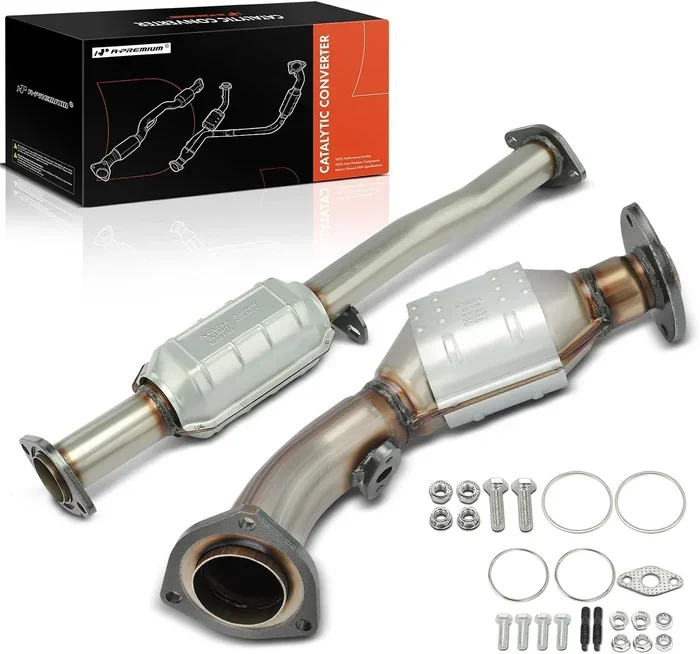
The catalytic converter sits in the exhaust path between the engine and the muffler. It uses heat and precious metals like platinum and palladium to convert toxic gases into less harmful ones. When you take it out, the entire exhaust flow changes. Your truck feels different right away.
Engine Performance Changes
Many Tacoma owners expect a big power boost when they remove the converter. The truth is more complicated. Back pressure from the converter actually helps the engine breathe efficiently at certain RPM ranges. Without it, you might notice a slight increase in top-end power. But you could also lose low-end torque. The engine runs leaner, which can cause rough idling and hesitation during acceleration.
The oxygen sensors in your Tacoma are designed to read the exhaust after it passes through the converter. When the converter is gone, those sensors get false readings. The engine control module adjusts the fuel mixture based on those readings. The result is often a rich or lean condition that hurts performance over time.
Check Engine Light and Error Codes
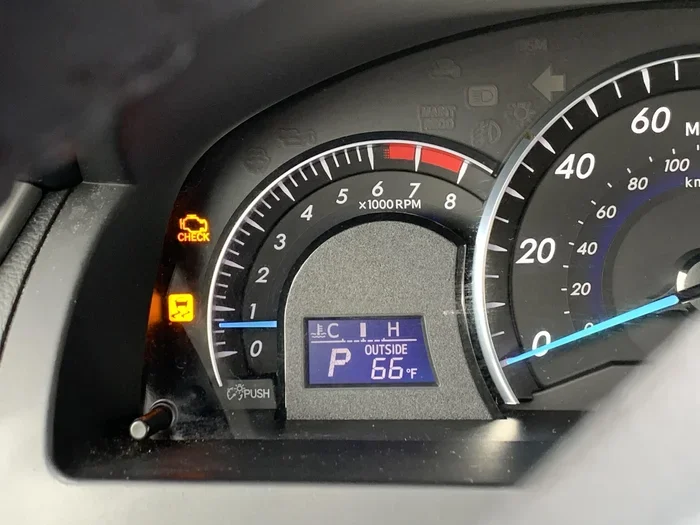
One of the first things you will notice is the check engine light. Toyota Tacoma models from 2005 onward use an OBD-II system that monitors the catalytic converter closely. When the converter is missing, the system throws codes like P0420 or P0430. These codes specifically flag converter efficiency problems.
You can clear the codes with a scanner, but they will come right back. The system constantly checks for the converter. Some owners install a cat delete pipe and an OBD-II spacer to trick the sensors. But this is a temporary fix and does not solve the underlying issues. The truck still runs with incorrect fuel trim values.
Exhaust Sound and Flow
Let us be honest. One reason people remove the converter is the sound. Without the converter and often the muffler too, a Tacoma sounds aggressive and loud. The exhaust note becomes deeper and more pronounced. For off-road enthusiasts and truck fans, this can be appealing.
But louder does not mean better. The exhaust flow changes can create back-pressure issues at the wrong times. You may also notice exhaust leaks at the joints where the converter used to sit. Those leaks can let exhaust fumes into the cabin, which is a serious safety hazard.
Is It Legal to Drive a Toyota Tacoma Without a Catalytic Converter
The legality of driving without a catalytic converter depends on where you live. Federal law in the United States requires catalytic converters on all vehicles sold since 1975. This is not a suggestion. It is the law. Removing or disabling your converter can result in fines and penalties.
Federal Regulations
The Clean Air Act makes it illegal to remove or tamper with emissions equipment on a vehicle. This includes the catalytic converter. If a federal inspector or law enforcement officer catches you, you could face fines. The penalty can be up to $5,000 for a first offense. In practice, most people do not get pulled over just for a missing converter. But the risk is real, especially during state inspections or emissions testing.
State and Local Laws
State laws vary widely. California has the strictest emissions standards in the country. A Tacoma without a converter will not pass a smog check there. Other states like Texas and Florida are more lenient in some areas but still enforce federal rules. Even in states without annual inspections, police can ticket you if they notice a modified exhaust system during a traffic stop.
Some people install a “high-flow” converter instead of removing it entirely. This keeps you on the right side of the law while improving exhaust flow slightly. It is not a free pass to ignore emissions standards, but it is a more legal path than a full delete.
Off-Road and Competition Use
There is a common misconception that removing the converter is fine for off-road use only. While it is true that some off-road areas have different rules, you still need to comply with local and state laws on public roads. If you drive your Tacoma on a public street to reach an off-road trail, the converter must be in place. Some people use a quick-release converter for trail use and reinstall it before hitting the highway. This approach is legal if you follow it consistently.
The Risks and Downsides of Removing Your Catalytic Converter
Beyond legality, there are real mechanical risks to driving a Tacoma without a converter. Many owners learn these lessons the hard way. Understanding the downsides can save you money and headaches.
Fuel Economy Takes a Hit
When the oxygen sensors send false data to the engine computer, the fuel mixture gets messed up. A rich fuel mixture means you burn more gas. Owners report losing anywhere from 2 to 5 miles per gallon after removing the converter. Over thousands of miles, that adds up fast at the pump.
Engine and Exhaust Damage
The catalytic converter also acts as a heat sink in the exhaust system. It absorbs and dissipates heat from the exhaust gases. Without it, the exhaust components behind it get much hotter. This can damage the muffler, exhaust pipes, and even the tailpipe over time. In extreme cases, the extra heat can warp or crack exhaust manifold bolts.
The engine itself can suffer too. Running with incorrect sensor readings causes the engine to work harder than it should. Over months and years, this extra stress can lead to premature wear on spark plugs, pistons, and the exhaust valves.
Failed Emissions Testing
If you live in an area that requires emissions testing, your Tacoma will fail without a converter. The test measures the levels of hydrocarbons, carbon monoxide, and nitrogen oxides in the exhaust. Without a functioning converter, these levels will be sky high. You will not pass the test, and you will not be able to register your vehicle legally.
Insurance and Warranty Issues
Modifying your exhaust system by removing the converter can void your warranty. If your engine or exhaust system fails later, the manufacturer may deny the claim. They will point to the missing converter as evidence of neglect or modification. Additionally, some insurance policies do not cover damage caused by aftermarket modifications.
| Factor | With Catalytic Converter | Without Catalytic Converter |
|---|---|---|
| Legal Status | Compliant with federal and state law | Illegal on public roads in most areas |
| Engine Performance | Optimized for factory settings | Altered fuel mixture, potential power loss |
| Fuel Economy | Normal EPA-rated MPG | Reduced by 2-5 MPG on average |
| Check Engine Light | Off (unless other issues) | On, with persistent error codes |
| Emissions Test | Passes easily | Fails in most cases |
| Exhaust Sound | Quieter, factory tone | Loud, aggressive, potentially illegal noise levels |
| Long-Term Engine Health | Protected by proper sensor feedback | Increased wear from incorrect fuel trim |
| Warranty Coverage | Full coverage maintained | Potentially voided for related components |
How to Tell If Your Tacoma’s Catalytic Converter Is Clogged or Missing
Sometimes the converter fails on its own. Other times, it gets stolen. Knowing the signs early can save you from costly damage to your engine.
Signs of a Clogged Converter
- Reduced engine power: Your Tacoma feels sluggish, especially at higher speeds. The engine bogs down under load because exhaust gases cannot flow through the blocked converter.
- Dark exhaust smoke: You may see black or dark gray smoke from the tailpipe. This indicates unburned fuel is passing through the system.
- Rotten egg smell: A sulfurous odor from the exhaust is a classic sign of a failing converter. The sulfur in fuel normally gets converted, but a bad converter lets it escape.
- Overheating under the truck: A clogged converter traps hot exhaust gases. The converter itself can glow red hot, which is a serious fire risk.
- Poor fuel economy: A clogged converter makes the engine work harder, burning more fuel than normal.
Signs of a Missing Converter
- Loud exhaust note: The most obvious sign. Your Tacoma sounds dramatically louder without the converter in place.
- Check engine light is on: The OBD-II system detects the missing converter and triggers the light immediately.
- Failed emissions test: If you get your Tacoma tested, the results will show extremely high pollutant levels.
- Visible gap in the exhaust: Look under your truck. If you see a missing section in the exhaust pipe where the converter should be, it is gone.
Expert Insight
A clogged converter is different from a missing one. A clogged converter can often be cleaned or replaced. A missing converter means the entire unit is gone, and you need to address both the legal and mechanical implications. Never ignore the check engine light after a converter issue. Continuing to drive with a bad or missing converter can cause cascading damage to the oxygen sensors and the engine itself.
What to Do If Your Catalytic Converter Gets Stolen
Catalytic converter theft has surged in recent years. The precious metals inside, including platinum, palladium, and rhodium, make them valuable targets. Toyota Tacoma converters are especially targeted because they sit higher off the ground, making them easier to access.
Immediate Steps After Theft
- Do not drive the truck far: Without the converter, your Tacoma will run poorly and may cause further engine damage. Drive it only to a repair shop if absolutely necessary.
- Document the theft: Take photos of the exposed exhaust and call the police. File a report for insurance purposes.
- Check your insurance: Comprehensive auto insurance often covers converter theft. Contact your provider right away to start the claims process.
- Get a replacement quote: OEM converters for a Tacoma can cost anywhere from $800 to $2,500 depending on the model year. Aftermarket options are cheaper but may not meet emissions standards.
Prevention Tips
- Install a catalytic converter anti-theft shield or cage.
- Engrave your vehicle identification number on the converter.
- Park in well-lit areas or a locked garage whenever possible.
- Consider an aftermarket converter with traceable markings.
Should You Remove the Catalytic Converter From Your Tacoma
This is the big question. And the honest answer is almost always no. The risks far outweigh any perceived benefits for most Tacoma owners. You might gain a few horsepower and a louder exhaust note. But you lose fuel efficiency, engine protection, legal compliance, and peace of mind.
If your converter is clogged or damaged, the right move is to replace it. If you want better exhaust flow, look into a high-flow catalytic converter. These units use a more efficient substrate design that reduces back pressure while still cleaning emissions. They are legal, effective, and much safer than a full delete.
Some owners install a performance exhaust system that includes a high-flow converter. This setup gives you the sound and flow improvements you want while keeping your truck street legal. It is the best of both worlds for most Tacoma enthusiasts.
Quick Tips
- Always check local laws before modifying your exhaust system.
- Keep your original catalytic converter if you ever need to reinstall it.
- Use an OBD-II scanner regularly to monitor converter health.
- Invest in anti-theft hardware if you park your Tacoma outdoors.
- Talk to a trusted mechanic before making any exhaust modifications.
Common Mistakes to Avoid
- Assuming a cat delete improves performance: Most Tacoma owners see no real gain and lose fuel economy instead.
- Ignoring the check engine light: Driving with the light on after a converter removal can lead to bigger problems down the road.
- Using a cheap aftermarket converter: Low-quality converters can fail quickly and may not meet emissions standards.
- Skipping the insurance claim after theft: Many owners do not file a claim, but comprehensive coverage usually pays for replacement.
- Driving long distances without a converter: The longer you drive without it, the more damage you risk to the engine and exhaust system.
Conclusion
So, can I drive my Toyota Tacoma without a catalytic converter? Technically, yes. Your truck will run. But should you? That is a different story entirely. The risks are significant. You face legal penalties, reduced fuel economy, potential engine damage, and failed emissions tests. The catalytic converter is not just an emissions accessory. It is a vital part of your Tacoma’s engine and exhaust system.
If your converter is stolen or damaged, replace it as soon as possible. If you want better performance, explore legal options like high-flow converters and performance exhaust systems. These upgrades give you the sound and improvements you want without the downsides of a full delete. Your Tacoma is a capable truck. Keep it running the way Toyota intended, and it will serve you well for miles to come.
Take care of your truck, and it will take care of you. The catalytic converter may not be the most glamorous part of your Tacoma, but it plays a role you cannot ignore.
Frequently Asked Questions
Can I pass a smog check with my Toyota Tacoma if the catalytic converter is removed?
No. A Tacoma without a catalytic converter will almost certainly fail a smog check. The test measures emissions levels, and without the converter, those levels will be far above the legal limit. You will need to reinstall a functioning converter before you can pass.
How much does it cost to replace a stolen catalytic converter on a Toyota Tacoma?
Replacement costs vary by model year and whether you choose OEM or aftermarket parts. Expect to pay between $800 and $2,500 for an OEM unit. Aftermarket converters are cheaper but may not meet emissions standards. Labor costs typically add another $100 to $300 to the total.
Will removing the catalytic converter void my Toyota Tacoma warranty?
Yes, it can. Toyota’s warranty covers emissions-related components, and removing the converter is considered a violation of emissions system integrity. If your engine or exhaust system fails later, the manufacturer may deny the claim and point to the missing converter as the cause.
Can I install a high-flow catalytic converter instead of removing it entirely?
Absolutely. A high-flow converter is a great alternative. It reduces back pressure while still cleaning exhaust gases. This keeps your Tacoma street legal and emissions compliant while providing a slight improvement in exhaust flow and sound.
What should I do if I find my catalytic converter has been stolen?
First, do not drive the truck any farther than necessary. Call the police and file a report. Then contact your insurance company to start the claims process. Finally, get quotes from a mechanic for a replacement converter and have it installed as soon as possible.
Are there any states where it is legal to drive without a catalytic converter?
No state in the US allows it on public roads. While enforcement varies, federal law under the Clean Air Act requires catalytic converters on all vehicles. Some states like California have additional stricter rules. There is no legal way to drive a Tacoma without a converter on public streets.