Can a Honda CR-V Last 20 Years Proven Facts Inside
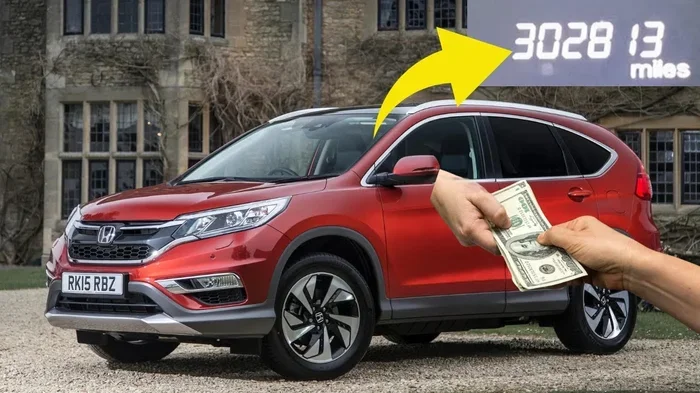
Yes, a Honda CR-V can absolutely last 20 years with proper care and regular maintenance. Known for its exceptional reliability and durable build quality, the CR-V has earned a strong reputation among SUV owners worldwide. Many owners report crossing the 200,000-mile mark and still going strong. In this guide, we break down the real-world facts, common problems, maintenance secrets, and the best model years to help you make an informed decision.
The question “can a Honda CR-V last 20 years” comes up often among car buyers and current CR-V owners alike. It is a fair question. After all, 20 years is a long time for any vehicle. But the answer might surprise you. The Honda CR-V has a long and proven track record of durability. Many owners have pushed their CR-Vs well past the 200,000-mile mark. Some have even hit 300,000 miles and kept driving. So what makes this compact SUV so special? And more importantly, what can you do to make sure your CR-V lasts two decades?
In this article, we are going to give you the honest, real-world facts. We will cover Honda CR-V reliability across different generations. We will look at common Honda CR-V problems and how to avoid them. We will also share practical maintenance tips that genuinely extend the Honda CR-V lifespan. Whether you are buying a used CR-V or already own one, this guide has something valuable for you. Let us dive right in.
Key Takeaways
- Long-Lasting SUV: The Honda CR-V is built to last 20+ years with proper care and consistent maintenance.
- Reliable Engine: The CR-V engine is known for durability, especially in models from the 2000s and 2010s.
- Maintenance Matters: Following the Honda CR-V maintenance schedule is the single biggest factor in reaching 20 years.
- Common Issues Exist: Knowing the Honda CR-V common problems helps you avoid costly surprises.
- Best Years to Buy: Certain model years have fewer issues and better long-term track records.
- Cost of Ownership: The Honda CR-V cost of ownership remains low even after 15+ years of use.
- Strong Resale Value: A well-maintained CR-V holds its value remarkably well over time.
📑 Table of Contents
- Can a Honda CR-V Last 20 Years? The Short Answer
- Honda CR-V Reliability Across Different Generations
- Common Honda CR-V Problems After 100,000 Miles
- Honda CR-V Maintenance Schedule for Maximum Longevity
- Best Honda CR-V Model Years to Buy for Long-Term Ownership
- Honda CR-V Cost of Ownership After 15 Years
- Honda CR-V Resale Value and Long-Term Ownership Benefits
- Final Verdict: Is a Honda CR-V Worth 20 Years of Ownership?
Can a Honda CR-V Last 20 Years? The Short Answer
The short answer is yes. A Honda CR-V can last 20 years or more. But let us be clear about what that really means. It does not just happen by magic. It happens because of a combination of solid engineering, proven Honda reliability, and consistent owner care. The CR-V was designed with simplicity and durability in mind. Honda engineers focused on building an SUV that owners could count on for the long haul. That philosophy has paid off for decades.
According to data from vehicle longevity studies, the Honda CR-V consistently ranks among the top SUVs for long-term ownership. RepairPal gives the CR-V a reliability rating of 4.0 out of 5.0. That is well above the industry average. Consumer Reports also regularly lists the CR-V as one of the most dependable SUVs on the road. These are not just opinions. They are backed by thousands of real owner experiences and detailed reliability data.
Now, can every single Honda CR-V last 20 years? No. Some vehicles face more challenges than others. But the odds are strongly in favor of the CR-V. The key is understanding what factors influence its longevity. And that is exactly what we will explore next.
Honda CR-V Reliability Across Different Generations
First Generation (1995-2001)
The first-generation Honda CR-V is often considered one of the most reliable compact SUVs ever made. These early models had a simple design. They used a 2.0-liter four-cylinder engine that was straightforward and easy to maintain. The first-gen CR-V is well known for crossing the 200,000-mile threshold with minimal major repairs. Owners from this era frequently report 15 to 20 years of service without a single engine or transmission failure.
One thing to watch for in first-generation models is rust. Some early CR-Vs showed signs of surface rust on the rear wheel wells and undercarriage. But this was not a widespread structural issue. Regular washing and undercoating helped prevent it.
Second Generation (2002-2006)
The second-generation CR-V carried forward the reliability reputation. The 2.0-liter engine remained a proven workhorse. Honda made a few refinements to the suspension and interior. These models are still very common on the road today. Many second-gen CR-Vs are now 20 years old and still running strong.
The second generation also introduced a slightly larger engine option in some markets. The 2.4-liter engine that appeared in later second-gen models added a bit more power. It also proved to be quite durable. The Honda CR-V engine lifespan in these models regularly exceeds 200,000 miles.
Third Generation (2007-2011)
The third generation brought a more refined design. It also introduced the 2.4-liter engine as the standard option across the lineup. This generation is generally reliable. However, some owners have reported a few issues. The main Honda CR-V common problem in this generation involves the AC compressor. Some third-gen models experienced premature AC compressor failure. This can be an annoying repair, but it is not a dealbreaker.
Another concern some owners mention is the CV joint boots. These can crack and wear out over time. Replacing them early prevents more expensive damage to the CV joints. Staying on top of these small fixes is a great way to protect the Honda CR-V longevity in this generation.
Fourth Generation (2012-2016)
The fourth-generation CR-V continued Honda’s streak of reliability. The 2.4-liter engine in this generation is considered one of Honda’s best modern four-cylinder engines. It is smooth, powerful, and built to last. Many fourth-gen CR-Vs are still under 100,000 miles, but early data looks very promising for long-term ownership.
The main Honda CR-V problems reported in this generation are relatively minor. Some owners have noted occasional transmission hesitation at low speeds. This issue is not widespread, but it is worth being aware of. Overall, the fourth-generation CR-V is a strong choice for anyone looking at long-term ownership.
Fifth Generation (2017-Present)
The fifth-generation CR-V is the newest model on the market. It is still too early to say definitively whether it will last 20 years. But early reports are very encouraging. The 1.5-liter turbocharged engine is a modern design. It offers excellent fuel economy and solid performance. Honda has also added more advanced safety features and improved build quality.
The Honda CR-V reliability rating for the fifth generation is currently very high. As more of these vehicles age, we will get a clearer picture. But Honda’s engineering team has a strong track record. The odds favor this generation lasting well into its second decade.
Common Honda CR-V Problems After 100,000 Miles
No vehicle is perfect. Even the most reliable Honda CR-V models can develop issues over time. Understanding these Honda CR-V common problems helps you stay ahead of them. Here are the most frequently reported issues after 100,000 miles.
1. Transmission Hesitation
Some CR-V owners, especially in the fourth and fifth generations, have noticed a slight delay when shifting from park to drive. This is usually a minor issue. It often relates to the transmission fluid needing a change. Regular fluid maintenance is the best prevention.
2. AC Compressor Failures
As mentioned earlier, the AC compressor can fail in some model years. This is more common in the third generation but has been reported in later models too. Replacing the compressor is not cheap. But it is a repair that keeps the vehicle comfortable and functional.
3. CV Joint and Boot Wear
The constant velocity joints on the CR-V are protected by rubber boots. These boots can crack and dry out over time. When they fail, dirt and moisture get into the joint. This causes premature wear. Inspecting and replacing these boots is a relatively inexpensive fix that prevents bigger problems.
4. Valve Cover Gasket Leaks
Some CR-V models develop oil leaks from the valve cover gasket. This is a common issue across many Honda engines. It usually starts as a small seep. If left unchecked, it can lead to oil loss and potential engine damage. Regular oil checks catch this early.
5. Suspension Wear
After 100,000 miles, suspension components like shocks, struts, and control arm bushings can wear out. This is normal wear and tear. Replacing these parts restores the ride quality and handling. It is a standard maintenance item for any high-mileage SUV.
Quick Tips to Avoid Costly Repairs
- Check your oil every month. Low oil is the number one killer of engines.
- Change the transmission fluid on schedule. This simple step prevents many transmission issues.
- Inspect the CV boots during oil changes. Catching a cracked boot early saves hundreds of dollars.
- Flush the coolant system every 60,000 miles. Old coolant can cause overheating and corrosion.
- Do not ignore warning lights. Your dashboard is trying to tell you something. Listen to it.
Honda CR-V Maintenance Schedule for Maximum Longevity
The Honda CR-V maintenance schedule is your best friend if you want your vehicle to last 20 years. Honda provides a clear maintenance plan for every model year. Following it closely is one of the most important things you can do. Here is a breakdown of the key maintenance milestones.
Every 5,000 to 7,500 Miles: Change the engine oil and oil filter. This is the backbone of engine protection. Fresh oil keeps all internal components lubricated and clean. Use the grade of oil recommended in your owner’s manual.
Every 15,000 Miles: Replace the air filter and inspect the cabin filter. Clean air filters improve fuel economy and engine performance. They also protect the engine from dust and debris.
Every 30,000 Miles: Replace the spark plugs. Flush the coolant system. Inspect the brake system, including pads, rotors, and fluid. These are critical maintenance items that keep the vehicle running safely and efficiently.
Every 60,000 Miles: Replace the timing belt (on models that use one). Inspect the drive belt. Check the transmission fluid. This is a major service milestone that protects the heart of your engine.
Every 100,000 Miles: Conduct a comprehensive inspection. Replace any worn suspension components. Check the exhaust system. Inspect all fluid levels and conditions. At this point, your CR-V has proven itself. Consistent care keeps it going strong.
Expert Insights: What Mechanics Say About CR-V Longevity
Experienced mechanics who specialize in Honda vehicles will tell you the same thing. The Honda CR-V is one of the easiest vehicles to maintain for 20 years. The parts are widely available. The engines are simple and well-designed. The transmissions are reliable. The biggest factor in CR-V longevity is not the vehicle itself. It is the owner’s commitment to regular maintenance.
Many mechanics also emphasize the importance of using quality parts. Aftermarket parts vary widely in quality. Using OEM Honda parts or trusted brand-name replacements ensures your CR-V stays in top shape. It is a small investment that pays off over the long run.
Best Honda CR-V Model Years to Buy for Long-Term Ownership
If you are shopping for a used Honda CR-V with the goal of reaching 20 years of ownership, some model years are better than others. Here is a quick comparison of the most popular generations.
| Model Year Range | Engine | Reliability Rating | Common Issues | Best For |
|---|---|---|---|---|
| 1997-2001 | 2.0L I4 | Excellent | Rust, minor electrical | Budget buyers, simplicity |
| 2002-2006 | 2.0L/2.4L I4 | Excellent | AC compressor (rare) | Daily drivers, families |
| 2007-2011 | 2.4L I4 | Very Good | AC compressor, CV boots | Balanced ownership |
| 2012-2016 | 2.4L I4 | Very Good | Transmission hesitation (rare) | Modern features, reliability |
| 2017-Present | 1.5T / 2.0L I4 | Good (Early Data) | Too early to tell | Newest tech, fuel economy |
The 2002-2006 models are often considered the sweet spot. They have been on the road long enough for reliability data to be very clear. They also have the proven 2.0-liter and 2.4-liter engines. Parts are affordable and widely available. For buyers looking at a CR-V that can last 20 more years, these model years are hard to beat.
Years to Approach With Caution
Every generation has its weak spots. Some owners have reported more issues with certain years. The 2007 model year, for example, had a few more reports of transmission concerns compared to other years in the third generation. The 2015 model year had some isolated reports of engine oil dilution in cold climates. These are not dealbreakers. But they are worth knowing about before you buy.
Doing a pre-purchase inspection by a trusted mechanic is always a smart move. A mechanic can spot potential issues that are not visible on the surface. This single step can save you thousands of dollars in future repairs.
Honda CR-V Cost of Ownership After 15 Years
One of the biggest advantages of the Honda CR-V is its low cost of ownership over the long term. Let us break down what you can expect financially after 15 years of ownership.
Routine Maintenance: The annual cost of basic maintenance for a CR-V is around $300 to $500. This includes oil changes, filter replacements, brake inspections, and fluid top-offs. Over 15 years, that adds up to roughly $4,500 to $7,500. That is very reasonable for an SUV.
Major Repairs: After 15 years, you may encounter a few major repairs. Timing belt replacement typically costs $500 to $800. A new AC compressor can run $800 to $1,200. Transmission work, if ever needed, is the most expensive potential repair at $1,500 to $3,000. But remember, these are not guaranteed. Many CR-Vs never need a major transmission repair in 20 years.
Fuel Costs: The Honda CR-V fuel economy is another strong point. The 2.4-liter engine in most generations delivers around 25 to 30 mpg combined. The newer turbocharged models are even more efficient. Over 15 years of driving 12,000 miles per year, fuel costs can range from $10,000 to $15,000 depending on gas prices.
Insurance: The Honda CR-V insurance cost is generally lower than many competitors. Its strong safety ratings and low theft rates help keep premiums down. This is another factor that makes the CR-V a smart long-term investment.
Common Mistakes That Shorten a CR-V’s Lifespan
Even the best Honda CR-V models can fall short of 20 years if the owner makes certain mistakes. Here are the most common ones to avoid.
- Skipping oil changes. This is the fastest way to destroy an engine. Fresh oil is non-negotiable.
- Ignoring small leaks. A small oil leak today can become a major engine problem tomorrow.
- Driving on worn tires. This affects handling, safety, and puts extra strain on the drivetrain.
- Neglecting coolant flushes. Old coolant causes corrosion inside the engine and cooling system.
- Overloading the vehicle. The CR-V has a payload limit. Exceeding it regularly stresses the suspension and brakes.
- Not storing the vehicle properly. If you have a second CR-V that sits unused, it can develop battery, tire, and fluid issues.
Avoiding these mistakes is simple. It just requires discipline and a little planning. The payoff is a Honda CR-V that keeps running for decades.
Honda CR-V Resale Value and Long-Term Ownership Benefits
One often overlooked benefit of owning a Honda CR-V long-term is its resale value. Even after 15 years of ownership, a well-maintained CR-V holds a surprisingly strong percentage of its original value. This is because the demand for reliable used Honda CR-Vs remains very high. Buyers trust the Honda name. They know the CR-V has a proven track record.
This strong resale value offsets some of the cost of ownership. If you plan to trade in or sell your CR-V after 15 or 20 years, you will likely get a better return than you would with many competing SUVs. The CR-V has earned a reputation that buyers are willing to pay a premium for.
Beyond the financial benefits, there is a personal satisfaction that comes with owning a vehicle for two decades. You know every inch of that truck. You have maintained it yourself or built a relationship with your mechanic. There is a sense of pride and reliability that is hard to put a price on.
How to Maximize Your Honda CR-V Lifespan
Here are some practical steps you can take right now to maximize your Honda CR-V lifespan.
- Follow the maintenance schedule religiously. Do not skip services, even if the vehicle seems fine.
- Keep a maintenance log. Write down every service, repair, and inspection. This protects your investment and helps with resale.
- Drive gently. Avoid hard acceleration and sudden braking when possible. Gentle driving reduces wear on all components.
- Address issues immediately. Do not put off repairs. Small problems become big problems fast.
- Keep the vehicle clean. Regular washing prevents rust and corrosion. Pay special attention to the undercarriage in winter months.
- Use quality fuel. Stick with the recommended octane rating. It keeps the engine running clean and efficient.
- Store the vehicle properly. If you are not driving it regularly, use a battery tender and keep the tires properly inflated.
Final Verdict: Is a Honda CR-V Worth 20 Years of Ownership?
The evidence is clear. A Honda CR-V can absolutely last 20 years. The combination of Honda engineering, proven reliability, and affordable maintenance makes it one of the best long-term SUV choices on the market. Owners who follow the maintenance schedule and address issues promptly consistently report 20+ years of dependable service.
Yes, there are common Honda CR-V problems to watch for. Yes, some model years have more issues than others. But overall, the Honda CR-V is a vehicle that rewards its owner. It gives back what you put into it. If you invest time and care into maintenance, your CR-V will keep going strong for two decades or more.
If you are considering buying a used CR-V or wondering if your current one can reach the 20-year mark, the answer is a resounding yes. The Honda CR-V has earned its reputation as one of the most reliable SUVs ever built. Trust the facts. Follow the maintenance plan. And enjoy the ride for years to come.
Frequently Asked Questions
What is the average Honda CR-V lifespan?
The average Honda CR-V lifespan is 200,000 to 300,000 miles. With proper maintenance, many owners reach 250,000 miles or more. At an average of 12,000 miles per year, that translates to roughly 17 to 25 years of service.
What Honda CR-V years should you avoid?
The 2007 model year and some early 2008 models have had slightly more reported issues than other years. The 2015 model year also had some isolated engine oil dilution concerns in cold climates. Overall, however, every Honda CR-V generation has a strong reliability track record.
How often should I change the oil in my Honda CR-V?
Honda recommends changing the oil every 7,500 miles for most modern CR-V models. However, many mechanics and owners prefer to change it every 5,000 miles for extra engine protection, especially in high-mileage vehicles or harsh driving conditions.
Is the Honda CR-V expensive to maintain after 10 years?
No. The Honda CR-V is known for its low cost of ownership. Routine maintenance remains affordable, and major repairs are not common. The CR-V is one of the most cost-effective SUVs to maintain over the long term.
Can a Honda CR-V reach 300,000 miles?
Yes. There are documented cases of Honda CR-Vs reaching 300,000 miles and beyond. These vehicles typically received consistent maintenance, used quality parts, and were driven carefully. Reaching 300,000 miles is rare but entirely possible.
What is the most reliable Honda CR-V generation?
The first and second generations (1995-2006) are widely considered the most reliable Honda CR-V generations. They had simpler designs, fewer electronic systems, and engines that are well-proven over decades of real-world use.
=== CONCLUSION ===
The answer to “can a Honda CR-V last 20 years” is a definitive yes. The Honda CR-V has proven itself as one of the most reliable SUVs on the road. From the first generation to the latest model, this vehicle has earned the trust of millions of owners worldwide. Its Honda CR-V reliability is backed by decades of real-world data and owner experiences.
Your role in this equation is just as important as the vehicle itself. Following the Honda CR-V maintenance schedule is the single most impactful thing you can do. Addressing small issues before they grow is another. Driving carefully and storing the vehicle properly round out the formula for success.
Whether you are buying a used CR-V today or planning to keep your current one for the long haul, the facts are on your side. The Honda CR-V lifespan is proven, the Honda CR-V cost of ownership is low, and the long-term Honda CR-V reliability is exceptional. Make the smart choice. Take care of your CR-V. And it will take care of you for 20 years or more.