Are Car Insurance Rates Going Up Across the Country
Car insurance rates are going up across the country, driven by inflation, repair costs, and more frequent accidents. You’ll learn exactly why premiums are rising and discover proven steps to lower your bill. This guide breaks down regional trends, personal risk factors, and actionable money-saving tips.
Car insurance rates are going up across the country, and millions of drivers are feeling the squeeze. If you’ve opened your renewal notice and seen a higher price, you’re not alone. In this article, we’ll explore exactly why car insurance rates are going up and break down the factors that impact your premium. You’ll learn about regional trends, personal risk factors, and simple steps you can take to save money. By the end, you’ll have a clear understanding of the auto insurance landscape and how to protect your wallet.
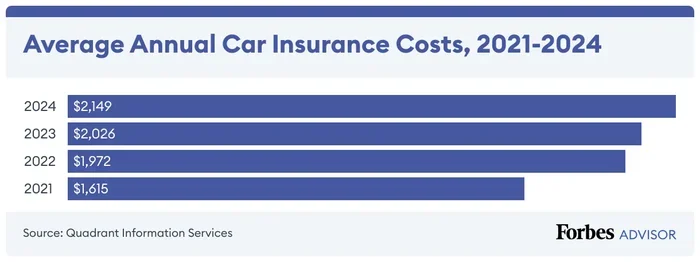
The days of stable car insurance premiums are long gone. Over the past few years, average rates have climbed steadily, and 2024 shows no sign of slowing down. Several economic and social factors are pushing costs higher for consumers nationwide.
Understanding these forces can help you make smarter decisions about your coverage. Let’s dive into the key reasons behind the increase.
Key Takeaways
- Rates are rising nationwide: Multiple factors like inflation, repair costs, and accident frequency are pushing car insurance rates going up in 2024.
- Your personal details matter: Driving record, credit score, location, and vehicle type heavily influence your specific premium.
- Regional differences are stark: Some states see double-digit increases while others remain more stable.
- You can take action: Shopping around, bundling policies, and raising deductibles are proven ways to save.
- Technology is changing the game: Telematics and usage-based insurance offer new opportunities for safe drivers to cut costs.
- Stay informed: Regularly reviewing your policy and comparing quotes helps you avoid overpaying.
📑 Table of Contents
Why Car Insurance Rates Are Going Up in 2024
Multiple forces are driving the insurance rate increase. Inflation, higher repair costs, and a rise in accident frequency all play a role. Insurers are adjusting premiums to match the growing risk. When you understand the root causes, you can better anticipate changes in your own rates.
Inflation and Rising Repair Costs
The cost of fixing a vehicle has surged. New cars are packed with sensors and cameras that are expensive to replace. Even a minor fender bender can lead to a repair bill that runs into thousands of dollars. This pushes up the overall cost of claims, which insurers pass on to you. Parts shortages and labor inflation are adding to the burden. Vehicle repair costs are a major contributor to the insurance rate increase.
More Accidents and Distracted Driving
Accident frequency has climbed in recent years. Distracted driving, especially smartphone use, remains a leading cause. More claims mean higher payouts for insurers, which translates into higher premiums for everyone. Emergency room visits and liability claims are also becoming more expensive. This trend shows no sign of reversing, making car insurance costs a persistent concern for drivers.
Advanced Vehicle Technology
Modern vehicles are safer, but they’re also more complex. Advanced driver-assistance systems (ADAS) require specialized repair skills and parts. A cracked windshield or a sensor calibration can cost a fortune. This adds to the expense of insuring newer cars. While these technologies reduce some accidents, they create new repair challenges that drive up auto insurance premiums.
Key Factors That Drive Your Personal Rate
Not everyone sees the same increase. Your personal details heavily influence your auto insurance premiums. Here’s what matters most when insurers calculate your price.
Your Driving Record and Claims History
A clean driving record is your best asset. Tickets, accidents, and claims signal higher risk to insurers. If you’ve had a moving violation in the last three years, expect to pay more. On the flip side, a spotless record can earn you significant discounts. Your claims history over the past five years is closely watched. Even a single at-fault accident can trigger an insurance rate hike for several years.
Credit Score and Insurance Score
In many states, insurers use a credit-based insurance score to help set rates. A higher score often means lower premiums. This practice is controversial, but it remains legal in most of the country. Improving your credit can directly lower your car insurance costs. Factors like payment history, credit utilization, and length of credit history all play a role. If you’ve recently improved your score, it’s worth asking for a re-evaluation.
Location and Vehicle Type
Where you live and what you drive matter a lot. Urban areas with high traffic and theft rates cost more to insure. Rural areas may offer lower rates but can have higher uninsured driver risks. Sports cars and luxury vehicles also carry higher premiums. Even the color of your car can play a minor role, though it’s not as big a factor as people think. Your car insurance by state can vary dramatically, so always check local averages.
Regional Differences: Where Rates Are Rising Fastest
Car insurance is regulated at the state level, so rates vary widely. Some states have seen double-digit increases, while others remain relatively stable. Understanding these differences helps you set realistic expectations. The table below shows average annual premiums for full coverage and recent year-over-year changes.
| State | Average Annual Premium (Full Coverage) | Year-over-Year Change |
|---|---|---|
| Michigan | $3,200 | +8.5% |
| Louisiana | $3,100 | +7.2% |
| Florida | $2,900 | +6.8% |
| California | $2,200 | +5.1% |
| Texas | $1,900 | +4.3% |
| Ohio | $1,300 | +2.9% |
| Maine | $1,100 | +1.5% |
These numbers show that insurance rate hikes are not uniform. If you live in a high-cost state, you’re feeling the pain more. But even in lower-cost areas, rates are creeping up. Climate-related disasters, such as hurricanes and wildfires, are also pushing premiums higher in vulnerable regions. Full coverage vs liability coverage plays a big role in these totals. Full coverage includes comprehensive and collision, which are essential if you have a loan or lease.
Quick Tips to Understand Your State’s Rates
- Check your state’s department of insurance website for the latest data.
- Compare your current rate against the state average.
- Consider usage-based insurance if you drive fewer miles than the national average.
- Ask about discounts for defensive driving courses or safe driver programs.
Common Mistakes That Make Your Rates Higher
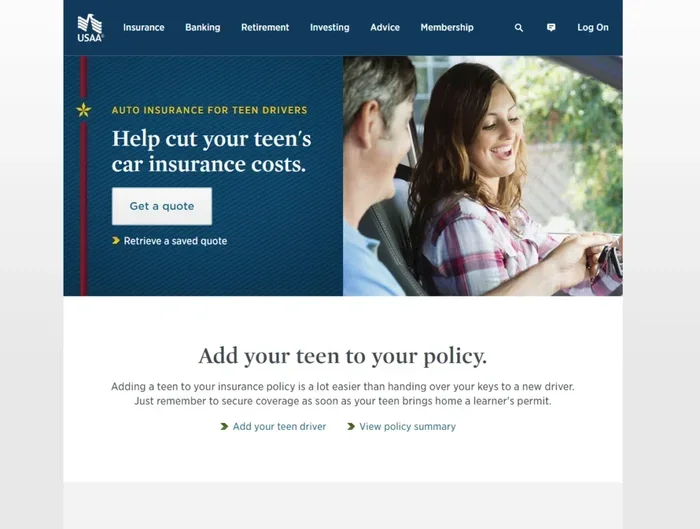
Many drivers unknowingly overpay for their coverage. One common mistake is letting policies auto-renew without shopping around. Another is buying the cheapest liability limits just to save a few dollars a month. Inadequate coverage can leave you financially exposed after an accident. Also, failing to report changes like a new address or a teen driver can lead to coverage gaps. Avoiding these errors helps keep your car insurance prices in check.
Expert Insights on the Rate Landscape
“Shopping around annually can save you an average of $400 per year,” says a licensed insurance agent with over 15 years of experience. “Drivers often assume their current insurer is the best option, but that’s rarely true. The market shifts constantly, and a competitor may have a much better offer for your specific profile.”
“Pay attention to your credit score. In states where it’s used, a 50-point improvement can lower your premium by 10% or more,” adds another industry expert.
How to Lower Your Car Insurance Premium
Even with rising rates, you have plenty of power to reduce your bill. Small changes can lead to big savings over time. The key is to be proactive and review your coverage regularly.
Shop Around and Compare Quotes
Never settle for the first quote. Different insurers weigh factors differently. A company that’s cheap for one driver might be expensive for another. Use online comparison tools to get quotes from at least three providers. This is the single most effective way to find cheap car insurance. Always compare the same coverage levels and deductibles to make a fair comparison.
Increase Deductibles and Bundle Policies
Raising your deductible lowers your monthly premium. If you have a good emergency fund, this can save you hundreds a year. Also, bundling your auto and home insurance with the same company often unlocks a multi-policy discount. Insurance bundling is one of the easiest ways to cut costs. You can also consider dropping comprehensive or collision on older vehicles that are worth less than your deductible.
Maintain a Clean Driving Record and Leverage Discounts
Avoid accidents and tickets at all costs. Many insurers offer safe driver discounts that can last for years. You can also ask about discounts for good students, military service, or completing a defensive driving course. These savings add up quickly. Some companies offer a discount for installing anti-theft devices or using telematics programs. Always ask what discounts are available before you buy.
Key Takeaways for Saving Money
- Always compare quotes from multiple insurers every year.
- Bundling policies can save you 10-25% on your total premium.
- A higher deductible reduces your monthly payment significantly.
- Ask about every available discount, including safe driver and low-mileage.
- Review your coverage annually to avoid paying for what you don’t need.
- Improve your credit score to potentially lower your rates.
- Consider usage-based insurance if you’re a safe, low-mileage driver.
The Future of Auto Insurance: What to Expect
The insurance industry is evolving rapidly. Technology and changing driving habits will shape the future of car insurance rates. Staying ahead of these trends can help you make smart choices today.
Telematics and Usage-Based Insurance
More insurers are offering telematics programs. These track your driving behavior through a mobile app or a plug-in device. Safe drivers can earn significant discounts. If you’re a low-mileage driver, usage-based insurance could be a game-changer for your car insurance costs. The program monitors factors like hard braking, speeding, and mileage. Your premium adjusts based on your actual driving habits, not just broad demographic data.
Electric Vehicles and Their Impact on Rates
Electric vehicles (EVs) are becoming more common. They have lower accident rates in some cases, but repairs are expensive due to specialized parts and battery technology. Insurers are still figuring out how to price EV coverage. As the market grows, we may see more tailored policies that could stabilize or even reduce rates for EV owners. For now, expect to pay a bit more if you drive an electric car, especially if it’s a high-end model.
How Autonomous Vehicles Might Change Everything
Fully autonomous cars are still years away from mass adoption, but the technology is advancing. When self-driving vehicles become common, accident frequency could drop dramatically. This would likely lead to a significant drop in auto insurance premiums over time. Insurers are already developing new products for vehicles with partial automation features. The shift will be gradual, but it promises to reshape the entire industry.
Conclusion
Car insurance rates going up is a real trend, but you’re not powerless. Understanding the reasons behind the increase puts you in a better position to fight back. By shopping around, bundling policies, and maintaining a clean record, you can keep your premiums as low as possible. Stay informed, compare your options, and don’t let rising rates catch you off guard.
The bottom line is that rising car insurance rates are affecting drivers everywhere, but smart consumers can still find affordable coverage. Take action today, review your policy, and make sure you’re not overpaying for what you don’t need. Your future self will thank you for the effort.
Frequently Asked Questions
Why are car insurance rates going up so fast?
Multiple factors are driving the increase. Inflation has raised the cost of vehicle repairs and medical care. Distracted driving has led to more accidents, and advanced car technology makes repairs more expensive. Insurers are simply adjusting premiums to cover these rising costs.
Can I do anything to stop my car insurance rates from going up?
You can’t control the overall market, but you can control your personal rate. Maintain a clean driving record, improve your credit score, and shop around for better quotes annually. Bundling policies and raising deductibles also help you save money.
Which states have the highest car insurance rates?
States like Michigan, Louisiana, and Florida consistently rank as the most expensive. These areas face higher accident rates, more frequent weather-related claims, and stricter legal environments. Always compare your rate against the state average to see if you’re overpaying.
Does my credit score really affect my car insurance costs?
Yes, in most states. Insurers use a credit-based insurance score to help set rates. A higher score generally means lower premiums. Improving your credit can lead to meaningful savings on your auto insurance premiums over time.
What is usage-based insurance and can it lower my rates?
Usage-based insurance uses telematics to track your driving habits. Safe drivers who avoid hard braking, speeding, and excessive mileage can earn significant discounts. It’s a great option if you drive fewer miles and have a clean driving record.
How often should I compare car insurance quotes?
You should compare quotes at least once a year, especially before your renewal date. The insurance market changes constantly, and a competitor may offer a better rate for your specific profile. Never assume your current insurer is giving you the best deal.