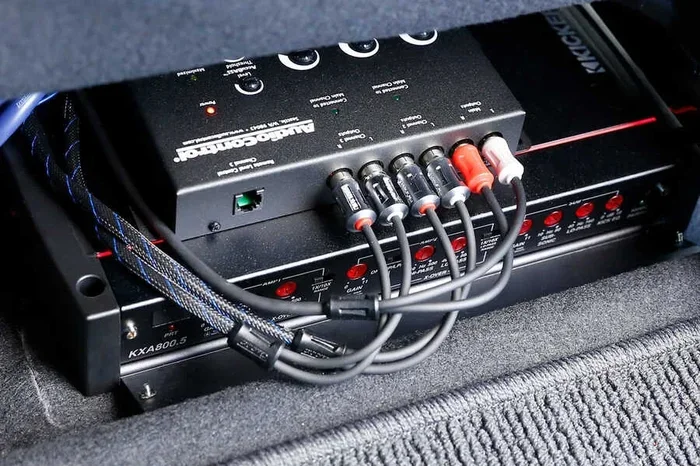
How a 6 Channel Car Amplifier Transforms Your Sound
A 6 channel car amplifier is a game-changer for anyone who wants better sound in their vehicle. It powers multiple speakers at once, delivering richer audio, deeper bass, and crystal-clear highs. Whether you drive a sedan or an SUV, this amplifier unlocks the full potential of your car audio setup. You will learn how it works, what to look for, and how to install one yourself.
Key Takeaways
- Power and Clarity: A 6 channel car amplifier gives each speaker its own dedicated power channel for cleaner, louder sound.
- Versatile Setup Options: You can power a full speaker system, add a subwoofer, or run a mix of both with one unit.
- Built-In Features: Most models include crossovers, bass boost, and remote turn-on for easy tuning.
- Easy Installation: With basic tools and some patience, most car owners can install a 6 channel car amplifier in under two hours.
- Factory Stereo Upgrade: Replacing a weak factory head unit with an amp dramatically improves your entire listening experience.
- Impedance Matching Matters: Always match your speaker impedance to the amplifier’s specs for the best performance.
- Class D Efficiency: Modern 6 channel amps use Class D technology, which means less heat and more power from a smaller unit.
📑 Table of Contents
- How a 6 Channel Car Amplifier Transforms Your Sound
- Key Features to Look For in a 6 Channel Car Amplifier
- How a 6 Channel Car Amplifier Improves Your Listening Experience
- Installation Guide for a 6 Channel Car Amplifier
- Top Tips for Getting the Best Sound from Your 6 Channel Amplifier
- Choosing the Right 6 Channel Car Amplifier for Your Budget
- Conclusion
How a 6 Channel Car Amplifier Transforms Your Sound
If you have ever listened to music in your car and thought, “This sounds flat and weak,” you are not alone. Most factory car audio systems simply cannot deliver the power and clarity that great music deserves. The solution? A 6 channel car amplifier. This single unit can completely change how your favorite songs sound on the road.
Imagine every instrument sounding crisp. Every vocal hitting just right. Every bass note rumbling deep without distortion. That is what a multi channel amplifier does for your ride. It takes the weak signal from your head unit and turns it into clean, powerful audio that fills the entire cabin.
In this guide, we will walk you through everything you need to know about 6 channel car amplifier units. We will cover how they work, what makes them different from other amps, and how to choose the right one for your car. By the end, you will feel confident about upgrading your car sound system and getting the most out of every track.
Why Your Car Audio Needs More Power
Most factory stereos come with small, weak amplifiers built right into the head unit. These are designed to keep costs low, not to deliver great sound. They often distort at higher volumes. They struggle to push low notes. And they simply cannot drive premium speakers the way they deserve.
A car audio amplifier solves all of these problems. It provides clean, steady power to each speaker. This means no more crackling, no more muddy vocals, and no more weak bass. When each speaker gets the power it needs, the entire soundstage opens up. You will hear details in songs you never noticed before.
Think of it this way. Your factory stereo is like a garden hose on low pressure. A 6 channel car amplifier is like opening the valve wide open. More water (or in this case, more power) means everything works better. Your speakers can breathe. They can move freely. And they can produce sound exactly as the artist intended.
What Exactly Is a 6 Channel Amplifier?
A 6 channel car amplifier has six independent channels of power output. Each channel connects to one speaker or one pair of speakers. This gives you a lot of flexibility. You can run all six channels to full-range speakers for a balanced sound. Or you can bridge some channels to power a subwoofer while the others handle your front and rear speakers.
Here is a simple breakdown of what each channel can do:
- Channels 1 and 2: Power your front left and right speakers.
- Channels 3 and 4: Power your rear left and right speakers.
- Channels 5 and 6: Bridge them together to power a single subwoofer with serious bass.
This flexibility is what makes a 6 channel amplifier so popular. You get one box that can handle your entire audio setup. No need to buy multiple amps. No need for extra wiring or fuse boxes. One unit does it all.
6 Channel vs 4 Channel vs 5 Channel Amplifiers
When shopping for car audio, you will see amplifiers with different channel counts. Here is how a 6 channel car amplifier compares to the other common options.
| Feature | 4 Channel | 5 Channel | 6 Channel |
|---|---|---|---|
| Number of Speaker Outputs | 4 | 5 | 6 |
| Can Power Front + Rear Speakers | Yes | Yes | Yes |
| Separate Subwoofer Channel | No (must bridge) | Yes (dedicated) | Yes (bridge two channels) |
| Best For | Basic 4-speaker setups | Full systems with sub | Full systems with more control |
| Flexibility | Moderate | Good | Excellent |
| Size and Wiring Complexity | Compact | Medium | Medium to Large |
A 4 channel amplifier works well for simple setups. You get four speakers and that is it. A 5 channel amplifier adds a dedicated subwoofer channel, which is convenient. But a 6 channel car amplifier gives you the most flexibility. You can bridge channels to run multiple subs. You can add more speakers to a large vehicle. You can fine-tune your sound like a professional installer.
The real advantage comes down to control. With six channels, you can set different gain levels for different speakers. You can adjust the built-in crossover for each channel. You can dial in the perfect bass response without affecting your midrange and highs. This level of control is what separates a good system from a great one.
Key Features to Look For in a 6 Channel Car Amplifier
Not all amplifiers are created equal. When you are shopping for a 6 channel car amplifier, there are several features you should pay close attention to. These specs determine how well the amp performs and how long it will last.
RMS Wattage and Power Output
RMS wattage stands for Root Mean Square. It is the continuous power an amplifier can deliver without distorting. This is the number that actually matters. Do not get confused by peak wattage claims. Peak power is just a short burst, not sustained output.
For a car sound system upgrade, look for an amp that delivers between 50 and 100 watts RMS per channel at 4 ohms. This range works well for most full-range speakers. If you plan to run a car subwoofer, you want higher power on the bridged channels. Something in the 200 to 400 watts RMS range per bridged pair is a good starting point.
Signal-to-Noise Ratio
The signal-to-noise ratio measures how clean your audio signal is. A higher number means less background hiss and static. Look for an amp with an SNR of 100 dB or higher. This ensures your music sounds pure and natural, with no unwanted noise creeping in between the notes.
Built-In Crossover
A built-in crossover is one of the most important features in any multi channel amplifier. It splits the audio signal so that each speaker only receives the frequencies it was designed to handle. High-pass filters protect your small speakers from low frequencies. Low-pass filters send deep bass to your subwoofer. This protects your gear and improves sound quality at the same time.
Class D Amplification Technology
Modern 6 channel car amplifier units often use Class D technology. These amps are more efficient than older Class AB designs. They produce less heat, draw less power from your battery, and are smaller in size. This makes them perfect for car installations where space is limited. Class D does not mean lower quality sound either. Today’s Class D amps deliver excellent audio fidelity.
Impedance Matching
Impedance matching is critical for any amplifier setup. Impedance is measured in ohms and refers to the electrical resistance of your speakers. Most car speakers are 4 ohms. Make sure your 6 channel car amplifier can handle 4-ohm loads on all channels. Some amps can also handle 2-ohm loads, which allows you to run more speakers per channel. Always check the manufacturer’s specifications before wiring anything up.
Remote Turn-On and Bass Boost
A remote turn-on wire lets the amplifier know when your ignition is on. Without it, your amp would drain your car battery when the engine is off. Most car audio amplifiers include this feature. Also look for a bass boost knob or switch. This lets you add extra low-end punch without cranking the volume. It is a simple but effective way to enhance your bass response.
How a 6 Channel Car Amplifier Improves Your Listening Experience
Now that you know what features to look for, let us talk about what actually changes when you add a 6 channel car amplifier to your vehicle. The difference is not subtle. It is night and day.
First, you will notice the audio clarity improve immediately. Vocals become sharper. Guitars and strings sound more detailed. High frequencies like cymbals and hi-hats become crisp without being harsh. This happens because the amplifier provides clean power. Your speakers can now reproduce sound accurately, without strain or distortion.
Second, your bass response transforms completely. Factory speakers simply cannot reproduce low frequencies properly. They distort, buzz, and bottom out. A dedicated car subwoofer powered by a 6 channel amplifier fills in that missing low end. You will feel the kick drum. You will hear the bass guitar. You will sense the rumble of a concert or a movie soundtrack right in your chest.
Third, the overall soundstage widens. A soundstage is the perceived space where the music seems to exist inside your car. With a good amplifier, music feels like it is floating around you. Instruments appear at specific points. Vocals feel centered. This immersive experience is something factory stereos simply cannot achieve on their own.
Real-World Examples of Sound Improvement
Let us say you listen to rock music. Without an amplifier, the guitars sound flat and the drums lack punch. With a 6 channel car amplifier, every cymbal crash is crisp. The kick drum hits hard and clean. The bass guitar rumbles with authority. The vocals sit perfectly in the mix.
Now imagine you enjoy hip-hop or electronic music. The deep sub-bass frequencies are what make these genres feel alive. A factory stereo simply cannot reproduce these frequencies. But a multi channel amplifier with a subwoofer channel makes all the difference. You hear every bass drop, every synth line, every deep rumble with precision and power.
Even classical music and jazz benefit from a good amplifier. The subtle nuances of a string quartet become audible. The room tone of a concert hall comes through. These details are always present in the recording. Your factory stereo just cannot bring them out. A car audio amplifier does.
Installation Guide for a 6 Channel Car Amplifier
Installing a 6 channel car amplifier is easier than most people think. You do not need to be a professional mechanic. With the right tools and a little patience, you can do it yourself over a weekend.
What You Will Need
- A 6 channel car amplifier of your choice
- Appropriate gauge power wire (usually 4 or 8 gauge)
- Ground wire and ring terminal
- Remote turn-on wire
- Speaker wire for each channel
- Fuse and fuse holder for the power line
- Wire crimpers and strippers
- Basic hand tools (wrenches, screwdrivers)
Step-by-Step Installation
Step 1: Disconnect your car battery. Always start by disconnecting the negative terminal. This prevents any short circuits or electrical damage while you work.
Step 2: Run the power wire. Feed the power wire from the back of the car through a grommet or firewall hole. Connect it to the amplifier’s power input using a ring terminal. Install the fuse as close to the battery as possible.
Step 3: Ground the amplifier. Connect the ground wire to a clean, bare metal point on the car chassis. Sand off any paint or rust to ensure a solid connection. A good ground is essential for clean audio and preventing electrical noise.
Step 4: Connect the remote turn-on wire. This wire usually connects to the blue wire from your factory wiring harness or aftermarket head unit. It tells the amp to turn on and off with your ignition.
Step 5: Run speaker wires. Connect speaker wire to each of the six output channels. Run them to each speaker location. Use zip ties to keep wires neat and away from moving parts.
Step 6: Connect the RCA cables. Run RCA cables from your head unit’s output to the amplifier’s input. Keep RCA cables away from power wires to avoid interference and hum.
Step 7: Reconnect the battery and test. Turn on the ignition and check that the amp powers on. Play music and listen for any distortion or buzzing. Adjust the gain levels on each channel carefully.
Common Installation Mistakes to Avoid
- Using too-thin wire: Thin wire causes power loss and heat. Always use the correct gauge for your amplifier’s power rating.
- Bad ground connection: A poor ground causes buzzing, humming, and distorted sound. Always sand the contact point clean.
- Overlooking the fuse: Never run power wire without a fuse. A short circuit can cause a fire or damage your vehicle.
- Running RCA cables near power wires: This creates electromagnetic interference and a loud hum in your speakers.
Top Tips for Getting the Best Sound from Your 6 Channel Amplifier
Installing the amp is only half the battle. Proper tuning makes all the difference. Here are some expert tips to get the most out of your 6 channel car amplifier.
- Set the gain correctly. Start with the gain turned all the way down. Play music at your normal listening volume. Slowly increase the gain until you reach your desired volume without any distortion. Too much gain causes clipping and can damage your speakers.
- Use the built-in crossovers. Set high-pass filters for your front and rear speakers. Set a low-pass filter for your subwoofer channel. This ensures each speaker only reproduces the frequencies it handles best.
- Tune your subwoofer separately. If you are running a car subwoofer, take time to adjust the bass boost and crossover frequency. Listen to a track you know well and fine-tune until the bass feels tight and controlled, not muddy.
- Keep your wiring neat. Clean wiring not only looks better but also reduces the chance of interference. Use cable ties and loom tubing to organize your wires.
- Let the amp break in. After installation, play music at moderate volumes for 10 to 20 hours. This helps the internal components settle and reach optimal performance.
Quick Tips for Daily Maintenance
- Check your ground connection every few months.
- Inspect speaker wires for fraying or loose connections.
- Keep the amplifier vents clear of dust and debris.
- Listen for any changes in sound quality, which could indicate a loose wire or failing component.
Choosing the Right 6 Channel Car Amplifier for Your Budget
6 channel car amplifiers come in a wide range of prices. You can find solid options for under $200 and premium units for over $500. The key is knowing what you actually need.
If you have a basic car sound system with decent full-range speakers, a budget amp with 50 to 75 watts RMS per channel will work great. Brands like Rockford Fosgate, Pioneer, and JBL offer reliable entry-level options that deliver excellent value.
If you want a full-range speaker system with a dedicated subwoofer, look for an amp with higher power output. Aim for 75 to 100 watts RMS per channel for your speakers and 200+ watts RMS on the bridged subwoofer channels. This gives you enough headroom for clean, powerful bass without pushing the amp to its limits.
For serious audio enthusiasts, premium amplifiers from brands like JL Audio, Alpine, and Sundown Audio offer advanced features like adjustable crossovers, high-current power supplies, and superior build quality. These units cost more but deliver the best possible audio clarity and long-term reliability.
Conclusion
A 6 channel car amplifier is one of the best upgrades you can make to your vehicle’s audio system. It provides clean, powerful sound to every speaker in your car. It gives you the flexibility to run a full-range system or add a deep, rumbling subwoofer. And it transforms even the most forgettable factory stereo into a listening experience you will love.
Whether you are a casual listener or a dedicated audiophile, a 6 channel car amplifier delivers real, noticeable improvement. You will hear details you never noticed before. You will feel the bass shake your chest. You will understand why car audio upgrades are so popular among drivers of all ages.
Take the time to choose the right amp for your needs. Follow proper installation steps. Tune your system carefully. And most importantly, enjoy the music. Your car is your personal concert hall. A 6 channel car amplifier makes sure every performance sounds its absolute best.
Frequently Asked Questions
What is a 6 channel car amplifier used for?
A 6 channel car amplifier powers up to six speakers independently. You can run a full set of front and rear speakers while also bridging two channels to power a subwoofer. This makes it ideal for complete car audio upgrades.
Can I install a 6 channel car amplifier myself?
Yes, most car owners can install a 6 channel amplifier with basic tools and some online guidance. The process involves running power wire, grounding the amp, connecting speaker wires, and hooking up RCA cables from your head unit. It typically takes one to two hours.
How much power does a 6 channel car amplifier need?
The power you need depends on your speakers and vehicle size. For most setups, 50 to 100 watts RMS per channel works well. If you plan to bridge channels for a subwoofer, look for 200 watts or more on the bridged outputs.
What is the difference between a 6 channel and a 5 channel amplifier?
A 5 channel amplifier has a dedicated subwoofer channel built in. A 6 channel car amplifier gives you more flexibility by letting you bridge any two channels for a subwoofer. This extra control is useful for custom setups or larger vehicles with more speakers.
Do I need an expensive head unit to benefit from a 6 channel amplifier?
Not at all. Even a budget head unit will sound significantly better when paired with a quality car audio amplifier. The amp does the heavy lifting by providing clean power to your speakers. The head unit just needs a basic line output to connect to the amp.
How long does it take to break in a new amplifier?
Most experts recommend playing music at moderate volumes for 10 to 20 hours after installation. This break-in period allows the internal components to settle and reach their optimal performance. You will notice the sound getting smoother and more refined over time.