How Many Miles Does a Chevy Tahoe Last and Why It Matters
The Chevy Tahoe is a full-size SUV known for impressive durability, with many models lasting between 200,000 and 300,000 miles when properly maintained. Your driving habits, maintenance routine, and the specific trim level all play a huge role in determining the Chevy Tahoe lifespan. Understanding these factors helps you make smarter buying and ownership decisions.
So, you are wondering how many miles does a Chevy Tahoe last? That is a great question, and one that a lot of truck and SUV fans ask. The Chevy Tahoe is one of the most popular full-size SUVs on the road. People love it for its size, power, and ability to handle tough jobs. But how long does a Chevy Tahoe actually last? The answer might surprise you.
With the right care, a Chevy Tahoe longevity story can be truly impressive. Many owners report crossing the 200,000-mile mark without major issues. Some even push past 300,000 miles. That kind of durability makes the Tahoe a standout in the SUV world. In this article, we will break down everything you need to know about Tahoe mileage, what affects it, and how you can get the most miles out of your vehicle.
Key Takeaways
- Long Lifespan: A well-maintained Chevy Tahoe can easily reach 200,000 to 300,000 miles or more.
- Maintenance Matters: Regular oil changes, fluid checks, and timely repairs significantly extend Tahoe mileage.
- Engine Choice Counts: Different Chevy Tahoe engine options affect longevity and overall reliability.
- Driving Habits: Gentle driving and avoiding excessive towing help preserve the vehicle over time.
- Resale Value: High-mileage Tahoes still hold strong resale value due to their reputation for durability.
- Common Issues Exist: Being aware of Chevy Tahoe common problems helps you address them early.
- Cost of Ownership: The long lifespan offsets higher upfront costs, making the Tahoe a smart investment.
📑 Table of Contents
- Understanding Chevy Tahoe Lifespan
- Engine Options and Their Impact on Longevity
- Maintenance Schedule That Extends Tahoe Life
- Tahoe Trim Levels and Their Durability
- Towing and Payload: How They Affect Mileage
- Tahoe Resale Value and High-Mileage Ownership
- Common Chevy Tahoe Problems to Watch For
- How to Maximize Your Chevy Tahoe’s Mileage Potential
- Conclusion
Understanding Chevy Tahoe Lifespan
When we talk about Chevy Tahoe lifespan, we are really talking about two things. The first is how many miles the vehicle can handle. The second is how many years it can stay on the road. These two things do not always match up. Some people drive their Tahoe for 10 years and hit 250,000 miles. Others drive for 15 years but only reach 150,000 miles. Both scenarios are totally normal.
The average Chevy Tahoe owner drives about 13,000 to 15,000 miles per year. At that rate, a Tahoe that lasts 200,000 miles could keep going for roughly 13 to 15 years. But that is just an average. Your actual experience depends on a lot of factors. Let us look at what really matters.
Average Mileage Expectations
Most experts agree that a Chevy Tahoe can last between 200,000 and 300,000 miles with proper care. Some well-kept models even exceed that range. The key word here is “proper care.” A Tahoe that gets regular maintenance and is driven responsibly has a much better chance of reaching those high numbers.
Here is a quick look at what you can expect from different Tahoe generations:
- 2000-2006 (Gen 5): These older models often reach 250,000+ miles with basic upkeep.
- 2007-2014 (Gen 6): Improved engineering helps these models hit 200,000-300,000 miles.
- 2015-Present (Gen 7): The newest models are still being tested for long-term durability, but early results look promising.
What Affects Tahoe Mileage?
Several factors determine how many miles your Tahoe will last. Understanding these can help you make better decisions as an owner.
- Maintenance routine: Staying on top of oil changes, tire rotations, and fluid replacements is huge.
- Driving style: Aggressive driving wears out parts faster. Smooth, steady driving is kinder to the engine.
- Driving conditions: Stop-and-go city driving is harder on a vehicle than steady highway cruising.
- Towing habits: Frequently towing heavy loads puts extra stress on the engine and transmission.
- Climate: Extreme heat or cold can accelerate wear and tear on various components.
Engine Options and Their Impact on Longevity
The Chevy Tahoe has offered different engine options over the years. Your choice of engine can affect how long the vehicle lasts. Let us break down the main options and what they mean for Tahoe reliability.
The Traditional V8 Engine
Most Chevy Tahoes come with a powerful V8 engine. This engine design is known for durability and long life. The V8 configuration has fewer moving parts per cylinder compared to smaller engines. That means less wear over time. Many Tahoe owners with V8 engines report crossing the 250,000-mile mark without a major engine rebuild.
The current generation Tahoe offers a 5.3-liter V8 as the standard engine. This engine produces around 355 horsepower. It is a proven design that has been refined over decades. For most families, this engine provides more than enough power and plenty of longevity.
The Hybrid Option
Starting in recent model years, Chevy introduced a hybrid version of the Tahoe. The hybrid combines a V8 engine with an electric motor. This setup offers better fuel economy, which is a big plus. But how does it affect long-term reliability?
Early data on the Tahoe hybrid looks encouraging. The electric motor actually reduces strain on the gas engine during low-speed driving. This can lead to less wear over time. However, hybrid systems add complexity. More complexity means more potential points of failure. Regular maintenance of the hybrid battery and electric components is essential.
Engine Maintenance Tips for Longevity
No matter which engine you have, following a solid maintenance routine is the best way to protect it. Here are some quick tips:
- Change the oil every 5,000 to 7,500 miles using the recommended grade.
- Replace the oil filter with every oil change.
- Check coolant levels monthly and flush the system every 5 years.
- Inspect the serpentine belt for cracks every 30,000 miles.
- Replace spark plugs according to the maintenance schedule.
Maintenance Schedule That Extends Tahoe Life
Let us be real for a moment. The Chevy Tahoe is not a cheap vehicle to buy. But it can be one of the most cost-effective SUVs over the long run. Why? Because a well-maintained Tahoe lasts a very long time. The key is sticking to a maintenance schedule that keeps everything running smoothly.
Essential Maintenance Tasks
Here are the maintenance tasks that matter most for Chevy Tahoe reliability:
- Oil Changes: This is the single most important thing you can do. Fresh oil keeps the engine lubricated and cool. Skipping oil changes is the fastest way to kill an engine.
- Transmission Fluid: Change the transmission fluid every 50,000 to 60,000 miles. Clean fluid keeps the transmission shifting smoothly and prevents costly repairs.
- Brake Inspections: Have your brakes checked every 15,000 miles. Replacing brake pads early prevents damage to rotors, which are much more expensive to fix.
- Tire Care: Rotate tires every 5,000 to 7,500 miles. Proper tire care improves handling, safety, and fuel economy.
- Coolant System: Flush and replace coolant every 5 years or 100,000 miles. Overheating is one of the fastest ways to destroy an engine.
Quick Tips for Busy Tahoe Owners
Not everyone has time to follow a detailed maintenance schedule. Here are some quick tips that make a big difference:
- Set calendar reminders for your oil changes and fluid replacements.
- Keep a maintenance log in your glove box or phone.
- Listen to your vehicle. Unusual sounds or smells are warning signs.
- Do not ignore dashboard warning lights. They are there for a reason.
- Find a trusted mechanic who knows full-size SUVs well.
Common Mistakes That Shorten Tahoe Lifespan
There are some mistakes that Tahoe owners make that can seriously shorten the vehicle’s life. Avoiding these simple errors can add tens of thousands of miles to your Tahoe.
- Ignoring small noises: A small squeak today can become a big repair tomorrow.
- Skipping fluid checks: Low fluids cause parts to grind and wear out faster.
- Overloading the vehicle: Exceeding the towing capacity or payload limit puts stress on the engine and suspension.
- Using cheap parts: Aftermarket parts may save money upfront but can cause problems down the road.
- Neglecting tire alignment: Misaligned tires cause uneven wear and reduce fuel efficiency.
Tahoe Trim Levels and Their Durability
Chevy offers several trim levels for the Tahoe. Do some trims last longer than others? The short answer is no. The base engine and body structure are similar across trims. However, how you use the vehicle can vary by trim, which affects longevity.
| Trim Level | Key Features | Impact on Lifespan |
|---|---|---|
| LS | Base model, standard features | No difference in engine longevity |
| LT | Upgraded comfort and tech | No difference in engine longevity |
| Premier | Luxury features, leather, advanced tech | No difference in engine longevity |
| High Country | Top-tier luxury and performance | No difference in engine longevity |
As you can see, the trim level does not affect the Chevy Tahoe lifespan. The engine, transmission, and drivetrain are the same regardless of trim. What matters is how well you maintain the vehicle and how gently you drive it.
That said, higher trims may have more electronic features. More electronics mean more potential issues over time. But these are generally minor compared to mechanical problems. Keeping your software updated and addressing electrical issues early will keep any trim running strong.
Towing and Payload: How They Affect Mileage
The Chevy Tahoe is a capable tow vehicle. It can tow up to 8,400 pounds when properly equipped. That is impressive for a full-size SUV. But towing regularly comes with trade-offs.
The Impact of Towing on Tahoe Reliability
When you tow heavy loads, your engine works harder. The transmission runs hotter. The brakes take more of a beating. Over time, this extra stress can reduce the overall Tahoe mileage potential. This does not mean you should avoid towing entirely. It means you need to be more diligent with maintenance if you tow frequently.
Here are some tips for Tahoe owners who tow regularly:
- Check transmission fluid more often, every 30,000 miles instead of 60,000.
- Install an auxiliary transmission cooler if you tow heavy loads regularly.
- Never exceed the maximum towing capacity listed in your owner manual.
- Allow the engine to warm up fully before pulling a trailer.
- Give yourself extra stopping distance. Brakes wear faster when towing.
Expert Insights on Towing and Longevity
According to automotive experts, the Tahoe handles towing well within its limits. The key is consistency. A Tahoe that tows 500 pounds occasionally will last just as long as one that never tows. The real problem comes from constant overloading or ignoring warning signs. If your engine temperature gauge climbs while towing, pull over and let it cool down. Ignoring these signs is one of the fastest ways to cause serious damage.
Tahoe Resale Value and High-Mileage Ownership
One of the biggest advantages of owning a Chevy Tahoe is its resale value. Even high-mileage Tahoes hold their value surprisingly well. This is because the Tahoe has a reputation for durability and longevity. Buyers know that a well-maintained Tahoe can keep going for many more miles.
Why the Tahoe Holds Value
Several factors contribute to the strong Chevy Tahoe resale value:
- Brand reputation: Chevy has built a solid reputation for full-size SUV durability.
- Demand: Full-size SUVs remain popular for families and outdoor enthusiasts.
- Reliability: A proven track record of lasting 200,000+ miles gives buyers confidence.
- Parts availability: Chevy Tahoe parts are widely available and affordable, reducing repair costs for future owners.
Is a High-Mileage Tahoe Worth Buying?
Absolutely. If you are considering buying a used Tahoe with 150,000 or even 200,000 miles on the odometer, do not be afraid. A high-mileage Tahoe that has been well-maintained can be a fantastic deal. The key is getting a vehicle history report and having a trusted mechanic inspect the vehicle before purchase.
Look for signs of regular maintenance in the service records. Ask about oil change frequency and any major repairs. A Tahoe with consistent maintenance history at 150,000 miles is often a better buy than a low-mileage Tahoe with no service records.
Cost of Ownership Over Time
When you factor in the Chevy Tahoe cost of ownership, the long lifespan really shines. Yes, the upfront cost is higher than a mid-size SUV. But the Tahoe lasts significantly longer. Spread the purchase price over 200,000 miles or more, and the per-mile cost becomes very competitive. Add in strong resale value, and the financial case for the Tahoe gets even stronger.
Common Chevy Tahoe Problems to Watch For
No vehicle is perfect, and the Chevy Tahoe is no exception. Being aware of Chevy Tahoe common problems helps you stay ahead of issues before they become expensive repairs.
Known Issues by Generation
Different Tahoe generations have different weak points. Here are some common issues to watch for:
- Gen 5 (2000-2006): Electrical issues and coolant leaks are common. The intake manifold gasket is also a known problem.
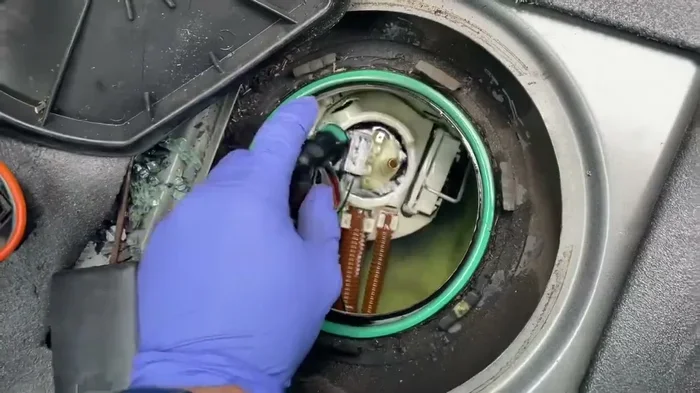
- Gen 6 (2007-2014): Transmission issues can appear around 100,000 miles. The fuel pump and ignition coil are also known failure points.
- Gen 7 (2015-Present): Early models have reported issues with the infotainment system and occasional transmission hesitation. Long-term reliability data is still being gathered.
How to Avoid Costly Repairs
The best way to avoid costly repairs is prevention. Stick to the maintenance schedule, address small issues immediately, and do not ignore warning signs. Here are some additional tips:
- Use genuine GM parts or high-quality aftermarket alternatives.
- Keep the vehicle clean, especially the undercarriage in winter climates.
- Address fluid leaks immediately, no matter how small.
- Do not skip scheduled inspections, even if the vehicle seems fine.
How to Maximize Your Chevy Tahoe’s Mileage Potential
Now that you understand the factors that affect Tahoe longevity, let us talk about what you can actually do to maximize your Chevy Tahoe mileage potential. These are practical steps that any Tahoe owner can take.
Daily Driving Habits That Help
How you drive matters more than you might think. Here are habits that promote longevity:
- Warm up the engine gently. Avoid flooring the accelerator from a cold start.
- Accelerate smoothly and maintain steady speeds on the highway.
- Avoid excessive idling. Turn off the engine if you are parked for more than a minute.
- Use cruise control on long highway drives to maintain a consistent speed.
- Brake gradually rather than slamming on the brakes.
Seasonal Care Tips
Different seasons bring different challenges for your Tahoe:
- Winter: Use winter-grade coolant and consider a block heater in extremely cold climates. Salt and road chemicals can cause rust, so wash the undercarriage regularly.
- Summer: Watch your coolant temperature. Hot weather puts extra stress on the cooling system. Make sure your A/C system is functioning properly.
- Spring: This is a great time for a full inspection. Check for winter damage, rotate tires, and refresh all fluids.
- Fall: Prepare for cold weather. Check the battery, replace worn wipers, and ensure your heating system works well.
The Bottom Line on Tahoe Longevity
At the end of the day, the Chevy Tahoe is built to last. It is a vehicle with decades of proven engineering behind it. The combination of a durable V8 engine, solid build quality, and widespread parts availability means that a Tahoe can easily serve you well for 15 to 20 years or more. The question is not really whether a Chevy Tahoe can last a long time. The question is whether you are willing to put in the care and maintenance it needs to reach its full potential.
If you take care of your Tahoe, it will take care of you. That is the deal with these full-size SUVs. They are not high-maintenance vehicles, but they do respond well to consistent attention. Follow the maintenance schedule, drive responsibly, and address issues early. You will be rewarded with a vehicle that keeps running strong for hundreds of thousands of miles.
The Chevy Tahoe is more than just a vehicle. It is a long-term companion for families, adventurers, and anyone who needs a reliable full-size SUV. Understanding how many miles a Chevy Tahoe lasts and what you can do to maximize that number puts you ahead of most owners. Armed with this knowledge, you can make confident decisions about buying, maintaining, and owning your Tahoe for years to come.
Conclusion
So, how many miles does a Chevy Tahoe last? The answer is clear: with proper care, a Chevy Tahoe can last 200,000 to 300,000 miles or more. The Chevy Tahoe lifespan depends on several factors, including maintenance, driving habits, engine choice, and how you use the vehicle. But the bottom line is that this SUV is built to go the distance.
Regular maintenance is the single most important factor in maximizing your Tahoe mileage. Stick to the service schedule, address issues early, and drive with care. These simple steps add up to a vehicle that lasts for decades. Whether you are buying a new Tahoe or considering a high-mileage used one, the potential for long-term reliability is there. The Chevy Tahoe has earned its reputation as one of the most durable full-size SUVs on the market. Give it the care it deserves, and it will reward you with years of dependable service.
Frequently Asked Questions
What is the average lifespan of a Chevy Tahoe?
The average Chevy Tahoe lasts between 200,000 and 300,000 miles with proper maintenance. Some well-cared-for models exceed 300,000 miles. The lifespan depends on driving habits, maintenance routine, and the specific model year.
How can I make my Chevy Tahoe last longer?
Follow the recommended maintenance schedule, change oil regularly, and address small issues before they become big problems. Gentle driving habits also help extend the vehicle’s life significantly.
Is a high-mileage Chevy Tahoe worth buying?
Yes, a high-mileage Chevy Tahoe can be a great buy if it has been well-maintained. Always get a vehicle history report and have a mechanic inspect it before purchasing.
Does towing reduce a Chevy Tahoe’s lifespan?
Towing within the rated capacity does not significantly reduce lifespan. However, frequent towing does require more diligent maintenance, especially for the transmission and cooling systems.
What is the most common problem with Chevy Tahoes?
Common issues vary by generation. Older models may experience electrical problems and coolant leaks. Newer models have fewer reported issues, but transmission hesitation has been noted in some early Gen 7 vehicles.
How does the Chevy Tahoe compare to the Ford Expedition in terms of longevity?
Both the Chevy Tahoe and Ford Expedition are full-size SUVs with strong longevity records. The Tahoe tends to hold its value slightly better and has a reputation for reliable V8 engines. Both vehicles can last 200,000+ miles with proper care.