Do I Need to Reprogram My Car After Key Battery Replacement
Replacing the battery in your car key fob is usually a simple task. In most cases, you do not need to reprogram your car after swapping out the old battery. Many vehicles will automatically sync with the new battery. However, some cars may require a quick reset or reprogramming. This guide walks you through everything you need to know about key fob reprogramming after a car key battery change.
Have you just popped open your car key and noticed the battery was dead? It happens to almost every driver at some point. The small coin cell battery inside your remote key fob powers everything from unlocking your doors to starting the engine with a push of a button.
Once you replace that tiny battery, a common question pops up right away. Do I need to reprogram my car after key battery replacement? The short answer is usually no. But the full answer depends on your car model, the type of key fob you have, and what exactly happened during the battery swap. Let us walk through all the details so you feel confident and prepared.
Key Takeaways
- Most cars do not need reprogramming after a simple battery swap in the key fob.
- Push button start vehicles may sometimes require a quick sync process.
- Replacing the coin cell battery is easy and takes just a few minutes.
- Key fob troubleshooting can save you a trip to the dealer.
- Common mistakes like using the wrong battery type can cause ongoing issues.
- When in doubt, a locksmith or dealer can handle vehicle key programming quickly.
📑 Table of Contents
What Happens When You Replace Your Key Battery
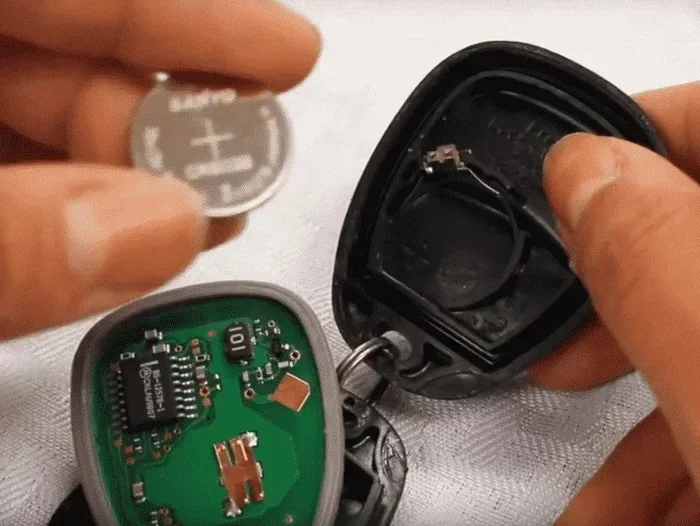
Before we dive into reprogramming, it helps to understand what is actually going on inside your car key battery compartment. Most modern car keys use a small silver coin-shaped battery, usually a CR2025 or CR2032. These batteries power the radio frequency transmitter inside your remote key fob.
When the battery dies, your key fob stops sending signals. You might notice your key fob not working at the door locks or the push button start system. Replacing the battery simply gives the transmitter new energy to send its coded signal again.
In the vast majority of vehicles, the key fob programming is stored in a tiny memory chip. This chip does not erase just because the battery died. So when you pop in a fresh battery, the existing code stays intact. Your car recognizes the same signal it always has.
When Reprogramming Might Be Needed
There are a few situations where key fob reprogramming becomes necessary after a battery change. First, if you accidentally short-circuited the key fob while opening it. Second, if the key fob sat without a battery for a very long time, sometimes over several months. Third, some older vehicle models need a manual reset after any battery removal.
Also, if you replaced the battery with the wrong type, the fob might not work correctly even if it powers on. Always double-check your battery size before you start the replacement process.
Do You Always Need to Reprogram After a Battery Swap?
This is the big question most drivers want answered. The truth is, it depends on your vehicle. Let us break it down by car type so you know exactly what to expect.
Modern Cars With Smart Key Systems
Most newer vehicles with smart key fob technology do not require reprogramming after a battery change. These systems are designed to handle battery replacements smoothly. The immobilizer system in your car stores the key code permanently in its memory. A simple battery swap does not affect this stored information.
Cars like the Toyota Camry, Honda Civic, Ford F-150, and most 2015 and newer models fall into this category. You replace the battery, close the fob, and everything works exactly as before.
Older Vehicles With Traditional Key Fobs
Older vehicles from the 1990s and early 2000s sometimes behave differently. These cars may use a simpler transponder key system. After removing and replacing the battery, the fob might need to be re-synced to the car. This is more common in vehicles that do not have advanced computer modules managing the keyless entry system.
If your car is from before 2010, it is worth checking your owner manual or searching online for your specific model. A quick search for your year, make, and model plus “key fob reset” usually brings up the exact steps.
Luxury and European Vehicles
Luxury brands like BMW, Mercedes-Benz, Audi, and Land Rover sometimes have more complex key fob programming requirements. These vehicles often use advanced keyless entry systems with rolling codes. After a battery replacement, some of these models require a specific reset sequence.
For example, certain BMW models need you to insert the key into the ignition and cycle it to the “on” position several times. Always check with your dealer or the vehicle manual for these specific procedures.
| Vehicle Type | Reprogramming Needed? | Typical Reset Method |
|---|---|---|
| Modern cars (2015+) | Usually no | None needed |
| Older cars (pre-2010) | Sometimes | Manual sync or ignition cycle |
| Luxury/European models | Often yes | Dealer procedure or specific reset steps |
| Push button start vehicles | Rarely | Quick proximity reset |
How to Reprogram Your Car Key Fob (Step-by-Step)
If you find that your car key not detected after replacing the battery, do not panic. Reprogramming is often simpler than you think. Here is a general step-by-step guide that works for many vehicle brands.
Step 1: Replace the Battery Correctly
Before anything else, make sure you installed the new battery the right way. Check the positive and negative sides. Use the exact battery type recommended for your fob. A wrong battery type is one of the top reasons fobs fail to work after a replacement.
Common battery sizes for car key fobs include CR2025 and CR2032. You can find the correct size printed on the old battery or listed in your owner manual.
Step 2: Close the Fob Completely
It sounds simple, but an improperly sealed fob can cause signal problems. Make sure all clips and screws are tight. A loose fob can lead to key fob range issues where the car does not detect the fob until it is right next to the reader.
Step 3: Try the Quick Reset Method
For many vehicles, a quick reset solves the problem without full reprogramming. Try these steps:
- Sit in the driver seat and close all doors.
- Insert the physical key into the ignition.
- Turn the key to the “on” position without starting the engine.
- Press the lock button on the fob three times quickly.
- Turn the key back to the “off” position.
- Remove the key and test the fob.
This method works on many Ford, Chevrolet, and Nissan models. It re-syncs the fob signal with the car’s computer without erasing any stored codes.
Step 4: Use the Key Fob Programming Mode
If the quick reset does not work, you may need to enter the full programming mode. Each car brand has its own sequence. Here are a few common ones:
- Ford: Turn the ignition from off to on eight times within 10 seconds. The door locks will cycle to confirm programming mode.
- Chevrolet: Press and hold the unlock button on the driver door, then turn the key to on and back off three times.
- Toyota: Close all doors, insert the key into the ignition, and press the fob lock button while removing and reinserting the key.
Always refer to your specific vehicle manual for the exact steps. Programming sequences vary even between model years of the same brand.
Quick Tips for Smooth Reprogramming
Quick Tips:
- Always use a fresh, brand-new battery. Do not use old or partially used batteries.
- Work on a flat, dry surface to avoid dropping small parts.
- Keep spare batteries in your glove box for emergencies.
- Write down your vehicle’s programming steps in a notebook.
- If the fob still fails after reprogramming, the fob itself might be damaged, not the battery.
Common Problems After Replacing a Key Battery
Even when you follow all the steps correctly, sometimes things go wrong. Here are the most common issues drivers face after a car key battery replacement and how to fix them.
The Key Fob Still Does Not Work
This is the most frustrating situation. If your key fob not working after a fresh battery, the first thing to check is the battery orientation. The positive side usually faces up, but this varies by fob model. Open the fob again and double-check.
Next, try pressing the buttons firmly. Sometimes the new battery does not make full contact with the internal connectors. A slight press or adjustment of the battery position often fixes this.
The Car Won’t Start After Battery Change
If your car won’t start after battery change, the immobilizer system might not recognize the fob. This usually happens when the fob was not close enough to the start button during the battery swap. Walk up to the car, hold the fob right against the start button, and press it firmly.
For vehicles with a traditional ignition slot, insert the physical key and turn it to the start position. Many cars have a backup method built in that bypasses the fob signal temporarily.
Reduced Range or Intermittent Signal
Sometimes the fob works, but only when you are standing right next to the car. This key fob range issue usually means the battery is not making proper contact or the fob antenna inside the car needs a reset.
Try walking around the car while pressing the lock button. If it only works from certain angles, the battery contact is likely the problem. Open the fob and reseat the battery.
Common Mistakes to Avoid
Here are the mistakes that cause the most trouble during car key battery replacement:
- Using the wrong battery type: Even a slight difference in voltage can disrupt the fob signal.
- Touching the circuit board with metal tools: This can create a static discharge that damages the chip.
- Forcing the fob open: Plastic clips break easily. Use a plastic prying tool, not a screwdriver.
- Not resetting the fob after replacement: Even when reprogramming is not strictly needed, a quick reset can refresh the connection.
- Ignoring the owner manual: Your vehicle manual has the exact battery type and programming steps for your specific model.
When Should You Call a Professional?
Most battery replacements and reprogramming tasks are simple enough to handle at home. But there are times when calling in a professional makes the most sense.
Signs You Need Expert Help
You should consider professional help if any of these situations apply to you. If you have tried all the reset methods and your key fob troubleshooting efforts have failed, a professional can diagnose deeper issues. If the physical key broke inside the fob housing, a locksmith can extract it safely.
Also, if your vehicle uses a smart key fob system that requires dealer-level programming equipment, a locksmith with advanced tools can handle it. Many local locksmiths offer vehicle key programming services at a fraction of the dealer cost.
How Much Does Professional Reprogramming Cost?
The cost varies widely depending on your vehicle and location. A basic fob reset at a locksmith typically costs between $50 and $150. Dealer programming can range from $150 to $400 or more for luxury brands. Calling a mobile locksmith is often the most affordable option for key fob reprogramming services.
Expert Insights on Key Fob Maintenance
According to automotive experts, the best way to avoid reprogramming headaches is regular maintenance. Replace your car key battery every two to three years, even if it still seems to work. This prevents the battery from dying at the worst possible moment, like when you are rushing out the door.
Experts also recommend keeping a spare fob programmed to your vehicle. If your primary fob ever gets lost or damaged, the spare saves you from expensive replacements and programming fees. Store the spare in a safe, dry place like your glove box or a small bag in the trunk.
Key Takeaways to Remember
Let us sum up the most important points. Most vehicles do not need reprogramming after a simple battery swap. Always use the correct battery type and size for your fob. A quick reset method often solves signal issues without full reprogramming. Check your owner manual for model-specific steps. And when in doubt, a professional locksmith can help quickly and affordably.
By following these tips, you can handle your key battery replacement with confidence. You will save time, money, and the frustration of a non-working fob. Keep your spare battery handy, and you will always be prepared for the next dead battery surprise.
Remember, your car key is the link between you and your vehicle. Taking care of it with a fresh battery and occasional check-ups keeps everything running smoothly. So the next time the battery dies, you will know exactly what to do and whether reprogramming is even necessary.
Stay proactive, keep your remote key fob in good shape, and enjoy the convenience of a keyless entry system that works every single time you need it.
Frequently Asked Questions
Can I replace my car key battery myself?
Yes, in most cases you can replace the battery yourself. Use a small flathead screwdriver or a coin to pop open the fob. Swap in the correct battery type, close it up, and test it. It takes less than five minutes and no special tools are needed.
What type of battery do most car key fobs use?
Most car key fobs use a CR2025 or CR2032 coin cell battery. Check your owner manual or look at the old battery to confirm the exact type. Using the wrong battery can prevent the fob from working properly.
Why does my key fob not work after replacing the battery?
This usually happens because of a battery orientation error or a loose connection. Open the fob, check that the battery is seated correctly with the positive side facing the right direction, and make sure the fob closes fully. A quick reset often fixes the issue.
How much does it cost to reprogram a car key fob?
Reprogramming costs vary by vehicle and location. A locksmith typically charges between $50 and $150 for a basic reset. Dealer programming can cost $150 to $400 or more for luxury vehicles. Always get a quote before committing to any service.
How often should I replace my key fob battery?
Most experts recommend replacing your car key battery every two to three years. Doing this proactively prevents the battery from dying unexpectedly. Keep a spare battery in your glove box so you are always prepared.
Do all push button start cars need reprogramming after a battery change?
No, most push button start vehicles do not need reprogramming after a battery swap. These systems are designed to handle battery changes automatically. If your car does not recognize the fob, try holding it directly against the start button and pressing it firmly.
=== CONCLUSION ===
So, do you need to reprogram your car after a key battery replacement? In the vast majority of cases, the answer is no. A simple battery swap does not erase your key fob programming or disrupt your vehicle’s immobilizer system. Most modern cars recognize the same coded signal from your fob even after a fresh battery is installed.
However, knowing when reprogramming is needed can save you a lot of frustration. Keep the quick reset methods handy, use the right battery type, and never force open your fob with metal tools. If problems persist, a professional locksmith or dealer can handle vehicle key programming quickly and affordably.
Take charge of your key fob maintenance today. Replace that battery, keep a spare on hand, and enjoy seamless access to your vehicle every time you walk up to the door. A little knowledge goes a long way in keeping your remote key fob working perfectly for years to come.