Can a Ford F150 Power a House When the Power Goes Out
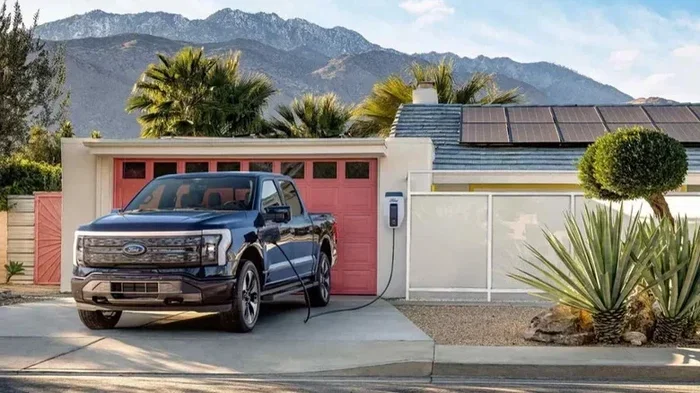
Can a Ford F150 Power a House when the lights go out? The short answer is yes, and it is more practical than most people think. A Ford F150 comes with a powerful electrical system that can serve as a reliable backup power solution during emergencies. With the right setup, your truck can keep essential appliances running and your home comfortable. In this guide, we will walk you through everything you need to know about using your F150 as a truck generator for your home. Let us dive into the details and help you prepare for your next power outage backup situation.
Power outages happen when you least expect them. Storms roll in, trees fall on lines, and suddenly your home is dark. Many homeowners are now asking a surprising question: can a Ford F150 power a house? It sounds unusual, but the idea is gaining traction fast. People want reliable emergency power that does not require a bulky traditional generator.
The Ford F150 is one of the most popular trucks on the road. It is tough, dependable, and packed with technology. What many owners do not realize is that this truck can double as a home power supply during an outage. Whether you live in a rural area or a suburban neighborhood, your F150 might be the best backup power solution you never knew you had. Let us explore how this works and what you need to get started.
Key Takeaways
- Yes, an F150 Can Power a House: A Ford F150 with a quality inverter can provide 2,000 to 9,600 watts of backup power solution for essential household needs during an outage.
- You Need the Right Equipment: A pure sine wave inverter and a manual transfer switch are essential for safe, effective truck-to-home power setup.
- Runtime Depends on Fuel and Load: A standard F150 can run 12 to 24 hours at moderate load, while the hybrid model offers battery-only power for several hours.
- Safety Is Non-Negotiable: Always run the truck outdoors, use a transfer switch, and install carbon monoxide detectors to protect your family.
- Cost-Effective Alternative: Using your F150 as a generator truck costs far less than buying a dedicated backup generator or standby system.
- Hybrid Models Are Game-Changers: The F150 PowerBoost hybrid offers up to 9.6 kilowatts of off-grid power and can run on battery alone for extended periods.
- Prepare Before You Need It: Practice your setup, keep your fuel tank half full, and maintain your equipment regularly for reliable emergency power when outages strike.
📑 Table of Contents
How a Ford F150 Can Power Your Home During an Outage
The concept of using a truck as a generator truck is not new. Farmers and rural homeowners have been doing it for decades. But modern F150 models make this easier than ever. The truck’s engine drives an alternator that produces electricity. This electricity can then be sent into your home to power lights, refrigerators, and other essentials. The key is understanding how much power your F150 can actually produce.
Understanding the F150’s Electrical System
Every Ford F150 has an alternator that charges the battery and powers the electrical systems while the engine runs. The alternator converts mechanical energy into household electricity. In older models, the alternator might produce around 60 to 90 amps. In newer F150s, especially those with the F150 electrical system upgrades, you can find alternators rated at 220 amps or more. This is a big jump in available power.
The truck also has a 12-volt battery that stores energy. When you connect an inverter to the truck, the DC power from the battery and alternator gets converted into AC power. AC power is what your home appliances need to run. So the F150 power output depends on your truck’s year, model, and engine type. A newer F150 with a high-output alternator will give you much more off-grid power than an older model.
Power Output Explained
Let us talk numbers. A standard F150 alternator produces about 220 amps at 12 volts. That equals roughly 2,640 watts of continuous power. With a quality inverter, you can expect around 2,000 to 2,400 watts of usable AC power. Some F150 models with the PowerBoost hybrid system can do even more. The hybrid F150 has a larger battery pack that adds to the total energy available.
Now, 2,000 watts might not sound like a lot. But it is enough to keep your refrigerator running, charge your phones, power a few lights, and run a small space heater. If you manage your wattage capacity wisely, your F150 can comfortably handle essential loads during a power failure preparedness scenario. The trick is knowing which appliances to prioritize and which to leave off.
What You Need to Connect Your F150 to Your House
Hooking up your F150 to your home is not as hard as it sounds. You need a few key pieces of equipment to make the connection safe and effective. Let us walk through what you need and why each piece matters.
Power Inverters and Transfer Switches
A power inverter is the heart of your truck-to-home power setup. It takes the 12-volt DC power from your F150 and converts it into 120-volt AC power that your home can use. You will want a pure sine wave inverter for the best results. These inverters produce clean, stable power that is safe for sensitive electronics like laptops and TVs.
A transfer switch is equally important. This device connects your F150 to your home’s electrical panel safely. It prevents backfeed, which can be dangerous for utility workers. A manual transfer switch costs between 300 and 800 dollars. It is a small price for the peace of mind it provides. Some homeowners also use a portable power station as an intermediary, but a direct transfer switch is more efficient for long-term use.
Safe Wiring Setup
Safety comes first when setting up truck-to-home power. Always park your F150 outside, away from windows and doors. Run the engine in a well-ventilated area to avoid carbon monoxide buildup. Use heavy-duty extension cords rated for outdoor use. Connect the inverter to your truck’s battery using appropriate gauge wires.
Never connect your F150 directly to your home’s wiring without a transfer switch. This is dangerous and can violate electrical codes. If you are not comfortable with electrical work, hire a licensed electrician to install the transfer switch. The cost is usually between 200 and 500 dollars for labor. It is a worthwhile investment that keeps your family safe and your setup legal.
What Appliances Can a Ford F150 Run?
Not all appliances are created equal when it comes to power draw. Some items use very little electricity, while others need a lot. Understanding what your F150 can handle helps you plan better during an outage. Let us break this down by appliance type.
Essential vs Non-Essential Loads
During a power outage, you should focus on essentials first. These are the items you need to stay safe and comfortable. Essentials include your refrigerator, a few lights, your phone chargers, and a medical device if needed. Non-essential items like air conditioners, electric ovens, and large entertainment systems should wait until you have more power available.
A typical refrigerator uses about 700 watts to start and 150 watts to run. A few LED lights use only 10 to 20 watts each. A phone charger uses about 5 to 10 watts. With a 2,000-watt inverter, you can easily handle all of these at the same time. That gives you a solid home power supply for the basics during a multi-hour or even multi-day outage.
Wattage Requirements at a Glance
Here is a quick look at common household appliances and their power needs. Use this table to plan your F150 power output usage during an outage.
| Appliance | Running Watts | Starting Watts |
|---|---|---|
| Refrigerator | 150 | 700 |
| LED Light Bulb | 10 | 10 |
| Phone Charger | 5 | 5 |
| Laptop | 50 | 60 |
| Small Space Heater | 1,500 | 1,500 |
| Microwave | 1,000 | 1,500 |
| Window AC Unit | 1,200 | 1,800 |
| Electric Kettle | 1,500 | 1,500 |
As you can see, a space heater or electric kettle alone uses most of your available power. Running a microwave and a space heater at the same time would overload a standard F150 inverter. Plan your usage carefully and stagger high-wattage appliances when possible.
Fuel Consumption and Runtime
One of the biggest questions about using an F150 as a backup power solution is how long it can run. The answer depends on your fuel tank size, engine type, and how much power you are drawing. Let us break down the numbers so you know what to expect.
How Long Will Your F150 Last?
A standard Ford F150 has a fuel tank that holds between 23 and 36 gallons, depending on the model. At idle, a gas F150 uses about 0.5 to 1 gallon per hour. When you are powering a home, the engine works harder and uses more fuel. A realistic estimate is 1 to 2 gallons per hour when running a moderate load through an inverter.
With a full tank, you could run your F150 for 12 to 24 hours at a moderate load. That is enough to get through most short outages. For longer outages, you will need to refuel. It is a good idea to keep your tank at least half full at all times during storm season. This gives you a buffer and avoids the scramble to find fuel right when you need it most.
Gas vs Hybrid F150 Options
The Ford F150 PowerBoost hybrid model changes the game. It has a 13.6-kWh battery pack in addition to the gas engine. This means you can run your inverter on battery power alone for a limited time. The hybrid F150 can provide up to 9.6 kilowatts of off-grid power from its electrical system. That is more than enough to run essential household items.
On battery power alone, the hybrid F150 can run for several hours without using any gasoline. When the battery depletes, the gas engine kicks in to recharge it and continue providing power. This gives you incredible flexibility. You can save fuel by using battery power during low-demand hours and switching to gas when you need more power. The F150 hybrid power system is a game-changer for homeowners looking for a reliable emergency power source.
Pros and Cons of Using an F150 as Backup Power
Like any backup power solution, using your F150 has its strengths and weaknesses. Let us look at the big picture so you can decide if this approach makes sense for your situation.
Comparing F150 to Traditional Generators
A traditional portable generator can produce 3,000 to 7,500 watts of power. That is more than a standard F150 inverter setup. However, generators are loud, heavy, and require separate fuel storage. Your F150 is already parked in your driveway. It has a full fuel tank. It runs quietly compared to most generators. And it serves double duty as transportation.
On the other hand, a traditional generator can power your entire house if you size it correctly. An F150 is best for running essentials, not your full electrical load. Here is a quick side-by-side comparison to help you decide.
| Feature | Ford F150 | Portable Generator |
|---|---|---|
| Power Output | 2,000 – 9,600 watts | 3,000 – 7,500 watts |
| Fuel Source | Gasoline or hybrid battery | Gasoline or propane |
| Noise Level | Quiet at idle | Moderate to loud |
| Dual Purpose | Yes, transportation | No |
| Setup Complexity | Moderate | Easy |
| Cost | Already owned | 500 – 2,000 dollars |
| Runtime | 12 – 24 hours | 8 – 16 hours |
As you can see, the F150 has some clear advantages. It is already paid for. It serves multiple purposes. And it provides clean, stable power through a quality inverter. The main limitation is power output. If you need to run your entire home, a traditional generator or a whole-house standby system is a better fit.
Cost Considerations
The cost of using your F150 as a truck generator is minimal compared to buying a dedicated backup generator. You need an inverter (200 to 500 dollars), a transfer switch (300 to 800 dollars), and possibly some wiring supplies. Total setup cost is usually between 500 and 1,300 dollars. Compare that to a portable generator that costs 800 to 2,500 dollars. And a standby generator can cost 3,000 to 10,000 dollars installed.
You also save on fuel costs since you are using your existing vehicle. The fuel consumption is higher than normal driving, but you are not buying a separate fuel source. Over time, the savings add up. And your F150 retains its resale value, which a portable generator does not offer the same way.
Expert Tips for Safe and Efficient Truck-to-Home Power
Using your F150 for backup power is straightforward, but a few expert tips can make the experience safer and more effective. These insights come from real-world experience and electrical best practices.
Safety First
Always run your F150 outdoors. Carbon monoxide is a silent killer. Even with the garage door open, exhaust fumes can seep into your home. Keep the tailpipe pointed away from windows and vents. Install carbon monoxide detectors in your home if you do not already have them. This is a simple, life-saving precaution.
Make sure all connections are secure and dry. Water and electricity do not mix. Use weatherproof covers on your inverter and connections if it is raining. Keep extension cords elevated off the ground to prevent water damage. If you ever smell gas or notice unusual behavior from your truck, shut everything down immediately and check for issues.
Maintenance and Care
Your F150 needs regular maintenance to be ready when you need it most. Keep the fuel tank at least half full at all times. Run the engine for 15 to 20 minutes every month to keep the battery charged and the engine in good shape. Check the oil level regularly, especially if you are using the truck frequently for power generation.
Inspect your inverter and wiring connections every few months. Loose connections can cause power loss or even fire hazards. Replace any damaged cords or components right away. If you have a hybrid F150, make sure the battery system is functioning properly. Follow the manufacturer’s maintenance schedule to keep everything running smoothly.
One more tip: practice your setup before you actually need it. Running through the connection process when the power is on helps you identify any issues ahead of time. It also builds your confidence so you can act quickly when an outage strikes. Power failure preparedness is all about having a plan and knowing your equipment.
Conclusion
Can a Ford F150 power a house when the lights go out? Absolutely. With the right setup and a smart approach to managing your wattage capacity, your F150 can keep your essentials running during an outage. It is a practical, cost-effective backup power solution that uses equipment you already own. From understanding your F150 power output to setting up a safe connection with a transfer switch, this guide has given you everything you need to get started.
Whether you have a standard gas F150 or a PowerBoost hybrid, your truck is more capable than you might think. It may not power your entire home like a whole-house generator, but it can handle the essentials with ease. The key is planning ahead, investing in the right equipment, and practicing your setup before you need it.
Take some time this week to review your power outage backup plan. Check your fuel level. Test your inverter. Make sure your transfer switch is ready to go. A little preparation now can save you a lot of stress later. Your Ford F150 is ready to be your reliable emergency power source. All you need to do is connect the dots.
Frequently Asked Questions
Can I run my entire house on a Ford F150?
A standard F150 setup can power essential appliances like your refrigerator, lights, and phone chargers. It cannot run your entire home at once, especially high-draw items like air conditioners or electric water heaters. For full-home power, you would need a larger generator or a standby system.
What kind of inverter do I need for my F150?
You need a pure sine wave inverter rated for at least 2,000 watts. Pure sine wave inverters produce clean, stable power that is safe for sensitive electronics. Avoid modified sine wave inverters, as they can damage some appliances and produce electrical noise.
Is it safe to run my F150 in the garage to power my home?
No, never run your F150 in an enclosed or partially enclosed space. Carbon monoxide from the exhaust can build up quickly and is extremely dangerous. Always park your truck outside with the tailpipe pointing away from windows and vents.
How much does it cost to set up an F150 as a backup generator?
The total setup cost ranges from 500 to 1,300 dollars. This includes a quality inverter (200 to 500 dollars), a manual transfer switch (300 to 800 dollars), and any wiring supplies you may need. If you hire an electrician for the transfer switch installation, add 200 to 500 dollars for labor.
Can a hybrid F150 power a house without using any gas?
Yes, the Ford F150 PowerBoost hybrid can run on battery power alone for a limited time. The 13.6-kWh battery pack can supply several kilowatts of power. However, the battery will eventually deplete, and the gas engine will need to kick in to recharge it and continue providing electricity.
How do I maintain my F150 for backup power readiness?
Keep your fuel tank at least half full at all times. Run the engine for 15 to 20 minutes every month to charge the battery and keep the engine in good condition. Check your inverter connections, inspect wiring, and follow the manufacturer’s maintenance schedule. Practice your setup before an emergency so you are confident and prepared.