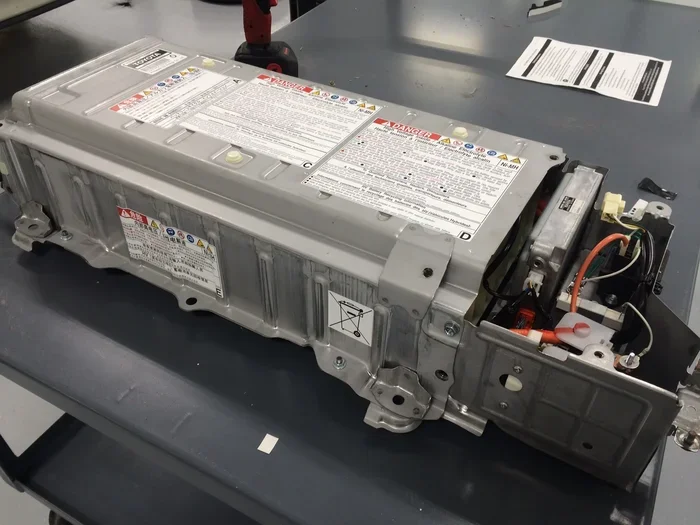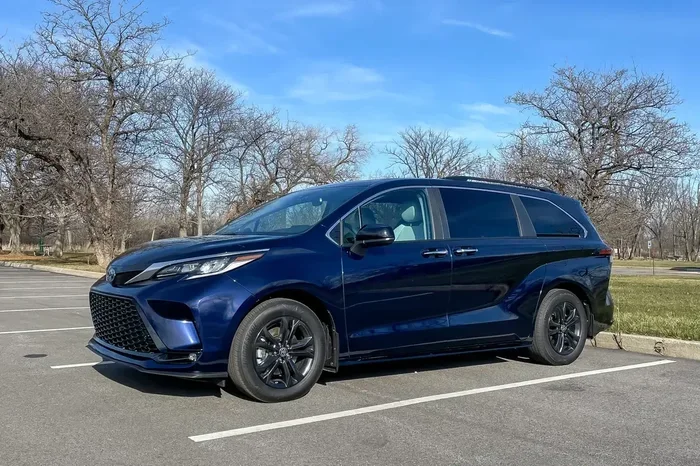
How Long Do Toyota Sienna Transmissions Last on Average
The Toyota Sienna transmission is built to last, with many owners reaching 200,000 to 300,000 miles with proper care. Regular transmission fluid changes and timely maintenance play a huge role in extending lifespan. Understanding what affects your Sienna’s transmission longevity helps you avoid costly repairs and keep your minivan running strong.
This is a comprehensive guide about How Long Do Toyota Sienna Transmissions Last?.
Key Takeaways
- Average Lifespan: Most Toyota Sienna transmissions last between 200,000 and 300,000 miles with proper maintenance.
- Fluid Changes Matter: Regular transmission fluid and filter changes are the single most important factor in extending transmission life.
- Watch for Warning Signs: Slipping gears, delayed shifting, and unusual noises signal potential transmission problems early.
- Generation Differences: Newer Sienna models (2021+) use a different transmission design than older generations, affecting longevity expectations.
- Driving Habits Count: Towing, hauling heavy loads, and aggressive driving reduce transmission lifespan significantly.
- Cost of Repairs: Transmission rebuilds or replacements can cost $3,000 to $8,000, making preventive maintenance a smart investment.
- Warranty Coverage: Toyota’s powertrain warranty covers transmission defects, but wear-and-tear issues are not included.
[FEATURED_IMAGE_PLACEHOLDER]
When you buy a Toyota Sienna, you are getting a minivan that is known for reliability and family-friendly design. But one question every Sienna owner eventually asks is: how long do Toyota Sienna transmissions last? The answer depends on several factors, including your maintenance routine, driving habits, and the specific generation of your vehicle. In this guide, we will walk you through everything you need to know about Toyota Sienna transmission lifespan, from average mileage expectations to warning signs that something is wrong.
Whether you just bought a used Sienna or have been driving one for years, understanding your transmission is essential. The transmission is one of the most complex and expensive components in any vehicle. Taking care of it properly can save you thousands of dollars in repairs. Let us dive into what you need to know about keeping your Sienna’s transmission healthy for the long haul.
The Toyota Sienna transmission has evolved over the years. Older models used a traditional automatic transmission, while newer generations introduced different designs. Each generation has its own strengths and potential weaknesses. Knowing which one your Sienna has helps you set realistic expectations for how long it will last.
Understanding the Toyota Sienna Transmission
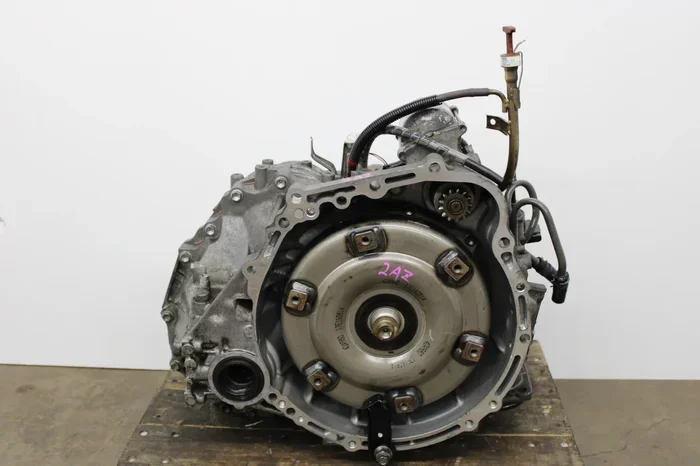
The transmission in your Sienna is responsible for transferring power from the engine to the wheels. It shifts gears smoothly so your vehicle can accelerate, cruise, and climb hills efficiently. Without a functioning transmission, your Sienna simply cannot move properly.
Types of Transmissions Used in the Sienna
Different generations of the Toyota Sienna used different transmission types. Here is a quick breakdown:
- 2001-2010 (First Generation): These models used a 4-speed automatic transmission. It was reliable for its time but lacked the efficiency of newer designs.
- 2011-2020 (Second Generation): The second-generation Sienna moved to a 6-speed automatic transmission. This offered smoother shifts and better fuel economy.
- 2021-Present (Third Generation): The newest Sienna uses a hybrid powertrain paired with a Continuously Variable Transmission (CVT). This design focuses on efficiency and smooth acceleration.
Each transmission type has a different lifespan profile. The older 4-speed and 6-speed automatics tend to be simpler and easier to maintain. The CVT in the newer hybrid models is more complex but offers advantages in fuel efficiency.
How Transmission Design Affects Longevity
The design of your transmission directly impacts how long it will last. Traditional automatic transmissions have more moving parts, but they are also well-understood by mechanics. CVTs, on the other hand, use a belt or chain system that requires specific care.
For the Toyota Sienna transmission, regular maintenance is the key regardless of type. A well-maintained transmission will always outlast a neglected one. The difference can be tens of thousands of miles.
Average Lifespan of a Toyota Sienna Transmission
So, what is the real-world Toyota Sienna transmission lifespan? Most experts agree that with proper care, a Sienna transmission can last well over 200,000 miles. Some owners report pushing past 300,000 miles without a major rebuild.
Mileage Expectations by Generation
The generation of your Sienna plays a role in transmission longevity. Here is what to expect:
- First Generation (2001-2010): With regular maintenance, the 4-speed automatic can last 200,000 to 250,000 miles. Some well-cared-for examples exceed 300,000 miles.
- Second Generation (2011-2020): The 6-speed automatic is slightly more refined. Owners commonly report 250,000 miles or more before needing major transmission work.
- Third Generation (2021-Present): The hybrid CVT is newer, so long-term data is still coming in. Early reports suggest it can reach 200,000+ miles with proper care.
These numbers assume you follow the recommended maintenance schedule. If you skip fluid changes or ignore warning signs, your transmission may fail much earlier.
What Affects Transmission Lifespan?
Several factors determine how long your Sienna’s transmission will last. Understanding these helps you take control of your vehicle’s longevity.
- Maintenance Schedule: Sticking to the factory-recommended service intervals is the most important factor.
- Driving Conditions: Stop-and-go city driving puts more stress on the transmission than highway cruising.
- Towing and Hauling: Heavy loads increase transmission temperature and wear. If you regularly tow, your transmission may not last as long.
- Climate: Extreme heat accelerates transmission fluid breakdown. Living in a hot climate means you need to change fluid more frequently.
- Driving Habits: Aggressive acceleration and hard braking wear out transmission components faster.
Signs Your Toyota Sienna Transmission Needs Attention
Catching transmission problems early can save you from expensive repairs. Your Sienna will give you warning signs long before a complete failure. Knowing what to look for is half the battle.
Common Warning Signs
Watch for these symptoms that indicate transmission trouble:
- Slipping Gears: If your Sienna unexpectedly shifts out of gear or feels like it is changing gears on its own, this is a serious red flag.
- Delayed Engagement: A pause when shifting from Park to Drive or Reverse suggests internal wear.
- Rough or Harsh Shifting: Smooth shifts should be the norm. Jerky or jarring gear changes indicate a problem.
- Unusual Noises: Grinding, whining, or clunking sounds, especially when in gear, need immediate attention.
- Fluid Leaks: Red or brown fluid pooling under your Sienna means transmission fluid is escaping.
- Check Engine Light: Modern Siennas have transmission sensors that trigger the check engine light when something is wrong.
Why Early Detection Matters
Ignoring these signs leads to worse damage over time. A small transmission fluid leak can become a complete transmission failure if left unchecked. Addressing problems early keeps repair costs down and extends the overall life of your transmission.
Maintenance Tips to Extend Transmission Life
The best way to ensure your Toyota Sienna transmission lasts as long as possible is through consistent, proactive maintenance. Here is what you need to do.
Transmission Fluid Changes
Transmission fluid is the lifeblood of your transmission. It lubricates gears, cools internal components, and helps with smooth shifting. Over time, fluid breaks down and loses its effectiveness.
Toyota recommends changing transmission fluid every 60,000 to 100,000 miles for most Sienna models. However, if you drive in severe conditions, you should shorten this interval. Severe conditions include:
- Frequent towing or hauling
- Driving in extreme heat or cold
- Stop-and-go traffic daily
- Short trips under five miles
Using the correct Toyota-spec transmission fluid is equally important. Not all fluids are created equal. Using the wrong type can cause premature wear and void your warranty.
Transmission Filter Replacement
The transmission filter catches debris and contaminants. A clogged filter restricts fluid flow and causes shifting problems. Replace the filter at the same time you change the fluid. This is a simple step that many owners overlook.
Cooling System Maintenance
Your Sienna’s transmission relies on the cooling system to maintain the right temperature. Overheating is one of the leading causes of transmission failure. Make sure your coolant levels are correct and your radiator is functioning properly.
Software Updates
Newer Sienna models may benefit from transmission software updates at the dealership. These updates can improve shifting patterns and address known issues. Ask your dealer if any updates are available for your specific model year.
Transmission Repair and Replacement Costs
Nobody wants to think about transmission repairs, but understanding the costs helps you budget and make informed decisions.
Typical Repair Costs
Transmission repair costs for the Toyota Sienna vary widely depending on the problem:
- Fluid Change: $150 to $300. This is the cheapest and most effective preventive measure.
- Transmission Flush: $250 to $500. More thorough than a simple fluid change.
- Sensor Replacement: $200 to $500. Common fix for shifting issues.
- Transmission Rebuild: $3,000 to $5,000. Required for major internal damage.
- Transmission Replacement: $5,000 to $8,000. The most expensive option, typically for complete failures.
These costs can vary based on your location, the mechanic’s experience, and whether you use a dealership or independent shop. If you want to understand labor costs better, you can check how much mechanics charge per hour in your area.
Is It Worth Repairing or Replacing?
For older Siennas with high mileage, a full transmission replacement may not make financial sense. In those cases, you might consider whether the vehicle’s overall value justifies the repair cost. If you are wondering about the overall value of your aging vehicle, learning how old your car can be for Lyft might give you perspective on whether it is worth investing in major repairs.
Driving Habits That Protect Your Transmission
How you drive your Sienna has a direct impact on transmission longevity. Small changes in your driving habits can add thousands of miles to your transmission’s life.
Smooth Acceleration and Braking
Hard acceleration forces the transmission to work harder. It creates more heat and puts extra stress on internal components. Similarly, abrupt braking can cause unnecessary wear on the drivetrain.
Instead, practice smooth, gradual acceleration and braking. This not only protects your transmission but also improves fuel economy. In fact, adopting efficient driving habits can help you understand how much mileage eco mode saves and complement the benefits of gentle driving.
Proper Warming Up
In cold weather, give your Sienna a minute or two to warm up before driving. This allows the transmission fluid to reach the right temperature and flow properly. Cold fluid is thicker and does not lubricate as effectively.
Avoid Overloading
Every vehicle has a weight limit. Exceeding it puts extra strain on the transmission. While the Sienna is a spacious minivan with good cargo capacity, you should still respect the manufacturer’s recommended limits. Just as you would check how much weight you can put in your pickup truck before hauling, know your Sienna’s limits too.
Parking Brake Usage
Always use your parking brake when parked. Relying only on the transmission’s parking pawl puts unnecessary stress on that small component. Over time, this can lead to damage, especially on inclines.
Toyota Sienna Transmission Warranty and Recalls
Understanding your warranty coverage gives you peace of mind and protects your investment.
Powertrain Warranty Coverage
Toyota offers a comprehensive powertrain warranty that covers transmission defects. For most Sienna models, this includes:
- 3 years or 36,000 miles for basic warranty coverage
- 5 years or 60,000 miles for powertrain coverage (varies by model year)
- 10 years or 100,000 miles for hybrid components on newer models
The warranty covers manufacturing defects and failures due to faulty materials or workmanship. It does not cover wear items like fluid, filters, or damage caused by lack of maintenance, towing beyond capacity, or accidents.
Known Transmission Issues by Generation
Some Sienna generations have had known transmission concerns. Staying informed helps you take preventive action:
- First Generation (2001-2010): Some owners reported rough shifting after 150,000 miles. Regular fluid changes help prevent this.
- Second Generation (2011-2020): Generally reliable, but a few reports of 6-speed transmission hesitation at low speeds. Software updates often address this.
- Third Generation (2021-Present): The hybrid CVT is still relatively new. Early reports are positive, but long-term durability data is still being gathered.
If you are concerned about potential issues, staying on top of your service schedule and addressing small problems quickly is your best defense.
Frequently Asked Questions
How often should I change the transmission fluid in my Toyota Sienna?
Toyota recommends changing the transmission fluid every 60,000 to 100,000 miles for most Sienna models. However, if you drive in severe conditions like heavy traffic, extreme temperatures, or tow frequently, you should shorten this interval to every 40,000 to 60,000 miles. Always use Toyota-spec transmission fluid to ensure compatibility and protection.
Can a Toyota Sienna transmission last 300,000 miles?
Yes, many Toyota Sienna owners have reported their transmissions lasting 300,000 miles or more. This is achievable with consistent maintenance, gentle driving habits, and prompt attention to any warning signs. The key is never skipping fluid changes and addressing small issues before they become major problems.
What is the most common transmission problem in a Toyota Sienna?
The most common issue is delayed or rough shifting, especially in older models. This often stems from degraded transmission fluid or a clogged filter. In newer hybrid models, some owners have reported minor CVT concerns, but these are typically addressed through software updates or minor adjustments.
Is a transmission flush necessary for a Toyota Sienna?
A transmission flush is more thorough than a standard fluid change and can help remove old, contaminated fluid from the entire system. While not strictly required every service interval, getting a flush every 100,000 miles can significantly extend the life of your Sienna’s transmission, especially if you drive in demanding conditions.
How do I know if my Sienna’s transmission is failing?
Watch for signs like slipping gears, delayed engagement when shifting, unusual grinding or whining noises, fluid leaks under the vehicle, and a burning smell. If you notice any of these symptoms, have your Sienna inspected by a qualified mechanic as soon as possible. Early detection prevents more expensive repairs down the road.
Should I buy a used Toyota Sienna with over 150,000 miles?
A used Sienna with over 150,000 miles can be a great buy if it has been well maintained. Ask for the full service history, especially regarding transmission fluid changes. A Sienna that has had regular fluid changes and no major transmission issues can easily last another 100,000 miles or more with proper care.
Final Thoughts
The Toyota Sienna transmission is a durable and reliable component designed to serve you for hundreds of thousands of miles. The average lifespan of 200,000 to 300,000 miles is well within reach for most owners who stay on top of maintenance. Regular fluid changes, prompt attention to warning signs, and smart driving habits are your best tools for maximizing transmission longevity.
Remember, your transmission is one of the most expensive components to repair or replace in your Sienna. Investing a little time and money into preventive maintenance pays off enormously over the life of the vehicle. Do not wait for problems to appear. Start today by checking your transmission fluid level and scheduling your next service if it is due.
By following the tips in this guide, you give your Sienna the best chance of a long, trouble-free life on the road. A well-maintained Toyota Sienna transmission will keep your family moving safely and comfortably for years to come.
Frequently Asked Questions
What is How Long Do Toyota Sienna Transmissions Last??
How Long Do Toyota Sienna Transmissions Last? is an important topic with many practical applications.