How the Toyota Corolla Cross Hybrid Powertrain Works
The Toyota Corolla Cross Hybrid uses Toyota’s Hybrid Synergy Drive to blend a gasoline engine with an electric motor for smooth, efficient power. This system delivers impressive fuel economy, quiet electric-only driving, and smart regenerative braking. Understanding how the hybrid powertrain works helps owners get the most from their vehicle every single day.
Key Takeaways
- Hybrid Synergy Drive: The Corolla Cross Hybrid uses Toyota’s proven hybrid system to seamlessly switch between electric and gasoline power.
- Regenerative Braking: Energy normally lost during braking is captured and stored back in the hybrid battery for later use.
- Impressive Fuel Economy: The hybrid powertrain delivers excellent fuel efficiency, making it ideal for daily commuting and city driving.
- Electric-Only Mode: The vehicle can run on electric power alone at low speeds, reducing emissions and noise.
- eCVT Transmission: A unique power split device eliminates the need for a traditional automatic transmission.
- Low Maintenance Costs: Hybrid components like the battery and regenerative brakes are designed for long life and reduced wear.
- Eco Mode Enhances Efficiency: Switching to eco mode further optimizes fuel consumption and power delivery.
📑 Table of Contents
- How the Toyota Corolla Cross Hybrid Powertrain Works
- The Core Components of the Hybrid System
- How the Hybrid Powertrain Delivers Power
- Fuel Efficiency and Range
- Common Questions About the Corolla Cross Hybrid Powertrain
- Comparing the Hybrid to the Gas-Only Version
- Tips for Maximizing Your Hybrid Powertrain
- How the Hybrid System Stays Cool
- The Future of Toyota Hybrid Technology
- Final Thoughts on the Toyota Corolla Cross Hybrid Powertrain
How the Toyota Corolla Cross Hybrid Powertrain Works
The Toyota Corolla Cross Hybrid has become one of the most popular compact hybrid SUVs on the market. But how does it actually work under the hood? Many drivers love the smooth acceleration and great fuel economy without fully understanding the technology behind it.
At its core, the hybrid powertrain combines a gasoline engine with one or more electric motors. Together, they share the job of moving the car forward. This partnership means you get the best of both worlds: the range of a gas engine and the efficiency of electric power. The system is clever, automatic, and designed to work with almost no input from you.
Toyota calls this system Hybrid Synergy Drive. It has been refined over decades and powers millions of Toyota and Lexus vehicles worldwide. The Corolla Cross Hybrid uses a smaller, lighter version of this same proven technology. That means you get all the benefits of hybrid technology in a compact, affordable package.
If you have ever wondered what happens when you press the accelerator in a hybrid, this article breaks it all down. We will walk through every major component, how they work together, and why this setup is so efficient. By the end, you will understand your vehicle better than most owners do.
The Core Components of the Hybrid System
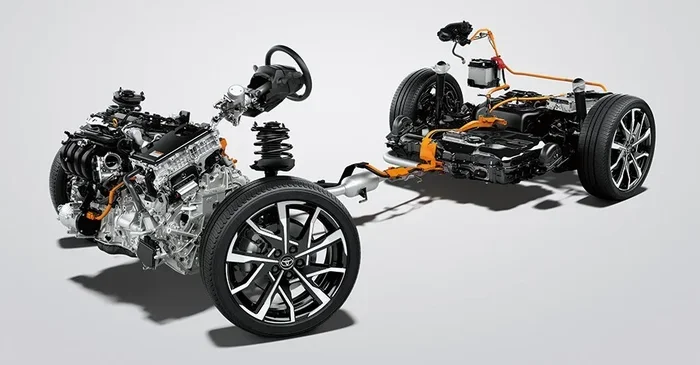
The Toyota Corolla Cross Hybrid powertrain relies on several key parts working in harmony. Each component plays a specific role in delivering power, storing energy, and maximizing efficiency. Let us look at the main pieces that make this hybrid system tick.
Gasoline Engine
The Corolla Cross Hybrid uses a 1.8-liter four-cylinder gasoline engine. This engine is designed to work alongside the electric motor, not replace it. Its primary job is to generate electricity and provide extra power when needed, such as during highway merging or hill climbing.
The engine runs on the Atkinson cycle, which is different from a standard gasoline engine. This cycle prioritizes efficiency over raw power. The result is a engine that sips fuel and produces less waste heat. Combined with the electric motor, the total system output is around 140 horsepower, which is plenty for daily driving.
Electric Motor(s)
Toyota uses two motor-generators in the Corolla Cross Hybrid system. These are called MG1 and MG2. Each one has a specific job. MG1 primarily acts as a starter and generator. It starts the engine and generates electricity during regenerative braking.
MG2 is the main drive motor. It pulls the car forward using electric power alone. It also acts as a generator when the vehicle is coasting or braking. Together, these two motors provide seamless power delivery that feels smooth and natural. You rarely notice when the system switches between electric and gas power.
The Hybrid Battery Pack
The battery pack stores electrical energy for the electric motor to use. The Corolla Cross Hybrid uses a nickel-metal hydride (NiMH) battery pack. This type of battery is known for its durability and long life. Toyota has used NiMH batteries in hybrids for over 25 years with excellent results.
The battery is located under the rear seats or in the trunk area, depending on the model year. This placement keeps the center of gravity low, which helps with handling and stability. The battery does not need to be plugged in. It charges itself through regenerative braking and the gasoline engine. This is what makes it a self-charging hybrid.
Power Split Device
The power split device is the brain of the hybrid system. It is essentially a clever gearset that divides power between the engine, electric motor, and wheels. This device allows the car to operate in different modes without any input from the driver.
For example, at low speeds, the power split device routes electric motor power to the wheels. At highway speeds, it blends engine and motor power seamlessly. This is why the Corolla Cross Hybrid feels so smooth during acceleration. There are no noticeable gear shifts because there is no traditional transmission. Instead, the system uses what Toyota calls an eCVT, or electronic continuously variable transmission.
How the Hybrid Powertrain Delivers Power
Understanding how power flows through the system helps you appreciate why the Toyota Corolla Cross Hybrid is so efficient. The powertrain operates in several different modes depending on driving conditions. Each mode is selected automatically by the car’s computer.
Electric-Only Driving Mode
At low speeds, such as when pulling out of a parking spot or driving through a neighborhood, the car runs on electric power alone. The gasoline engine stays off. This means zero emissions, zero fuel use, and nearly silent operation.
Electric-only mode works well at speeds up to about 25-30 mph. It is perfect for city driving and stop-and-go traffic. The electric motor delivers instant torque, which means quick, responsive acceleration from a standstill. This is one of the reasons hybrids feel so peppy in everyday driving.
Combined Power Mode
When you need more power, such as during highway merging or passing, the gasoline engine kicks in alongside the electric motor. Both work together to deliver maximum performance. The car’s computer decides exactly how much power comes from each source based on demand.
This combined mode is where the hybrid system shines. The engine provides steady base power, while the electric motor fills in the gaps and boosts acceleration. The result is a driving experience that feels responsive and confident without guzzling fuel.
Regenerative Braking Mode
One of the smartest features of the hybrid powertrain is regenerative braking. When you lift off the accelerator or press the brake pedal, the electric motor reverses its role and becomes a generator.
As the wheels turn the motor, it creates electricity. This electricity is sent back to the battery for storage. In other words, the car recycles energy that would normally be wasted as heat in traditional brake pads. This process is called regenerative braking, and it is a key reason hybrids achieve such great fuel economy.
Regenerative braking also reduces wear on your traditional brake components. Because the electric motor handles most of the slowing down, your brake pads and rotors last longer. This translates to lower maintenance costs over the life of the vehicle.
Engine Charging Mode
Sometimes the battery level drops too low. When this happens, the gasoline engine starts up and runs at an efficient speed to generate electricity. This electricity either charges the battery or powers the electric motor directly. You might notice the engine turning on at unexpected times, but this is completely normal and part of how the system stays balanced.
The car always tries to keep the battery at an optimal charge level. It does not overcharge or let the battery drain too much. This smart management system ensures the hybrid components last for the lifetime of the vehicle.
Fuel Efficiency and Range
The Toyota Corolla Cross Hybrid delivers outstanding fuel efficiency thanks to its powertrain design. The combination of electric-only driving, engine efficiency, and regenerative braking means you visit the gas station far less often than with a conventional vehicle.
EPA ratings for the Corolla Cross Hybrid typically show combined fuel economy in the mid-40s mpg range. This is significantly better than the gas-only version of the same vehicle. Over time, these savings add up to hundreds or even thousands of dollars at the pump.
Eco mode is another feature that enhances fuel efficiency. When you switch to eco mode, the car adjusts throttle response, air conditioning output, and power delivery to maximize mileage. This is especially helpful during city driving or long commutes. If you want to learn more about how much mileage eco mode saves, check out our detailed guide on how much mileage eco mode saves.
Real-world fuel economy depends on several factors. Driving habits, terrain, temperature, and cargo weight all play a role. However, most owners find that their actual mileage comes very close to the EPA estimates. The hybrid system is forgiving and adapts well to different driving styles.
Common Questions About the Corolla Cross Hybrid Powertrain
Many new hybrid owners have questions about how their vehicle works and what to expect. Here are some of the most common concerns and what you need to know.
Does the Battery Need Replacing?
Toyota designed the hybrid battery to last the lifetime of the vehicle. The NiMH battery in the Corolla Cross Hybrid is built to withstand thousands of charge cycles. In fact, many Toyota hybrids with original batteries are still running strong after 200,000 miles or more.
Toyota also offers an extended warranty on hybrid components, including the battery. This gives owners peace of mind. If you are concerned about long-term reliability, you can read about how long a hybrid can sit without being driven in our article on how long a hybrid can sit without being driven.
Is the Hybrid System Complicated to Maintain?
Surprisingly, the hybrid powertrain is simpler in some ways than a conventional vehicle. There is no traditional transmission, which eliminates a major maintenance item. Regenerative braking reduces wear on brake components. And the gasoline engine experiences less stress because the electric motor handles much of the workload.
Regular maintenance includes oil changes, tire rotations, and cabin air filter replacements. The hybrid system itself requires very little attention. Toyota dealerships are well-trained in hybrid service, and you can take your vehicle to any dealership for warranty work. Learn more about this in our guide on whether you can take your Toyota to any dealership for warranty work.
How Does Cold Weather Affect the Hybrid System?
Cold weather can temporarily reduce the efficiency of any hybrid vehicle. The battery does not accept a charge as quickly in freezing temperatures. The gasoline engine may run more often to keep the battery warm and provide cabin heat.
However, Toyota engineered the Corolla Cross Hybrid to handle cold climates. The system adapts its strategy based on temperature. Pre-conditioning the cabin while the car is still plugged in (if applicable) or letting the engine warm up briefly before driving can help. Overall, the hybrid system remains reliable and efficient even in winter conditions.
Can You Jump-Start a Toyota Hybrid?
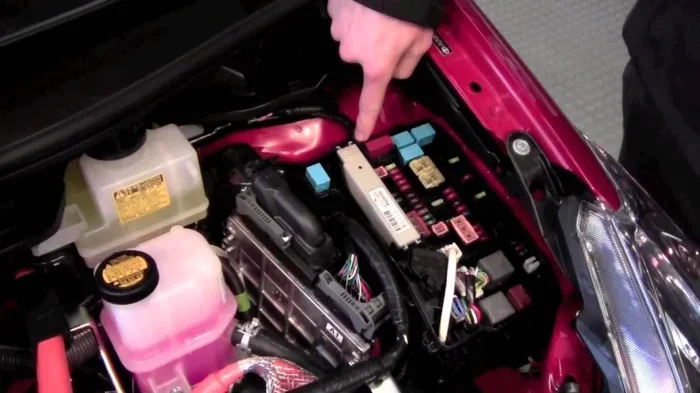
Yes, you can jump-start a Toyota hybrid, but the process is slightly different from a conventional car. The hybrid battery is high-voltage, so you never jump from the hybrid battery itself. Instead, you use the 12-volt auxiliary battery, which is located under the hood or in the trunk.
Always consult your owner’s manual for the correct jump-start procedure. Toyota also provides detailed instructions in the emergency section of the manual. For a more detailed walkthrough, see our guide on how to jump-start a Toyota hybrid car.
What Happens When the Gas Tank Runs Empty?
The Corolla Cross Hybrid cannot run on electric power alone for extended distances. If you run out of gasoline, the car will stop. The electric motor needs the gasoline engine to generate electricity once the battery is depleted.
However, the hybrid system is designed to maximize the distance you can travel on a single tank. With a decent fuel tank size and excellent efficiency, the range between fill-ups is quite long. Most owners easily exceed 500 miles on a full tank, depending on driving conditions.
How Does the Hybrid System Impact Driving Feel?
The Corolla Cross Hybrid drives differently from a conventional gasoline SUV, but in a good way. The most noticeable difference is the near-silent operation at low speeds. When the electric motor is doing the work, the cabin is remarkably quiet.
Acceleration feels smooth and linear because there are no gear shifts. The power split device blends engine and motor power seamlessly. Some drivers initially miss the engine noise of a conventional car, but most grow to appreciate the refined, calm driving experience the hybrid provides.
Comparing the Hybrid to the Gas-Only Version
The Toyota Corolla Cross comes in both hybrid and gas-only versions. The hybrid commands a higher upfront price, but the savings over time can offset that difference. Here is a quick comparison to help you understand the value proposition.
| Feature | Corolla Cross Hybrid | Corolla Cross Gas |
|---|---|---|
| Engine Type | 1.8L Hybrid (1.8L 4-cyl + electric motor) | 2.0L 4-cylinder |
| System Output | ~140 horsepower | ~169 horsepower |
| Fuel Economy (Combined) | ~42 mpg | ~30 mpg |
| Transmission | eCVT (power split) | CVT |
| Starting Price (approx.) | Higher | Lower |
| Regenerative Braking | Yes | No |
| Electric-Only Mode | Yes (low speeds) | No |
| Maintenance Costs | Lower long-term | Standard |
The hybrid version makes the most sense for drivers who spend a lot of time in city traffic or on short commutes. The electric-only mode at low speeds is a game-changer for stop-and-go driving. The gas-only version may appeal to those who prioritize raw power or frequently drive long highway distances at high speeds.
Tips for Maximizing Your Hybrid Powertrain
Getting the most out of your Toyota Corolla Cross Hybrid is easier than you might think. A few simple habits can boost fuel economy and extend the life of your hybrid components.
- Drive smoothly: Avoid hard acceleration and sudden braking. Smooth driving lets the hybrid system work efficiently and maximizes regenerative braking opportunities.
- Use cruise control on highways: Maintaining a steady speed helps the engine operate at its most efficient point.
- Keep tires properly inflated: Underinflated tires increase rolling resistance and reduce fuel economy.
- Use eco mode regularly: This simple switch optimizes power delivery for maximum efficiency.
- Monitor your energy display: Most Corolla Cross Hybrid models have an energy flow display. Watching it helps you understand how the system works in real time.
- Minimize idling: Turn off the engine if you are parked for more than a minute. The hybrid system handles restarts seamlessly.
These tips are easy to follow and make a real difference over time. You will notice the benefits at the pump and in the longevity of your vehicle.
How the Hybrid System Stays Cool
Hybrid vehicles manage heat differently than conventional cars. The gasoline engine, electric motor, and battery all produce heat during operation. The cooling system must handle all of these components simultaneously.
The Corolla Cross Hybrid uses separate cooling circuits for the powertrain and the battery. This prevents one system from affecting the other. The engine cooling system uses a traditional radiator and water pump. The hybrid battery has its own dedicated cooling fan and airflow path.
Interestingly, some drivers wonder whether running the heater helps cool the engine. In conventional cars, the heater does draw heat away from the engine. In hybrids, the system is more sophisticated and does not rely on the heater for cooling in the same way. For more details on this topic, check out our article on whether running the heater helps cool the engine.
The Future of Toyota Hybrid Technology
Toyota continues to invest heavily in hybrid technology. The Corolla Cross Hybrid represents a mature, proven system. But Toyota is always evolving. Future hybrid systems will likely feature more powerful electric motors, advanced battery chemistry, and even smarter power management software.
Toyota’s hybrid lineup continues to grow, covering everything from compact cars to trucks and SUVs. The company’s commitment to hybrid technology sets it apart from competitors who have focused primarily on fully electric vehicles. For many buyers, the Corolla Cross Hybrid offers the perfect balance of efficiency, practicality, and affordability.
Understanding how your hybrid powertrain works empowers you as a driver. You make better decisions about driving habits, maintenance, and fuel use. This knowledge also helps you troubleshoot issues and communicate effectively with service advisors. The more you know about your vehicle, the better experience you will have as an owner.
Final Thoughts on the Toyota Corolla Cross Hybrid Powertrain
The Toyota Corolla Cross Hybrid powertrain is an elegant, well-engineered system that delivers real-world benefits every day. It combines a gasoline engine, electric motor, battery pack, and power split device into a seamless package that maximizes efficiency and minimizes waste.
Whether you are cruising through city streets in electric-only mode or merging onto the highway with combined power, the system adapts automatically. You do not need to think about it. That is the beauty of Toyota’s hybrid technology. It works quietly in the background to save you money and reduce your environmental impact.
If you are considering a Corolla Cross Hybrid or already own one, understanding the powertrain helps you appreciate what makes this vehicle special. The hybrid system is not magic. It is smart engineering that has been refined over decades of real-world use. And that is exactly why Toyota hybrids continue to be among the most reliable and efficient vehicles on the road today.
Take care of your hybrid vehicle with regular maintenance, drive with awareness, and enjoy the benefits of this remarkable technology. The Toyota Corolla Cross Hybrid is a smart choice for anyone who wants efficiency without compromise.