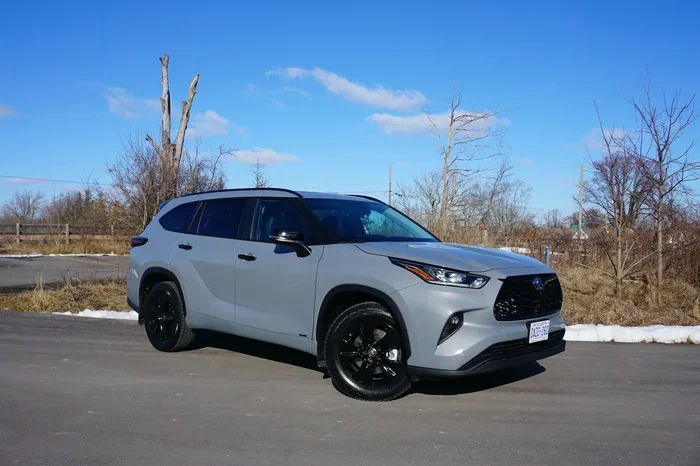
How Do Hybrid Highlanders Work and What Makes Them Special
The Toyota Highlander Hybrid combines a gasoline engine with electric motors to deliver smooth, efficient power. This hybrid suv uses a clever power split device and regenerative braking to maximize fuel economy. Understanding how the hybrid system works helps owners get the most from their vehicle.
The Toyota Highlander Hybrid is one of the most popular hybrid suv models on the road today. Families love it for its spacious cabin, smooth ride, and outstanding fuel economy. But have you ever wondered what happens under the hood? How do hybrid Highlanders work exactly? In this guide, we break down every part of the hybrid system in simple terms. You will learn about the powertrain, the battery, the driving modes, and much more. By the end, you will understand why this vehicle stands out in the crowded SUV market.
Whether you are shopping for a new hybrid crossover or already own one, this guide has something for you. We will walk through the technology step by step. No confusing jargon, no fluff. Just clear, honest information that helps you get the most out of your ride. Let us dive into the world of Toyota hybrid technology and see what makes the Highlander Hybrid so special.
Key Takeaways
- Hybrid Powertrain: The Highlander Hybrid pairs a 2.5L gasoline engine with two electric motors for seamless power delivery.
- Fuel Efficiency: The hybrid system delivers impressive mpg thanks to regenerative braking and electric-only driving modes.
- Battery Technology: The NiMH or lithium-ion battery pack is designed to last the life of the vehicle with proper care.
- Driving Modes: Multiple modes including EV mode, ECO mode, and normal mode let drivers customize their experience.
- Maintenance Tips: Hybrid Highlanders require less brake wear and have unique maintenance needs compared to gas-only models.
- Value Proposition: The hybrid system adds long-term savings on fuel, making it a smart choice for families.
📑 Table of Contents
What Is the Toyota Highlander Hybrid?
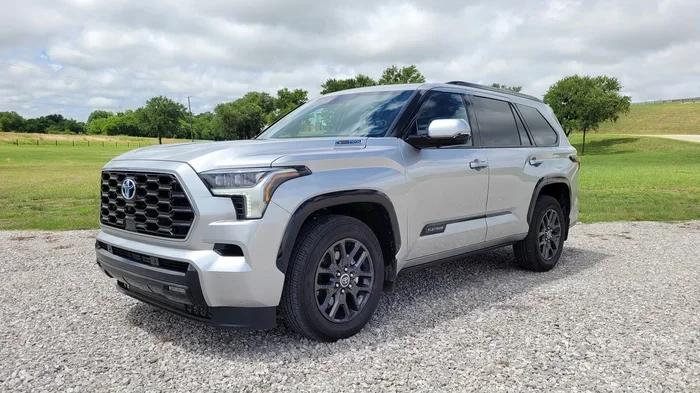
The Toyota Highlander Hybrid is a mid-size hybrid SUV that combines a gasoline engine with electric motors. It belongs to Toyota’s broader hybrid family, which includes the Prius, RAV4 Hybrid, and Camry Hybrid. The Highlander Hybrid offers three rows of seating, making it perfect for larger families who need space and efficiency.
Toyota introduced the hybrid version of the Highlander to give buyers a more fuel-efficient option without sacrificing performance. The result is a vehicle that delivers strong acceleration, quiet electric driving, and excellent fuel economy. It is a hybrid crossover that does it all.
The Hybrid Powertrain Explained
At the heart of the Highlander Hybrid is the hybrid powertrain. This system includes several key components working together. The main pieces are the gasoline engine, electric motors, transmission, and battery pack. Each part plays a specific role in delivering power to the wheels.
The gasoline engine in the Highlander Hybrid is a 2.5-liter four-cylinder unit. It is a proven Toyota design known for reliability and efficiency. The electric motors fill in the gaps where the gasoline engine struggles, such as low-speed driving and initial acceleration. Together, they create a seamless driving experience that feels natural and responsive.
Toyota uses a technology called the power split device in the Highlander Hybrid. This clever system uses a planetary gear set to distribute power between the gasoline engine and electric motors. It allows the vehicle to switch between power sources automatically. The driver does not need to do anything. The system handles it all behind the scenes.
How Does the Hybrid System Work?
Understanding how do hybrid Highlanders work comes down to knowing how the hybrid system manages power. The system constantly monitors driving conditions and adjusts the power source accordingly. Here is a simple breakdown of how it all works.
When you start the car, the electric motor may power the vehicle at low speeds. This is called electric-only driving. It is quiet, smooth, and uses zero gasoline. As you accelerate harder or drive at highway speeds, the gasoline engine kicks in to provide additional power. The system decides the best combination of power sources based on how hard you press the accelerator.
During braking, the regenerative braking system captures energy that would normally be lost. This energy goes back into the hybrid battery pack. Think of it as recycling energy. The battery stores this recovered energy for later use. This is one of the key reasons hybrid vehicles are so efficient.
The entire process happens automatically. You do not need to plug in the Highlander Hybrid. The system charges the battery while you drive. This makes it incredibly convenient for daily commuting and road trips alike.
The Role of the Electric Motor
The electric motor in the Highlander Hybrid serves multiple purposes. It acts as a motor to propel the car forward. It also works as a generator during regenerative braking. Additionally, it assists the gasoline engine during hard acceleration. This dual role makes the electric motor the most versatile component in the hybrid system.
At low speeds, such as in parking lots or residential streets, the electric motor handles all the work. This means the gasoline engine stays off, saving fuel and reducing emissions. The result is a quieter, cleaner driving experience in city conditions. Many drivers love this feature because it makes the Highlander feel refined and modern.
How the Gasoline Engine Supports the Hybrid System
The gasoline engine does not run all the time. In fact, it often shuts off when the vehicle is idling at a stoplight. This is called stop-start technology. When you release the brake, the engine restarts instantly. This simple feature alone saves a significant amount of fuel over time.
During highway cruising, the gasoline engine takes over as the primary power source. At steady speeds, the engine operates at its most efficient RPM range. The electric motor steps in when you need extra power for passing or climbing hills. This partnership between the two power sources is what makes the Highlander Hybrid so capable.
Driving Modes and Features
The Highlander Hybrid offers several driving modes that let you customize how the vehicle behaves. Each mode adjusts the balance between the gasoline engine and electric motor. Understanding these modes helps you get the best performance and efficiency for your driving style.
EV Mode
EV mode lets you drive using only the electric motor. This mode works best at low speeds and short distances. It is perfect for driving through parking garages or quiet neighborhoods. The gasoline engine stays completely off, producing zero emissions.
Keep in mind that EV mode has limitations. The electric motor only has a limited range before the battery needs recharging. However, the regenerative braking system constantly replenishes the battery. So you can use EV mode more often than you might think.
ECO Mode
ECO mode is designed to maximize fuel efficiency. It adjusts the throttle response, air conditioning, and power distribution to use less gasoline. This mode is great for daily commuting and long highway drives where fuel economy matters most.
If you want to know how much fuel ECO mode actually saves, check out our guide on how much mileage does eco mode save. It provides detailed insights into the fuel savings you can expect from this helpful feature.
Normal Mode
Normal mode is the default setting for most driving situations. It balances power delivery and fuel economy. The hybrid system decides when to use the electric motor and when to engage the gasoline engine. For most drivers, Normal mode is all you need for everyday driving.
Battery Technology and Longevity
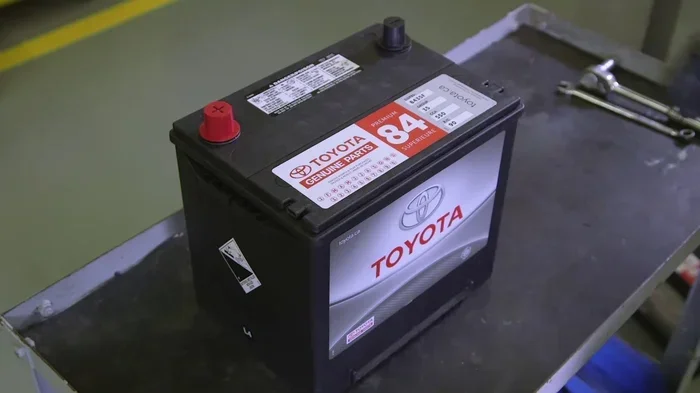
The hybrid battery pack is one of the most important components in the Highlander Hybrid. It stores electrical energy for the electric motors and captures energy during regenerative braking. Toyota has designed these batteries to last the lifetime of the vehicle with proper maintenance.
The Highlander Hybrid uses either a nickel-metal hydride (NiMH) or lithium-ion battery pack depending on the model year. Both types are known for durability and reliability. Toyota engineers have spent years refining the battery management system to ensure optimal performance.
One common question owners have is about battery replacement cost. While the battery is a significant component, most Toyota hybrid batteries last well over 200,000 miles. Regular maintenance and sensible driving habits help extend battery life even further.
Can a Hybrid Sit Without Being Driven?
Some owners wonder if the hybrid battery can lose charge if the vehicle sits unused for extended periods. The good news is that hybrid batteries are designed to hold their charge. However, if you plan to leave your vehicle sitting for a long time, it is a good idea to start it up periodically. If you want more details on this topic, our article on how long can a hybrid sit without being driven covers this subject thoroughly.
Tips for Maximizing Battery Life
- Avoid deep discharges: Try not to drain the battery completely before recharging.
- Drive regularly: Regular use keeps the battery healthy and charged.
- Use regenerative braking: Gentle, steady braking helps recharge the battery efficiently.
- Follow the maintenance schedule: Regular check-ups ensure the battery and hybrid system stay in top shape.
- Monitor dashboard warnings: If the hybrid system light comes on, address it promptly.
Fuel Efficiency and Real-World Performance
One of the biggest reasons people choose a hybrid SUV is fuel efficiency. The Toyota Highlander Hybrid delivers impressive mpg numbers compared to its gasoline-only counterparts. The exact numbers vary by model year and driving conditions, but the savings add up over time.
In city driving, the Highlander Hybrid shines. The electric motor handles low-speed driving, and the stop-start system eliminates fuel waste at intersections. On the highway, the gasoline engine takes over efficiently. The combined result is a vehicle that sips fuel rather than guzzling it.
Real-world fuel economy depends on several factors. Driving habits, terrain, cargo weight, and weather all play a role. Aggressive acceleration uses more gasoline. Smooth, steady driving maximizes the hybrid system’s benefits. The best advice is to drive gently and let the hybrid system do its job.
How Much Fuel Can You Really Save?
The exact savings depend on your current vehicle and driving patterns. However, most Highlander Hybrid owners report significant reductions in fuel costs compared to their previous gas-only SUVs. Over several years, the fuel savings can offset the higher purchase price of the hybrid model.
When comparing vehicles, it is also worth considering the total cost of ownership. Lower fuel costs, reduced brake wear, and fewer maintenance needs all contribute to long-term savings. The hybrid system is not just about being green. It is also a smart financial decision.
Maintenance and Ownership Tips
Owning a Highlander Hybrid is relatively straightforward. The hybrid system requires less maintenance than you might expect. The regenerative braking system reduces wear on traditional brake components. This means brake pads and rotors last longer than in a conventional vehicle.
Regular maintenance still matters. Oil changes, tire rotations, and fluid checks keep the vehicle running smoothly. The hybrid battery and electric motor require minimal maintenance. Toyota’s hybrid warranty provides peace of mind, typically covering the hybrid components for 8 to 10 years or 100,000 miles.
Do Hybrid Cars Wear Out Tires Faster?
A common concern among hybrid owners is whether the heavier battery pack causes extra tire wear. The Highlander Hybrid is slightly heavier than the gas-only version due to the battery pack. However, the difference is not dramatic enough to cause premature tire wear in most cases. Regular tire rotations and proper inflation keep tires in great shape.
If you want to learn more about tire wear in hybrid vehicles, check out our article on do hybrid cars wear out tires faster. It covers this topic in detail and provides practical tips for extending tire life.
Quick Maintenance Tips for Hybrid Owners
- Check tire pressure monthly: Proper inflation improves fuel economy and safety.
- Follow the maintenance schedule: Stick to Toyota’s recommended service intervals.
- Monitor hybrid system indicators: Pay attention to any warning lights on the dashboard.
- Keep the battery terminals clean: Corrosion can affect hybrid system performance.
- Use the right motor oil: Consult your owner’s manual for the recommended grade.
Is the Highlander Hybrid Worth It?
The Toyota Highlander Hybrid offers a compelling blend of efficiency, performance, and practicality. It is an ideal choice for families who want a spacious SUV without the gas-guzzling drawbacks of traditional models. The hybrid system adds value through fuel savings and a smoother, quieter driving experience.
When considering the price difference between the hybrid and gas-only versions, the payback period is reasonable. Depending on your driving habits and local fuel prices, the hybrid can pay for itself within a few years. After that, every mile driven is pure savings.
The Highlander Hybrid also holds its value well. Hybrid SUVs are in high demand on the used car market. Buyers appreciate the fuel efficiency and lower operating costs. This means your Highlander Hybrid will likely retain a strong resale value over time.
If you are curious about how the Highlander Hybrid compares in price to other SUVs, our article on how much is an SUV provides helpful context on pricing across the SUV segment.
The Toyota Highlander Hybrid represents the best of what hybrid technology has to offer. It is practical, efficient, and enjoyable to drive. For families looking for a versatile hybrid crossover, it is hard to beat.
Conclusion
The Toyota Highlander Hybrid is a remarkable vehicle that combines proven Toyota engineering with modern hybrid technology. The hybrid powertrain delivers smooth power, excellent fuel economy, and a refined driving experience. From the planetary gear set to the regenerative braking system, every component works together to maximize efficiency.
Understanding how do hybrid Highlanders work helps owners appreciate the technology and get the most from their vehicle. Whether you drive in EV mode around town or rely on the gasoline engine for highway trips, the hybrid system adapts seamlessly. It is this intelligence and flexibility that makes the Highlander Hybrid such a compelling choice.
If you are considering a hybrid SUV, the Highlander Hybrid deserves a spot at the top of your list. It offers the space, comfort, and efficiency that modern families need. Take a test drive and experience the Toyota hybrid difference for yourself. You will not be disappointed.
Frequently Asked Questions
How long does the Highlander Hybrid battery last?
Toyota designs the Highlander Hybrid battery to last the lifetime of the vehicle. Most batteries last well over 200,000 miles with proper care. Toyota also offers a comprehensive hybrid warranty for peace of mind.
Do you need to plug in a Highlander Hybrid?
No, the Highlander Hybrid is a self-charging hybrid. The regenerative braking system and gasoline engine keep the battery charged. You never need to connect it to an external power source.
Is the Highlander Hybrid good for families?
Absolutely. The Highlander Hybrid offers three rows of seating, ample cargo space, and excellent fuel economy. It is one of the best hybrid SUVs for families who need both space and efficiency.
What is the difference between the gas-only and hybrid Highlander?
The hybrid version adds electric motors and a battery pack to the existing gasoline engine. This provides better fuel economy, quieter operation, and reduced emissions. The hybrid also delivers smooth, seamless power delivery.
Can you drive a Highlander Hybrid in the snow?
Yes, the Highlander Hybrid comes with all-wheel drive on most trims. The hybrid system works well in various weather conditions. The electric motor provides instant torque, which helps with traction on slippery roads.
How does regenerative braking work on the Highlander Hybrid?
When you lift off the accelerator or apply the brakes, the electric motor reverses its role and acts as a generator. It captures kinetic energy and converts it back into electrical energy stored in the battery. This process reduces fuel consumption and extends brake pad life.