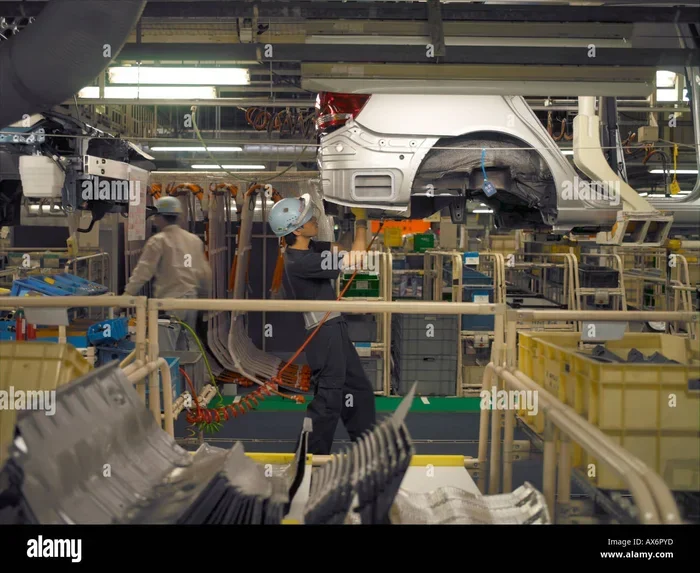
Do Other Companies Use the Toyota Production System
The Toyota Production System has become the gold standard for manufacturing efficiency worldwide. Many companies outside Toyota have adopted its core principles, including lean manufacturing, continuous improvement, and waste reduction. Major brands across industries now use TPS-inspired methods to boost quality, cut costs, and streamline operations. This article explores which companies use the Toyota Production System and how its principles create real results.
The Toyota Production System has revolutionized manufacturing since the 1950s. It changed how factories think about efficiency, quality, and waste. Today, companies around the globe study Toyota’s methods and try to copy them. But do other companies actually use the Toyota Production System? The short answer is yes. Many major organizations have adopted TPS principles in whole or in part. Let us explore how this works and who is doing it.
Understanding the Toyota Production System starts with its roots. Taiichi Ohno and Eiji Toyoda built TPS at Toyota Motor Corporation in Japan. They created a system focused on eliminating waste and improving every process. The system became known as lean manufacturing in the Western world. Companies that study Toyota quickly realized the benefits go far beyond car factories. Today, lean business practices influence industries from healthcare to software development.
So why does the Toyota Production System matter so much? It delivers consistent results. It reduces costs without sacrificing quality. It empowers workers at every level to suggest improvements. These outcomes attract companies seeking operational excellence. And the results speak for themselves. Let us break down how other companies use these methods and what they gain from them.
Key Takeaways
- Widespread Adoption: Companies across automotive, healthcare, and tech industries have embraced Toyota Production System principles.
- Core Concepts Drive Results: Lean manufacturing, just-in-time production, and kaizen deliver measurable improvements in efficiency and quality.
- Not Just for Manufacturing: Service industries, hospitals, and software teams also apply TPS methods successfully.
- Challenges Exist: Copying TPS without understanding its culture leads to failure in many organizations.
- Long-Term Commitment Required: Companies that succeed with TPS invest in training and sustain the philosophy over years.
📑 Table of Contents
- What Is the Toyota Production System?
- Which Companies Use the Toyota Production System?
- How Companies Implement TPS Principles
- Benefits of Adopting the Toyota Production System
- The Toyota Production System in Practice: Real-World Examples
- Challenges of Implementing TPS Outside Toyota
- Comparing TPS to Other Improvement Methods
- How to Get Started with TPS Principles
What Is the Toyota Production System?
The Toyota Production System, often called TPS, is a manufacturing philosophy. It focuses on doing more with less. The system rests on two main pillars. The first is just-in-time production, which means producing only what is needed, when it is needed. The second is jidoka, which means stopping production when a problem occurs. Together, these pillars create a lean, efficient operation.
The Core Principles of TPS
TPS relies on a few foundational ideas. Each one plays a critical role in how Toyota operates.
- Eliminate Waste: TPS identifies seven types of waste. These include overproduction, waiting time, unnecessary transport, and excess inventory.
- Continuous Improvement: Also known as kaizen, this means small, constant improvements over time. Every worker participates.
- Respect for People: Toyota values every employee’s input. Frontline workers often spot problems first.
- Standardized Processes: Consistent methods reduce errors and make improvements easier to track.
- Pull Production: Work is driven by customer demand, not forecasts. This prevents overproduction.
These principles form the backbone of lean manufacturing. Companies that adopt them see fewer defects, faster delivery times, and lower costs. The beauty of TPS is its simplicity. It does not require expensive technology. It requires discipline, training, and a commitment to process optimization.
Which Companies Use the Toyota Production System?
Many companies have studied Toyota’s methods and adapted them. Some use TPS directly. Others blend TPS with their own approaches. Here are the most notable examples.
Automotive Industry Leaders
The automotive sector was the first to embrace lean manufacturing outside of Toyota. Several major automakers now use TPS-inspired systems.
- Ford Motor Company: Ford adopted lean production methods in the early 2000s. They studied Toyota’s assembly line techniques closely.
- General Motors: GM partnered with Toyota in the 1980s at the NUMMI plant. This collaboration brought TPS principles into GM’s operations.
- Volkswagen: VW integrated lean principles into its manufacturing across multiple plants worldwide.
- Honda: Honda developed its own version of lean production, influenced heavily by Toyota’s approach.
These companies did not simply copy Toyota’s methods. They adapted them to fit their own cultures and operations. The key lesson is that TPS works best when companies understand its philosophy, not just its tools.
Beyond Automotive
TPS principles spread far beyond car manufacturing. Many unexpected industries now use lean business practices.
- Healthcare: Hospitals use TPS to reduce patient wait times and improve safety. The Virginia Mason Medical Center in Seattle is a leading example.
- Software Development: Agile and lean software methods draw heavily from TPS. Teams apply continuous improvement to code development.
- Food and Beverage: Companies like Boeing and John Deere use lean methods to streamline production.
- Construction: Lean construction principles reduce project delays and material waste.
The reach of lean management shows how universal TPS principles truly are. Any industry that values efficiency and quality can benefit.
How Companies Implement TPS Principles
Implementing the Toyota Production System is not a one-time project. It requires ongoing effort and cultural change. Companies that succeed follow a structured approach.
Step-by-Step Implementation
- Leadership Commitment: Leaders must fully support the lean transformation. Without buy-in from the top, efforts fail.
- Employee Training: Workers need training in lean principles and continuous improvement techniques.
- Value Stream Mapping: Companies map their entire production process. This reveals waste and bottlenecks.
- 5S Methodology: Sort, set in order, shine, standardize, and sustain. These five steps organize the workplace.
- Kaizen Events: Regular improvement workshops bring teams together to solve problems.
- Visual Management: Dashboards, signs, and metrics make performance visible to everyone.
Each step builds on the previous one. Companies that rush through implementation often see disappointing results. Production efficiency comes from steady, consistent progress.
Quick Tips for TPS Adoption
- Start small with one pilot area before scaling company-wide.
- Involve frontline workers in identifying waste.
- Track metrics before and after changes to measure impact.
- Do not confuse TPS tools with TPS philosophy. Both matter equally.
Common Mistakes Companies Make
Many companies try to adopt lean manufacturing but fail. Understanding common pitfalls helps avoid them.
- Copying Tools Without Understanding: Using 5S or kanban boards without embracing the underlying philosophy leads to surface-level changes.
- Ignoring Culture: TPS requires a culture of respect and continuous learning. Without this, improvements do not stick.
- Underestimating Time: Lean transformation takes years, not months. Companies that expect quick wins often abandon the effort.
- Neglecting Leadership: If leaders do not model lean behaviors, employees will not either.
These mistakes are common but avoidable. The companies that succeed treat TPS as a long-term journey, not a short-term fix.
Benefits of Adopting the Toyota Production System
Companies that successfully adopt lean manufacturing see significant benefits. These advantages span cost savings, quality improvements, and employee satisfaction.
Cost Reduction
Eliminating waste directly reduces costs. Companies produce less excess inventory. They spend less time reworking defective products. They use fewer resources on unnecessary steps. Over time, these savings add up significantly.
Quality Improvements
TPS emphasizes catching problems early. The jidoka principle ensures defects do not move to the next stage. This leads to higher quality products and fewer recalls. Toyota’s own track record reflects this commitment. For example, the 2018 Toyota Camry has maintained a strong reliability record, partly thanks to Toyota’s rigorous production methods. Even when issues arise, Toyota addresses them quickly through strong quality control systems.
Employee Engagement
TPS empowers workers to contribute ideas. When employees see their suggestions implemented, they feel valued. This boosts morale and reduces turnover. Companies using lean management often report higher job satisfaction among frontline staff.
Faster Delivery Times
Just-in-time production reduces lead times significantly. Products move faster from factory to customer. This improves customer satisfaction and reduces the need for large warehouses.
The Toyota Production System in Practice: Real-World Examples
Theory is one thing. Real-world results show the true power of TPS. Let us look at how different companies have applied lean principles in practice.
Toyota’s Own Success
Toyota remains the best example of TPS in action. The company consistently ranks among the most reliable automakers. When you look at models like the Toyota Corolla, the reputation for durability is well-earned. While some older models like the 2009 Toyota Corolla had reported issues, Toyota’s overall quality record remains strong. The company’s manufacturing philosophy prioritizes getting things right the first time.
Toyota’s approach to engineering also reflects its production philosophy. For instance, Toyota designs vehicles to work with widely available fuel. You can typically use 87 octane gas in a Toyota without any issues. This practical thinking extends from the factory floor to the customer experience. It shows how Toyota’s business approach considers every detail.
Healthcare: Virginia Mason Medical Center
Virginia Mason in Seattle adopted TPS principles in 2002. The results were remarkable. Patient wait times dropped significantly. Medical errors decreased. Staff morale improved. The hospital applied continuous improvement methods to every department. This case proves that lean manufacturing principles work outside of factories too.
Software and Tech Companies
Tech companies have embraced lean methods with great success. Agile development, popular in software teams, borrows heavily from TPS. The focus on delivering small, incremental improvements mirrors kaizen. Companies like Spotify and Netflix use lean-inspired workflows to release updates faster and respond to user feedback quickly.
Challenges of Implementing TPS Outside Toyota
Adopting the Toyota Production System is not easy. Companies face real obstacles when trying to replicate Toyota’s success.
Cultural Differences
TPS grew out of Japanese workplace culture. Concepts like respect for people and group harmony are deeply embedded. Western companies sometimes struggle with these cultural aspects. Individualism and short-term profit goals can conflict with lean principles.
Supply Chain Complexity
Just-in-time production requires a reliable supply chain. Companies with complex global supply chains face more challenges. Disruptions like the COVID-19 pandemic exposed vulnerabilities in lean supply chains. Many companies had to balance lean efficiency with resilience.
Sustaining Momentum
Initial enthusiasm for lean transformation often fades. Without ongoing commitment, companies slip back to old habits. Maintaining process optimization requires continuous leadership attention and employee involvement.
Expert Insight
Lean experts often say that TPS is 90% culture and 10% tools. Companies that focus only on the tools miss the deeper transformation needed for lasting results.
Comparing TPS to Other Improvement Methods
Several business improvement methods exist today. How does TPS compare to other popular approaches?
| Method | Focus | Origin | Key Difference from TPS |
|---|---|---|---|
| Toyota Production System | Waste elimination, continuous improvement | Toyota, Japan | Full system integrating culture and tools |
| Six Sigma | Reducing variation and defects | Motorola, USA | Uses statistical analysis more heavily |
| Kaizen (Standalone) | Incremental improvement | Japan | Can be applied without full TPS framework |
| Agile | Iterative development and flexibility | Software industry | Designed for knowledge work, not manufacturing |
| BPR (Business Process Reengineering) | Radical process redesign | USA | Focuses on big changes, not incremental ones |
Each method has strengths. However, TPS stands out for its holistic approach. It combines tools, philosophy, and culture into one unified system. This integration is why so many companies look to Toyota as their model for operational excellence.
It is worth noting that Toyota’s approach extends beyond manufacturing. The company’s broader philosophy, often called the Toyota Way, influences everything from how employees are trained to how dealers serve customers. This is why Toyota dealerships maintain consistent service standards across locations, even though each operates independently. The principles of TPS and the Toyota Way create a unified identity that extends far beyond the factory.
How to Get Started with TPS Principles
If you are inspired by Toyota’s success, here is how you can begin applying TPS principles in your own organization.
- Study the fundamentals: Read books like “The Toyota Way” by Jeffrey Liker. Understand the philosophy before diving into tools.
- Assess your current state: Map your value stream. Identify where waste occurs in your processes.
- Train your team: Everyone should understand lean manufacturing basics. Start with foundational training.
- Pick one project: Choose a pilot area with a clear problem to solve. Apply continuous improvement methods.
- Measure results: Track key metrics before and after changes. Use data to guide decisions.
- Scale gradually: Once the pilot succeeds, expand to other areas. Do not try to transform everything at once.
The journey toward production efficiency starts with a single step. Companies that commit to the process see compounding benefits over time. The Toyota Production System is not just a manufacturing method. It is a way of thinking that can transform any organization willing to put in the effort.
Even within Toyota’s own ecosystem, the principles extend to everyday ownership and maintenance. For example, understanding how Toyota’s manufacturing precision affects long-term reliability helps owners make better decisions. Whether you are maintaining a Toyota hybrid or troubleshooting a check engine light, the quality built into Toyota vehicles reflects the same philosophy that drives the Toyota Production System.
The bottom line is clear. The Toyota Production System works. Companies worldwide have proven that lean principles deliver real results. The key is to approach TPS with respect for its depth and commitment to long-term change. Organizations that do this consistently outperform their competitors and create lasting value for customers and employees alike.
So, do other companies use the Toyota Production System? Absolutely. And the list of successful adopters continues to grow every year. Whether you run a factory, a hospital, or a tech startup, TPS offers a proven path to better performance. Start small, stay committed, and let continuous improvement guide your journey.
Frequently Asked Questions
What is the Toyota Production System used for?
The Toyota Production System is a manufacturing philosophy focused on eliminating waste, improving quality, and increasing efficiency. It uses principles like just-in-time production and continuous improvement to create lean operations. Companies use TPS to reduce costs and deliver better products faster.
Which industries use the Toyota Production System?
Many industries use TPS principles beyond automotive manufacturing. Healthcare, software development, construction, and food production all apply lean methods. Any industry that values efficiency and quality can benefit from TPS. The principles are universal and adaptable to different contexts.
Is the Toyota Production System the same as lean manufacturing?
Yes, TPS is the foundation of what became known as lean manufacturing in the Western world. Lean manufacturing adapted TPS principles for broader application. The core ideas remain the same: eliminate waste, improve continuously, and respect people.
Can small businesses benefit from the Toyota Production System?
Absolutely. Small businesses often benefit even more from TPS because waste reduction has a bigger impact on smaller operations. You do not need to be a large manufacturer to use lean business practices. Start with simple tools like 5S and value stream mapping.
Why do some companies fail when adopting TPS?
Companies often fail because they copy TPS tools without embracing the underlying philosophy. TPS requires cultural change, not just new procedures. Leadership commitment and long-term dedication are essential for success. Without these, improvements do not last.
How long does it take to implement the Toyota Production System?
TPS implementation is a long-term journey, often taking several years. Companies see early wins quickly, but full transformation requires sustained effort. The key is to view it as an ongoing process of continuous improvement rather than a one-time project.
=== CONCLUSION ===
The Toyota Production System has proven itself as one of the most influential business philosophies of the modern era. Companies across every major industry have adopted its lean principles and seen real results. From automakers to hospitals to tech startups, TPS inspires production efficiency and operational excellence. The key to success lies in understanding that TPS is more than a set of tools. It is a complete system built on respect for people, waste reduction, and unrelenting commitment to continuous improvement. Companies that embrace this philosophy fully unlock the same benefits Toyota has enjoyed for decades. The question is not whether other companies use the Toyota Production System. The question is how quickly your company will start.