How Much Does a Pilot Car Driver Really Make a Year
A pilot car driver earns between $35,000 and $85,000 per year, depending on experience, location, and whether you work independently or for a company. Pay ranges from $15 to $35 per hour, or $0.50 to $1.25 per mile for escort trips. Independent drivers often earn more but face higher costs, while company-employed drivers enjoy steadier paychecks and benefits.
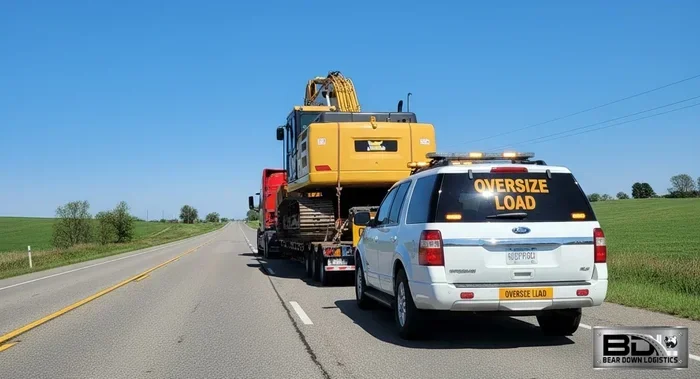
Have you ever seen a small car trailing behind an oversized load on the highway and wondered, “What does that driver actually do all day?” That car is a pilot car, and the person behind the wheel is a pilot car driver. These drivers play a critical role in moving oversized and overweight loads safely from one point to another. They guide the load, warn other drivers, and ensure the transport follows all local and state laws.
If you have been thinking about becoming a pilot car driver, one of the first questions you probably have is about pilot car driver salary. How much money can you really make? Is it worth the effort? The short answer is yes, but the full picture depends on several factors that we will break down in this guide. From hourly rates to per-mile pay, from independent work to company employment, we cover everything you need to know about pilot car driver earnings in 2024 and beyond.
The pilot car driver income you can expect depends heavily on your experience level, your location, the type of loads you escort, and whether you work for yourself or a company. Let us dive into the numbers and give you a clear picture of what this career actually pays.
Key Takeaways
- Average annual salary: Most pilot car drivers earn $35,000 to $85,000 per year based on full-time work.
- Pay structure varies: Drivers earn either hourly ($15-$35/hr) or per mile ($0.50-$1.25/mile) depending on the job type.
- Independent vs. company employment: Independent drivers keep more per trip but handle their own expenses and find their own work.
- Experience matters a lot: New drivers start on the lower end, while seasoned professionals with specialized certifications earn significantly more.
- Location affects pay: Rural routes and long-haul trips pay more than short urban runs.
- Expenses cut into earnings: Fuel, insurance, vehicle maintenance, and certifications all reduce take-home pay for independent drivers.
- Bonus opportunities exist: Overtime, specialized loads, and repeat routes can boost annual income substantially.
📑 Table of Contents
- How Much Does a Pilot Car Driver Make Per Hour?
- How Much Do Pilot Car Drivers Make Per Mile?
- Pilot Car Driver Salary by Employment Type
- What Factors Affect Pilot Car Driver Earnings?
- What Does It Cost to Be a Pilot Car Driver?
- How to Maximize Your Pilot Car Driver Income
- Is Pilot Car Driving a Good Career Choice?
- Final Thoughts on Pilot Car Driver Pay
How Much Does a Pilot Car Driver Make Per Hour?
The most common way pilot car drivers get paid is by the hour. Hourly pilot car driver pay typically ranges from $15 to $35 per hour. The exact amount depends on several key factors that we will explore below.
Entry-Level Hourly Rates
If you are just starting out, expect to earn closer to the $15 to $20 per hour range. New drivers usually handle shorter local routes and simpler loads. You will spend a lot of time learning the ropes, understanding route restrictions, and getting comfortable with the responsibilities of flagging pilot car operations. At this stage, the work is more about gaining experience than maximizing income.
Many drivers begin by working for a pilot car company rather than going independent. This gives you a steady paycheck while you build your skills and reputation in the industry.
Experienced Driver Hourly Rates
Once you have a few years of experience under your belt, your pay jumps significantly. Experienced pilot car drivers commonly earn $25 to $35 per hour. At this level, you can handle complex routes, oversized load escorts, and long-haul trips that pay more per hour.
Some experienced drivers also specialize in specific types of loads, such as overheight load escort or heavy machinery transport. Specialization almost always leads to higher pay because it requires additional knowledge and certification.
Overtime and Bonus Pay
Many pilot car drivers pick up overtime during peak seasons. When construction companies and hauling businesses need extra escorts, the demand for drivers goes up. Overtime pay can add several thousand dollars to your annual income. Some companies also offer bonuses for safe driving records, on-time deliveries, and completing routes without incidents.
How Much Do Pilot Car Drivers Make Per Mile?
Another common payment structure for pilot car drivers is pay per mile. This model is especially popular for long-haul escort jobs where the driver travels long distances with an oversized load. Mileage-based pay typically ranges from $0.50 to $1.25 per mile.
Long-haul routes pay more per mile because they require the driver to spend extended time away from home. A single escort trip might cover several hundred miles, and the pay adds up quickly. For example, a 400-mile route at $0.75 per mile earns you $300 for a single trip. Do two or three of those per week, and your monthly income grows fast.
Keep in mind that per-mile pay often comes with additional responsibilities. You may need to scout routes ahead of time, coordinate with the load driver, and handle any issues that come up during the transport. This is where pilot car driver pay per mile really shines, because the extra work is compensated fairly.
Pilot Car Driver Salary by Employment Type
One of the biggest decisions you will make is whether to work for a company or go independent. Each path has its own financial profile, and understanding the differences helps you choose the right fit.
Company-Employed Pilot Car Drivers
Working for a company offers stability. You get a regular paycheck, benefits like health insurance, and a steady stream of work. Company-employed pilot car drivers typically earn between $35,000 and $55,000 per year. The pay is consistent, and you do not have to worry about finding your own jobs or handling administrative tasks like invoicing and taxes.
Companies also handle some of the costs that independent drivers must manage themselves. For instance, you might not need to worry about vehicle maintenance or certain insurance costs. However, your take-home pay will be lower than what an independent driver earns on the same routes.
Independent Pilot Car Drivers
Independent drivers set their own rates and choose their own jobs. This freedom comes with higher earning potential. An experienced independent pilot car driver can earn anywhere from $50,000 to $85,000 per year or more. The key is building a strong client base and maintaining a reputation for reliability and safety.
But independence also means higher expenses. You pay for your own vehicle, fuel, insurance, and certifications. You also need to handle marketing and client acquisition. Independent pilot car driver earnings look great on paper, but your net income depends on how well you manage costs.
Some drivers start as company employees to gain experience and then transition to independent work once they have built their skills and contacts. This is a smart approach that reduces the financial risk of going solo too early.
Comparison: Company vs. Independent Pay
Here is a quick look at how the two paths compare financially:
- Company driver: Steady salary, benefits included, lower per-trip pay, less administrative work.
- Independent driver: Higher per-trip pay, no benefits, more administrative work, flexible schedule.
If you value stability and want to avoid the hassle of running your own business, a company position is a solid choice. If you want to maximize your pilot car driver income and are willing to put in extra effort, going independent pays off over time.
What Factors Affect Pilot Car Driver Earnings?
Not all pilot car driving jobs pay the same. Several factors influence how much you can earn in this field. Understanding these factors helps you make smart career decisions and position yourself for higher pay.
Experience and Certification
Experience is the single biggest factor in pilot car driver salary. New drivers earn less because they are still learning. As you gain experience, you become more valuable to employers and clients. Certifications also play a big role. Many states require specific certifications for oversized load escort work. Having these certifications on your resume signals to employers that you are qualified and professional.
Some drivers also pursue additional training in areas like CDL pilot car operations, flagging, and traffic control. These credentials open doors to higher-paying jobs and specialized routes.
Location and Region
Where you work matters a lot for your earnings. States with heavy construction, mining, or energy industries tend to pay more for pilot car services. Rural routes and long-distance hauls also pay better than short urban trips. If you are willing to travel, you can significantly boost your annual income.
For example, states like Texas, North Dakota, and Wyoming have booming energy and construction sectors that need frequent oversized load transport. Drivers in these regions often earn more than those in areas with less industrial activity.
Type of Load and Route
The loads you escort directly affect your pay. Standard oversized loads pay a base rate, but specialized or dangerous cargo pays a premium. Overheight load escort and heavy machinery transport typically come with higher pay because they require more skill and caution. Similarly, routes that involve night driving, difficult terrain, or multiple states pay more due to the added complexity.
Seasonal Demand
Construction seasons drive demand for pilot car drivers. During spring and summer, when most road work and heavy transport happens, drivers can pick up extra jobs and earn more. Winter months tend to be slower, especially in northern states where road work halts due to weather. Planning your finances around these seasonal patterns helps you manage your cash flow throughout the year.
What Does It Cost to Be a Pilot Car Driver?
Before you get excited about the salary numbers, it is important to understand the costs involved. Pilot car driving is not a zero-expense career, and your net income depends on how well you manage these costs.
Vehicle and Equipment Costs
You need a reliable vehicle that meets the requirements for pilot car work. Most states require a vehicle that is clearly marked as a pilot car, with flashing lights, signs, and communication equipment. A decent pilot car setup can cost between $5,000 and $15,000 upfront. Ongoing maintenance and fuel add to the cost over time.
Insurance and Licensing
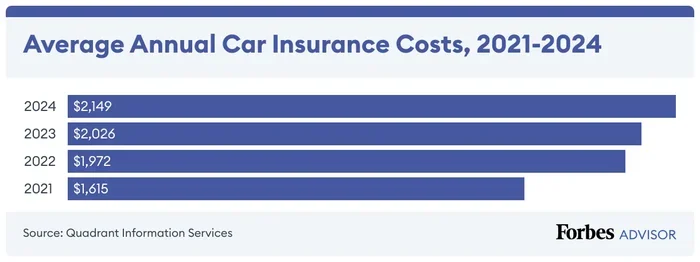
Insurance is a significant expense for pilot car drivers. You need commercial auto insurance, and some clients require additional liability coverage. Annual insurance costs can range from $2,000 to $5,000 depending on your coverage levels and driving record. Licensing and certification fees also add up, though they are typically one-time or annual costs.
Fuel and Operating Expenses
Fuel costs eat into your earnings, especially on long-haul routes. A pilot car getting 20 miles per gallon on a 500-mile trip will burn about 25 gallons of fuel. At current fuel prices, that is roughly $100 per trip just in gas. Multiply that by the number of trips you do per month, and fuel becomes a major expense to factor into your budget.
Other operating expenses include phone and communication costs, paperwork and filing fees, and any dues for professional associations or certification renewals.
How to Maximize Your Pilot Car Driver Income
If you are serious about maximizing your pilot car driver earnings, there are several strategies you can use to boost your income and build a successful career in this field.
Get Certified and Stay Current
Invest in certifications that make you more valuable. Pilot car certification programs teach you the rules and regulations for escorting oversized loads, and they make you eligible for higher-paying jobs. Keep your certifications current and pursue additional training whenever possible. The more qualified you are, the more clients will trust you with their loads.
Build a Strong Reputation
Word of mouth is powerful in the pilot car industry. Deliver safe, reliable service every time, and clients will come back and refer you to others. A strong reputation means more jobs, better pay, and long-term career growth. Focus on safety, communication, and professionalism in every job you take.
Choose Your Routes Wisely
Not all routes are created equal. Long-haul routes pay more per mile, and specialized loads pay more per trip. Choose your jobs strategically based on pay, distance, and the effort required. Avoid low-paying short routes when a better-paying long route is available. Over time, the difference in your annual income can be significant.
Consider Going Independent
If you have enough experience and a solid client base, going independent can dramatically increase your earnings. You set your own rates, choose your jobs, and keep more of the money you earn. Just be sure to factor in all your expenses and plan for slow seasons when work may be harder to find.
Network with Industry Professionals
Building relationships with trucking companies, construction firms, and load brokers gives you access to more job opportunities. Attend industry events, join online forums, and stay connected with other professionals in the oversized transport world. The more connections you have, the more work you will find.
Is Pilot Car Driving a Good Career Choice?
Overall, pilot car driving is a solid career choice for people who enjoy driving, working independently, and being outdoors. The pay is decent, the demand is steady, and the barrier to entry is relatively low compared to other driving careers. You do not need a four-year degree or years of specialized training to get started.
That said, it is not without its challenges. The work can be physically demanding, the hours can be long, and the pay can fluctuate based on seasonal demand and market conditions. But for people who are willing to put in the effort, build their skills, and grow their client base, pilot car driver salary can be quite rewarding.
Many drivers find the work fulfilling because they play an essential role in keeping oversized loads moving safely. Without pilot car drivers, heavy equipment, construction materials, and other large cargo could not travel the roads legally and safely. That sense of purpose adds value beyond just the paycheck.
Final Thoughts on Pilot Car Driver Pay
So, how much does a pilot car driver really make a year? The answer is that it depends on you. With the right combination of experience, certifications, route selection, and work ethic, you can earn a comfortable living in this field. Whether you choose to work for a company or go independent, there is real money to be made in pilot car driver work.
Start by getting your certifications, gaining some experience, and learning the ropes. As you grow in the industry, you can increase your rates, take on more complex jobs, and build a career that pays well and offers freedom. The road ahead is wide open for those willing to drive it.
Remember that every successful pilot car driver started exactly where you are now. The key is to stay committed, keep learning, and always prioritize safety on every route you run.
Frequently Asked Questions
How much does a beginner pilot car driver make?
A beginner pilot car driver typically earns between $15 and $20 per hour, which translates to roughly $30,000 to $40,000 per year for full-time work. Entry-level drivers usually handle local routes and simpler loads while gaining experience and building their skills in the industry.
Do pilot car drivers need a CDL license?
In most cases, you do not need a CDL license to drive a pilot car. However, some states and companies prefer or require specific certifications for oversized load escort work. A standard driver’s license is usually sufficient, but always check your state’s requirements before starting.
How much do independent pilot car drivers earn compared to company drivers?
Independent drivers generally earn more per job because they set their own rates. An experienced independent driver can earn $50,000 to $85,000 or more per year. Company drivers earn a steadier salary of $35,000 to $55,000 per year but have fewer expenses and more job security.
What is the highest-paying type of pilot car job?
Specialized escort jobs, such as overheight load escort or heavy machinery transport, typically pay the most. Long-haul routes covering several hundred miles also pay well, especially when combined with per-mile rates of $0.75 to $1.25 per mile.
How many hours do pilot car drivers work per week?
Most pilot car drivers work 40 to 50 hours per week, though hours can vary based on the job and season. Long-haul trips may require extended hours, and overtime during peak construction seasons can add significantly to your weekly pay.
Is pilot car driving a seasonal job?
Pilot car driving can be seasonal, with higher demand during spring and summer when construction and road work peaks. Winter months tend to be slower, especially in northern states. Diversifying your routes and working with multiple clients helps smooth out seasonal income fluctuations.