How Many Catalytic Converters Does a Nissan Versa Have
The Nissan Versa typically has one or two catalytic converters, depending on the model year and trim level. These converters play a vital role in reducing harmful exhaust emissions and keeping your car running smoothly. Understanding how many your Versa has helps with maintenance, repairs, and avoiding costly mistakes.
If you own a Nissan Versa or are thinking about buying one, you might be wondering about the catalytic converter. This small but mighty part of your car’s exhaust system does a big job. It cleans up the gases your engine produces before they reach the air. So, how many catalytic converters does a Nissan Versa actually have? The answer depends on a few things, including the model year and trim level you own.
In this guide, we will walk you through everything you need to know. We will cover how many converters your Versa has, where they are located, what they do, and how to spot when something goes wrong. Whether you are a DIY mechanic or just someone who wants to stay informed, this article has you covered. Let us dive right in.
Key Takeaways
- Most Nissan Versa models have one catalytic converter: The standard setup includes a single converter in the exhaust system.
- Some newer trims may have two converters: Certain model years and trims feature dual converters for improved emissions control.
- The catalytic converter reduces harmful exhaust gases: It converts toxic pollutants into less harmful emissions before they leave the tailpipe.
- Watch for warning signs like a check engine light: A failing converter can cause poor fuel economy, rough idling, and reduced engine performance.
- Replacement costs vary widely: Depending on your Versa model, a new catalytic converter can cost anywhere from $300 to over $1,500.
- Regular maintenance helps protect your converter: Using the right oil and keeping up with scheduled service extends the life of your exhaust system.
- Catalytic converter theft is a real risk: Know how to protect your car from this growing problem.
📑 Table of Contents
- Understanding the Catalytic Converter in Your Nissan Versa
- Where Is the Catalytic Converter Located on a Nissan Versa?
- Catalytic Converter Replacement Cost for the Nissan Versa
- How to Keep Your Catalytic Converter Healthy
- Can You Drive Without a Catalytic Converter?
- Common Mistakes Nissan Versa Owners Make with Their Catalytic Converter
- Expert Insight: The Nissan Versa Exhaust System Explained
- Final Thoughts
Understanding the Catalytic Converter in Your Nissan Versa
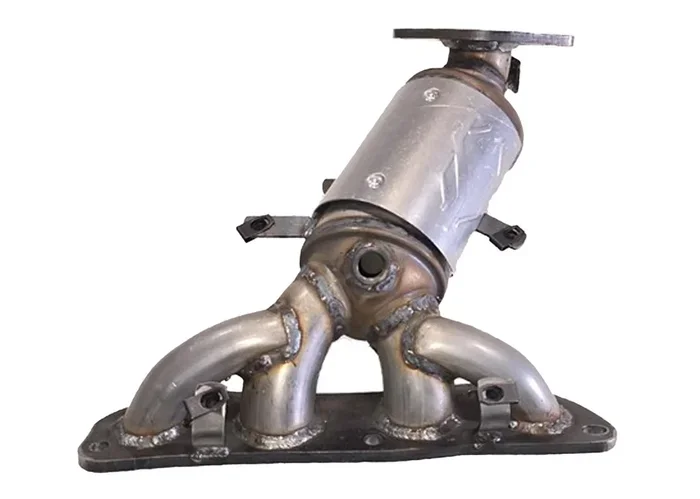
The catalytic converter is one of the most important parts of your car’s exhaust system. It sits between the exhaust manifold and the muffler. Its main job is to reduce harmful emissions. When your engine burns fuel, it creates toxic gases like carbon monoxide, nitrogen oxides, and hydrocarbons. The catalytic converter uses a chemical reaction to turn these pollutants into less harmful substances like carbon dioxide and water vapor.
Most vehicles have at least one catalytic converter. But some cars, especially those with more complex exhaust setups, may have two or even more. So where does the Nissan Versa fall on this spectrum? Let us break it down by model year and trim level.
How Many Catalytic Converters Does a Nissan Versa Have by Model Year
The number of catalytic converters in a Nissan Versa can change depending on the year it was made. Here is a general breakdown:
- 2007-2012 Nissan Versa (First Generation): Most models in this range have a single catalytic converter. This includes the base sedan and the hatchback versions. The single converter handles all the exhaust gases from the four-cylinder engine.
- 2013-2019 Nissan Versa (Second Generation): The second-generation Versa also typically uses one catalytic converter. However, some trims with updated emissions systems may include dual converters for better performance.
- 2020-Present Nissan Versa (Third Generation): Newer models continue the trend of using one or two converters depending on the specific trim and regional emissions standards.
The exact number can vary based on where the car was sold. Different states and countries have different emissions regulations. Cars sold in California, for example, often have more advanced emissions equipment than those sold in other states. This means a Versa bought in one state might have a different converter setup than the same model bought in another state.
Why Does the Number of Converters Matter?
You might wonder why it matters how many converters your car has. The answer is simple. Each converter adds cost to replacement and repair. If your car has two converters and one fails, you are looking at a bigger bill than if it only has one. Also, knowing the count helps when diagnosing exhaust problems. If you have a rough idle or a check engine light, your mechanic will need to know the full exhaust setup to properly troubleshoot the issue.
Another reason the number matters is for emissions testing. In states that require regular smog checks, every catalytic converter must be working correctly. A missing or faulty converter will cause your car to fail the test. This is especially important if you plan to sell or register your Versa in a state with strict emissions laws.
Where Is the Catalytic Converter Located on a Nissan Versa?
Knowing where the catalytic converter sits on your Nissan Versa helps with maintenance and repairs. In most cases, the converter is located close to the engine, right after the exhaust manifold. On the Versa, the exhaust manifold collects gases from the engine cylinders and feeds them into the catalytic converter. From there, the cleaned gases flow through the rest of the exhaust system, including the resonator and muffler, before exiting through the tailpipe.
If your Versa has two converters, the second one is usually further down the exhaust pipe. This setup, often called a “dual exhaust” or “dual converter” system, provides more surface area for the chemical reactions that clean exhaust gases. It is more common in vehicles that need to meet stricter emissions standards.
Signs Your Catalytic Converter Is Failing
A failing catalytic converter can cause a range of problems. Here are the most common symptoms to watch for:
- Check Engine Light: This is often the first sign. Your car’s computer detects issues with the converter through oxygen sensors and will trigger the warning light.
- Reduced Fuel Economy: A clogged or failing converter makes your engine work harder. You will notice you are visiting the pump more often.
- Rough Idle or Stalling: If exhaust flow is restricted, your engine may idle roughly or stall at stoplights.
- Rotten Egg Smell: A damaged converter cannot properly process sulfur in the fuel. This creates a strong, unpleasant odor from the exhaust.
- Poor Acceleration: You may feel sluggish when pressing the gas pedal, especially at higher speeds.
- Failed Emissions Test: If your car fails a smog check, a bad catalytic converter is one of the first things inspectors check.
If you notice any of these symptoms, it is important to address them quickly. Driving with a bad converter can lead to more serious engine problems over time. It can also cause your car to fail inspections and even damage other parts of the exhaust system.
Catalytic Converter Replacement Cost for the Nissan Versa
The cost of replacing a catalytic converter on a Nissan Versa can vary quite a bit. Several factors influence the final price, including the model year, trim level, and whether your car has one or two converters. On average, you can expect to pay between $300 and $1,500 for parts and labor combined.
| Factor | Low Cost | High Cost |
|---|---|---|
| Single Converter (Aftermarket) | $300 – $500 | — |
| Single Converter (OEM) | $500 – $800 | — |
| Dual Converter Setup | $800 – $1,200 | $1,200 – $1,500+ |
| Labor Costs (if separate) | $100 – $200 | $200 – $400 |
Aftermarket converters are less expensive but may not last as long or meet the same quality standards as original equipment manufacturer (OEM) parts. If you want your car to pass emissions tests reliably, going with an OEM converter is usually the better choice. It is also worth noting that the Nissan Versa is not the most expensive car to repair when it comes to converter replacement. Compared to larger vehicles or luxury brands, the Versa remains one of the more affordable options.
One thing to keep in mind is that catalytic converter theft has been on the rise in recent years. Thieves target converters because they contain precious metals like platinum, palladium, and rhodium. If you park your Versa on the street or in an unsecured area, consider using a converter anti-theft device or parking in a well-lit, secure spot. Some owners also choose to have their converter welded in place as an extra deterrent.
How to Keep Your Catalytic Converter Healthy
Prevention is always better than cure. The good news is that there are several things you can do to keep your Nissan Versa catalytic converter in great shape for years to come. Here are some practical tips:
- Use the Right Oil: Using the correct oil type for your Versa engine helps prevent deposits that can clog the converter over time. Check your owner manual for the recommended oil specification.
- Address Engine Problems Promptly: Issues like misfires, rich fuel mixtures, or oil leaks can damage the converter. If you notice any engine trouble, get it fixed right away.
- Avoid Running on Empty: Running your car on very low fuel can cause sediment from the bottom of the tank to enter the fuel system. This sediment can eventually reach and clog the converter.
- Keep Up with Regular Maintenance: Regular oil changes, spark plug replacements, and air filter changes all contribute to a healthy exhaust system. A well-maintained engine produces cleaner exhaust, which puts less stress on the converter.
- Do Not Ignore the Check Engine Light: Many people ignore this light, but it is your car’s way of telling you something needs attention. A small problem left unchecked can turn into a costly converter replacement.
Taking care of your exhaust system also helps your car run more efficiently. A clean converter allows exhaust gases to flow freely, which improves fuel economy and engine performance. You will notice the difference at the pump and on the road.
Can You Drive Without a Catalytic Converter?
Technically, yes. You can drive a car without a catalytic converter. Many people wonder if removing the converter is a viable option, especially when it fails and replacement costs seem high. However, there are important reasons why you should keep your converter in place.
First, driving without a catalytic converter is illegal in most states. It violates emissions regulations and can result in fines. Second, removing the converter will cause your car to fail any emissions testing required for registration. Third, a missing converter can trigger the check engine light and cause your car to run poorly. The oxygen sensors in your Versa are calibrated to work with a converter in place. Without it, your engine may run too rich or too lean, leading to reduced performance and potential engine damage over time.
If you are unsure whether your car can legally or practically run without a converter, it is best to consult a trusted mechanic. They can advise you on the right path forward based on your specific situation and local laws.
Common Mistakes Nissan Versa Owners Make with Their Catalytic Converter
Even well-meaning Versa owners can make mistakes that shorten the life of their catalytic converter. Here are a few to avoid:
- Ignoring Small Engine Issues: A minor misfire or sensor problem might seem harmless, but it can send unburned fuel into the converter. This can overheat and damage the internal catalyst material.
- Using the Wrong Fuel: Always use the recommended fuel grade for your Versa. Using lower-octane fuel than required can cause engine knocking and incomplete combustion, both of which harm the converter.
- Skipping Oil Changes: Old or dirty oil can create particles that end up in the exhaust system. Over time, these particles can coat and clog the converter.
- Driving with a Damaged Converter: Some owners try to “tough it out” when the converter starts to fail. This often leads to more expensive repairs down the road, including potential damage to the exhaust manifold or oxygen sensors.
Avoiding these common mistakes will help you get the longest possible life out of your catalytic converter. It will also save you money on repairs and keep your Versa running smoothly.
Expert Insight: The Nissan Versa Exhaust System Explained
The exhaust system on the Nissan Versa is designed to be efficient and reliable. It is a straightforward setup that does not have the complexity of larger engines or performance vehicles. The system starts at the exhaust manifold, moves through the catalytic converter, and then flows through the resonator and muffler before exiting through the tailpipe.
One thing that sets the Versa apart is its fuel efficiency. The car is known for getting great miles per gallon, which is partly thanks to a well-functioning exhaust system. A clean catalytic converter ensures that exhaust gases are flowing properly, which allows the engine to breathe efficiently. This is why keeping your converter in good condition is so important for maintaining the Versa’s impressive fuel economy.
When it comes to maintenance, the Versa is a low-maintenance car. Most owners will never have to replace the catalytic converter if they follow the recommended service schedule. However, converters do have a finite lifespan. On average, a catalytic converter lasts between 70,000 and 100,000 miles. If you drive your Versa well beyond that range, the converter may need attention eventually.
It is also worth mentioning that the Versa’s simple exhaust design makes repairs more affordable compared to cars with complex dual exhaust or turbocharged systems. If you do need a replacement, the process is relatively straightforward for a qualified mechanic. Parts are widely available, and the labor time is typically shorter than for more complicated vehicles.
Final Thoughts
So, how many catalytic converters does a Nissan Versa have? The answer is most commonly one, though some model years and trims may include two. Regardless of the number, the catalytic converter is an essential part of your car’s emissions system. It keeps your Versa running cleanly, efficiently, and legally on the road.
By understanding how your converter works, knowing the signs of failure, and following a regular maintenance schedule, you can avoid costly repairs and keep your car in top shape. If you ever notice symptoms like a check engine light, poor fuel economy, or a rotten egg smell from the exhaust, do not ignore them. Early detection and repair can save you hundreds of dollars and keep your Versa on the road for many more miles to come.
Take care of your car, and it will take care of you. The Nissan Versa is a dependable, efficient vehicle, and with the right maintenance, it will serve you well for years to come.
Frequently Asked Questions
Can I drive my Nissan Versa without a catalytic converter?
Technically yes, but it is not recommended and is illegal in most states. Driving without a converter will cause your car to fail emissions tests and can trigger the check engine light. It may also lead to reduced engine performance and potential damage over time.
How much does it cost to replace a catalytic converter on a Nissan Versa?
The cost typically ranges from $300 to $1,500, depending on whether your Versa has one or two converters and whether you choose aftermarket or OEM parts. Labor costs are usually on the lower side for this vehicle due to its simple exhaust design.
How do I know if my Nissan Versa catalytic converter is failing?
Common signs include a glowing check engine light, reduced fuel economy, rough idling, a rotten egg smell from the exhaust, and poor acceleration. If you notice any of these symptoms, have your car inspected by a mechanic as soon as possible.
Can a bad catalytic converter damage my Nissan Versa engine?
Yes, if left unaddressed, a failing converter can cause exhaust back pressure that strains the engine. This can lead to overheating, reduced performance, and in severe cases, engine damage. It is best to address converter issues early.
How long does a catalytic converter last on a Nissan Versa?
A catalytic converter on a Nissan Versa typically lasts between 70,000 and 100,000 miles. Proper maintenance, using the right fuel, and addressing engine problems promptly can help extend its lifespan significantly.
What is the difference between a single and dual catalytic converter setup?
A single converter setup uses one unit to clean exhaust gases, while a dual setup uses two converters placed further apart in the exhaust system. Dual setups are often found in vehicles that need to meet stricter emissions standards. They provide more surface area for the chemical reactions that reduce harmful pollutants.