How Do You Release Gas From a Fuel Tank the Right Way
Releasing gas from a fuel tank is a straightforward process when you follow the right steps. Whether you need to drain old fuel, fix a spill, or perform maintenance, this guide covers every method you need. We walk you through safety precautions, tools, and step-by-step instructions to get the job done right.
Releasing gas from a fuel tank might sound intimidating, but it is actually a task many car owners face. Whether you need to drain old fuel before storing your vehicle, fix a fuel system problem, or remove contaminated gasoline, knowing the right approach saves time and money. This guide walks you through every method, safety tip, and precaution you need to release gas from your tank the right way.
We have broken this article into clear sections so you can jump straight to what you need. From simple siphoning techniques to full tank removal, you will find practical advice backed by real-world experience. Let us dive in and make this process as easy as possible for you.
Key Takeaways
- Always prioritize safety: Work in a well-ventilated area away from sparks and flames before you start.
- Siphoning is the easiest method: A hand pump or gravity siphon lets you remove fuel quickly and cleanly.
- Draining through fuel lines works too: This method is great if you want to access the tank from underneath the vehicle.
- Dispose of old fuel properly: Never dump gasoline down drains or on the ground — use approved containers and disposal sites.
- Know when to call a pro: Complex fuel system issues or large-scale releases are best handled by a certified mechanic.
- Prevent future problems: Regular maintenance and proper fuel storage help avoid the need to release gas frequently.
📑 Table of Contents
- Why You Might Need to Release Gas From a Fuel Tank
- Safety First: Preparing to Release Gas
- Methods to Release Gas From a Fuel Tank
- Step-by-Step Guide to Draining Your Fuel Tank
- Common Mistakes to Avoid When Releasing Gas
- When to Call a Professional
- Proper Disposal of Old Gasoline
- Frequently Asked Questions
- Conclusion
Why You Might Need to Release Gas From a Fuel Tank
There are several reasons you may need to drain fuel from your tank. Understanding these reasons helps you choose the best method and stay safe throughout the process. Here are the most common situations:
- Old or contaminated fuel: Gasoline degrades over time. If your car has been sitting for months, the fuel may have gone bad and needs to be removed.
- Fuel system repair: Mechanics often need to empty the tank before replacing the fuel pump, fuel filter, or other components.
- Wrong fuel type: Accidentally putting the wrong grade of fuel in your tank sometimes requires a full drain. For example, if you put regular gas in a vehicle that needs premium, you may need to release gas and refill with the correct type.
- Storage preparation: Before storing a vehicle for winter or long periods, draining the tank prevents fuel breakdown and gum deposits.
- Spill or overfill: Sometimes you accidentally overfill the tank or spill fuel during refueling. Releasing excess gas fixes the problem.
No matter the reason, the process follows similar principles. The key is to work carefully and follow every safety step. Rushing through a fuel release can lead to spills, fires, or damage to your fuel system.
Safety First: Preparing to Release Gas
Before you touch any fuel lines or grab a siphon pump, safety comes first. Gasoline is highly flammable and releases vapors that can ignite easily. Taking a few minutes to prepare properly protects you and your vehicle.
Work in a Well-Ventilated Area
Always perform fuel release tasks outdoors or in a garage with the door wide open. Fuel vapors are heavier than air and can pool in low areas. If you work in an enclosed space, those vapors can build up to dangerous levels. Never attempt to drain fuel in a closed garage or basement.
Keep Away From Ignition Sources
Turn off your vehicle’s engine and remove the key from the ignition. Do not smoke anywhere near the work area. Put away cell phones, power tools, and anything that could create a spark. Even a tiny spark from static electricity can ignite gasoline fumes.
Gather Your Tools and Supplies
Before you start, make sure you have everything ready. Here is a basic checklist of what you will need:
- A fuel-safe container or gas can
- A hand siphon pump or gravity siphon hose
- Rags or absorbent pads for spills
- Safety glasses and gloves
- A jack and jack stands (if accessing the tank from below)
- A wrench set (if disconnecting fuel lines)
Check Your Vehicle’s Manual
Every vehicle is slightly different. Your owner’s manual tells you where the fuel tank is located, how to access it, and any manufacturer-specific warnings. Some vehicles have special release valves or access panels that make the process easier. Reading the manual first can save you a lot of trouble.
Methods to Release Gas From a Fuel Tank
There are three main ways to release gas from a fuel tank. Each method has its pros and cons depending on your situation, tools available, and how much fuel you need to remove.
Method 1: Using a Siphon Pump
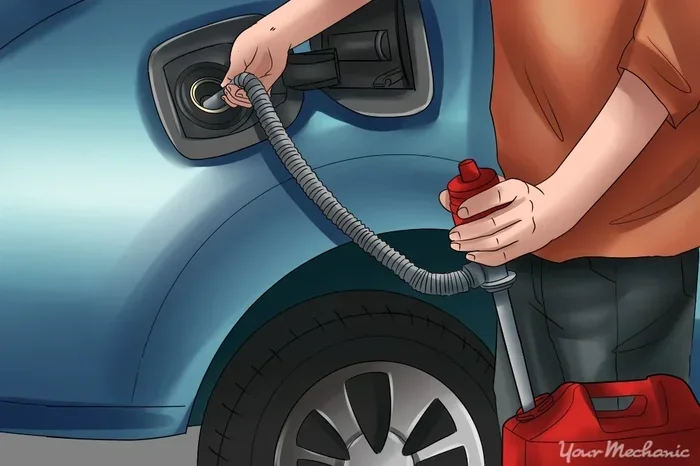
This is the most popular and easiest method for most car owners. A hand siphon pump lets you pull fuel out through the filler neck without removing any parts of the vehicle.
How it works: You insert the siphon tube into the fuel tank through the gas opening. Pump the handle a few times to start the flow. Gravity and suction pull the fuel through the hose and into your container.
Steps:
- Place your fuel-safe container on the ground near the tank filler neck.
- Insert the siphon tube into the tank until it reaches the bottom.
- Pump the handle several times to start the siphon effect.
- Let gravity do the rest — fuel will flow steadily into the container.
- Once the tank is empty or at your desired level, remove the tube carefully.
This method works well for most cars and trucks. It is clean, fast, and requires no tools beyond the siphon pump. If you want a reliable option, a manual siphon pump costs under $20 and works on virtually any vehicle.
Method 2: Draining Through the Fuel Lines
Some vehicles allow you to drain fuel from the bottom of the tank by disconnecting the fuel lines. This method is more involved but gives you direct access to the fuel.
How it works: You locate the fuel lines connected to the engine or fuel filter, disconnect them, and let the fuel drain into a container. This method is especially useful when you need to work on the fuel system itself.
Steps:
- Lift the vehicle safely using a jack and secure it with jack stands.
- Locate the fuel filter or fuel lines near the tank or engine.
- Place a container beneath the disconnect point.
- Use a wrench to loosen the fuel line fitting.
- Let the fuel drain completely into the container.
- Reconnect the lines tightly once you are done.
Be aware that this method can be messier than siphoning. Fuel may drip and spill, so have plenty of rags ready. Also, some vehicles have electric fuel pumps that need to be primed after reconnecting the lines.
For more information about fuel pump setups across different vehicles, check out our article on how many fuel pumps does a Dodge Charger have to understand how fuel systems vary by model.
Method 3: Removing the Fuel Tank
This is the most thorough method and is usually done only when the tank needs cleaning, repair, or replacement. It involves unbolting the tank from the vehicle and physically removing it.
When to use this method:
- The tank has rust or sediment buildup that needs cleaning.
- There is a hole or crack in the tank that requires repair.
- You are replacing the fuel pump or tank entirely.
Steps:
- Release the fuel pressure by removing the fuel pump fuse and running the engine until it stalls.
- Disconnect the negative battery terminal for safety.
- Support the tank with a jack and remove the straps or bolts holding it in place.
- Carefully lower the tank and tip it to drain fuel into a container.
- Perform your maintenance or repair work.
- Reinstall the tank and reconnect all lines and electrical connections.
Removing the fuel tank is the most labor-intensive method. It requires mechanical skill and the right tools. If you are not comfortable doing this yourself, it is perfectly fine to take your vehicle to a mechanic.
Step-by-Step Guide to Draining Your Fuel Tank
Now that you understand the three main methods, here is a detailed step-by-step walkthrough using the siphon pump method — the most accessible approach for most car owners.
Step 1: Park on a Level Surface
Find a flat, stable surface to work on. This prevents fuel from sloshing unevenly and reduces the risk of spills. Make sure the area is well-ventilated.
Step 2: Turn Off the Engine and Let It Cool
Wait at least 10 minutes after turning off the engine. A hot engine and hot exhaust components can ignite fuel vapors. Let everything cool down before you begin.
Step 3: Open the Gas Cap
Remove the gas cap to allow air into the tank. This prevents a vacuum from forming and makes the fuel flow more smoothly during siphoning.
Step 4: Set Up Your Siphon Pump
Insert the siphon tube into the tank filler neck. Push it down as far as it will go — ideally to the bottom of the tank where the most fuel sits. Place the other end of the hose into your fuel-safe container on the ground.
Step 5: Start the Siphon
Pump the handle up and down several times. After a few pumps, fuel should begin flowing into the container. If it does not start flowing, try adjusting the tube position or giving it a gentle push deeper into the tank.
Step 6: Monitor the Flow
Watch the container fill up. Use the fuel gauge on your dashboard to track how much fuel remains in the tank. Stop draining when you reach your target level.
Step 7: Finish and Clean Up
Once you are done, carefully remove the siphon tube. Wipe up any spills immediately with rags. Replace the gas cap and store your fuel container properly.
Quick Tips for a Smooth Process
- Use a clear siphon tube so you can see the fuel level and flow.
- Keep a second container handy in case you need to transfer fuel.
- Label your fuel container with the date and fuel type.
- Never use a regular plastic container — always use a certified fuel-safe can.
- Have a fire extinguisher nearby just in case.
Common Mistakes to Avoid When Releasing Gas
Even experienced car owners make mistakes when draining fuel. Here are the most common errors and how to avoid them:
- Skipping safety steps: Never skip ventilation or ignition-source checks. A single spark can cause a serious fire.
- Using the wrong container: Regular plastic jugs are not designed to hold gasoline. They can melt, leak, or create static sparks. Always use an approved fuel container.
- Overfilling the container: Leave some air space in your fuel can. Fuel expands with heat, and an overfilled container can leak or burst.
- Forgetting to release fuel pressure: If you are disconnecting fuel lines, always relieve the system pressure first. Pressurized fuel can spray out forcefully and cause injuries.
- Dumping fuel improperly: Never pour old gasoline down a drain, onto the ground, or into a storm sewer. It contaminates water and soil. Instead, take it to a recycling center or auto parts store that accepts used fuel.
- Rushing the process: Fuel release takes patience. Rushing leads to spills, mistakes, and potential safety hazards.
One mistake people sometimes make is trying to flood a fuel injected car by adding too much fuel during the process. If you are concerned about fuel system flooding, our guide on can you flood a fuel injected car has helpful information on how to avoid and fix this issue.
When to Call a Professional
Not everyone feels comfortable working with fuel systems, and that is perfectly okay. Here are situations where calling a professional mechanic is the smartest choice:
- You notice a fuel leak: If you see fuel dripping or pooling under your vehicle, do not attempt to drain the tank yourself. A leak could indicate a serious problem that needs immediate attention.
- The tank is severely corroded: Old tanks with heavy rust may be fragile and dangerous to handle without proper equipment.
- You need to replace major components: If your fuel pump, fuel lines, or tank need replacement, a professional has the tools and expertise to do it safely.
- You are unsure about any step: When in doubt, consult a certified mechanic. It is always better to be safe than sorry.
A professional mechanic can also inspect your entire fuel system while the tank is empty. This is a great opportunity to check the fuel filter, fuel lines, and pump for wear and tear. Catching small issues early can save you expensive repairs down the road.
Proper Disposal of Old Gasoline
Once you have successfully released gas from your tank, you need to dispose of it responsibly. Old or contaminated gasoline should never be thrown in the trash, poured down drains, or left in open containers.
Options for safe disposal:
- Take it to your local hazardous waste collection center.
- Many auto parts stores and gas stations accept used fuel for recycling.
- Some municipal waste facilities have specific drop-off days for household chemicals and fuels.
- If the fuel is only slightly old, you can mix it with fresh fuel at a ratio of 1:4 and use it in your car — but only if it shows no signs of contamination or water mixing.
Always store old fuel in a sealed, approved container away from heat sources and direct sunlight. Label the container clearly so others know what is inside.
Frequently Asked Questions
Can you release gas from a fuel tank without a siphon pump?
Yes, you can. You can use a gravity siphon by inserting a long hose into the tank and letting the fuel flow out naturally. Another option is to drain the tank through the fuel lines underneath the vehicle. Both methods work without a mechanical pump, though they take more time and care.
How long does it take to drain a fuel tank?
Using a siphon pump, most tanks drain in 15 to 30 minutes depending on the fuel level. Draining through the fuel lines is faster but messier. Removing the entire tank takes the longest and may require an hour or more of work.
Is it safe to store drained gasoline in a garage?
No, you should never store gasoline in an enclosed garage. Fuel vapors are heavier than air and can accumulate in low spaces. Always store fuel containers outdoors or in a well-ventilated area away from living spaces and ignition sources.
Can you reuse old gasoline?
Gasoline that is less than six months old and has not been contaminated can often be reused. If it looks clear and smells normal, you can mix it with fresh fuel. If it appears dark, has a sour smell, or contains water, it should be disposed of properly.
How do you know if your fuel tank needs to be drained?
Common signs include a rough idle, difficulty starting the engine, a strong sour smell from the fuel system, or the check engine light coming on. If you have been storing your vehicle for a long time, it is a good idea to drain the tank before the fuel degrades completely.
What is the safest way to handle spilled gasoline?
Absorb small spills with rags or cat litter and dispose of the materials in a sealed metal container. Do not use water to wash gasoline away — it contaminates soil and water. For large spills, contact your local hazardous materials authority for guidance.
Conclusion
Releasing gas from a fuel tank is a skill every car owner should have in their toolkit. Whether you are draining old fuel before storage, fixing a fuel system problem, or correcting a wrong fuel type, the methods in this guide give you everything you need to get the job done safely and effectively.
Start by preparing your workspace and gathering your tools. Choose the method that fits your situation — siphoning, line draining, or full tank removal. Follow every safety precaution, and never rush the process. Dispose of old fuel responsibly and recycle whenever possible.
If you ever feel unsure about any step, do not hesitate to consult a professional mechanic. Working with fuel systems demands respect and caution, but with the right approach, it is a task you can handle confidently on your own.