How Do I Tell If My Car Is Low on Transmission Fluid
Knowing how to tell if your car is low on transmission fluid can save you hundreds in repairs. Common signs include slipping gears, strange noises, and delayed shifting. This guide walks you through every warning sign and quick check you can do at home.
Your car’s transmission is one of the most hardworking parts under the hood. It shifts gears smoothly so you can accelerate, cruise, and climb hills without a second thought. But here is the thing — transmission fluid keeps all of that happening. When that fluid drops too low, things start to go wrong fast.
So how do you tell if your car is low on transmission fluid? The good news is your vehicle gives you plenty of warning signs. You just need to know what to look for. This guide breaks down every signal, every check, and every step you can take to protect your transmission.
Whether you drive an automatic or a manual, this article covers what you need to know. We will walk through the symptoms, the simple DIY checks, and the common mistakes people make. By the end, you will feel confident spotting trouble early.
Key Takeaways
- Burning smell and dark fluid: These are the clearest signs your transmission fluid is low or degraded.
- Slipping gears and delayed shifting: Your car may hesitate or pop out of gear when fluid is insufficient.
- Check the dipstick: Most vehicles let you inspect transmission fluid level yourself with a simple dipstick check.
- Don’t ignore warning lights: The check engine light can signal low transmission fluid in some cases.
- Prevent costly repairs: Catching low fluid early keeps your transmission healthy and your wallet safe.
- Regular fluid checks matter: Make transmission fluid part of your routine car maintenance schedule.
📑 Table of Contents
- What Does Transmission Fluid Do?
- Common Signs Your Transmission Fluid Is Low
- How to Check Your Transmission Fluid Level
- What Causes Low Transmission Fluid?
- Can You Add Transmission Fluid Yourself?
- How Mechanics Check Transmission Fluid During Service
- Common Mistakes People Make With Transmission Fluid
- How to Prevent Low Transmission Fluid
- When to See a Professional
- Final Thoughts
What Does Transmission Fluid Do?
Transmission fluid serves a few big jobs. It lubricates all the moving parts inside your gearbox. It keeps things cool. And it creates the hydraulic pressure needed to shift gears smoothly. Without enough fluid, none of these functions work properly.
Think of it like engine oil, but for your transmission. Just like engine oil, transmission fluid breaks down over time. It gets dirty. It loses its ability to protect your gears. And when the level drops too low, the damage can happen fast.
There are two main types of transmission fluid. Automatic transmission fluid (ATF) is used in automatic gearboxes. Manual transmission fluid, sometimes just called gear oil, is used in manual setups. Your owner’s manual will tell you which type your car needs.
Common Signs Your Transmission Fluid Is Low
Your car will tell you when something is wrong. The key is paying attention to the signals. Here are the most common signs that your transmission fluid level has dropped.
Slipping Gears
This is one of the most noticeable symptoms. Your car might feel like it is changing gears on its own. Or it might slip out of gear entirely. You could be driving along and suddenly the engine revs up without the car accelerating.
Slipping happens because there is not enough fluid to maintain proper hydraulic pressure. The gears simply cannot grip the way they should. This is a serious sign that should never be ignored.
Delayed Gear Engagement
When you shift from park to drive, do you notice a long pause before the car moves? A delay of even a second or two can point to low transmission fluid. The fluid needs to build up enough pressure to engage the gears. When the level is low, that process slows down.
Some drivers mistake this for a tired transmission. But often, it is simply a fluid issue. Topping off the fluid can fix the problem quickly.
Strange Noises
A healthy transmission is mostly quiet. So when you start hearing grinding, whining, or buzzing sounds, pay attention. These noises often mean metal parts are rubbing together without proper lubrication.
You might hear a loud clunk when shifting gears. Or a high-pitched whine when you reverse. Any new or unusual sound deserves a closer look at your fluid level.
Burning Smell
If you smell something burning coming from under your hood, do not drive any farther if you can help it. A burnt smell usually means the transmission fluid has overheated. Old, low, or contaminated fluid breaks down and starts to burn.
This is one of the most dangerous warning signs. Driving on burnt transmission fluid can destroy your entire transmission. Get it checked right away.
Leaking Fluid Under Your Car
Transmission fluid leaks are easy to spot if you know what to look for. Fresh ATF is usually reddish-pink and slick. Older fluid turns dark brown or even black. You might see a puddle under your car, especially near the middle or front of the vehicle.
A small drip can become a big problem fast. Check your parking spot regularly. If you notice any new fluid spots, inspect the level immediately.
Warning Lights on the Dashboard
Your check engine light can come on for many reasons. One of them is low transmission fluid. Some cars also have a specific transmission warning light. If either one pops up, do not ignore it.
A warning light is your car’s way of saying something needs attention. Use a scanner or visit a mechanic to read the code. Often, low fluid is the culprit.
How to Check Your Transmission Fluid Level
The easiest way to tell if your fluid is low is to check it yourself. Most cars have a transmission fluid dipstick. It works just like the oil dipstick. But there are a few important steps to follow.
Step-by-Step Dipstick Check
First, park your car on a level surface. Start the engine and let it warm up for a few minutes. Do you leave the car running when checking transmission fluid? Yes, in most cases you do. The fluid needs to be warm and circulating for an accurate reading. But always check your owner’s manual, as some newer vehicles recommend checking with the engine off.
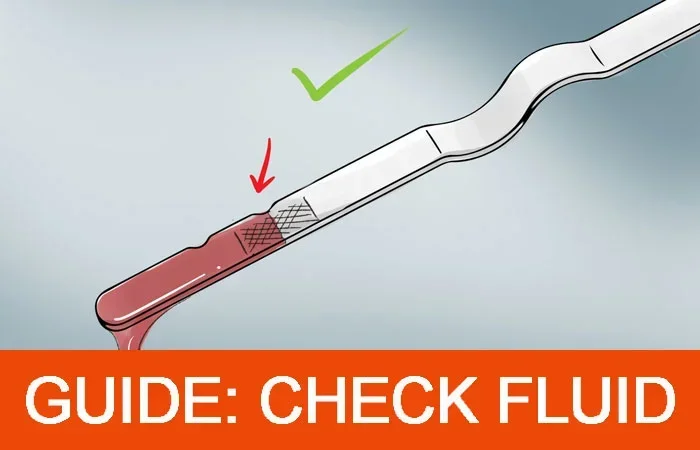
Next, locate the transmission dipstick. It is usually near the back of the engine bay, and the handle is often colored red or yellow. Pull it out, wipe it clean with a rag, then push it all the way back in. Pull it out again and look at the fluid level.
The dipstick will have markings for minimum and maximum levels. Your fluid should fall between those two lines. If it is below the minimum mark, you need to add more.
What the Fluid Should Look Like
Healthy transmission fluid is reddish and translucent. It should not be dark brown or black. If your fluid looks like burnt toast, it is time for a change. The smell matters too. Fresh fluid has a slightly sweet smell. If it smells burnt, the fluid has broken down.
Cloudy or foamy fluid can indicate a different problem, like moisture contamination. If anything looks off, a mechanic can help you figure out the cause.
When to Check the Fluid
Make it a habit to check your transmission fluid at least once a month. You should also check it before any long road trip. Hot weather and heavy towing can cause fluid levels to drop faster. Regular checks catch problems before they become expensive repairs.
What Causes Low Transmission Fluid?
Fluid does not just disappear on its own. Something is causing the level to drop. Understanding the cause helps you prevent it from happening again.
Leaks
The most common cause is a leak. Transmission seals and gaskets wear out over time. A damaged seal can let fluid slowly seep out. You might not even notice a small leak at first.
Common leak points include the pan gasket, the axle seals, and the cooler lines. If you see fluid under your car, have a mechanic inspect it as soon as possible.
Normal Fluid Breakdown
Even without a leak, transmission fluid breaks down over time. Heat and use cause the fluid to degrade. Old fluid loses its lubricating properties. This is why regular fluid changes matter so much.
Most manufacturers recommend changing transmission fluid every 30,000 to 60,000 miles. Check your owner’s manual for the exact interval for your vehicle.
Overheating
Transmission fluid heats up during normal use. But when it gets too hot, it can break down faster and burn off. Towing heavy loads, driving in stop-and-go traffic, or racing your engine can all cause overheating.
An overheating transmission can also mean your cooling system is not working properly. Keep your transmission cooler in good shape to protect the fluid.
Can You Add Transmission Fluid Yourself?
Yes, you can add transmission fluid at home. It is one of the easier maintenance tasks you can do yourself. But you need to be careful to do it right.
First, make sure you have the correct type of fluid. Not all transmission fluids are the same. Using the wrong fluid can damage your transmission. Your owner’s manual or a trusted auto parts store can help you find the right one.
To add fluid, locate the transmission dipstick tube. Use a funnel to pour the fluid in slowly. Add small amounts at a time and recheck the level. Overfilling can cause just as many problems as underfilling.
Can I add transmission fluid while the engine is running? Yes, in most cases. Adding fluid with the engine running and warm allows the fluid to circulate and settle properly. But again, always double-check your vehicle’s specific instructions.
If you are not comfortable doing this yourself, any trusted mechanic or dealership can handle it. Many quick-lube shops also offer transmission fluid top-offs as part of their services.
How Mechanics Check Transmission Fluid During Service
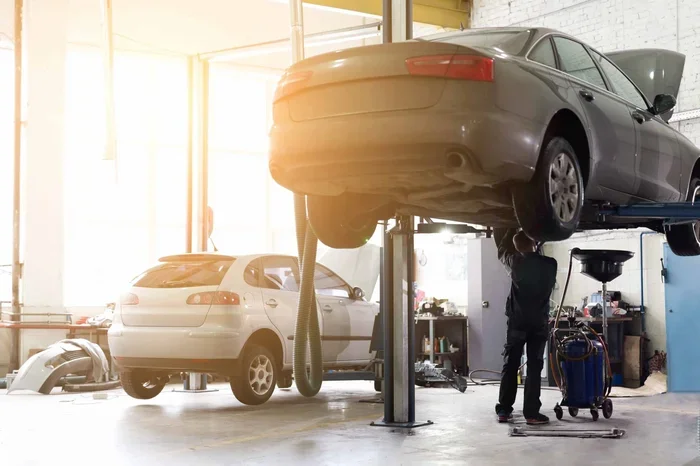
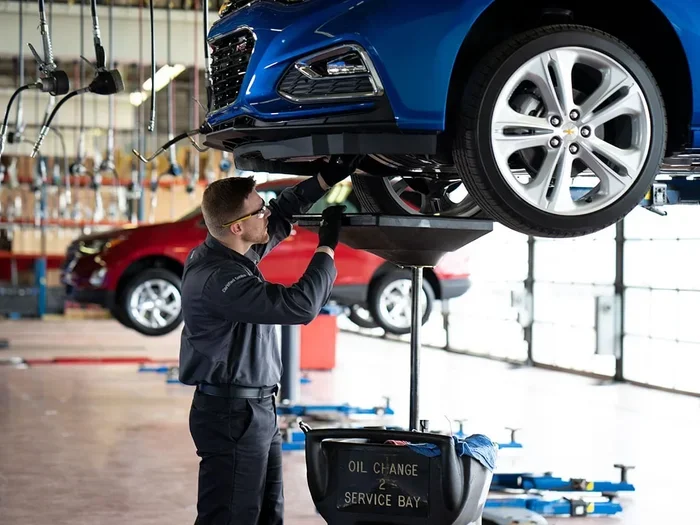
When you take your car in for an oil change, do mechanics check transmission fluid during an oil change? Often they do, but it depends on the shop and your service plan. Many full-service oil changes include a multi-point inspection that covers fluid levels.
During a transmission fluid check, the mechanic will look at the color and smell of the fluid. They will check the level on the dipstick. They will also inspect for leaks and listen for any unusual sounds from the transmission.
This is a great time to ask questions. If you have noticed any symptoms — slipping, delays, or strange noises — tell your mechanic. They can run additional diagnostics if needed.
Common Mistakes People Make With Transmission Fluid
Even well-meaning car owners make mistakes when it comes to transmission fluid. Here are the ones to avoid.
Ignoring the Problem
The biggest mistake is simply ignoring the signs. A little slipping or a slight delay does not seem like a big deal. But low transmission fluid causes serious damage over time. The gears wear out. The clutch packs burn. Eventually, you could need a full transmission replacement.
Overfilling the Fluid
More fluid is not better. Overfilling can cause the fluid to foam, which reduces its lubricating ability. It can also create excess pressure inside the transmission. Always add fluid in small amounts and recheck the level.
Using the Wrong Fluid Type
Not all transmission fluids are interchangeable. Using the wrong type can lead to poor shifting, increased wear, and even transmission failure. Always use the fluid specified in your owner’s manual.
Skipping Regular Changes
Transmission fluid does not last forever. Skipping scheduled changes means old, dirty fluid keeps circulating through your transmission. This accelerates wear and reduces performance.
How to Prevent Low Transmission Fluid
Prevention is always easier than repair. Here are simple steps to keep your transmission fluid at the right level.
- Check fluid levels monthly: A quick dipstick check takes just a few minutes.
- Follow the manufacturer’s change schedule: Change your fluid at the recommended interval.
- Watch for leaks: Inspect under your car regularly for any new fluid spots.
- Avoid heavy towing without proper cooling: Extra load means extra heat, which breaks down fluid faster.
- Address small issues early: A small leak today can become a big repair tomorrow.
Taking these simple steps can extend the life of your transmission by tens of thousands of miles. Your transmission is a major investment. Protecting it with proper fluid maintenance is one of the smartest things you can do.
When to See a Professional
Some transmission fluid problems are easy to fix at home. But others need a professional touch. If you notice any of the following, it is time to see a mechanic.
- Your fluid level drops again soon after topping it off — this suggests a leak.
- The fluid is dark brown, black, or smells burnt.
- Your car refuses to shift into gear or stays stuck in one gear.
- You hear loud grinding or clunking noises.
- The check engine light is on and you suspect a transmission issue.
A professional can run a full diagnostic and catch problems you might miss. They have the right tools and the experience to spot trouble early.
Final Thoughts
Knowing how to tell if your car is low on transmission fluid is one of the most valuable skills you can have as a car owner. Your car gives you clear warning signs. Slipping gears, delayed shifting, strange noises, a burning smell, and fluid leaks are all clues. The dipstick check is simple and fast, and it can save you from a major repair bill.
Do not wait until the problem gets worse. Check your fluid regularly. Add fluid when needed. And never ignore the signs your car is trying to tell you. A little attention goes a long way toward keeping your transmission healthy for years to come.
Take five minutes today to check your transmission fluid. Your future self — and your wallet — will thank you.
Frequently Asked Questions
How do I know if my transmission fluid is low?
The most common signs are slipping gears, delayed shifting, strange noises, a burning smell, and fluid leaks under your car. You can also check the dipstick to see if the fluid level is below the minimum mark. If you notice any of these symptoms, check your fluid right away.
Can I drive my car with low transmission fluid?
You should not drive with low transmission fluid for long. It can cause the gears to wear out or fail completely. If you must drive a short distance, get to a mechanic as soon as possible and top off the fluid first.
How often should I check my transmission fluid?
You should check your transmission fluid at least once a month. Also check it before any long road trips. Regular checks help you catch leaks and fluid breakdown early before they turn into expensive repairs.
What color should transmission fluid be?
Healthy automatic transmission fluid is reddish and translucent. It should not be dark brown or black. If the fluid looks burnt or smells bad, it needs to be changed. Dark or cloudy fluid is a sign of contamination or overheating.
Does checking transmission fluid require the car to be running?
In most vehicles, yes. The engine should be warm and running when you check the fluid. This allows the fluid to circulate and settle for an accurate reading. However, always check your owner’s manual for your specific vehicle’s instructions.
How much does a transmission fluid change cost?
A transmission fluid change typically costs between $100 and $250, depending on your vehicle and where you go. This is a small price compared to a transmission replacement, which can cost thousands of dollars. Regular fluid changes are one of the best ways to avoid expensive repairs.