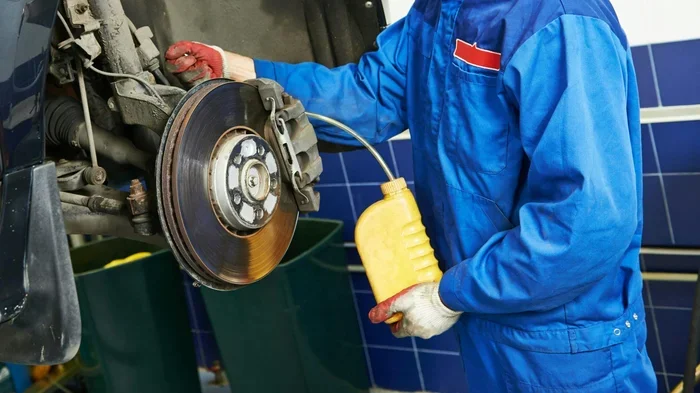
How Do I Know If My Brake Fluid Needs Changing Soon
Knowing when to change your brake fluid is one of the most important things you can do for your car’s safety. Brake fluid absorbs moisture over time, which lowers its boiling point and can lead to brake failure. This guide will teach you exactly how to check your brake fluid, what warning signs to look for, and when to schedule a brake fluid flush.
Brake fluid is the unsung hero of your car’s braking system. It works behind the scenes to transfer the force from your foot on the pedal to the brakes themselves. Without it, your car simply would not stop. Yet many drivers forget about it until something goes wrong.
So how do you know if your brake fluid needs changing? The answer is simpler than you might think. A few visual checks, a quick test, and awareness of warning signs can tell you everything you need to know.
Brake fluid plays a critical role in your vehicle’s safety system. It is a hydraulic fluid that transmits pressure from the brake pedal to the calipers and wheel cylinders. When you press the pedal, the brake fluid pushes the brakes against the rotors, slowing your car down.
Because this system relies on fluid pressure, any compromise in the fluid quality directly affects your braking performance. Contaminated or old brake fluid can lead to spongy pedals, longer stopping distances, and in the worst case, brake failure.
Most drivers never think about brake fluid until they notice a problem. That is a mistake. Brake fluid is hygroscopic, meaning it absorbs moisture from the air over time. This moisture lowers the boiling point of the fluid. When your brakes get hot during hard stops, the fluid can boil, creating air bubbles. Air in the brake lines causes a spongy pedal and reduced braking power.
Regular brake fluid checks can prevent these issues. It is one of the easiest maintenance tasks you can do at home, and it only takes a few minutes.
Key Takeaways
- Check your brake fluid color regularly: Dark or brown fluid is a clear sign it needs replacing.
- Brake fluid absorbs moisture over time: This reduces its effectiveness and can damage your brake system.
- Most manufacturers recommend changing brake fluid every 2 years: Check your owner’s manual for specific guidance.
- A spongy or soft brake pedal often signals low or contaminated brake fluid.
- You can test brake fluid moisture content with simple test strips: They are inexpensive and easy to use at home.
- Never ignore brake fluid leaks: They can lead to complete brake failure if not addressed quickly.
- DIY brake fluid checks are simple and take just a few minutes: No mechanic needed for basic inspections.
📑 Table of Contents
- What Brake Fluid Does and Why It Matters
- How to Check Your Brake Fluid Level
- Signs Your Brake Fluid Needs Changing
- How Often Should You Change Brake Fluid?
- How to Test Brake Fluid Condition
- Common Brake Fluid Mistakes to Avoid
- Can You Change Brake Fluid Yourself?
- The Cost of Changing Brake Fluid
- Final Thoughts on Brake Fluid Maintenance
What Brake Fluid Does and Why It Matters
Brake fluid is the lifeblood of your braking system. Without it, pressing the brake pedal would do nothing. The fluid transfers hydraulic pressure from the master cylinder to each wheel’s braking component.
How the Brake System Uses Fluid
When you step on the brake pedal, you push a piston inside the master cylinder. This piston pushes brake fluid through steel lines and rubber hoses to each wheel. The fluid pressure forces the brake calipers to squeeze the pads against the rotors. The friction between the pads and rotors slows your wheels down.
This entire process happens in fractions of a second. But it only works if the brake fluid is clean and at the right level.
Why Brake Fluid Degrades Over Time
Brake fluid is designed to withstand high temperatures and pressures. But it has a weakness: it absorbs moisture from the air. This happens through microscopic pores in rubber hoses and even through the reservoir cap when you open it.
As moisture builds up in the fluid, several problems develop. The boiling point drops. Corrosion forms inside the brake lines and calipers. The fluid becomes less effective at transferring pressure. Over time, this degradation can cause serious braking issues.
How to Check Your Brake Fluid Level
Checking your brake fluid level is one of the simplest things you can do. It takes less than two minutes and requires no special tools. Here is exactly how to do it.
Step-by-Step Brake Fluid Check
First, park your car on a flat surface. Turn off the engine and let the car cool down. Open the hood and locate the brake fluid reservoir. It is usually near the back of the engine bay, on the driver’s side.
Look at the fluid level against the side of the reservoir. Most reservoirs have MIN and MAX marks. The fluid level should be between these two lines. If it is below the MIN mark, you need to top it off and investigate for leaks.
Next, look at the color of the fluid. New brake fluid is typically clear or light amber. If the fluid looks dark brown or black, it is contaminated and needs to be replaced.
When to Check Brake Fluid
You should check your brake fluid at least once a month. It is also a good idea to check it before any long road trip. Many drivers check it during regular oil changes, which is a smart habit.
If you notice your brake pedal feels different or your car takes longer to stop, check the fluid immediately. These can be early warning signs of low brake fluid or contamination.
Signs Your Brake Fluid Needs Changing
Your car will give you several warning signs when the brake fluid is due for a change. Knowing these signs can help you catch problems early before they become expensive repairs.
Dark or Discolored Fluid
This is the most obvious sign. Fresh brake fluid should look clear or light golden. Over time, it darkens as it absorbs moisture and picks up debris from the brake system. If you open the reservoir and the fluid looks like dark honey or coffee, it is definitely time for a change.
Spongy or Soft Brake Pedal
A healthy brake pedal should feel firm and responsive. If the pedal feels spongy, soft, or sinks to the floor, air has entered the brake lines. This often happens when moisture in the brake fluid boils and creates vapor bubbles. Air compresses more easily than fluid, which is why the pedal feels mushy.
Increased Stopping Distance
If your car takes longer to stop than usual, do not ignore it. Contaminated brake fluid can reduce hydraulic pressure, meaning the brakes do not engage as powerfully. This is a serious safety concern, especially in emergency situations.
ABS Warning Light
The ABS warning light on your dashboard can come on for many reasons. One common cause is low brake fluid level. If the fluid drops below a certain point, the ABS sensor detects the issue and triggers the light. Have your brake fluid checked as soon as you see this warning.
Burning Smell While Braking
A burning smell when you apply the brakes is a red flag. It usually means the brake fluid has boiled due to excessive heat. This can happen during heavy braking, like driving down a steep mountain road. Boiled brake fluid has air bubbles that compress under pressure, reducing braking effectiveness.
How Often Should You Change Brake Fluid?
The answer depends on your vehicle, driving habits, and the type of brake fluid you use. Most manufacturers have specific recommendations, and following them is important.
Manufacturer Recommendations
Most car makers recommend changing brake fluid every 2 years or 30,000 miles, whichever comes first. Some manufacturers say every 3 years. Check your owner’s manual for the exact interval for your vehicle.
If you cannot find the information in the manual, ask your dealer or mechanic. They can look up the service schedule for your specific make and model.
Factors That Speed Up Brake Fluid Breakdown
Certain driving conditions cause brake fluid to degrade faster. Here are the main factors:
- Humid climates: More moisture in the air means more moisture absorbed by the fluid.
- Stop-and-go traffic: Frequent braking generates more heat, which breaks down the fluid faster.
- Heavy towing: Towing puts extra stress on the brakes and heats up the fluid more quickly.
- Racing or aggressive driving: High-speed stops create extreme heat that can boil low-quality fluid.
- Old rubber brake lines: Older hoses let in more moisture through their porous walls.
Brake Fluid Types and Their Lifespans
There are different types of brake fluid, and they have different performance characteristics. The most common types are DOT 3 and DOT 4. DOT 5 is a silicone-based fluid used in some specialty vehicles.
DOT 3 fluid has a dry boiling point of around 401°F and a wet boiling point of 284°F. DOT 4 fluid has higher boiling points, typically 446°F dry and 311°F wet. Higher boiling points mean better performance under heavy braking.
If you are unsure which type your car uses, check the owner’s manual or look at the brake fluid reservoir cap. It will have the DOT rating stamped on it.
How to Test Brake Fluid Condition
You do not need to be a mechanic to test your brake fluid. There are simple methods you can use at home to assess the fluid’s condition.
Visual Inspection Method
The simplest test is a visual check. Dip a clean white rag or paper towel into the brake fluid reservoir. Wipe it out and look at the color of the fluid on the rag. If it looks clear or slightly amber, the fluid is likely still good. If it appears dark brown or black, the fluid is contaminated and needs to be replaced.
Brake Fluid Test Strips
Brake fluid test strips are inexpensive and easy to find online or at auto parts stores. You dip the strip into the fluid and compare the color change to a chart on the package. The strip measures the moisture content of the fluid.
A green or blue strip means the fluid is in good condition. A yellow or brown strip means the fluid has absorbed too much moisture and should be replaced. These strips are a great tool for anyone who wants to monitor their brake fluid between professional services.
Comparing to New Fluid
Another simple method is to compare your fluid to new brake fluid. Buy a small bottle of fresh DOT 3 or DOT 4 fluid from an auto parts store. Hold the old fluid and the new fluid side by side against a white background. The color difference will be obvious if the old fluid has degraded.
Common Brake Fluid Mistakes to Avoid
Even well-meaning car owners can make mistakes when it comes to brake fluid. Here are the most common ones to avoid.
Mixing Different Brake Fluid Types
Never mix DOT 3 with DOT 5, or DOT 4 with DOT 5. DOT 5 is silicone-based, while DOT 3 and DOT 4 are glycol-based. They are not compatible and mixing them can cause serious damage to your brake system. Always use the type specified in your owner’s manual.
Overfilling the Reservoir
It might seem like a good idea to fill the reservoir to the top, but overfilling can cause problems. Brake fluid expands when it heats up. If the reservoir is completely full, the expanding fluid can overflow onto engine components, which can damage paint and rubber parts.
Keep the fluid level between the MIN and MAX marks at all times.
Ignoring Small Leaks
A small drip of brake fluid under your car might not seem like a big deal. But even a slow leak can drain the reservoir over time and lead to brake failure. If you see any fluid leaks, get them checked immediately. Brake fluid leaks are serious safety issues.
Skipping the Brake Fluid Flush
Topping off the reservoir is not the same as changing the fluid. A flush removes all the old fluid and replaces it with fresh fluid throughout the entire system. If you only add new fluid to the top, the old contaminated fluid remains in the lines and components. Always do a full flush when changing the fluid.
Can You Change Brake Fluid Yourself?
Many car owners wonder if they can change their own brake fluid. The answer is yes, but it requires some know-how and the right tools.
What You Will Need
To change brake fluid at home, you will need the correct type of new brake fluid, a wrench set, clear tubing, a catch pan, and a helper. You will also need to bleed the brakes, which removes air from the lines.
Why Many People Prefer a Professional
While it is possible to DIY a brake fluid change, many people prefer to have a professional do it. Bleeding the brakes properly can be tricky, and air in the lines can cause dangerous braking issues. If you are not confident in your mechanical skills, it is perfectly fine to have a trusted mechanic handle the job.
You can also have the brake fluid changed during an oil change or other routine service. Many quick-lube shops offer brake fluid flushes as part of their service packages. This is a convenient way to stay on top of your brake maintenance.
The Cost of Changing Brake Fluid
Brake fluid changes are one of the most affordable maintenance services you can get. A typical brake fluid flush costs between $70 and $120 at most repair shops. The fluid itself is inexpensive, usually under $20 for a bottle. Most of the cost is labor.
If you do it yourself, the cost drops to just the price of the new fluid. A bottle of DOT 3 or DOT 4 brake fluid from any auto parts store will do the job. Just make sure you buy the correct type for your vehicle.
Final Thoughts on Brake Fluid Maintenance
Brake fluid is one of those things that quietly keeps you safe every time you drive. It does not get the attention it deserves, but it is absolutely essential. Taking a few minutes to check your brake fluid regularly can prevent costly repairs and, more importantly, keep you and your family safe on the road.
Make brake fluid checks part of your regular car maintenance routine. Check the level, inspect the color, and watch for warning signs. If anything seems off, do not wait. Have the fluid tested or replaced as soon as possible.
Just like checking if your car has enough oil or making sure your tire pressure is correct, brake fluid maintenance is a simple step that pays off big time. Your brakes are the most important safety system in your car. Give them the care they deserve.
Remember that brake fluid absorbs moisture, degrades over time, and loses its effectiveness. Even if your car seems to be driving fine, old brake fluid is a hidden risk. Stay proactive, stay safe, and keep your braking system in top shape.
If you are ever unsure about your brake fluid condition, consult a trusted mechanic or your vehicle’s dealership. They can test the fluid, perform a full flush, and give you peace of mind. Do not wait until you notice a problem. Regular brake fluid maintenance is one of the best investments you can make in your car’s longevity and your safety.
Frequently Asked Questions
How do I know if my brake fluid is bad?
Check the color and consistency of the fluid. Fresh brake fluid is clear or light amber. If it looks dark brown or black, it has absorbed too much moisture and debris and needs to be replaced. A spongy brake pedal is another strong indicator that the fluid is degraded.
Can I drive with low brake fluid?
No, driving with low brake fluid is dangerous. Low fluid levels reduce hydraulic pressure in the brake system, which can lead to longer stopping distances or complete brake failure. If your brake fluid is low, top it off immediately and investigate the cause.
What happens if I don’t change my brake fluid?
Over time, brake fluid absorbs moisture from the air, which lowers its boiling point. This can cause the fluid to boil during hard braking, creating air bubbles that make the pedal spongy. Eventually, contaminated fluid can corrode brake components and lead to expensive repairs or brake failure.
How long does brake fluid last?
Most manufacturers recommend changing brake fluid every 2 years or 30,000 miles. However, driving conditions like humidity, stop-and-go traffic, and towing can shorten this interval. Always check your owner’s manual for the specific recommendation for your vehicle.
Is it hard to change brake fluid yourself?
Topping off the fluid is easy and takes just a few minutes. However, a full brake fluid flush and bleed requires more skill and tools. If you are comfortable working on cars, you can do it at home. Otherwise, it is best to have a professional handle the job to ensure safety.
What is the difference between DOT 3 and DOT 4 brake fluid?
DOT 4 brake fluid has a higher boiling point than DOT 3, which makes it better suited for high-performance driving and heavy braking. DOT 3 is the standard fluid for most everyday vehicles. Always use the type specified in your owner’s manual and never mix the two types.
=== CONCLUSION ===
Knowing how to check and change your brake fluid is one of the most important skills every car owner should have. It is simple, affordable, and takes just a few minutes. Regular brake fluid maintenance keeps your braking system working at its best and protects you on every drive.
Pay attention to the warning signs. Check the fluid color, monitor the level, and do not ignore a spongy pedal. Your brakes are what stand between you and a safe stop. Give them the care they deserve by keeping your brake fluid fresh and clean.
Make it a habit to inspect your brake fluid every month. It is one of those small maintenance tasks that makes a huge difference over time. Stay proactive, stay informed, and keep your car running safely for years to come.