How Can I Reset My Oil Life Indicator Simply Explained
Resetting your oil life indicator is a simple maintenance task that keeps your car running smoothly. Most vehicles let you reset the system in under a minute using the dashboard buttons. Whether you drive a Toyota, Honda, Ford, or GM vehicle, the process is straightforward once you know the right steps.
Your car talks to you. It uses lights, symbols, and messages on the dashboard to tell you what it needs. One of the most important messages is the oil life indicator. This little system tracks your driving habits and tells you when it is time for an oil change. But here is the thing — after you change the oil, that light does not turn off by itself. You have to reset it manually. And if you have never done it before, it can feel confusing.
The good news? Resetting your oil life indicator is one of the easiest maintenance tasks you can do. You do not need a mechanic. You do not need expensive tools. All you need is a few minutes and the right steps. This guide will walk you through the entire process, brand by brand, so you can handle it like a pro.
We will cover why the oil life system matters, how it works under the hood, and exactly how to reset it on popular car brands. We will also share common mistakes to avoid and tips to keep your engine healthy for the long haul. Let us get into it.
Key Takeaways
- Easy Process: Resetting your oil life indicator takes just a few simple steps on most vehicles.
- Brand-Specific Steps: Different car brands use different button combinations to reset the system.
- Regular Maintenance Matters: Resetting the indicator after an oil change helps you track your next service accurately.
- Don’t Ignore Warnings: A persistent oil life light may signal a deeper issue that needs attention.
- Owner’s Manual Is Key: Always check your manual for model-specific reset instructions.
- Oil Quality Affects Intervals: Synthetic oil can extend the time between resets and changes.
📑 Table of Contents
- What Is an Oil Life Indicator?
- How to Reset Your Oil Life Indicator by Brand
- Common Mistakes People Make When Resetting Oil Life
- When Should You Reset Your Oil Life Indicator?
- Tips to Keep Your Oil Life System Accurate
- Understanding Oil Life vs. Maintenance Required Light
- How Often Should You Actually Change Your Oil?
- Frequently Asked Questions
What Is an Oil Life Indicator?
The oil life indicator is a smart system built into your car. It does not just count miles. It looks at how you drive, the temperature, the load on the engine, and your driving conditions. Then it calculates when the oil is no longer performing at its best. This is different from a simple mileage-based reminder.
How the System Works
Most modern cars use an oil life monitoring system. This system watches several factors:
- Engine temperature and operating conditions
- Driving habits like short trips or heavy towing
- Time since the last oil change
- Oil quality sensor readings
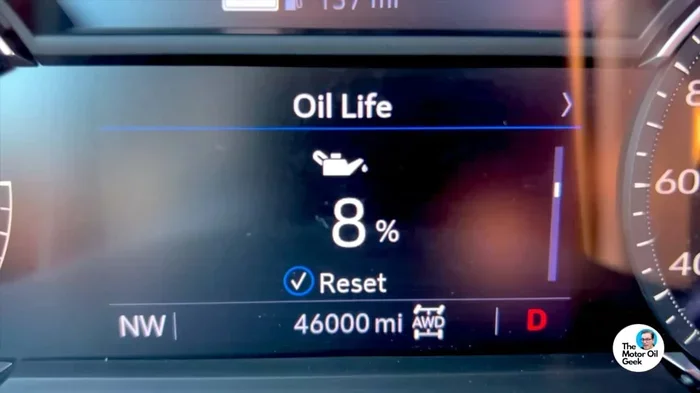
Based on all of this data, the system gives you a percentage. When it drops to zero, the light comes on. That means it is time to change your oil. Some people call this the oil change reminder. Others just call it the maintenance light. Whatever you call it, the job is the same — tell you it is time for service.
Why It Matters More Than You Think
Many drivers ignore the oil life indicator. They think it is just a suggestion. But here is the truth. Old oil breaks down. It loses its ability to lubricate the engine. This leads to more friction, more heat, and eventually serious engine damage. Keeping up with your maintenance schedule saves you from expensive repairs down the road.
Also, resetting the indicator after every oil change keeps you on track. If you skip the reset, you will not know when the next change is due. It is a small step that makes a big difference.
How to Reset Your Oil Life Indicator by Brand
Every car brand has its own reset process. The buttons you press and the menu you navigate depend on the make and model. Below, we break down the steps for the most popular brands. These instructions cover most model years, but always double-check your owner’s manual if something feels off.
How to Reset Oil Life on Toyota
Toyota vehicles are known for their reliability. Resetting the oil life on a Toyota is quick and easy. Here is what to do:
- Turn the ignition to the “ON” position. Do not start the engine.
- Press the odometer or trip meter button until you see the odometer reading.
- Turn the ignition to the “OFF” position.
- Press and hold the trip meter button.
- While holding the button, turn the ignition back to “ON.”
- Keep holding the button until the maintenance light starts blinking.
- Release the button. The light should now be off.
Some newer Toyota models use a steering wheel control or a touchscreen display. If your car has a digital screen, navigate to the maintenance menu and select “Reset Maintenance.” The process takes about 30 seconds either way.
How to Reset Oil Life on Honda
Honda vehicles follow a similar process, but the button placement is slightly different. Here is the step-by-step:
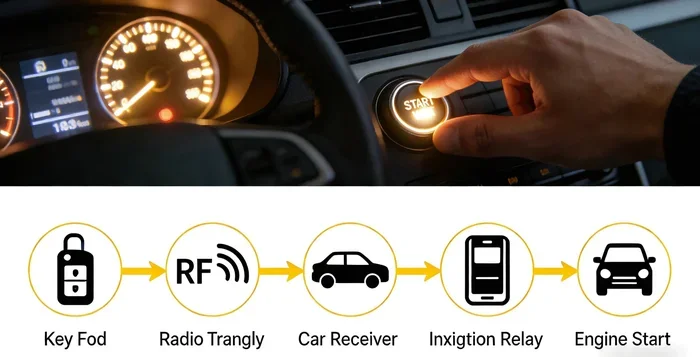
- Press the START/ENGINE button without pressing the brake pedal. The system should be in accessory mode.
- Locate the INFO button on the steering wheel or dashboard.
- Scroll through the menu until you find “Maintenance Required.”
- Press and hold the INFO button for about 10 seconds.
- The maintenance light should blink and then turn off.
If your Honda has a traditional key ignition, turn the key to position II (not starting the engine) and follow similar steps with the trip/reset button on the instrument cluster.
How to Reset Oil Life on Ford
Ford trucks and SUVs are some of the most popular vehicles on the road. Here is how to reset the oil life on most Ford models:
- Use the steering wheel controls to navigate to the Settings menu.
- Scroll down to Vehicle Information.
- Select Maintenance or Service.
- Choose Oil Life Reset.
- Confirm the reset when prompted.
For older Ford models without a touchscreen, turn the ignition key to the RUN position (do not start the engine). Use the arrow buttons on the instrument cluster to find the oil life display. Press and hold the RESET button until the percentage resets to 100%.
How to Reset Oil Life on Chevrolet and GM Vehicles
GM vehicles, including Chevrolet, Buick, and GMC, use a similar reset process:
- Turn the ignition to RUN (just before starting the engine).
- Press the trip/fuel button until the oil life display appears.
- Press and hold the trip/fuel button for about 5 seconds.
- The display should show “Reset Successful” or the oil life percentage should jump back to 100%.
Some GM models with MyLink or Infotainment systems let you reset through the touchscreen. Go to Vehicle Settings, then Maintenance, and select Reset Oil Life.
How to Reset Oil Life on Other Brands
Other brands like Nissan, Hyundai, and Volkswagen follow similar patterns. The key is to find the reset function in either the instrument cluster or the infotainment system. If you cannot find the instructions, your owner’s manual will have a dedicated section on maintenance light reset. Do not guess — getting it right the first time saves time and frustration.
Common Mistakes People Make When Resetting Oil Life
Resetting the oil life indicator sounds simple, but people still make mistakes. Here are the most common ones and how to avoid them.
Forgetting to Change the Oil First
This is the biggest mistake. Some drivers reset the indicator without actually changing the oil. The light goes off, but the old oil is still in the engine. This defeats the entire purpose. Always change the oil first, then reset the system. If you are unsure whether your oil is low, check out how to tell if your car is low on oil before proceeding.
Using the Wrong Reset Procedure
Every brand has its own method. Using the Honda procedure on a Ford will not work. Make sure you follow the steps specific to your vehicle. If you are not sure, search online for your exact make, model, and year.
Ignoring a Persistent Light
Sometimes the light stays on even after a proper reset. This could mean the oil pressure is low, the oil sensor is faulty, or there is another issue. Do not ignore it. Get the car checked by a professional. A persistent light is not something to brush off.
Not Resetting After Every Oil Change
Some people reset once and forget about it. But the system needs to be reset every single time you get fresh oil. Skipping the reset means your maintenance schedule becomes inaccurate. Set a reminder on your phone to reset it after each oil change.
When Should You Reset Your Oil Life Indicator?
The short answer is: after every oil change. But there are a few other situations where a reset makes sense.
- After an oil change: This is the primary reason to reset. Fresh oil means the system starts fresh.
- After an oil top-off: If you just added oil and did not do a full change, some people still reset the system. However, this is not recommended unless you are changing the oil completely.
- After replacing the oil sensor: If you replaced the oil quality sensor or the oil pressure sensor, a reset helps the system recalibrate.
- After a long road trip: Hard driving conditions can trigger the light early. A reset after a change keeps things accurate.
Using synthetic oil can also affect how often you need to reset. Synthetic oil lasts longer than conventional oil. If you use high-quality synthetic, you may be able to go longer between changes. Check out whether you can go 10,000 miles on synthetic oil for more details on extended oil change intervals.
Tips to Keep Your Oil Life System Accurate
The oil life monitoring system is smart, but it is not perfect. Here are some tips to keep it working correctly.
Use the Right Oil for Your Vehicle
Not all oil is the same. Check your owner’s manual for the recommended oil weight and type. Using the wrong oil can throw off the system’s calculations. For example, if your car needs 5W-30 but you put in 10W-40, the system may not read the oil quality accurately.
Keep Track of Your Mileage
Even with an oil life indicator, it helps to track your mileage manually. Write down the date and mileage every time you get an oil change. This gives you a backup reference if the system ever malfunctions.
Do Not Ignore Other Dashboard Warnings
The oil life indicator is just one of many warning lights on your dashboard. If you see the check engine light, the oil pressure light, or the temperature warning light, address those immediately. These are different from the oil life system and signal more serious problems.
Visit a Professional When Needed
Most resets are DIY-friendly. But if you are uncomfortable doing it yourself, visit a dealership or service center. Many places will reset the system for free as part of an oil change service. You can also learn more about whether you should reset after an oil change to feel more confident about the process.
Understanding Oil Life vs. Maintenance Required Light
People often confuse the oil life indicator with the maintenance required light. They are related but not the same thing. The oil life indicator specifically tracks oil condition and tells you when the oil needs replacing. The maintenance required light is a general reminder for scheduled service. It could remind you about tire rotations, brake inspections, or fluid flushes.
Some cars combine both into one system. When the light comes on, it might mean oil change, or it might mean it is time for a broader service check. Understanding the difference helps you respond appropriately. If you are unsure what a specific light means on your dashboard, consult your owner’s manual or search for your vehicle’s specific warning light guide.
How Often Should You Actually Change Your Oil?
The old rule of changing oil every 3,000 miles is outdated for most modern vehicles. Today, many cars can go between 5,000 and 10,000 miles between changes, depending on the oil type and driving conditions. Here is a quick comparison:
- Conventional oil: Every 3,000 to 5,000 miles
- Synthetic blend: Every 5,000 to 7,500 miles
- Full synthetic oil: Every 7,500 to 10,000 miles
Your driving style matters too. If you frequently drive in stop-and-go traffic, tow heavy loads, or drive in extreme temperatures, you may need to change your oil more often. The oil life indicator accounts for these factors, which is why it is a better guide than a fixed mileage number alone.
Always follow the recommendations in your vehicle’s owner’s manual. And if you ever wonder whether your car is ready for an upgrade or a different maintenance approach, check out how to upgrade your vehicle for helpful insights on keeping your car in top shape.
Frequently Asked Questions
Can I drive with the oil life indicator light on?
You can drive a short distance with the light on, but you should not make a habit of it. The light means your oil is past its optimal condition. Driving on old oil increases engine wear. Get the oil changed as soon as possible to protect your engine from damage.
What happens if I never reset my oil life indicator?
If you never reset it, the light stays on permanently after it hits zero. This can be annoying and distracting. More importantly, it makes it hard to know when the next oil change is due. The system will not recalculate until you reset it after a fresh oil change.
Does resetting the oil life indicator also reset the oil filter?
No. Resetting the indicator only clears the light and recalibrates the system. You still need to physically replace the oil filter during every oil change. The oil filter removes contaminants from the oil, and a clogged filter can damage your engine over time.
Can I reset the oil life indicator without starting the engine?
Yes, on most vehicles. The reset process typically requires the ignition in the ON or ACCESSORY position, not a running engine. You do not need to start the car. Just turn the key or press the START button without pressing the brake pedal.
Why does my oil life indicator reset to 100% immediately?
This is normal. After a successful reset, the system should display 100% or a full oil life reading. This tells you the system has been recalibrated and is ready to monitor your next oil change interval from scratch.
How do I know if my oil life system is malfunctioning?
Signs of a malfunction include a light that will not turn off after a reset, a light that comes on immediately after resetting, or a system that shows inconsistent readings. If you notice any of these issues, have a mechanic diagnose the problem. It could be a faulty oil pressure sensor or a wiring issue.