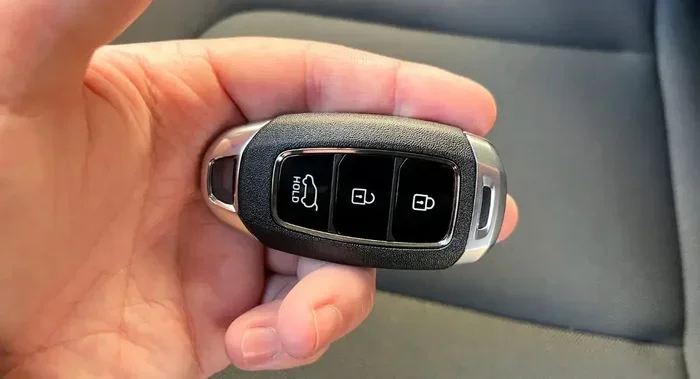
What Happens If You Drive Without Your Key Fob Inside
Driving without your key fob inside can leave you stranded, trigger security warnings, and even prevent your car from starting. Modern vehicles rely heavily on smart key systems and push button start technology, which means losing or forgetting your fob has real consequences. This guide covers everything you need to know about key fob signal loss, car immobilizer behavior, and practical steps to handle the situation safely.
You hop in your car, press the brake pedal, and hit the start button. Nothing happens. You look down and realize your key fob is sitting on the kitchen counter. This scenario happens more often than you might think. It is frustrating, stressful, and sometimes even costly. But exactly what happens if you drive without your key fob inside? The answer depends on your vehicle, its technology, and how long you try to operate it. This article breaks it all down in plain language.
Modern cars are smarter than ever. They use smart key systems, proximity sensors, and transponder technology to keep your vehicle secure. These systems are great for theft prevention. But they also mean you need your fob nearby to drive. Forgetting your fob inside can trigger a chain of events that range from minor annoyances to serious safety concerns. Let us explore what actually happens step by step.
Key Takeaways
- Your car may not start: Most modern vehicles require the fob to be inside the cabin to initiate ignition.
- Warning signals will appear: Dashboard alerts and beeping sounds notify you that the fob is missing.
- Security features activate: The immobilizer system prevents the engine from running without a detected fob.
- You can still drive short distances in some models: Certain cars allow limited operation if the fob battery is dead but the fob is nearby.
- Battery drain is a real risk: Leaving the car searching for a fob signal can drain your car battery quickly.
- Emergency procedures exist: Every vehicle has a backup method to start the car without the fob.
- Prevention is simple: Keeping a spare fob and checking your key fob battery regularly avoids most problems.
📑 Table of Contents
- How Your Key Fob Communicates With Your Car
- What Happens When You Try to Start the Car Without the Fob
- Can You Still Drive If the Fob Battery Is Dead?
- Safety Risks of Driving Without the Fob Inside
- What To Do If You Forget Your Fob Inside
- How Different Car Brands Handle Missing Fobs
- Common Mistakes People Make With Key Fobs
- Expert Tips to Keep Your Fob and Car Running Smoothly
- Conclusion
How Your Key Fob Communicates With Your Car
Before diving into the consequences, it helps to understand the basics. Your key fob is not just a remote. It is a small computer that sends encrypted signals to your car. These signals tell the vehicle that the fob is nearby and authorized to start the engine.
The Role of the Transponder Chip
Inside every modern fob is a transponder chip. This chip sends a unique identification code to your car’s immobilizer system. The immobilizer acts as a security guard. It checks the code against a list of approved keys stored in the car’s computer. If the code matches, the engine can start. If it does not match, the engine stays locked. This is why drive without key fob inside situations cause so many problems. The car simply does not recognize you as the authorized driver.
Proximity Detection Technology
Most newer cars use proximity detection to find your fob. The car constantly scans for the fob’s radio signal. When it detects the fob inside the cabin, it allows you to press the start button. This is the keyless entry and push button start system most drivers rely on every day. Without the fob signal, the system goes into a defensive mode. It assumes someone is trying to steal the car.
What Happens When You Try to Start the Car Without the Fob
So you are sitting in the driver seat. The fob is in the house. You press the start button. Here is exactly what happens in most vehicles.
Phase One: The Warning Phase
The moment you press the button, your car checks for the fob signal. When it does not find one, the dashboard warning light comes on. You will usually see a symbol that looks like a key or a fob with an exclamation mark. The car may also beep several times. These are clear signals that the system does not detect the fob. The engine will not turn over. This is the car’s first line of defense.
Phase Two: The Immobilizer Locks Out
If you keep trying, the vehicle immobilizer fully engages. The engine control unit (ECU) blocks fuel injection and spark. Even if the starter motor tries to crank the engine, it will not fire. Some cars display a message on the screen that reads “Key Not Detected” or “Push Fob to Start.” At this point, you are not going anywhere. The car security system has done its job.
Phase Three: Battery Drain
Here is a problem many people do not expect. If you repeatedly try to start the car without the fob, the car battery can drain. The system keeps scanning for the fob signal every few seconds. Each scan uses a small amount of power. Over dozens of attempts, this adds up. You could end up with a dead 12V battery on top of your original problem. This is a common mistake people make when they panic and keep pressing the button.
Can You Still Drive If the Fob Battery Is Dead?
This is one of the most common questions drivers ask. The short answer is: it depends on your car model. Let us look at the different scenarios.
Cars With Passive Keyless Entry
Many vehicles with passive keyless entry can start if the dead fob is physically touching the start button or placed in a specific slot. Some cars have a key fob emergency slot in the center console or steering column. You place the fob against this slot, and the car reads the transponder chip directly through contact. This bypasses the wireless signal requirement. So even with a dead battery, you can still start the car in many models.
Cars That Require a Strong Fob Signal
Other vehicles are stricter. If the fob battery is dead and the fob is not in the cabin, these cars will not start at all. There is no backup slot or emergency method. You will need roadside assistance or a key fob replacement battery. This is why keeping spare batteries on hand is such a good idea. A small CR2032 battery costs just a few dollars and can save you a lot of trouble.
The Proximity Sensor Factor
Some cars have a proximity sensor in the key pocket or door handle. These sensors can detect the fob even if the battery is weak. However, a very weak battery may not reach the sensor. If you notice your fob struggling to unlock the car from a distance, that is a sign the battery is dying. Replace it before it becomes a bigger problem.
Safety Risks of Driving Without the Fob Inside
You might wonder if it is even possible to drive without the fob inside the car. In most cases, the answer is no. But let us talk about the real safety risks involved.
Engine Shutdown While Driving
In rare cases, some vehicles will shut off the engine if they lose contact with the fob signal while driving. This is more common in older smart key systems. Imagine losing power at highway speed. The steering wheel may become harder to turn without power assistance. The brakes may also require more force. This is a dangerous situation that no driver wants to face. Always keep your fob inside the car while driving.
Lockout While Parked
If you leave the fob inside the car and turn it off, you may not be able to lock the doors or restart the engine. The car senses the fob is present, but once you step out, the system may lock you out of certain functions. Some cars will not allow you to open the doors from the outside if the fob is inside and the engine is off. This sounds confusing, but it is actually a security feature. It prevents someone from stealing your car while the fob is still inside.
Theft Risk and Signal Boosting
Leaving your fob inside the car is also a theft risk. Thieves use a technique called signal boosting or relay attack. They place a device near the car that amplifies the fob’s signal. This tricks the car into thinking the fob is nearby. If your fob is inside the car, a thief could potentially unlock and start it. Always remove the fob from the vehicle when parked, especially overnight.
What To Do If You Forget Your Fob Inside
So you are locked out of the situation literally. What now? Here are the steps you should take.
Step One: Stay Calm
Panicking will not help. Take a breath and assess the situation. Is the fob in the house? Is it in your pocket? Check your bags, coat pockets, and the last place you remember having it.
Step Two: Check for a Backup Method
Look in your owner manual for the emergency start procedure. Many cars have a hidden slot for the fob. Some require you to place the fob on a specific spot on the steering column or center console. This varies by make and model, so the manual is your best friend here.
Step Three: Call for Help
If you cannot find the fob or the backup method does not work, call a locksmith or roadside assistance. A professional key fob replacement service can help you get back on the road. Some dealerships also offer emergency fob programming. Keep the phone number of your roadside assistance provider saved in your phone for moments like this.
Step Four: Replace the Fob Battery
If the fob is nearby but the car will not detect it, the battery is likely dead. Replacing the battery is quick and easy. Most fobs use a CR2032 coin cell battery. You can buy one at any drugstore or supermarket. Open the fob with a small flathead screwdriver, swap the old battery for the new one, and test it. This simple fix solves the problem more often than you would think.
Step Five: Prevent Future Issues
Take steps to make sure this does not happen again. Designate a spot near your door for the fob. Get into the habit of checking for it before you close the car. Consider buying a spare key fob and keeping it in a safe place. Some drivers also use a key finder tracker attached to their fob. These small devices help you locate a lost fob using your smartphone.
How Different Car Brands Handle Missing Fobs
Not all cars react the same way when the fob is missing. Here is a quick comparison of how popular brands handle this situation.
- Toyota: Most Toyota models with smart key will not start without the fob inside the cabin. A warning message appears on the display. The car beeps repeatedly. Some models allow you to place the fob on the start button for a backup start.
- Honda: Honda vehicles use a transponder-based immobilizer. Without the fob detected, the engine will crank but not fire. Honda also has a physical key slot hidden in the fob for emergency use.
- Ford: Ford’s passive keyless entry system requires the fob to be inside the cabin. If the fob is missing, the driver information center displays a “Key Not Detected” message. The engine will not start.
- BMW: BMW vehicles with Comfort Access are sensitive to fob location. The car scans for the fob continuously. Without it, the doors will not unlock and the engine will not start. BMW also has a mechanical key hidden inside the fob for manual door entry.
- Chevrolet: GM vehicles with Remote Start technology require the fob to be present for the engine to run. Without it, the security system locks out the ignition entirely.
Common Mistakes People Make With Key Fobs
Even experienced drivers make mistakes with their key fobs. Here are some common errors to avoid.
- Leaving the fob in the car overnight: This exposes you to theft and signal interference. Always take the fob with you.
- Ignoring low battery warnings: When your fob starts acting sluggish, replace the battery immediately. Do not wait until it dies completely.
- Storing the fob near electronic devices: Phones, tablets, and other electronics can interfere with the fob signal. Store it in a dedicated spot away from devices.
- Not having a spare fob: If your only fob breaks or gets lost, you are in a tough spot. Always keep at least one spare.
- Hitting the start button repeatedly: This drains the car battery fast. If the fob is not detected, stop trying and check the situation calmly.
Expert Tips to Keep Your Fob and Car Running Smoothly
Here are some practical tips from automotive experts to help you avoid fob-related headaches.
- Replace your fob battery every 12 months. Even if it seems to work fine, a fresh battery ensures reliable signal strength.
- Keep a spare fob at home. Do not rely on a single fob. A backup saves you time and money in emergencies.
- Learn your car’s emergency start procedure. Read the owner manual or search online for your specific model. Knowing this can get you out of a tight spot.
- Use a fob signal-blocking pouch. Also called a Faraday pouch, this blocks the fob’s signal when you are not using it. It prevents relay attacks and signal interference.
- Get your fob programmed regularly. If you notice the fob becoming less responsive, have a dealer or locksmith reprogram it. This ensures the encryption stays current.
Conclusion
So, what happens if you drive without your key fob inside? The short answer is your car will not start, and you may even face security lockouts and battery drain issues. Modern vehicles are designed to protect you and your car, and the smart key system plays a big role in that protection. While it can be frustrating to deal with, these systems keep your vehicle safe from theft and unauthorized use.
The good news is that most problems are easy to prevent. Keep your fob in a designated spot. Replace the battery regularly. Know your car’s emergency start method. And always keep a spare fob handy. These simple habits save you time, money, and a lot of stress.
If you ever find yourself locked out because you forgot your key fob inside, stay calm. Check for the emergency backup slot. Replace the battery if needed. And call for professional help if you cannot resolve the issue on your own. Your car is smarter than you think, but it still needs you to be smart about how you use it.
Take a few minutes today to check your key fob battery and review your owner manual. A little preparation goes a long way. You will never have to worry about being stranded because of a missing fob again.
Frequently Asked Questions
Can a car start without the key fob inside the vehicle?
In most modern cars, the answer is no. The immobilizer system requires the fob to be detected inside the cabin before the engine can start. Without the fob signal, the car will either crank but not fire or refuse to crank at all. Some models have an emergency slot that allows a backup start if the fob battery is dead.
How far can a key fob signal reach the car?
Most key fob signals work within a range of about 30 to 50 feet. This range varies by vehicle model and fob technology. Some cars with advanced proximity sensors can detect the fob from a greater distance, while older models have a shorter range. Walls and electronic interference can also reduce the effective range.
What type of battery does a key fob use?
Most key fobs use a CR2032 coin cell battery. This is a common, inexpensive battery available at most stores. Some larger fobs or European models may use different battery types, so check your owner manual. Replacing the battery usually takes just a few minutes with a small flathead screwdriver.
Will repeatedly trying to start the car without the fob drain the battery?
Yes, it can. Each time you press the start button, the car’s system scans for the fob signal. Repeated scans draw power from the car battery. After many attempts, you could end up with a dead battery on top of your original problem. If the fob is not detected, stop trying and seek alternative solutions.
Can a locksmith help if I lose my key fob?
Absolutely. A professional locksmith can replace your key fob, program a new one, and even create a backup fob for your vehicle. Many locksmiths offer mobile services and can come to your location. This is often faster and more affordable than visiting a dealership for key fob replacement.
How do I know if my key fob battery is dying?
Signs of a dying fob battery include reduced range, intermittent locking, and difficulty starting the car. You may also notice the fob needs to be closer to the car for the keyless entry to work. If you experience any of these symptoms, replace the battery right away to avoid being stranded.