How Do I Deactivate the Airbag and What You Need to Know
Knowing how to deactivate the airbag is essential for certain car maintenance and repair tasks. This guide walks you through the process step by step, covering safety warnings, tools needed, and common mistakes. Deactivating the airbag correctly keeps you safe while you work on your vehicle’s steering column or dashboard. Always follow the proper procedures to avoid accidental deployment or damage to your airbag system.
Working on your vehicle sometimes requires you to step away from the usual maintenance routine. One task that often raises questions is how to handle the airbag system safely. Many car owners find themselves asking, “How Do I Deactivate the Airbag?” Whether you are replacing a steering column, installing aftermarket equipment, or dealing with a faulty sensor, understanding the deactivation process is critical. This guide covers everything you need to know in plain, simple language.
The airbag is one of the most important safety features in any modern car. It deploys in milliseconds during a collision to protect you and your passengers. However, there are times when you need to temporarily or permanently disable this system. Doing so without the right knowledge can be dangerous. That is exactly why this article exists. By the end, you will understand the full process, the risks involved, and how to handle the job safely.
Key Takeaways
- Safety First: Always disconnect the battery and wait the recommended time before touching any airbag components.
- Right Tools Matter: You need basic hand tools, a multimeter, and sometimes a diagnostic scanner to properly deactivate the system.
- Know Your Vehicle: Every car model has a slightly different deactivation process. Check your owner’s manual first.
- Never Rush: Skipping steps or shortcuts can lead to accidental deployment or injury.
- Reactivation Is Important: After completing your work, you must properly reactivate the airbag system before driving.
- Professional Help Helps: If you are unsure about any step, consult a certified mechanic to avoid costly mistakes.
📑 Table of Contents
- Understanding the Airbag System
- When Is It Safe to Deactivate the Airbag?
- Tools and Equipment You Will Need
- Step-by-Step Guide to Deactivating the Airbag
- Common Mistakes to Avoid
- Reactivating Your Airbag After Deactivation
- When to Call a Professional
- Airbag Safety Tips Every Driver Should Know
- Conclusion
Understanding the Airbag System
Before you touch anything under the hood, you need to understand what you are dealing with. The airbag system is more complex than most people realize. It involves sensors, wiring, a control module, and explosive charges. Each part plays a role in keeping you safe during a crash. Let us break it down so the whole process makes sense.
How Your Airbag Works
When a collision occurs, crash sensors detect the sudden deceleration. These sensors send a signal to the airbag control unit. The control unit then triggers the inflator, which fills the airbag with gas in less than 50 milliseconds. The entire process happens faster than you can blink. This rapid response is what makes airbags so effective at reducing serious injuries.
The system relies on a continuous electrical circuit. As long as the circuit is intact, the airbag remains armed and ready to deploy. When you want to deactivate the system, you are essentially breaking this circuit. This prevents the airbag from firing during your work. The airbag module stores energy even when the car is off, which is why proper deactivation steps matter so much.
Why You Might Need to Deactivate It
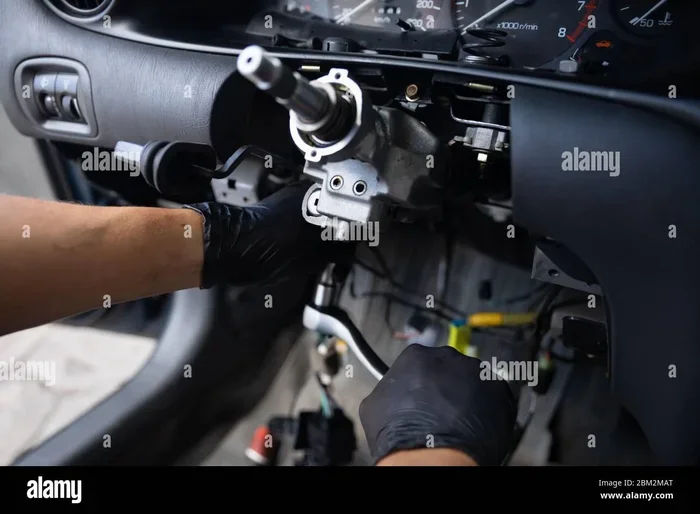
There are several valid reasons to deactivate the airbag. The most common one is steering column repair. If you need to replace the turn signal switch or the ignition lock, the airbag module sits right in the way. Working around it while it is live creates a serious risk of accidental airbag deployment.
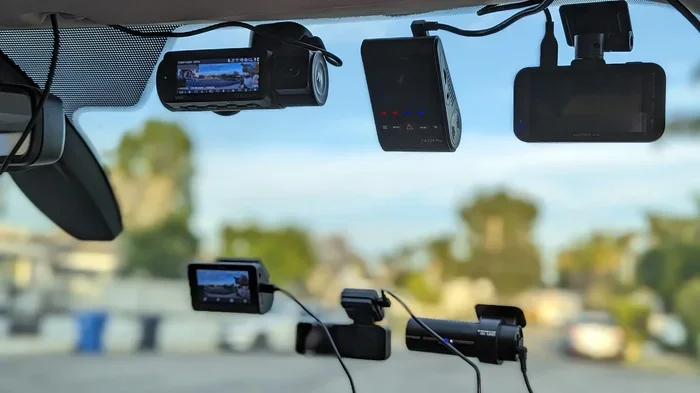
Another reason is installing aftermarket accessories. Some drivers add aftermarket steering wheels or dash cameras that interfere with the original airbag setup. In these cases, deactivation becomes necessary. You might also need to do it after a minor collision where the airbag did not deploy but the system has been triggered. The airbag wiring and connectors may have been damaged and need inspection.
Some people also need to deactivate the system when transporting a vehicle long distances on a flatbed. This prevents any accidental deployment during transport. Whatever your reason, understanding the process is the first step toward doing it safely.
When Is It Safe to Deactivate the Airbag?
Not every situation calls for airbag deactivation. In fact, many drivers never need to do it at all. The key is knowing when the situation truly requires it and when it does not. Let us look at the common scenarios where deactivation makes sense and when you should leave the system alone.
Common Situations That Require Deactivation
The steering column is the number one reason drivers need to deactivate the airbag. Removing or replacing the steering wheel, turn signal assembly, or ignition switch all require the airbag to be off. Working on these components with the airbag live can result in accidental deployment. The airbag clock spring, which connects the steering wheel to the car’s electrical system, is especially sensitive during these repairs.
Dashboard repairs also fall into this category. If you are replacing a faulty passenger airbag sensor or repairing wiring behind the dash, you need the system deactivated. The same goes for seat belt pretensioner repairs. These components are all part of the supplemental restraint system, and they demand respect and caution.
One situation where deactivation is not always necessary is a check engine light caused by an airbag fault code. In many cases, you can read the code and clear it without touching the airbag hardware. However, if you are replacing a sensor or a module, deactivation becomes essential. Always check the airbag warning light on your dashboard before starting any work.
When You Should Not Deactivate the Airbag
If you are simply replacing a fuse or checking a loose wire, full deactivation may not be needed. Always consult your vehicle’s service manual before deciding. Some airbag circuits can be safely isolated without a full system deactivation. When in doubt, seek professional advice. Your safety matters more than saving a few minutes.
Tools and Equipment You Will Need
Having the right tools makes the job safer and faster. You do not need anything exotic, but you do need the basics. Let us walk through what you should have ready before you start working on the airbag system.
Essential Tools for the Job
Start with a basic set of wrenches and sockets. Most airbag-related work involves removing bolts and connectors. A 10mm and 12mm socket will cover most vehicles. You will also need a screwdriver set, both flathead and Phillips. These are the tools you will use most often during the process.
A digital multimeter is another important tool. It helps you verify that the power has been fully cut from the airbag circuit. This extra step adds a layer of safety that is well worth the small investment. You can pick up a basic multimeter for under $30 at any auto parts store.
Some vehicles require a diagnostic scanner to fully reset the airbag module after deactivation. An OBD-II scanner that supports airbag diagnostics can save you a lot of trouble. Check your vehicle specifications before you start to see if this applies to your car. A quality scanner can also help you read and clear airbag fault codes after reactivation.
Do not forget safety gear. Wear safety glasses and work gloves. Even though the airbag is deactivated, there can still be residual charge in the system. Protecting your hands and eyes is a simple precaution that pays off. Keep a flashlight handy too, since you may be working in tight or dark spaces under the dashboard.
Step-by-Step Guide to Deactivating the Airbag
Now let us get into the actual process. Follow these steps carefully and do not skip any of them. Rushing through the process is how accidents happen. Take your time and work methodically. Every step matters when dealing with the airbag system.
Step 1: Turn Off the Ignition and Remove the Key
Start by turning the ignition to the off position. Remove the key from the ignition switch. This cuts power to the electrical system and begins the deactivation process. Do not rely on the accessory mode. You need a full power-off state before you do anything else.
Wait at least 15 to 30 minutes after removing the key. This waiting period allows the airbag capacitor to discharge fully. The capacitor stores residual energy even after the battery is disconnected. Skipping this wait time is one of the most common mistakes people make. Set a timer if you need to. Patience here keeps you safe.
Step 2: Disconnect the Battery
Open the hood and locate the negative battery terminal. Use your wrench to loosen the cable and pull it off the post. Tuck the cable away from the terminal so it cannot accidentally touch it again. Some guides suggest disconnecting both terminals. For most vehicles, disconnecting the negative terminal is sufficient. However, if you want extra safety, go ahead and disconnect the positive terminal as well.
After disconnecting the battery, wait another 10 minutes. This gives the airbag control module time to fully power down. The control module is the brain of the airbag system. It needs to be completely offline before you touch any wiring or connectors. This waiting period is not optional. It is a critical safety measure.
Step 3: Locate the Airbag Connector
Every vehicle has an airbag connector that links the steering column to the rest of the system. In most cars, this connector sits behind the steering column cover. You may need to remove a plastic panel to access it. Refer to your vehicle’s service manual for the exact location.
Look for a yellow connector. The yellow color is a universal indicator for airbag wiring across the automotive industry. If you see a yellow plug, you have found the right one. Do not pull on the wires themselves. Always grip the connector housing and pull it apart gently. Forcing the connection can damage the wiring and create a safety hazard.
Once disconnected, secure the connector away from any metal surfaces. Tape it up or hang it where it cannot accidentally touch the battery or any grounded component. This prevents any chance of accidental reconnection while you are working.
Step 4: Verify the System Is Deactivated
This step is easy to skip, but it is critical. Use your multimeter to check for voltage at the airbag connector. Set it to the DC voltage setting and probe the connector pins. You should read zero volts or very close to it. If you still see voltage, go back and check your battery disconnection.
Make sure the cable is fully removed and cannot make contact. You can also check the airbag warning light on your dashboard. If it is off, that is a good sign the system is deactivated. Some vehicles have a specific airbag reset procedure after disconnection. Check your owner’s manual or a repair database for your specific model. Following the manufacturer’s procedure ensures you do not miss anything important.
Step 5: Perform Your Repair or Installation
Now that the airbag is fully deactivated, you can safely proceed with your work. Whether you are replacing a steering column component, installing a new wheel, or repairing wiring, you can work without the risk of accidental deployment.
Keep in mind that the airbag module and inflator are still present in the vehicle. Handle them with care. Do not drop them, puncture them, or apply excessive force. Even deactivated, these components contain materials that should be treated with respect. The airbag inflator contains a small explosive charge that can be dangerous if mishandled.
Take photos as you go. Document how each connector and wire was positioned before you remove it. This makes reassembly much easier and helps you avoid mistakes during the reinstallation process. Label any wires or connectors if you have multiple ones in the same area. A little organization goes a long way.
Common Mistakes to Avoid
Even with the best intentions, people make mistakes when working with airbag systems. These errors can lead to injury, costly repairs, or a non-functioning airbag after you are done. Let us look at the most common pitfalls and how to avoid them.
Skipping the Waiting Period
The capacitor in the airbag system holds a charge even after you disconnect the battery. If you do not wait the full recommended time, that residual charge can still trigger deployment. Always wait at least 15 to 30 minutes before touching any airbag components. This is not a suggestion. It is a safety requirement that protects your life.
Not Checking the Airbag Warning Light
After you complete your work, the airbag warning light should turn off when you reconnect the battery. If it stays on, that means the system has detected a fault. Ignoring this light means your airbag may not deploy in a real crash. Always clear any fault codes and verify the light goes off before you drive the vehicle. A lingering airbag light is never something to ignore.
Using the Wrong Tools
Using improperly sized tools can damage connectors and wiring. This is especially true for the airbag connector, which has a locking mechanism that requires the right tool to release. Do not force anything. If a connector does not come apart easily, stop and double-check that you have the correct tool. Forcing a connection can break the locking tab and create a loose fit that could cause problems later.
Forgetting to Reactivate the System
This is a big one that catches a lot of people off guard. Once you finish your repair, you must reconnect everything in reverse order. Forgetting to plug the airbag connector back in means the airbag will not work. Always double-check every connection before you start the engine. Take a photo of your final setup to confirm everything is in place.
Reactivating Your Airbag After Deactivation
Completing your repair is only half the job. Reactivating the airbag system is just as important as deactivating it. A deactivated airbag leaves you and your passengers unprotected in the event of a collision. Getting this step right is essential for your safety on the road.
Getting Your Airbag Back Online
Start by reconnecting the battery. Attach the positive terminal first, then the negative. Tighten the connections firmly but do not overtighten. A loose battery connection can cause all sorts of electrical issues, including problems with the airbag system.
Next, plug the airbag connector back in. You should hear a click when it locks into place. Double-check that it is fully seated and cannot come loose during driving. A partially connected airbag connector is one of the leading causes of airbag warning lights staying on after a repair.
Turn the ignition to the on position without starting the engine. Watch the dashboard for the airbag warning light. It should illuminate for a few seconds and then turn off. This is the system performing a self-check. If the light stays on, there is a problem. Use your diagnostic scanner to read the fault codes. Common issues include a loose connector, a damaged wire, or a faulty sensor. Address the specific code before you drive the vehicle.
Once the warning light turns off and stays off, your airbag system is fully reactivated. You are now safe to drive. However, if you ever notice the light coming back on, pull over and inspect the system again. The airbag is your last line of defense in a crash. Make sure it is always ready to do its job.
When to Call a Professional
There is no shame in calling a professional mechanic. Some airbag tasks are best left to experts. If you feel unsure about any step, or if your vehicle has a complex airbag setup, seeking help is a smart decision. Your safety is worth more than the cost of a service call.
Certified mechanics have access to factory service manuals and specialized diagnostic equipment. They can read airbag codes, perform system resets, and ensure everything is working correctly. For high-end vehicles or newer models with advanced restraint systems, professional help is often the best choice. These vehicles have complex airbag circuits that require specialized knowledge.
Also, consider calling a professional if you have been in a moderate or severe collision. Even if the airbag did not deploy, the sensors and modules may have been damaged. A professional can assess the full extent of the damage and recommend the right repairs. After any collision, it is always better to be safe than sorry when it comes to your airbag system.
Airbag Safety Tips Every Driver Should Know
Beyond the deactivation process, there are general safety practices every driver should follow. These tips help keep your airbag system in top shape and protect you on the road every day. Small habits can make a big difference when it comes to airbag safety.
- Always wear your seatbelt. The airbag works together with the seatbelt to provide maximum protection during a crash.
- Keep your steering wheel at a safe distance. Sitting too close to the steering wheel increases the risk of injury from a deploying airbag.
- Replace airbag components after any collision, even a minor one. The system is designed for a single deployment in most cases.
- Check for airbag recalls regularly. Manufacturers sometimes issue recalls for faulty airbag parts that need immediate attention.
- Never place objects on or near the airbag module. Loose items can interfere with deployment or become dangerous projectiles in a crash.
- Keep children under 12 in the back seat. The force of a deploying airbag can be harmful to smaller passengers sitting in the front.
Conclusion
Knowing how to deactivate the airbag gives you confidence when tackling certain repairs and installations. It is a skill that every car owner can learn with the right guidance. The key is to take your time, follow each step carefully, and never skip the safety precautions. The airbag is a life-saving device, and treating it with respect at all times is the smartest thing you can do.
Whether you are deactivating it for a repair or reactivating it afterward, doing it correctly ensures that it will protect you when you need it most. Always verify that the system is fully operational after you finish your work. A quick check of the airbag warning light and a test drive can give you peace of mind.
If you ever feel uncertain about any part of the process, do not hesitate to seek professional help. A certified mechanic can guide you through the steps or handle the job entirely. Your safety and the safety of your passengers always come first. Now that you understand how to deactivate the airbag properly, you are better equipped to handle the task with confidence and care. Stay safe, and never take your airbag system for granted.
Frequently Asked Questions
Can I deactivate the airbag myself?
Yes, you can deactivate the airbag yourself if you follow the proper steps and take the necessary safety precautions. You will need basic tools like wrenches, a multimeter, and some patience. However, if you are not comfortable working with electrical systems, it is always best to consult a professional mechanic who can handle the job safely.
Is it safe to drive with the airbag deactivated?
No, it is not safe to drive with the airbag deactivated for an extended period. A deactivated airbag will not deploy in a collision, leaving you and your passengers without a critical safety feature. Always reactivate the system as soon as you finish your repair and confirm the airbag warning light is off before driving.
How long does it take to deactivate the airbag?
The actual deactivation process takes about 15 to 30 minutes, depending on your vehicle model and the repair you are performing. However, you must also account for the waiting periods between steps, such as the 15 to 30 minute capacitor discharge time and the 10 minute module power-down time. Plan for about an hour total to be safe.
Will deactivating the airbag void my warranty?
This depends on your vehicle’s warranty terms and the reason for deactivation. If you deactivate the airbag for a legitimate repair and follow the manufacturer’s procedures, it should not void your warranty. However, if the deactivation causes damage or is done improperly, it could lead to warranty issues. Check with your dealer if you are unsure.
What happens if the airbag deploys accidentally?
If the airbag deploys accidentally while you are working, it can cause injury from the force of the deployment and the chemical propellant used to inflate it. Always make sure the system is fully deactivated before touching any airbag components. If an accidental deployment occurs, do not touch the inflator or module directly, as they can still contain residual charge.
Do I need to replace the airbag after deactivation?
You only need to replace the airbag if it has deployed or if it has been damaged during your work. A simple deactivation for a steering column repair does not require a new airbag. However, if the airbag light remains on after reactivation, you may need to replace a sensor or the airbag module itself. Have a professional diagnose the issue to be sure.