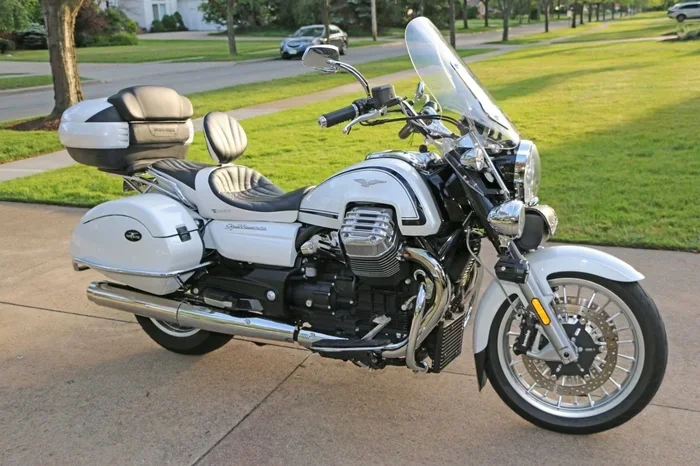
Moto Guzzi 1400 Common Problems and How to Fix Them
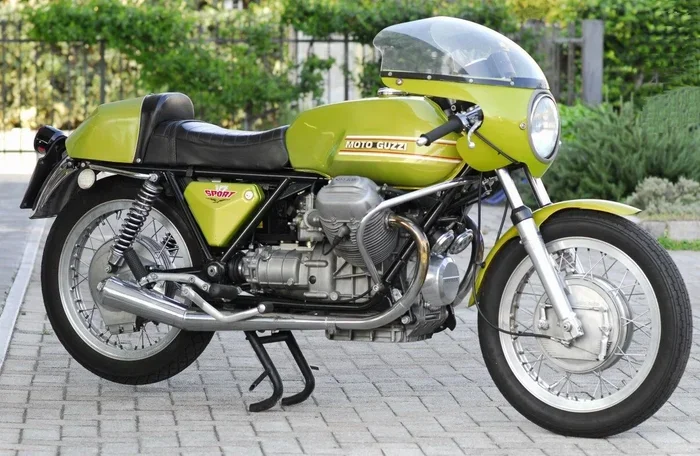
The Moto Guzzi 1400 is a beautiful Italian cruiser with a powerful V-twin engine, but it has known issues owners should know about. Common problems include overheating, camshaft wear, fuel injection faults, clutch degradation, and exhaust manifold cracks. This guide covers each issue in detail and provides step-by-step solutions to keep your motorcycle reliable and road-ready.
The Moto Guzzi 1400 is one of the most iconic American-Italian cruisers on the road. With its transverse V-twin engine and unmistakable character, it turns heads everywhere it goes. But like any complex machine, the Moto Guzzi 1400 comes with its share of headaches.
If you own one or are thinking about buying one, you need to know what can go wrong. This article breaks down the most common Moto Guzzi 1400 common problems and gives you clear, actionable fixes. Whether you are a seasoned mechanic or a DIY rider, you will find practical advice here.
Many riders love the Moto Guzzi 1400 for its torque and style. However, the bike has engineering quirks that demand attention. Ignoring small issues can lead to big repair bills. The good news is that most problems are well-documented and fixable when caught early.
Some owners compare the reliability of their Italian machines to Japanese bikes like the 2009 Toyota Corolla, noting that Japanese brands tend to have fewer engine-related failures. While direct comparisons are tricky, the Moto Guzzi 1400 does require more hands-on care than many mass-market motorcycles.
Let us dive into the specific issues you need to watch for.
Key Takeaways
- Overheating is the #1 enemy: Regular coolant flushes and thermostat checks prevent costly engine damage.
- Camshaft lobe wear causes rough idling: Early detection saves thousands in engine rebuild costs.
- Fuel injection problems are common at higher mileage: Cleaning or replacing injectors restores smooth power delivery.
- Clutch wear accelerates with aggressive riding: Using quality parts and proper adjustment extends clutch life significantly.
- Exhaust manifold cracks develop over time: Inspect gaskets and bolts during every service interval.
- Starter motor and battery drain issues are manageable: Simple maintenance routines prevent most electrical gremlins.
- Consistent maintenance beats reactive repairs: Following the factory service schedule keeps your Moto Guzzi 1400 running for years.
📑 Table of Contents
- Engine Overheating in the Moto Guzzi 1400
- Camshaft and Valve Train Issues
- Fuel Injection and Throttle Body Problems
- Clutch Wear and Engagement Issues
- Exhaust Manifold Cracks and Leaks
- Electrical Gremlins: Starter Motor and Battery Drain
- Comparison Table: Common Problems and Repair Costs
- Prevention: How to Keep Your Moto Guzzi 1400 Healthy
Engine Overheating in the Moto Guzzi 1400
Overheating is the single most reported problem among Moto Guzzi 1400 owners. The bike runs hot, especially in traffic or during summer rides. This is not just an inconvenience. Persistent overheating can warp cylinder heads, blow head gaskets, and cause serious engine damage.
The root cause usually comes down to the cooling system. The Moto Guzzi 1400 uses a liquid-cooled V-twin setup, and the radiator is positioned in a vulnerable spot. Airflow can get restricted, particularly at low speeds.
Signs Your Moto Guzzi 1400 Is Overheating
- Temperature gauge climbing into the red zone
- Coolant leaking from the radiator or hoses
- Engine running rough after warming up
- Steam or vapor rising from the engine bay
- Loss of power during extended rides
How to Fix Overheating
Start by checking your coolant level regularly. Flush the system every two years and replace with high-quality motorcycle coolant. Inspect the radiator for debris or damage that could block airflow.
Next, check the thermostat. A stuck thermostat prevents coolant from circulating properly. Replacement is inexpensive and easy. You should also consider adding an electric cooling fan if your model does not already have one. This simple upgrade makes a huge difference during stop-and-go riding.
Finally, inspect the water pump for leaks. A failing water pump will cause overheating quickly. Replace the pump and gasket as a set to ensure a proper seal.
Quick Tip: Always use OEM or high-spec aftermarket parts for cooling system components. Cheap replacements fail faster and can cause cascading problems.
Camshaft and Valve Train Issues
The Moto Guzzi 1400 uses a gear-driven camshaft system. Over time, the camshaft lobes can wear down, especially if the bike has high mileage or has been poorly maintained. This is one of the more serious Moto Guzzi 1400 common problems because it affects engine performance at its core.
Camshaft wear typically shows up as a rough idle, uneven power delivery, and strange valve noises. You might hear a clicking or tapping sound from the top end of the engine. These are early warning signs you should never ignore.
Why Camshaft Wear Happens
- Insufficient lubrication from old or low-quality oil
- Delayed oil changes allowing sludge buildup
- Normal wear after 50,000+ miles
- Incorrect valve clearance settings
- Using the wrong camshaft components during repairs
How to Fix Camshaft Problems
If you catch the issue early, a valve adjustment might be enough. Adjusting the valve clearances to factory specs can restore smooth operation and reduce noise.
For more advanced wear, you will need to remove the camshaft and inspect the lobes. Measure the lobe lift with a micrometer. If the wear exceeds manufacturer tolerances, replace the camshaft entirely. This is a moderate-to-complex job, so budget for professional labor unless you have solid motorcycle mechanics experience.
Expert Insight: Many experienced riders recommend switching to a high-zinc motorcycle oil. Zinc additives protect the camshaft and lifters from premature wear, especially in older engines.
Fuel Injection and Throttle Body Problems
The Moto Guzzi 1400 uses electronic fuel injection, which is generally more reliable than carburetors. But fuel injection systems have their own set of issues. Clogged injectors, dirty throttle bodies, and failing sensors can all cause drivability problems.
These issues often appear after 40,000 to 60,000 miles. Symptoms include rough idle, hesitation during acceleration, and inconsistent fuel economy. In some cases, the bike may stall unexpectedly.
Common Fuel Injection Faults
- Clogged fuel injectors from dirty fuel or lack of additives
- Dirty throttle body restricting airflow
- Faulty idle air control valve
- Failing fuel pressure regulator
- Cracked vacuum hoses causing air leaks
How to Fix Fuel Injection Issues
Start with the simplest fix: clean the throttle body and injectors. Use a quality throttle body cleaner and a can of fuel injector cleaner added to your tank. This maintenance step should be part of every service interval.
If cleaning does not solve the problem, you may need to remove and ultrasonic-clean the injectors. In worst-case scenarios, replacement injectors are needed. Check the fuel pressure regulator as well. A failing regulator causes either too much or too little fuel delivery.
Quick Tip: Use a fuel system cleaner every 5,000 miles. This prevents deposit buildup and keeps your injection system running smoothly.
Clutch Wear and Engagement Issues
The Moto Guzzi 1400 has a wet clutch system, which means it operates in oil. This design is durable but has known weaknesses. Clutch slipping, grabbing, and difficulty shifting are common complaints among owners.
The clutch plates wear over time, especially for riders who tow loads, ride in hilly terrain, or use aggressive shifting habits. The wet clutch design also means oil contamination can accelerate wear.
Signs of Clutch Problems
- Slipping under hard acceleration
- Difficulty finding neutral
- Clutch lever feeling spongy or stiff
- Grinding noises when shifting
- Oil contamination on the clutch plates
How to Fix Clutch Issues
First, check the clutch cable adjustment. Improper free play causes the clutch to drag, leading to premature wear. Adjust the cable to factory specifications and lubricate the cable housing.
If the clutch is slipping, the plates are likely worn. A full clutch job includes replacing the plates, pressure plate, and friction discs. Use OEM-quality parts for the best results. After installation, break in the new clutch properly by avoiding full-throttle launches for the first 100 miles.
Also check your engine oil. Using the wrong oil viscosity or low-quality oil can contaminate the clutch. Always use motorcycle-specific wet clutch oil.
Exhaust Manifold Cracks and Leaks
The Moto Guzzi 1400’s exhaust system handles extreme heat. Over time, the exhaust manifold can develop cracks, and the gaskets can deteriorate. These leaks cause power loss, increased noise, and potentially dangerous exhaust fumes entering the rider area.
Exhaust manifold problems are more common on older models or bikes that have been run hard without proper maintenance. The thermal cycling from hot to cold expands and contracts the metal, eventually causing stress fractures.
How to Identify Exhaust Leaks
- Ticking or popping sound from the engine area
- Increased exhaust noise, especially at idle
- Black soot marks around the manifold bolts
- Burning smell near the exhaust pipes
- Reduced fuel efficiency and power
How to Fix Exhaust Manifold Problems
For small cracks, a high-temperature exhaust weld or epoxy repair can work temporarily. However, the best long-term fix is replacing the manifold or having it professionally machined.
Replace the exhaust gaskets every time you remove the manifold. Use OEM-grade gaskets that can withstand the heat cycles. Also, check the manifold bolts for looseness during every service. Retorque them to spec to prevent uneven stress distribution.
Quick Tip: After any exhaust repair, inspect the mounting studs. Stripped studs are a common secondary issue that many riders overlook.
Electrical Gremlins: Starter Motor and Battery Drain
Electrical issues are frustrating on any motorcycle, and the Moto Guzzi 1400 is no exception. Owners frequently report starter motor failures, battery drain, and intermittent wiring problems. These issues can leave you stranded or unable to start the bike.
The starter motor on the Moto Guzzi 1400 is a known weak point. It works hard during cold starts and can wear out prematurely. Battery drain often comes from a parasitic draw in the electrical system or an aging battery that cannot hold a charge.
Common Electrical Problems
- Starter motor clicking but not engaging
- Battery draining overnight or between rides
- Flickering headlights at idle
- Blown fuses with no clear cause
- Faulty ignition switch causing intermittent starting
How to Fix Electrical Issues
For starter motor problems, first check the battery voltage. A weak battery can mimic starter failure. If the battery tests good, the starter motor likely needs replacement. Rebuild kits are available but OEM replacement is more reliable.
For battery drain, perform a parasitic draw test. Disconnect the negative battery terminal and use a multimeter to measure current draw. Anything above 50 milliamps indicates a drain. Trace the circuit by pulling fuses one at a until the draw drops.
Inspect all wiring harness connections for corrosion. Clean terminals with electrical contact cleaner and apply dielectric grease. This simple step prevents many future electrical issues.
Expert Insight: Many Moto Guzzi 1400 owners upgrade to a lithium battery. These batteries are lighter, hold charge longer, and handle vibration better than traditional lead-acid batteries.
Comparison Table: Common Problems and Repair Costs
| Problem | Symptoms | Average Repair Cost | Difficulty |
|---|---|---|---|
| Engine Overheating | High temp gauge, coolant leak, rough running | $300-$1,200 | Moderate |
| Camshaft Wear | Rough idle, valve noise, power loss | $1,500-$3,000 | Hard |
| Fuel Injection Faults | Hesitation, rough idle, stalling | $200-$800 | Easy-Moderate |
| Clutch Wear | Slipping, difficulty shifting, dragging | $800-$1,500 | Moderate |
| Exhaust Manifold Cracks | Ticking noise, exhaust leak, soot marks | $400-$1,000 | Moderate |
| Starter Motor Failure | Clicking noise, no start, intermittent | $300-$700 | Easy-Moderate |
| Battery Drain | Dead battery, flickering lights | $100-$400 | Easy |
Prevention: How to Keep Your Moto Guzzi 1400 Healthy
The best way to deal with Moto Guzzi 1400 common problems is to prevent them from happening in the first place. A solid maintenance routine goes a long way toward keeping your bike trouble-free.
Follow the factory service schedule religiously. Change the oil every 3,000 to 5,000 miles with quality motorcycle oil. Replace the coolant every two years. Check valve clearances annually. Inspect the clutch, brakes, and drive system at every oil change.
Store your bike properly. Extreme temperature swings accelerate wear on seals, gaskets, and electrical components. Use a battery tender during long storage periods. Keep the fuel tank full to prevent condensation and fuel system corrosion.
Quick Tip: Keep a maintenance log for your Moto Guzzi 1400. Tracking every service, repair, and part replacement helps you spot patterns and catch issues before they become expensive problems.
Many riders also benefit from joining online Moto Guzzi forums and communities. Sharing experiences with other owners helps you learn about common issues before they affect your bike. Knowledge from the community is one of the best tools you have as an owner.
Remember that the Moto Guzzi 1400 is a premium motorcycle that rewards attentive ownership. The bike delivers an incredible riding experience when properly maintained. But it demands more care than some other models on the market. Accepting this reality is the first step toward becoming a successful Moto Guzzi owner.
Regular inspections, quality parts, and timely repairs will keep your Italian cruiser running for decades. Do not ignore warning signs or put off scheduled maintenance. Small investments in care pay off massively over the life of the bike.
Also, build a relationship with a mechanic who knows the Moto Guzzi platform well. General repair shops may not have the specific expertise needed for these bikes. A specialist who understands the transverse V-twin design will diagnose and fix problems faster and more accurately.
Final thought: every motorcycle has quirks. The Moto Guzzi 1400 is no different. But with the knowledge in this guide, you are now equipped to handle the most common problems head-on. Ride smart, maintain consistently, and your Guzzi will reward you with years of unforgettable riding.
Frequently Asked Questions
What are the most common Moto Guzzi 1400 problems?
The most frequent issues include engine overheating, camshaft lobe wear, fuel injection faults, clutch degradation, and exhaust manifold cracks. Regular maintenance and early detection of symptoms can prevent most of these problems from becoming expensive repairs.
How often should I service my Moto Guzzi 1400?
Follow the factory service schedule, which typically recommends an oil change every 3,000 to 5,000 miles, coolant flush every two years, and a full inspection annually. More frequent service intervals are recommended if you ride in extreme heat or stop-and-go traffic regularly.
Is the Moto Guzzi 1400 reliable for long-distance touring?
Yes, with proper maintenance the Moto Guzzi 1400 is a solid touring bike. However, you should plan for more frequent stops to check coolant levels and monitor engine temperature. Many owners report reliable performance after addressing the common overheating and fuel injection issues.
How much does it cost to fix a camshaft on a Moto Guzzi 1400?
A camshaft replacement typically costs between $1,500 and $3,000 including parts and labor. The cost varies depending on the extent of engine damage and whether you choose OEM or aftermarket components. Early detection of camshaft wear can reduce costs significantly.
What type of oil should I use in my Moto Guzzi 1400?
Use a high-quality motorcycle-specific wet clutch oil that meets the manufacturer’s specifications. High-zinc formulations provide extra protection for the camshaft and valve train. Always check your owner’s manual for the recommended viscosity grade.
Can I prevent exhaust manifold cracks on my Moto Guzzi 1400?
While you cannot completely prevent thermal stress cracks, you can reduce the risk by allowing the engine to warm up gradually, avoiding rapid temperature changes, and using high-quality exhaust gaskets. Regular inspection of the manifold and bolts during service also helps catch small issues before they become cracks.
=== CONCLUSION ===
The Moto Guzzi 1400 is a remarkable motorcycle that delivers an unmatched riding experience. But it comes with a set of known issues that every owner must understand. From overheating to camshaft wear, fuel injection faults to electrical gremlins, these problems are manageable when you know what to look for.
The key to a long-lasting Moto Guzzi 1400 is proactive maintenance and prompt attention to warning signs. Do not let small symptoms become big problems. Follow the maintenance schedule, use quality parts, and build a relationship with a knowledgeable mechanic.
By staying informed and taking action early, you can enjoy your Moto Guzzi 1400 for many miles to come. The bike is worth the effort, and every ride will remind you why you chose this Italian cruiser in the first place.