How to Make Your Maserati Ghibli Louder and Prouder
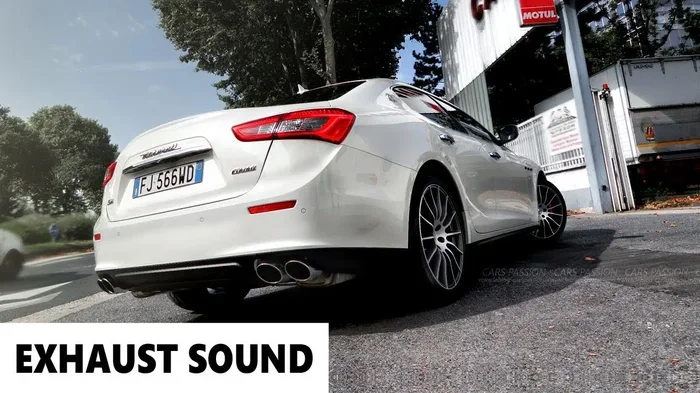
Making your Maserati Ghibli louder is all about the right combination of exhaust upgrades, engine tweaks, and sound system enhancements. You can transform the quiet luxury of this sedan into a commanding presence on the road. This guide walks you through proven methods to get your Maserati Ghibli louder and prouder, from aftermarket exhaust systems to smart ECU tuning.
There is something special about hearing a luxury car purr as it rolls down the street. The Maserati Ghibli is a stunning machine. It looks elegant and drives like a dream. But let us be honest. Sometimes it can feel a little too quiet for its own good. If you want to hear every roar and rumble from under the hood, you are in the right place.
Making your Maserati Ghibli louder is not just about volume. It is about unlocking the true character of this beautiful Italian sedan. Whether you want a subtle growl or a full-throttle scream, there are options for every taste and budget. In this guide, we will walk you through the best ways to get your car sounding the way it was meant to sound.
The good news is that you do not need to be a mechanic to understand these upgrades. We will break everything down into simple steps. You will learn about exhaust systems, engine mods, sound enhancements, and common mistakes to avoid. By the end, you will know exactly how to make your Maserati Ghibli louder and prouder. Let us dive in.
Key Takeaways
- Exhaust upgrades are the single most effective way to make your Maserati Ghibli louder and improve its overall sound profile.
- ECU tuning and cold air intake changes work together to enhance engine tone and performance.
- Sound system upgrades can complement exterior mods for a complete audio experience inside and outside the cabin.
- Avoid common mistakes like skipping professional installation or ignoring local noise laws.
- Small changes add up — even resonator deletes and exhaust tip swaps make a noticeable difference.
- Regular maintenance ensures your Maserati Ghibli keeps sounding its best after every mod.
📑 Table of Contents
Why Make Your Maserati Ghibli Louder?
The Maserati Ghibli is built for comfort and refinement. That is part of its appeal. But the factory sound dampening can take away from the raw engine experience. Many owners feel like their car sounds muted, like it is holding back. A few well-chosen upgrades can change that completely.
There are several reasons car owners choose to enhance their sound. Some want a more aggressive tone. Others want to feel more connected to the engine. And many simply love the way a powerful car sounds when it accelerates. Whatever your reason, making your Maserati Ghibli louder can bring back the excitement of driving a luxury sports sedan.
It is also worth noting that a louder exhaust can improve the overall Maserati Ghibli performance. Better airflow through the exhaust system helps the engine breathe more efficiently. This means you may notice a small boost in power and throttle response. So you get a better sound and better performance at the same time. That is a win-win.
Understanding Your Ghibli’s Stock Sound
Before you make any changes, it helps to understand what your car sounds like from the factory. The Ghibli comes with a well-designed exhaust system. It uses resonators and mufflers to keep things smooth and refined. This is great for daily driving. But it also means the engine sound gets dampened quite a bit.
The stock system prioritizes comfort over sportiness. If you have ever heard a Ghibli on the highway, you know it sounds polite. Polite is fine. But if you want that deep, throaty growl, you will need to make some changes. The good news is that the modifications we will cover are proven to work. They are also reversible in most cases.
Exhaust System Upgrades
The exhaust system is the heart of your car’s sound. Upgrading this component will give you the biggest change in volume and tone. There are several types of exhaust upgrades to consider. Each one offers a different level of sound and performance improvement.
Cat-Back Exhaust Systems
A cat-back exhaust system replaces everything from the catalytic converter back. This includes the mid-pipe, resonator, muffler, and tailpipe. It is one of the most popular ways to make your Maserati Ghibli louder. Cat-back systems are designed to improve airflow, which helps the engine perform better.
When you install a performance exhaust system, you will notice the difference immediately. The car sounds deeper and more aggressive. Acceleration feels more responsive. Many owners report a noticeable improvement in the engine sound at idle and under hard throttle. Look for systems made from stainless steel or titanium for durability and a premium tone.
Performance Mufflers
If a full cat-back system feels like too much, a performance muffler swap is a great middle ground. You keep your existing piping but replace the muffler with a sportier one. This is a simpler install and often more affordable.
Performance mufflers come in different styles. Some are designed to be louder at high RPMs but stay quiet at idle. Others provide a constant sporty tone throughout the RPM range. Think about how you use your car. If you mostly drive around town, you might prefer a muffler that keeps things refined at low speeds but opens up when you push the car harder.
Resonator Delete
A resonator delete is one of the simplest ways to change your car’s sound. The resonator is a chamber in the exhaust system designed to reduce certain frequencies. Removing it allows more of the raw engine noise to come through.
This mod is affordable and relatively easy to install. It gives your Maserati Ghibli a more aggressive tone without the cost of a full exhaust system. However, keep in mind that a resonator delete can also introduce some drone at highway speeds. If you do this mod, consider pairing it with a high-quality muffler to keep the sound pleasant.
Exhaust Tips and Weight Considerations
Do not overlook the little details. Upgrading your exhaust tips can change the look and sound of your car. Larger, angled tips give the rear end a more aggressive stance. They also allow exhaust gases to exit more freely, which can subtly improve tone.
When adding aftermarket components, it is also wise to check your vehicle’s weight limits. Some aftermarket parts can add weight to the rear of the car. If you are unsure about how much weight your car can safely handle, check out How Do I Know How Much Weight My Car Can Hold for helpful guidance. Staying within safe weight limits keeps your car handling balanced and safe.
Engine and Performance Mods
Exhaust upgrades handle the sound side. But if you really want to make your Maserati Ghibli louder and feel the difference, engine mods are the way to go. These changes affect how the engine runs and how it sounds under load.
ECU Tuning
ECU tuning, also called remapping, adjusts the software that controls your engine. The factory ECU is programmed to prioritize smooth operation and fuel efficiency. Tuning changes these settings to unlock more power and a more aggressive sound profile.
A custom ECU tune can make your car respond faster to the throttle. It can also change the way the engine sounds under acceleration. The exhaust note becomes more pronounced and sporty. Just keep in mind that some aftermarket tunes can trigger warning lights or error codes. If that happens, you may need to How Do I Manually Clear My Car Codes to reset the system. Always work with a reputable tuner who understands Maserati vehicles.
Cold Air Intake
A cold air intake replaces the factory airbox and filter with a high-flow aftermarket unit. This lets more cool air reach the engine, which improves combustion efficiency. The result is a small power boost and a more aggressive intake sound.
Many owners love the way a cold air intake sounds. You can hear the engine sucking in air during acceleration. It adds a sporty, aggressive layer to the overall sound of the car. Combined with an exhaust upgrade, a cold air intake can transform the Maserati Ghibli sound from refined to fierce.
Throttle Body Upgrade
Upgrading the throttle body allows more air to enter the engine. This is a more advanced mod, but it can make a real difference in both sound and performance. A larger throttle body opens wider, giving the engine a more responsive feel.
The sound change is subtle but noticeable. You will hear a sharper intake sound and a more immediate throttle response. This mod works best when paired with other upgrades like an exhaust system or cold air intake. Together, these mods create a complete performance and sound package.
Sound System Enhancements
Making your car louder is not just about the engine. The sound system inside the cabin also plays a big role. Upgrading your audio setup can make every drive more enjoyable. It also lets you hear the engine notes more clearly through the speakers.
Upgrading Speakers and Amplifiers
The stock speakers in the Ghibli are decent for casual listening. But if you want to hear every detail of your engine and your music, consider upgrading to a better speaker system. High-quality speakers bring out the nuances in both your audio and the car’s natural sound.
Adding a dedicated amplifier gives your speakers more power and clarity. You will notice the difference the moment you turn on the music. The sound is fuller, cleaner, and more dynamic. If you are new to car audio, it helps to understand how to connect your devices properly. Check out How Do I Pair My iPhone To My Car for tips on getting the most from your Bluetooth and audio setup.
Subwoofer Installation
A subwoofer adds deep bass that you can feel in your chest. It complements the higher frequencies from your speakers and creates a more immersive listening experience. For car enthusiasts, a subwoofer also helps amplify the low-frequency rumble of the engine.
Installing a subwoofer in the Ghibli is straightforward. There is plenty of space in the trunk area for a compact enclosure. Choose a subwoofer that matches your amplifier’s output for the best results. A well-tuned subwoofer makes every drive feel more dynamic and engaging.
Common Mistakes to Avoid
Upgrading your car is exciting. But there are some mistakes that can cost you money or even damage your vehicle. Here are the most common errors owners make when trying to make their Maserati Ghibli louder.
- Skipping professional installation. Some exhaust and engine mods require precise fitting. A sloppy install can lead to leaks, rattles, or even exhaust fumes entering the cabin. Always have a qualified technician handle the work.
- Ignoring local noise laws. Some exhaust systems are too loud for residential areas or certain roads. Check your local regulations before making your car excessively loud. You do not want a noise complaint or a ticket.
- Buying cheap parts. Bargain exhaust systems may save you money upfront. But they often use thin materials that rust quickly or produce a cheap, tinny sound. Invest in quality parts from reputable brands.
- Neglecting maintenance. Aftermarket parts need regular care. Your Maserati Ghibli maintenance routine should include checking exhaust bolts, inspecting for rust, and keeping the engine tuned. Neglecting these checks can lead to costly repairs down the road.
- Doing too much at once. It is tempting to bolt on every upgrade at once. But doing too many mods at the same time makes it hard to know what is working and what is not. Start with one or two changes and build from there.
Quick Tips for the Best Results
Want to get the most out of your upgrades? Follow these quick tips to ensure the best results every time.
- Start with the exhaust. This gives you the biggest sound improvement for your money. A cat-back system or performance muffler is the best first step.
- Pair your mods. Combining an exhaust upgrade with a cold air intake or ECU tune creates a synergistic effect. The whole car sounds and performs better together.
- Listen before you buy. Watch videos of the exact exhaust system you are considering. Listen to the sound at idle, cruising, and under acceleration. Make sure it matches what you want.
- Keep your receipts. Many aftermarket parts come with warranties. Keep all documentation in case you ever need a replacement or repair.
- Get a professional tune. If you are doing ECU tuning, always have it done by a pro who knows Maserati vehicles. A bad tune can hurt performance and reliability.
- Test drive before finalizing. If possible, test drive a similar setup before committing. Many shops have demo vehicles you can listen to.
Final Thoughts
Making your Maserati Ghibli louder is a rewarding project. It brings the car to life and lets you enjoy every drive on a deeper level. Whether you start with a simple exhaust tip swap or go all-in with a full cat-back system and ECU tune, each upgrade adds something special to the experience.
The key is to take a balanced approach. Choose upgrades that match your driving style and your budget. Do not chase the loudest possible setup if it sacrifices comfort and refinement. The goal is to enhance what already makes the Ghibli special. That is its blend of luxury and performance.
Take your time. Research each part. Work with trusted professionals. And most importantly, enjoy the process. There is nothing quite like hearing your car sound exactly the way you want it to. Your Maserati Ghibli is a masterpiece. Make it sound like one too.
Frequently Asked Questions
Is it legal to make my Maserati Ghibli louder?
It depends on where you live. Most areas have noise level regulations for vehicles on public roads. A cat-back exhaust system or performance muffler is generally legal if it does not exceed local decibel limits. Always check your city and state laws before installing a louder exhaust system.
How much does it cost to make a Maserati Ghibli louder?
The cost varies widely depending on the upgrades you choose. A resonator delete can cost a few hundred dollars. A full cat-back exhaust system typically runs between 1,500 and 4,000 dollars. ECU tuning and cold air intakes add another few hundred dollars each. Budget accordingly and prioritize the mods that matter most to you.
Will making my Ghibli louder void the warranty?
Aftermarket exhaust systems and engine mods can potentially affect your warranty. If a modification directly causes a problem, the manufacturer may deny the claim for that specific issue. To stay safe, have all work done by certified professionals and keep records of every modification.
What is the best exhaust brand for the Maserati Ghibli?
Popular brands include Corsa Exhaust, Capristo, and Eisenmann. Each brand offers a different sound profile and build quality. Corsa is known for a deep, aggressive tone. Capristo uses high-grade materials for durability. Eisenmann offers a more refined sport sound. Research each brand and read owner reviews before deciding.
Can I make my Ghibli louder without an exhaust upgrade?
Yes, you can. A cold air intake, ECU tune, and throttle body upgrade all contribute to a louder and more aggressive sound. Sound system upgrades like better speakers and a subwoofer also enhance the overall experience. However, the exhaust system remains the most impactful single upgrade for volume and tone.
How long does it take to install an exhaust system on a Ghibli?
A professional cat-back exhaust installation typically takes three to five hours. A simpler muffler swap or resonator delete may take one to two hours. The exact time depends on the specific system and your shop’s experience with Maserati vehicles. Always ask for an estimate before committing to the work.
=== CONCLUSION ===
Making your Maserati Ghibli louder is one of the best ways to bring this luxury sedan to life. From exhaust upgrades to engine mods and sound system enhancements, there are many paths to a bolder, more commanding sound. Start with the upgrades that excite you most and build from there. Take care of your car, stay within legal limits, and enjoy every moment of the drive. Your Ghibli deserves to sound as stunning as it looks.