Car Door Corner Protectors Stop Scratches Before They Start
Car door corner protectors are one of the simplest and most effective ways to shield your vehicle from unsightly scratches, dents, and paint damage. Whether you park in a crowded lot or just want total peace of mind, these handy devices act as a first line of defense for your car’s most vulnerable areas. In this guide, you’ll learn everything about car door corner protectors — from types and materials to installation and maintenance — so you can keep your ride looking brand new.
Key Takeaways
- Car door corner protectors prevent scratches, dents, and paint damage before they happen.
- Multiple types exist, including rubber, gel, PPF, and magnetic options — each with unique benefits.
- Choosing the right protector depends on your climate, parking habits, and vehicle type.
- Installation is simple and usually takes under 20 minutes per protector.Regular maintenance keeps your protectors effective and looking great for years.
- They boost resale value by preserving your car’s original paint and body condition.
- Expert insight confirms that prevention is always cheaper than scratch repair.
📑 Table of Contents
- Car Door Corner Protectors Stop Scratches Before They Start
- What Are Car Door Corner Protectors?
- Why Every Car Needs Door Corner Protectors
- Types of Car Door Corner Protectors
- How to Choose the Right Car Door Corner Protectors
- Installing Car Door Corner Protectors: Step-by-Step
- Maintaining Your Door Corner Protectors for Long-Lasting Protection
- The Cost of Not Using Door Corner Protectors
- Real-World Benefits of Car Door Corner Protectors
- Conclusion
Car Door Corner Protectors Stop Scratches Before They Start
Every car owner knows that sinking feeling. You open your door a little too wide, and there it is — a fresh scratch right along the edge. Or maybe you’re reversing out of a tight parking spot, and another car’s bumper scrapes against your door. These small moments add up fast. That’s exactly where car door corner protectors come in.
Car door corner protectors are protective strips, pads, or films designed to absorb impact and shield the vulnerable edges of your car doors. They take the hit so your paint doesn’t have to. Think of them as bumpers for your door corners — but much thinner, nearly invisible, and incredibly effective.
In this comprehensive guide, we’ll walk you through everything you need to know. We’ll cover what these protectors are, why they matter, the different types available, how to pick the right one, and how to install and maintain them. By the end, you’ll understand why more drivers than ever are investing in car door corner protectors to keep their vehicles scratch-free.
What Are Car Door Corner Protectors?
Let’s start with the basics. Car door corner protectors are accessories mounted along the edges and corners of your car doors. Their primary job is to prevent damage from contact with other vehicles, walls, poles, shopping carts, and just about anything else that might bump into your car.
How They Work
The design is straightforward. These protectors act as a sacrificial layer. When something hits your door edge, the protector absorbs the force and takes the damage instead of your car’s paint or body panel. Most are made from soft, flexible materials like rubber, gel, silicone, or polyurethane. This means they can handle repeated minor impacts without cracking or losing shape.
Where They’re Installed
You’ll typically find car door corner protectors in these areas:
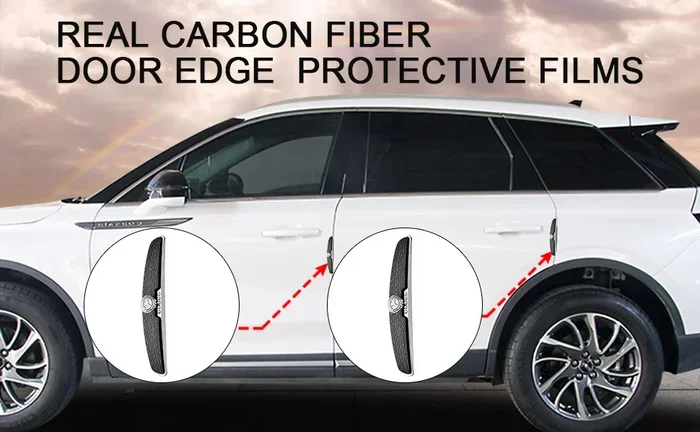
- Door front edges — the most common impact zone when opening doors in tight spaces
- Door rear edges — vulnerable when pulling out of parking spots
- Door handle surroundings — often scratched by keys, bags, or loose straps
- Door bottom edges — protect against scraping when driving over curbs or speed bumps
- Door sills — the strip between the door and the car body
Some products cover just the corners. Others extend along the entire door edge. The coverage depends on the type and brand you choose. But the core idea stays the same: stop damage before it reaches your car’s surface.
Why Every Car Needs Door Corner Protectors
You might think your driving skills are flawless. We all like to believe that. But the truth is, most car damage happens in situations you can’t fully control. Let’s look at why car door corner protectors are a must-have for virtually every vehicle.
The Reality of Parking Lot Damage
According to automotive research, a significant percentage of car scratches and dents happen in parking lots. Tight spaces, distracted drivers, and shopping carts all pose risks. When you park between two cars — especially larger vehicles — your door edges are in the line of fire.
Think about it. You walk away from your car. Someone parks close on the next space. Their door swings open and strikes yours. Without protection, that’s a fresh scratch or worse, a dent. With car door corner protectors installed, that same contact just bounces off the protector. Your paint stays untouched.
Daily Life Hazards
Parking lots aren’t the only risk. Daily life is full of door-edge hazards:
- Tight garage spaces — walls and pillars are silent enemies of your door edges
- Children and pets — playful hands, toys, and leashes often strike door corners
- Bags and straps — purses, backpacks, and lanyards scrape against door edges constantly
- Loading and unloading — groceries, furniture, or sports equipment can bump your doors
- Roadside curbs — misjudging a curb can scrape your door bottom edge
All these situations happen regularly. Car door corner protectors create a simple barrier that handles all of them without any effort from you.
Preserving Resale Value
Here’s a number that surprises many owners: even minor scratches can reduce your car’s resale value by hundreds of dollars. Paint damage signals neglect to buyers. A well-maintained exterior suggests care. By using car door corner protectors, you preserve your car’s original paint and keep its resale value strong.
Quick Tip: Start protecting your car early. Even brand-new vehicles benefit from car door corner protectors from day one. Prevention is always easier and cheaper than repair.
Types of Car Door Corner Protectors
Not all protectors are created equal. Different materials, designs, and adhesion methods serve different needs. Here’s a breakdown of the most popular types of car door corner protectors on the market today.
Rubber Door Edge Guards
Rubber guards are among the most common and affordable options. They’re typically black, flexible strips that stick onto your door edges using adhesive backing.
- Best for: daily scratch prevention on a budget
- Pros: inexpensive, easy to install, durable, weather-resistant
- Cons: visible on darker cars, basic appearance, may peel over time in extreme heat
Gel and Silicone Protectors
Gel-based protectors offer a softer, more cushion-like feel. They’re clear or color-matched to your car and provide excellent shock absorption.
- Best for: drivers who want strong protection without a bulky look
- Pros: excellent shock absorption, nearly invisible, strong adhesion
- Cons: slightly more expensive, may leave residue if removed improperly
Paint Protection Film (PPF) Strips
PPF strips use the same material that full car wraps use. These transparent, self-healing films bond directly to your door edges and provide a nearly invisible shield.
- Best for: owners who want total invisibility and maximum paint defense
- Pros: virtually invisible, self-healing for minor swirls, professional-grade protection
- Cons: higher cost, requires precise installation for best results
Magnetic Door Protectors
Some car door corner protectors use magnetic strips instead of adhesive. These snap onto metal points along your door edges and can be removed instantly.
- Best for: drivers who want removable, reusable protection
- Pros: easy to remove, repositionable, no adhesive residue
- Cons: limited attachment points, may not fit all car models
Comparison Table: Which Type Is Right for You?
| Type | Price Range | Visibility | Durability | Ease of Installation |
|---|---|---|---|---|
| Rubber Guards | $ | Visible | High | Very Easy |
| Gel/Silicone | $$ | Low | High | Easy |
| PPF Strips | $$$ | Very Low | Very High | Moderate |
| Magnetic | $$ | Low | Medium | Very Easy |
Expert Insight: Automotive detailing professionals often recommend gel or PPF options for daily drivers. They offer the best balance between protection, appearance, and longevity. Rubber guards work great for budget-conscious owners or secondary vehicles.
How to Choose the Right Car Door Corner Protectors
Picking the right car door corner protectors doesn’t have to be overwhelming. A few key factors will guide you to the perfect choice.
Consider Your Climate
Where you live matters. Extreme heat can weaken adhesive-backed products. Harsh winter cold can make rubber stiff and brittle. If you live in a hot climate, gel or PPF options hold up better. In cold regions, flexible silicone or high-quality rubber tends to perform best.
Think About Your Parking Habits
Do you park in tight garage spaces every day? You need strong edge coverage. Do you mostly park in open lots? Corner-specific protectors might be enough. Be honest about your parking situation — it directly affects what protection level you need.
Match the Protector to Your Car’s Color
Visibility is a concern for many owners. Black rubber strips show up clearly on white or silver cars. Clear gel or PPF options solve this problem. Some brands even offer color-matched protectors that blend with your paint. Always check color options before buying.
Evaluate Your Budget
Car door corner protectors range from under $10 for basic rubber strips to over $100 for premium PPF kits. Set a budget, then compare options within that range. Remember — spending more doesn’t always mean better. It means more suitable.
Common Mistake: Many buyers focus only on price and skip checking adhesion quality. A cheap protector that falls off after two weeks costs more in the long run. Always read reviews and look for strong adhesive or secure mounting systems.
Installing Car Door Corner Protectors: Step-by-Step
One of the best things about car door corner protectors is how easy they are to install. Most homeowners complete the job in under 30 minutes with basic supplies. Here’s how it works.
What You’ll Need
- Your door corner protectors (pre-cut or trim-to-fit)
- Microfiber cleaning cloth
- Rubbing alcohol or mild soap and water
- Painter’s tape (for positioning)
- A heat gun or hair dryer (for adhesive-backed types)
- Scissors or a utility knife (for trimming)
Step-by-Step Installation Process
Step 1: Clean the Surface
Wipe down the door edge thoroughly with rubbing alcohol or soapy water. Remove all dirt, wax, grease, and debris. The surface must be completely clean for strong adhesion. Let it dry fully before moving on.
Step 2: Dry Fit the Protector
Hold the protector against the door edge without removing the adhesive backing. Use painter’s tape to temporarily hold it in place. Check alignment carefully. Make sure it covers the exact area you want to protect. Adjust as needed.
Step 3: Apply Heat (For Adhesive-Backed Models)
Using a heat gun or hair dryer on medium heat, warm the adhesive side for about 30 seconds. This softens the adhesive and improves bonding. Be careful not to overheat — just warm it enough to become slightly tacky.
Step 4: Press and Bond
Remove the backing and press the protector firmly onto the door edge. Apply strong, even pressure along the entire length. Use your fingers or a squeegee to press out any air bubbles. Hold for 15-20 seconds to ensure initial bonding.
Step 5: Let It Cure
Give the adhesive at least 24 hours to fully cure. Avoid washing your car or exposing it to heavy rain during this period. Once cured, the bond should be strong and permanent.
Quick Tip: If you’re nervous about permanent installation, start with one door. See how you like the look and feel before committing to all four doors. Most drivers are so happy with the results that they protect every door within a week.
Maintaining Your Door Corner Protectors for Long-Lasting Protection
Your car door corner protectors aren’t a set-it-and-forget-it solution. A little regular maintenance keeps them working at peak performance for years.
Regular Cleaning
Wash your protectors whenever you wash your car. Use mild car soap and a soft sponge. Avoid harsh chemicals or abrasive scrubbers that could damage the protector surface. Rinse thoroughly and dry with a microfiber cloth.
Inspect for Wear
Check your protectors monthly. Look for peeling edges, cracks, or thinning material. Most car door corner protectors last between 2 and 5 years depending on quality and conditions. Replacing worn protectors promptly ensures continuous protection.
Avoid Harsh Conditions
Whenever possible, park in covered or shaded areas. Prolonged UV exposure degrades many protector materials faster. If your car sits under trees, bird droppings and tree sap can also eat into adhesive bonds. Wash these off quickly to prevent damage.
Reapplication Tips
When it’s time to replace a protector, remove the old one carefully. Clean the surface with rubbing alcohol to remove any residue. Let it dry completely before applying the new protector. This ensures the strongest possible bond for the next cycle.
Key Takeaway: Proper maintenance extends the life of your car door corner protectors significantly. A few minutes of care each month saves you from costly paint repairs down the road.
The Cost of Not Using Door Corner Protectors
Some drivers skip protectors because they seem like an unnecessary expense. Let’s put that decision in perspective.
A single professional scratch repair on a car door costs between $150 and $800 depending on severity. A full repaint of one door panel runs $500 to $2,500 at a body shop. Now consider how many minor scratches and door-edge contacts happen over a year — especially if you drive in a city or share a household with multiple drivers.
Compare that to the cost of a quality set of car door corner protectors. Most kits range from $15 to $80 for a full set. Even premium PPF kits rarely exceed $150. The math is simple. Protection costs a fraction of what one repair bill will.
Beyond money, think about time and hassle. Scheduling a body shop visit, leaving your car for days, dealing with insurance claims — all of that disappears when you invest in simple prevention.
Common Mistake: Many drivers assume their car’s factory paint is “good enough” to handle daily wear. Modern automotive paint is actually thinner than most people realize. Clear-coat layers can be damaged by surprisingly light contact. Car door corner protectors add the missing layer of defense your paint truly needs.
Real-World Benefits of Car Door Corner Protectors
Still on the fence? Here’s what actual car owners report after installing car door corner protectors:
- Fewer scratch repairs — most owners see a dramatic drop in door-edge damage within the first month
- Greater parking confidence — drivers feel less stress in tight spaces knowing their doors are shielded
- Cleaner door edges — protectors prevent the buildup of dirt and grime along door seams
- Improved child safety — soft protectors prevent little fingers from getting pinched against hard door edges
- Easier resale — dealers and buyers notice well-maintained exteriors and offer better prices
These benefits add up fast. What starts as a small investment turns into one of the smartest decisions any car owner can make.
Expert Insight: Professional car detailers strongly recommend car door corner protectors as part of a complete vehicle protection strategy. Combined with paint protection film on high-impact areas and a quality wax or ceramic coat, door guards form the frontline defense that keeps your car looking showroom-fresh for years.
Conclusion
Car door corner protectors are affordable, practical, and incredibly effective at preventing the scratches and damage that plague every vehicle. Whether you choose rubber, gel, PPF, or magnetic options, you’re adding a vital layer of defense to your car’s most vulnerable areas.
The installation process is simple, maintenance is minimal, and the cost is tiny compared to what you’d spend on repairs. From parking lot encounters to daily life hazards, car door corner protectors handle the risks so you don’t have to worry about them.
So take action today. Assess your parking habits, pick the right type of protector for your needs, and install them on your car. Your future self — and your car’s paint job — will thank you. Car door corner protectors truly stop scratches before they start, and that kind of peace of mind is priceless.
Frequently Asked Questions
How long do car door corner protectors last?
Most quality protectors last between 2 and 5 years. Rubber and gel options tend to hold up well for 3-4 years with proper care. PPF strips can last 5+ years since they resist yellowing and self-heal minor surface damage. Regular cleaning and avoiding harsh conditions extends their lifespan significantly.
Will car door corner protectors damage my car’s paint when removed?
Most modern protectors use safe adhesives designed for automotive surfaces. When removed correctly — by warming the adhesive with a hair dryer and peeling slowly — they typically leave no residue. PPF and gel options are especially safe. Always avoid pulling adhesive-backed protectors off in cold conditions, as this increases the risk of paint damage.
Can I install car door corner protectors myself?
Absolutely. Most car door corner protectors are designed for easy DIY installation. You’ll need basic supplies like rubbing alcohol, a microfiber cloth, and a heat gun or hair dryer. The process usually takes 15-20 minutes per door. Follow the manufacturer’s instructions, and you’ll have professional-looking results without any special skills.
Are door corner protectors visible on my car?
It depends on the type you choose. Rubber guards are the most visible, especially on lighter-colored vehicles. Gel and silicone options are much less noticeable. PPF strips are virtually invisible once applied. If appearance is your top concern, clear gel or PPF options provide strong protection without changing your car’s look.
Do door corner protectors work on all car types?
Yes, car door corner protectors work on virtually all vehicle types — sedans, SUVs, trucks, and even vans. Most products come in universal or trim-to-fit designs. However, always check the product specifications to confirm compatibility with your specific make and model. Some brands offer vehicle-specific kits for a perfect fit.
Can door corner protectors prevent dents, or just scratches?
They help with both, but effectiveness varies by type. Gel and silicone protectors absorb impact well and can prevent minor dents from door-to-door contact. Rubber guards handle light scratches and surface scuffs effectively. PPF offers strong scratch and dent resistance due to its thickness and elasticity. However, severe impacts will still cause damage regardless of protection.