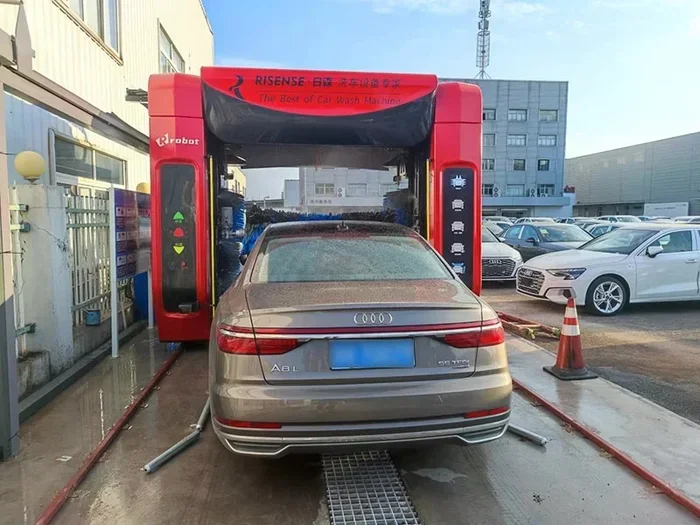
Automatic Car Wash Equipment in India Complete Guide
The automatic car wash equipment in India market is growing fast, with more business owners investing in modern wash systems every year. This guide covers everything you need to know, from machine types and prices to setup costs and maintenance tips. Whether you are starting a new car wash or upgrading an existing one, you will find practical advice and expert insights to help you make the right choice.
Running a car wash business in India today means keeping up with rising customer expectations. Drivers want fast, clean, and gentle washes for their vehicles. Automatic car wash equipment in India has evolved a lot over the last few years. Modern machines deliver consistent results with less water and fewer chemicals. This guide walks you through everything you need to know about choosing, installing, and maintaining automatic car wash equipment in India. Let us dive in.
The Indian car wash industry is changing fast. More cars on the road means more demand for quick and reliable cleaning. Manual washing takes time and uses a lot of water. Automatic systems solve both problems. They clean cars faster and use resources more wisely. Whether you plan to open a new car wash or upgrade an existing one, understanding your equipment options is the first step toward success.
Key Takeaways
- Multiple machine types exist: tunnel washes, touchless systems, and self-service bays all cater to different business needs and budgets.
- Setup costs vary widely: a basic self-service bay starts around ₹15 lakh, while a full tunnel system can go beyond ₹1 crore.
- Water recycling is essential: modern automatic car wash equipment in India includes water treatment systems that cut costs and help the environment.
- Maintenance keeps machines running: regular servicing extends equipment life and reduces downtime significantly.
- Local manufacturers offer value: many Indian brands provide competitive pricing and faster after-sales support compared to imported machines.
- Location matters a lot: choosing the right site with good traffic and space can make or break your car wash business.
- ROI is achievable within 2-3 years: with the right equipment and solid operations, most car wash businesses break even quickly.
📑 Table of Contents
- Why Automatic Car Wash Equipment Matters in India
- Types of Automatic Car Wash Equipment Available in India
- How to Choose the Right Automatic Car Wash Equipment
- Top Automatic Car Wash Equipment Brands in India
- Setting Up Your Automatic Car Wash Business
- Maintenance Tips for Automatic Car Wash Equipment
- Common Mistakes to Avoid When Buying Car Wash Equipment
- Expected Costs and Return on Investment
- Future Trends in Automatic Car Wash Equipment India
- Final Thoughts
Why Automatic Car Wash Equipment Matters in India
India’s vehicle population has crossed 30 crore and keeps growing. With more cars on roads, car wash businesses have a huge opportunity. Manual car washing cannot keep up with this demand. Automatic car wash equipment in India offers speed, consistency, and water savings that manual methods simply cannot match.
Customers today expect a professional experience. They want their cars cleaned quickly without damage to the paint. Automatic systems use controlled water pressure and regulated chemicals. This protects the vehicle surface while delivering a deep clean. Business owners also benefit from higher throughput. A single automatic machine can wash 30 to 100 cars per day depending on the type.
Key Benefits of Going Automatic
- Faster wash cycles: Most automatic washes take just 3 to 5 minutes per vehicle.
- Water savings: Modern systems use up to 70% less water than manual washing.
- Consistent results: Every car gets the same quality clean, every single time.
- Lower labor costs: Automation reduces the number of workers needed per shift.
- Better for paint: Controlled pressure and soft brushes reduce the risk of scratches.
- Higher revenue potential: More cars washed per day means more income.
Types of Automatic Car Wash Equipment Available in India
Not all car wash systems are the same. Different types serve different business models and customer needs. Understanding each type helps you pick the right automatic car wash equipment in India for your situation. Let us look at the most popular options available in the Indian market.
1. Tunnel Car Wash Systems
Tunnel car washes are the most common type of automatic wash in India. Cars drive onto a conveyor belt and move through a tunnel. Inside the tunnel, the vehicle passes through different cleaning stations. These stations include pre-soak, foam application, high-pressure rinsing, brush washing, wax application, and a final rinse.
Tunnel systems offer high throughput. They can wash 40 to 100 cars per hour. This makes them ideal for busy locations with heavy traffic. Many malls, fuel stations, and dedicated car wash centers use tunnel systems. The initial investment is higher, but the return on investment is strong due to volume.
2. Touchless Car Wash Systems
Touchless systems use high-pressure water jets and chemicals instead of brushes. There are no physical contact points during the wash cycle. This makes them ideal for luxury cars and vehicles with delicate paintwork.
In India, touchless car wash is gaining popularity fast. More car owners are concerned about paint damage from brushes. Touchless systems address this concern directly. They also tend to use less water than brush-based systems. However, they may not remove heavy dirt as effectively as brush systems.
3. Self-Service Car Wash Bays
Self-service bays give customers control over their wash experience. Customers insert coins or use a digital payment system. They then choose wash options like soap, rinse, wax, or high-pressure jet. The customer stays with the car and operates the equipment.
Self-service bays work well in areas with lower foot traffic. They require less space than tunnel systems. The setup cost is also lower, making them popular among first-time business owners. Many petrol pumps and standalone kiosks in India use self-service automatic car wash equipment in India.
4. Rollover or In-Bay Automatic Systems
In-bay automatic systems have a stationary wash head that moves over a parked car. The car does not move at all. The wash arm rotates around the vehicle, cleaning all sides. This type is common in urban areas where space is limited.
These systems are compact and easy to install. They work well in narrow spaces or existing fuel station forecourts. However, they have lower throughput compared to tunnel systems. They are best suited for locations with moderate traffic.
How to Choose the Right Automatic Car Wash Equipment
Choosing the right automatic car wash equipment in India depends on several factors. There is no one-size-fits-all answer. You need to consider your budget, location, target customers, and expected volume. Let us break down the key decision factors.
Budget and Investment
Equipment costs vary a lot in the Indian market. A basic self-service bay setup can start around ₹15 lakh. Mid-range tunnel systems typically cost between ₹40 lakh and ₹75 lakh. Full-featured, high-speed tunnel systems can exceed ₹1 crore. The price depends on the brand, capacity, and features included.
Do not just look at the purchase price. Factor in installation costs, plumbing, electrical work, and site preparation. Some suppliers include installation in the package, while others charge separately. Always ask for a complete cost breakdown before making a decision.
Water and Space Requirements
Water availability is a critical factor in India. Many regions face water scarcity. Modern automatic car wash equipment in India comes with water recycling systems. These systems treat and reuse wash water, reducing overall consumption by up to 70%.
Space requirements also vary by system type. Tunnel systems need a long lane, usually 30 to 50 meters. Self-service bays need less space, around 200 to 400 square feet per bay. In-bay automatic systems are the most compact. Measure your available space carefully before choosing a system.
Target Customer Profile
Think about who your customers are. Are they daily commuters with budget cars? Are they luxury car owners? Or are they commercial fleet operators? Different customer groups have different expectations.
Luxury car owners may prefer touchless systems for gentle cleaning. Fleet operators need high-throughput tunnel systems to handle volume. Family car owners often appreciate self-service options for flexibility. Match your equipment to your customer profile for the best results.
Top Automatic Car Wash Equipment Brands in India
The Indian market has both international and local brands. Each offers different features, pricing, and support levels. Here is a look at some of the leading names in automatic car wash equipment in India.
| Brand | Type | Price Range (Approx.) | Key Strength |
|---|---|---|---|
| Ryco India | Tunnel & Self-Service | ₹20L – ₹1Cr+ | Strong local support and spare parts availability |
| PDQ (Diversey) | Tunnel & In-Bay | ₹50L – ₹1.5Cr | Global brand with advanced technology |
| Washtec (PDQ) | Touchless & Brush | ₹45L – ₹1.2Cr | Very low maintenance design |
| Karcher India | Pressure & Self-Service | ₹10L – ₹50L | Excellent for small setups and kiosks |
| Jet Wash Systems | Self-Service & Tunnel | ₹15L – ₹80L | Affordable pricing for Indian market |
| Laserwash (Triton) | Touchless Tunnel | ₹60L – ₹1.5Cr | Laser-guided precision cleaning |
Local brands often provide better after-sales support and faster spare part delivery. International brands may offer more advanced technology but can be expensive to maintain. Consider both factors when comparing options for automatic car wash equipment in India.
Setting Up Your Automatic Car Wash Business
Buying equipment is just one part of the process. Setting up the complete car wash operation requires careful planning. Let us walk through the key steps to get your automatic car wash equipment in India up and running.
Step 1: Choose the Right Location
Location is everything in the car wash business. Look for spots with high vehicle traffic. Petrol pump forecourts, shopping mall entrances, and highway service areas are excellent choices. Make sure the site has proper drainage and enough space for the equipment and queuing.
Check local regulations too. Some municipalities require specific permits for car wash operations. Water discharge norms can also affect your setup. Always verify zoning laws before signing a lease or buying land.
Step 2: Install Water and Electrical Infrastructure
Automatic car wash systems need a reliable water supply and power connection. Most tunnel systems require a 3-phase electrical supply. Self-service bays can often run on a single-phase connection.
Install a water treatment system as part of your setup. This allows you to recycle wash water. It also helps you comply with environmental regulations. Many Indian cities are tightening water usage rules, so having a recycling system is a smart move.
Step 3: Hire and Train Staff
Even with automatic equipment, you need trained staff. Employees manage customer interactions, handle payments, and perform basic maintenance. Train them on machine operation, safety procedures, and customer service.
Good staff make a big difference in customer satisfaction. A clean, well-organized wash bay with friendly staff keeps customers coming back. Invest in training and retain good employees for long-term success.
Maintenance Tips for Automatic Car Wash Equipment
Regular maintenance keeps your automatic car wash equipment in India running smoothly. Neglecting maintenance leads to breakdowns, poor wash quality, and expensive repairs. Follow these tips to keep your machines in top shape.
Daily Maintenance Tasks
- Check water pressure and flow rates every morning.
- Inspect brushes or cloths for wear and tear.
- Clean chemical tanks and refill as needed.
- Verify that drainage systems are clear and flowing.
- Test payment systems and digital interfaces.
Weekly and Monthly Maintenance
- Inspect all hoses and connections for leaks.
- Clean filters and water recycling units thoroughly.
- Lubricate moving parts like conveyor belts and rollers.
- Check chemical dosing systems for accuracy.
- Review software updates for computerized control panels.
Seasonal Maintenance
India experiences extreme weather in many regions. During monsoon, check for waterlogging around equipment. In summer, monitor water temperature and chemical concentration. Winter can affect water tanks and pipes in northern India. Insulate exposed pipes and tanks to prevent freezing damage.
Quick Tips for Equipment Longevity
- Use only manufacturer-recommended chemicals to avoid damage.
- Keep a maintenance log for every machine.
- Schedule professional servicing at least twice a year.
- Train all operators on proper machine startup and shutdown procedures.
- Stock spare parts like nozzles, brushes, and sensors to avoid long downtime.
Common Mistakes to Avoid When Buying Car Wash Equipment
Many new business owners make avoidable mistakes when purchasing automatic car wash equipment in India. Here are some common pitfalls and how to steer clear of them.
Mistake 1: Choosing Based on Price Alone
The cheapest machine is not always the best deal. Low-cost equipment often comes with higher maintenance costs and shorter lifespans. Look at the total cost of ownership, including parts, service, and energy consumption.
Mistake 2: Ignoring Water Recycling Systems
Skipping a water recycling system to save money is a false economy. Water costs are rising in India. Without recycling, your operational expenses will be much higher. Modern recycling systems pay for themselves within 12 to 18 months.
Mistake 3: Underestimating Space Needs
Many buyers underestimate the space required for queuing and vehicle movement. A cramped setup leads to slow operations and frustrated customers. Always plan for peak-hour traffic, not just average volume.
Mistake 4: Skimping on Training
Buying expensive equipment and not training staff properly wastes money. Poorly operated machines break down faster and deliver inconsistent results. Invest time and resources in thorough staff training from day one.
Expected Costs and Return on Investment
Understanding the financial side of automatic car wash equipment in India helps you make a smart investment. Here is a realistic breakdown of costs and expected returns.
Setup Cost Breakdown
- Equipment purchase: ₹15 lakh to ₹1 crore depending on type and brand.
- Site preparation and plumbing: ₹5 lakh to ₹15 lakh.
- Electrical infrastructure: ₹3 lakh to ₹10 lakh.
- Water recycling system: ₹2 lakh to ₹8 lakh.
- Signage and branding: ₹1 lakh to ₹5 lakh.
- Working capital for 3 months: ₹3 lakh to ₹10 lakh.
Revenue Potential
A well-operated automatic car wash in India can wash 50 to 150 cars per day. At an average price of ₹200 to ₹500 per wash, daily revenue can range from ₹10,000 to ₹75,000. Monthly revenue can reach ₹3 lakh to ₹22.5 lakh depending on location and volume.
Most businesses break even within 18 to 30 months. High-traffic locations with efficient operations can achieve profitability faster. The key is to keep operating costs low while maintaining high customer satisfaction.
Future Trends in Automatic Car Wash Equipment India
The car wash industry in India is evolving rapidly. New technologies and customer preferences are shaping the future of automatic car wash equipment in India. Here are some trends to watch.
Eco-Friendly and Waterless Wash Systems
Environmental concerns are driving demand for eco-friendly wash solutions. Waterless and foam-based wash systems are gaining traction. These systems use special chemicals that lift dirt without water. They are ideal for water-scarce regions in India.
Smart Technology Integration
IoT-enabled car wash systems are becoming popular. These machines connect to the cloud and provide real-time data on performance, water usage, and chemical consumption. Business owners can monitor and control their wash bays remotely through mobile apps.
Subscription and Membership Models
Many car wash businesses in India are moving toward subscription models. Customers pay a monthly fee for unlimited or fixed washes. This model provides steady revenue and builds customer loyalty. Equipment that supports digital membership systems is in high demand.
Solar-Powered Car Wash Systems
With rising electricity costs, solar-powered car wash setups are emerging. These systems use solar panels to power wash operations. They significantly reduce electricity bills and appeal to eco-conscious customers.
Final Thoughts
Investing in automatic car wash equipment in India is a smart move for anyone looking to enter or grow in the car wash industry. The market is expanding, customer expectations are rising, and technology is making systems more efficient than ever. Choose the right type of equipment for your location and budget. Focus on water recycling, staff training, and regular maintenance. With the right approach, your car wash business can deliver great results and strong returns for years to come.
Start by understanding your options. Visit supplier showrooms, compare brands, and talk to existing car wash owners. The more informed your decision, the better your chances of success. The Indian car wash market has enormous potential, and the right equipment is your foundation for growth.
Frequently Asked Questions
What is the cost of automatic car wash equipment in India?
The cost varies widely based on the type and brand. Self-service bays start around ₹15 lakh, while full tunnel systems can cost ₹1 crore or more. Installation, plumbing, and site preparation costs are additional. Always ask for a complete quote before committing to a purchase.
How much water does an automatic car wash machine use?
Modern automatic car wash systems use between 30 to 60 liters of water per vehicle. This is much less than manual washing, which can use 100 to 200 liters per car. Machines with water recycling systems use even less by treating and reusing wash water.
Is automatic car wash profitable in India?
Yes, automatic car wash businesses can be very profitable. A well-located car wash with good equipment can wash 50 to 150 cars per day. Most businesses break even within 18 to 30 months and start generating solid profits after that.
Do I need a license to start a car wash business in India?
Yes, you need several permits including a trade license, environmental clearance for water discharge, and fire safety approval. Requirements vary by state and municipality. Check with your local municipal corporation and pollution control board before starting operations.
What is the difference between touchless and brush car wash systems?
Touchless systems use high-pressure water and chemicals without any physical contact. Brush systems use rotating brushes or cloths to scrub the car surface. Touchless systems are gentler on paint but may not remove heavy dirt. Brush systems clean more thoroughly but carry a slight risk of paint scratches.
How often should I service my automatic car wash equipment?
Daily checks are essential for smooth operation. Professional servicing should happen at least twice a year. Regular maintenance prevents breakdowns, maintains wash quality, and extends the life of your equipment significantly.
=== CONCLUSION ===
The world of automatic car wash equipment in India offers exciting opportunities for smart business owners. From tunnel systems to self-service bays, there is a solution for every budget and location. Focus on quality equipment, water recycling, and great customer service. With the right approach, your car wash business can thrive in India’s growing automotive market. Start planning today and wash your way to success!