Everything You Need to Know About Air Filling for Car
Air filling for car tires is one of the simplest yet most overlooked maintenance tasks every driver should master. Keeping your tires at the correct pressure boosts fuel efficiency, improves safety, and extends tire life. This guide covers everything from basic tire inflation steps to choosing the right air compressor and avoiding common mistakes.
You step out to your car one morning and notice the tires look a little flat. You might think it is fine. But here is the truth. air filling for car tires is one of the easiest things you can do to stay safe, save money, and keep your car running smoothly. Most drivers ignore their tires until something goes wrong. A flat tire, poor gas mileage, or uneven tire wear can all come from simple neglect. The good news? A few minutes of attention each month can prevent all of that.
This guide walks you through everything you need to know about tire inflation and air filling for car tires. You will learn how to check your tire pressure, what tools to use, when to add air, and how to avoid costly mistakes. Whether you are a complete beginner or just want a refresher, this article has you covered.
Let us start with the basics. Why does tire pressure matter so much? Your tires are the only part of your car that touches the road. When the air pressure is off, even by a little, it affects how your car drives, handles, and uses fuel. Underinflated tires create more rolling resistance. That means your engine works harder and burns more gas. Overinflated tires give you a bumpy ride and wear out the center of the tread faster. Both situations are dangerous. Proper tire inflation keeps your car stable, your braking distance shorter, and your tires lasting longer.
Key Takeaways
- Proper tire pressure saves money: Correct air filling for car tires improves fuel economy by up to 3% and prevents uneven tire wear.
- Check pressure monthly: Tires lose about 1 PSI per month, so regular checks keep you safe and save on gas.
- Use the right tools: A digital tire gauge and a reliable air compressor make the job quick and accurate.
- Know your PSI: Always follow the manufacturer’s recommended tire pressure found on the driver’s side door jamb.
- Avoid common mistakes: Don’t rely on visual inspection alone and never overinflate your tires.
- Consider a portable air compressor: A portable tire inflator is a must-have for roadside emergencies and road trips.
📑 Table of Contents
- Why Air Filling for Car Tires Matters
- Understanding Tire Pressure and PSI
- Tools You Need for Air Filling for Car Tires
- Step-by-Step Guide to Air Filling for Car Tires
- Common Mistakes to Avoid
- Benefits of Regular Tire Maintenance
- Nitrogen vs. Regular Air for Tire Filling
- When to Seek Professional Help
- Conclusion
Why Air Filling for Car Tires Matters
Many people think tire pressure is a small detail. It is not. It is one of the most important parts of car maintenance. Here is why air filling for car tires deserves your attention.
Safety First
Underinflated tires are a leading cause of blowouts. When a tire does not have enough air, the sidewall flexes more than it should. This creates heat. Heat builds up. And over time, it can cause a sudden tire failure. On the highway, at high speeds, this is extremely dangerous. Proper tire pressure keeps the tire structure strong and stable. You have better control over steering and braking when your tires are inflated correctly.
Fuel Economy
Did you know that underinflated tires can lower your gas mileage by up to 3%? That might not sound like much. But over a year of driving, it adds up. The U.S. Department of Energy estimates that keeping your tires at the right PSI (pounds per square inch) can save you money at the pump. Every dollar counts, especially with fuel prices going up and down. Air filling for car tires the right way is a free and easy way to improve your fuel efficiency.
Tire Longevity
Tires are expensive. A full set can cost several hundred dollars or more. You want them to last as long as possible. When your tires are underinflated, the outer edges of the tread wear down faster. Overinflated tires wear down the center of the tread. Neither is good. Correct tire inflation ensures even wear across the entire tread surface. This means you get more miles out of every tire. It also means fewer trips to the tire shop.
Understanding Tire Pressure and PSI
Before you grab a tire pump, you need to know what number to look for. Every car has a recommended tire pressure level. This number is measured in PSI, which stands for pounds per square inch.
Where to Find the Recommended PSI
You do not need to guess. The recommended PSI for your car is printed on a sticker. Look on the driver’s side door jamb. Open the door and look at the frame next to the seat. You will see a small label. It lists the cold tire pressure for both the front and rear tires. Some cars also list the recommended pressure in the owner’s manual. Always follow the manufacturer’s number, not what is printed on the tire itself. The number on the tire is the maximum pressure the tire can handle. It is not the recommended pressure for your car.
Cold Tire Pressure vs. Hot Tire Pressure
This is an important distinction. Always check your tire pressure when the tires are cold. Cold means the car has been parked for at least three hours or driven less than a mile. When you drive, friction heats up the air inside the tire. Hot air expands. This makes the pressure reading higher. If you check your tires right after driving, you might think they are fine when they are actually underinflated. Always measure air filling for car tires when they are cold for the most accurate reading.
What PSI Is Right for Your Car?
Most passenger cars recommend a tire pressure between 30 and 35 PSI. Some trucks and SUVs require higher pressure, sometimes 40 PSI or more. Smaller cars may need less. The key is to follow what your car manufacturer says. Here are some general guidelines:
- Compact cars: 30 to 33 PSI
- Sedans: 32 to 35 PSI
- SUVs and light trucks: 35 to 45 PSI
- Performance cars: Check the door jamb or manual
Always round to the nearest whole number when inflating. A digital tire gauge helps you get precise readings every time.
Tools You Need for Air Filling for Car Tires
You do not need a garage full of tools to keep your tires properly inflated. A few simple items make the job quick and easy.
Tire Pressure Gauge
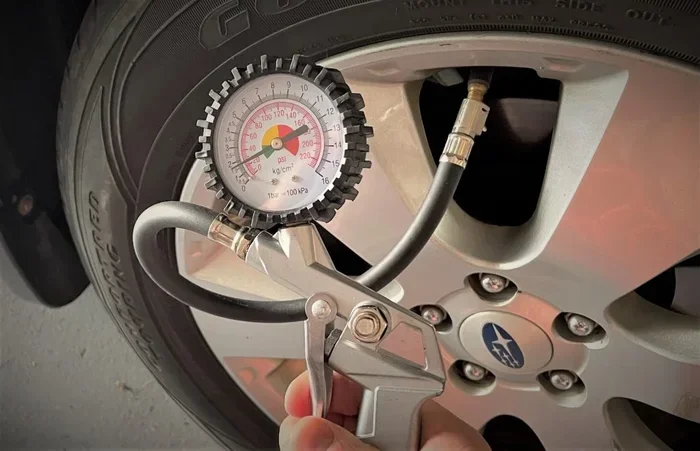
A tire gauge is the most important tool. It tells you exactly how much air is in each tire. There are three main types:
- Pencil-style gauges: These are small, cheap, and easy to carry. They give a basic reading but can be slightly less accurate.
- Dial gauges: These are more precise and easy to read. They are a step up from pencil gauges.
- Digital gauges: These give the most accurate readings. Many come with a backlit display, making them easy to read at night.
For air filling for car tires at home, a digital gauge is the best choice. They are affordable and give reliable results every time.
Air Compressor
An air compressor is what you use to add air to your tires. There are two main types to consider:
- Stationary compressors: These sit in your garage or driveway. They plug into a wall outlet and provide a steady stream of air. They are powerful and great for regular use.
- Portable tire inflators: These are compact and run off your car’s 12-volt outlet. They are perfect for road trips, emergencies, and last-minute tire inflation on the go.
A portable air compressor is a smart investment. You never know when you will need it. Whether you are at a gas station or stuck on the side of the road, a portable inflator can save the day.
Other Helpful Tools
A few extra items make air filling for car tire maintenance even easier:
- Tire valve stem caps: These small caps keep dirt and moisture out of the valve. Replace them if they are missing or damaged.
- Tire inflator with built-in gauge: Many portable inflators have a gauge built right in. This saves you from carrying a separate tool.
- Nitrogen fill kit: Some car owners prefer nitrogen tire fill over regular air. It is more stable and loses pressure more slowly. More on this below.
Step-by-Step Guide to Air Filling for Car Tires
Now that you know why it matters and what tools to use, let us walk through the process. Air filling for car tires is simple and takes less than 10 minutes for all four tires.
Step 1: Check Current Tire Pressure
Start by removing the valve cap from the first tire. Press the tire gauge firmly onto the valve stem. You should hear a brief hiss of air. That is normal. Read the number on the gauge. Write it down or remember it. Repeat this for all four tires, including the spare if you have one.
Step 2: Compare to Recommended PSI
Look at the numbers you recorded. Compare them to the recommended PSI from your door jamb sticker. If a tire is below the recommended number, it needs air. If it is above, you need to let some air out. Most tires only need a small top-up.
Step 3: Add Air
Attach the air hose from your compressor to the tire valve. Press it on firmly. Turn on the compressor. You will hear the air flowing into the tire. Check the pressure every few seconds with your gauge. Stop adding air once you reach the recommended PSI. If you overfill, press the small pin on the valve stem to release a little air.
Step 4: Replace Valve Caps
This small step is easy to forget. Put the valve cap back on each tire. The cap protects the valve stem from dirt, moisture, and air leaks. A missing cap can lead to slow pressure loss over time.
Step 5: Double-Check All Tires
Once you are done, go back and check all four tires one more time. Make sure the pressure is even and matches the recommended number. A quick double-check gives you peace of mind.
Common Mistakes to Avoid
Even simple tasks like air filling for car tires come with pitfalls. Here are the most common mistakes drivers make and how to avoid them.
Relying on Visual Inspection
You cannot always tell if a tire is underinflated just by looking at it. A tire can be 10 PSI low and still look fine. This is dangerous. Always use a tire pressure gauge. Do not guess.
Ignoring the TPMS Light
Many modern cars have a tire pressure monitoring system, also known as TPMS. When the TPMS light comes on, it means one or more tires are significantly underinflated. Do not ignore it. Pull over safely and check your tire pressure. Driving on underinflated tires for too long can cause permanent tire damage.
Overinflating the Tires
More air is not better. Overinflated tires have a smaller contact patch with the road. This means less grip, especially on wet surfaces. The ride becomes harsher too. The center of the tread wears out faster. Always stick to the manufacturer’s recommended PSI. Never exceed the maximum pressure listed on the tire sidewall.
Forgetting to Check the Spare Tire
Your spare tire is out of sight, out of mind. But if you ever need it, you want it ready. Spare tires lose air pressure over time too. Check the spare every few months as part of your regular tire maintenance routine.
Not Releasing Air When Needed
Sometimes tires get overinflated, especially after adding air at a gas station pump. The air compressors at gas stations are often not very accurate. If you add too much air, use the gauge to release the excess. Push the small pin on the valve stem for a second. Check the pressure again.
Benefits of Regular Tire Maintenance
Making air filling for car tires part of your routine pays off in many ways. Here is what you gain from consistent tire inflation habits.
Better Fuel Economy
Properly inflated tires reduce rolling resistance. Your engine does not have to work as hard to move the car forward. Over time, this adds up to real savings at the gas pump. Some studies show that correct tire pressure can improve fuel economy by 2 to 3 percent. That might not sound like much, but it is free money in your pocket.
Improved Handling and Braking
Your tires are what connect your car to the road. When they have the right amount of air, they grip the road better. This means shorter stopping distances, sharper turning, and a more stable ride. In wet or icy conditions, proper tire inflation can be the difference between a safe stop and a dangerous skid.
Longer Tire Life
Tires are a significant investment. Correct air filling for car tires helps them wear evenly. Even wear means you get the full lifespan out of every tire. You will not need to replace tires prematurely. This saves you money and keeps you safer on the road.
Reduced Carbon Emissions
Better fuel economy means fewer emissions. When your tires are properly inflated, your car burns less fuel. Less fuel burned means less CO2 released into the atmosphere. It is a small change that contributes to a bigger environmental impact.
Roadside Safety
A flat tire on the side of the road is stressful and dangerous. Regular tire maintenance greatly reduces the risk of a blowout or flat. You spend less time stranded and more time enjoying your drive. A portable air compressor in your trunk gives you an extra layer of protection for unexpected situations.
Nitrogen vs. Regular Air for Tire Filling
You may have heard about nitrogen tire fill as an alternative to regular air. Both options have pros and cons. Here is a quick comparison to help you decide.
| Feature | Regular Air | Nitrogen Fill |
|---|---|---|
| Cost | Free at most gas stations | Usually $5 to $10 per tire |
| Pressure Stability | Air loses pressure faster | Nitrogen leaks more slowly |
| Moisture Content | Contains moisture | Dry and moisture-free |
| Availability | Everywhere | Available at tire shops and some gas stations |
| Tire Corrosion | Moisture can cause internal corrosion | Less risk of corrosion |
For most everyday drivers, regular air works perfectly fine. The most important thing is keeping the tire pressure at the right level. Whether you use regular air or nitrogen tire fill, the key is consistency. Check your PSI regularly and top up as needed. Nitrogen fill can be a nice upgrade if you want slightly more stable pressure over time. But it is not necessary for most vehicles.
When to Seek Professional Help
Most air filling for car tasks are simple enough to handle yourself. But there are times when you should visit a professional. If you notice a tire losing pressure frequently, there may be a slow leak. A tire technician can inspect the tire for punctures, damaged valve stems, or rim leaks. If your TPMS light stays on after you inflate the tires, the sensor itself may need replacement. Tire shops can check your tire pressure monitoring system and handle any repairs. Do not hesitate to seek help when something does not feel right. Your safety comes first.
Conclusion
Air filling for car tires is one of the easiest and most impactful maintenance tasks you can do. It takes just a few minutes each month and pays off in safety, fuel savings, and longer tire life. Keep a digital tire gauge in your glove box. Check your tire pressure regularly. Use the right PSI for your vehicle. And invest in a good portable air compressor for emergencies. Small habits like these make a big difference. Your car will thank you with better performance, safer rides, and fewer trips to the mechanic. Start today. Your tires will be in great shape and your wallet will notice the difference too.
Frequently Asked Questions
How often should I check my tire pressure?
You should check your tire pressure at least once a month. Tires naturally lose about 1 PSI per month. It is also a good idea to check before long road trips. Always measure when the tires are cold for the most accurate reading.
Can I use the air pump at a gas station to fill my tires?
Yes, gas station air pumps work well for air filling for car tires. Just be aware that these pumps are not always very accurate. Bring your own tire pressure gauge to double-check the pressure after using a station pump.
What happens if I drive on underinflated tires?
Driving on underinflated tires is dangerous. It increases the risk of blowouts, reduces fuel economy, and causes uneven tire wear. Underinflated tires also take longer to stop, especially on wet roads. Always keep your tires at the recommended PSI.
Is nitrogen tire fill worth the extra cost?
Nitrogen tire fill offers slightly better pressure stability and less moisture inside the tire. For most drivers, regular air is perfectly fine. Nitrogen is a good option if you want extra peace of mind or live in a climate with big temperature swings.
What should I do if my TPMS light comes on?
When the TPMS light comes on, pull over safely and check your tire pressure. If one or more tires are low, add air to the recommended PSI. If the light stays on after inflating, the TPMS sensor may need inspection or replacement by a professional.
Can I overinflate my car tires?
Yes, overinflating your tires is just as bad as underinflating them. Overinflated tires have less grip, a harsher ride, and wear out the center of the tread faster. Always follow the manufacturer’s recommended tire pressure and never exceed the maximum PSI listed on the tire sidewall.