Why Is My Hybrid System Not Working And How To Fix It
A hybrid system not working can stem from several causes, including a failing hybrid battery, faulty inverter, or degraded regenerative braking components. Understanding the warning signs early, such as dashboard lights, reduced fuel efficiency, or strange noises, helps you act fast. This guide covers the most common reasons, step-by-step fixes, and when to seek professional help.
There is nothing more frustrating than climbing into your car, pressing the start button, and hearing silence instead of the familiar hum of a hybrid powertrain waking up. You are not alone. hybrid system not working issues affect thousands of drivers every year, and the causes range from simple software glitches to serious hardware failures.
Whether your hybrid car is showing a stubborn warning light, refusing to start, or delivering terrible fuel economy, this guide has you covered. We will walk through every major reason your hybrid system might fail, give you practical fixes you can try at home, and explain when it is time to see a professional. By the end, you will know exactly what to do and how to keep your vehicle running smoothly for years to come.
Key Takeaways
- Warning lights are your first clue: Ignoring hybrid system warnings can lead to bigger, costlier repairs down the road.
- Hybrid battery health matters most: A degraded high-voltage battery is the number one cause of hybrid system failure.
- Simple resets can solve minor glitches: Sometimes a hybrid system reset clears error codes and restores normal operation.
- Cooling system issues are sneaky: Overheating can quietly damage your hybrid powertrain over time.
- Don’t skip routine maintenance: Regular hybrid vehicle check-ups prevent most common problems before they start.
- Know when to call a pro: High-voltage work should always be handled by certified hybrid technicians.
📑 Table of Contents
- Common Signs Your Hybrid System Is Failing
- Top Reasons Why Your Hybrid System Stops Working
- How To Diagnose Hybrid System Problems
- Step-By-Step Fixes For Common Hybrid System Issues
- When To Call A Professional Mechanic
- Preventing Hybrid System Failures
- Cost of Common Hybrid System Repairs
- Conclusion
Common Signs Your Hybrid System Is Failing
Most hybrid vehicles give you plenty of warning before a complete breakdown. The trick is knowing what to look for. Catching these early signs can save you from a roadside emergency and a wallet-breaking repair bill.
Dashboard Warning Lights
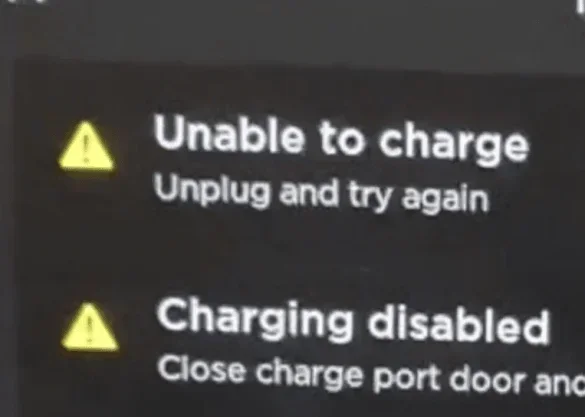
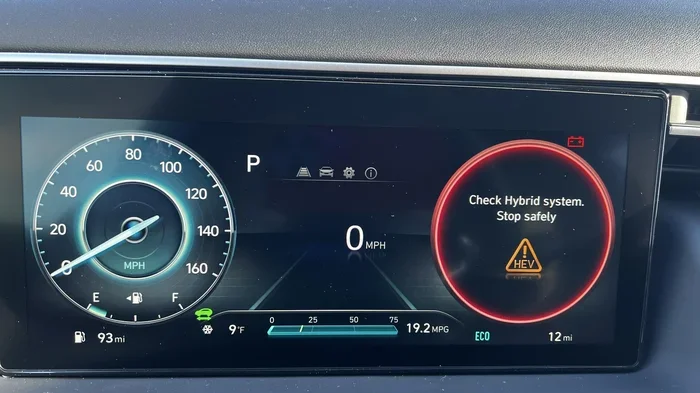
Your dashboard is the first place to check. Most hybrids display a specific check hybrid system light, often shaped like a battery or a powertrain icon. If this light stays on or flashes, your vehicle is trying to tell you something important. Do not ignore it. Other warning lights, like the check engine light, can also point to hybrid problems because the systems are deeply connected.
Reduced Fuel Efficiency
One of the biggest benefits of owning a hybrid is fuel savings. So when your mileage drops suddenly, that is a red flag. A hybrid system that is not working properly often forces the gas engine to work harder than it should. You might notice you are visiting the pump more often, even with normal driving habits. This is one of the earliest and most overlooked symptoms of a failing hybrid powertrain.
Unusual Noises or Vibrations
Hybrid vehicles are known for their quiet operation. So when you hear grinding, whining, or buzzing sounds, something is wrong. Strange noises can come from the electric motor, the inverter, or even the transmission. Vibrations while idling or during low-speed driving often point to hybrid battery issues or a struggling electric motor.
Car Won’t Start or Dies Suddenly
A hybrid that will not start is alarming. Sometimes the high-voltage battery has drained completely, or the inverter has failed. In other cases, a software error prevents the system from engaging. If your car stalls while driving, pull over safely and turn off the ignition. This could indicate a serious hybrid powertrain failure that needs immediate attention.
Battery Not Holding a Charge
The hybrid battery should maintain a steady state of charge during normal driving. If you notice the battery percentage dropping rapidly or the charge never seems full, your battery cells may be degrading. A weak battery directly affects how the entire hybrid system performs, from regenerative braking to power assist.
Top Reasons Why Your Hybrid System Stops Working
Understanding the root cause is the first step toward a fix. Hybrid systems are complex, but most problems fall into a few common categories. Let us break them down.
Degraded or Failing Hybrid Battery
The high-voltage battery is the heart of any hybrid vehicle. Over time, battery cells lose their ability to hold a full charge. This degradation happens naturally, but it can be accelerated by extreme temperatures, frequent deep discharges, or poor maintenance. A failing battery means the electric motor cannot assist the gas engine properly, which throws off the entire balance of your hybrid system.
Faulty Inverter or Power Control Unit
The inverter converts DC power from the battery into AC power for the electric motor. When the inverter fails, your hybrid car loses access to electric power entirely. Common causes include overheating, moisture damage, or worn internal capacitors. A faulty inverter is one of the more expensive repairs, which is why early hybrid system diagnostics matter so much.
Regenerative Braking Problems
Regenerative braking is a signature feature of hybrid vehicles. It captures energy during deceleration and feeds it back to the battery. When this system malfunctions, you lose energy recapture and the battery charges less efficiently. Worn brake components, a faulty brake booster, or software errors can all disrupt regenerative braking. If you notice your battery is not charging while driving, this system is a likely culprit.
Cooling System Failures
Your hybrid battery and power electronics generate significant heat. The cooling system keeps temperatures in check. If the coolant level drops, the water pump fails, or the cooling fan stops working, components can overheat. Prolonged overheating leads to permanent damage to the battery and inverter. Many hybrid system failures trace back to a cooling system that was neglected for too long.
Software or Sensor Glitches
Modern hybrids rely heavily on software and sensors to manage power flow between the electric motor and gas engine. A faulty sensor, a corrupted software update, or a loose electrical connection can confuse the system and cause it to shut down. These glitches are often the easiest to fix and sometimes respond well to a simple hybrid system reset.
Transmission or Drivetrain Issues
Hybrid vehicles use a specialized transmission, often a power-split device or e-CVT. Problems with the transmission can mimic hybrid system failure because the car cannot engage properly. Worn clutch packs, low transmission fluid, or a damaged planetary gear set can all cause jerky shifts, slipping, or a complete loss of drive.
How To Diagnose Hybrid System Problems
Before you rush to the repair shop, there are several steps you can take to narrow down the problem. Proper hybrid system diagnostics save time and money.
Step 1: Read the Error Codes
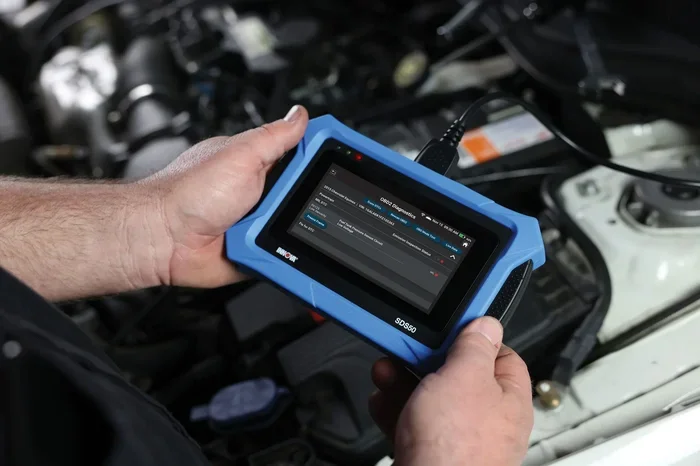
An OBD-II scanner is your best friend here. Plug it into the diagnostic port under your dashboard and read the stored trouble codes. Look for codes that start with P0A or P1A, as these specifically relate to hybrid and electric vehicle systems. Write down every code and research what it means. Many auto parts stores will read codes for free.
Step 2: Check the Hybrid Battery Voltage
You can measure the hybrid battery voltage with a multimeter, but exercise extreme caution. The high-voltage system carries potentially dangerous levels of electricity. If you are not experienced with high-voltage components, have a professional handle this step. A healthy hybrid battery typically reads between 200 and 300 volts, depending on the vehicle model.
Step 3: Inspect the Cooling System
Open the hood and check the coolant level. Look for leaks around the radiator, hoses, and water pump. Make sure the cooling fan kicks on when the engine reaches operating temperature. A simple coolant top-off or fan replacement can sometimes resolve mysterious hybrid system issues.
Step 4: Examine Wiring and Connectors
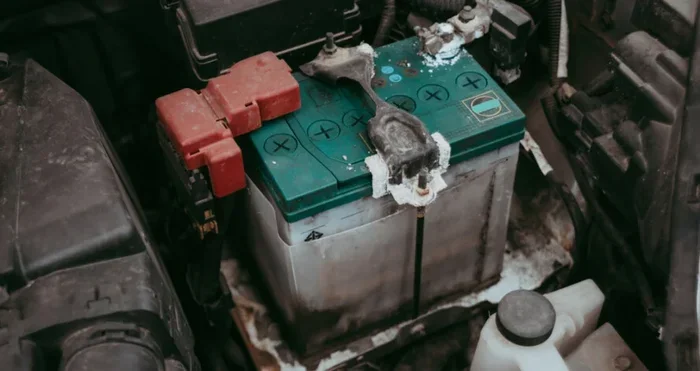
Loose or corroded connections are a surprisingly common cause of hybrid problems. Check the wiring harnesses leading to the battery, inverter, and electric motor. Look for frayed wires, green corrosion on connectors, or plugs that feel loose. A clean, secure connection often restores proper function.
Step 5: Perform a Hybrid System Reset
Sometimes the simplest fix is a reset. Turn off the ignition, disconnect the 12-volt auxiliary battery for about 15 minutes, then reconnect it. This clears temporary error codes and resets the hybrid system computer. Many drivers report that this alone resolved their issues. It is worth trying before committing to expensive repairs.
Step-By-Step Fixes For Common Hybrid System Issues
Once you have identified the problem, you can take action. Some fixes are DIY-friendly, while others require a professional touch.
Fix 1: Reset the Hybrid System
As mentioned above, a reset can clear minor software errors. Here is how to do it safely:
- Turn off the ignition and remove the key.
- Locate the 12-volt auxiliary battery under the hood or in the trunk.
- Disconnect the negative terminal first, then the positive terminal.
- Wait 15 to 20 minutes.
- Reconnect the positive terminal first, then the negative terminal.
- Start the car and let it idle for a few minutes.
This simple process resets the hybrid control module and often clears temporary fault codes. It is the first thing you should try when your hybrid system acts up.
Fix 2: Replace or Recondition the Hybrid Battery
If your battery has degraded beyond recovery, you have two options. You can replace the entire battery pack, which costs between $2,000 and $8,000 depending on the vehicle. Alternatively, you can recondition the battery by replacing only the worst-performing cells. Reconditioning is significantly cheaper and extends battery life by several years. Always choose a reputable shop that specializes in hybrid battery replacement.
Fix 3: Repair or Replace the Inverter
A failed inverter usually requires professional replacement. The inverter is a high-voltage component, and improper handling can be dangerous. A certified technician will diagnose the exact failure, order the correct replacement part, and program the new inverter to your vehicle. Expect to pay between $1,500 and $3,500 for parts and labor.
Fix 4: Fix Cooling System Components
If overheating caused your hybrid system to malfunction, address the cooling system first. Replace low coolant, repair leaks, and test the water pump and fan. Once the cooling system is working properly, monitor your battery and inverter temperatures during driving to ensure they stay within normal range.
Fix 5: Update or Reflash Software
Some hybrid problems stem from outdated or corrupted software. Your dealer or a qualified mechanic can reflash the hybrid control module with the latest software from the manufacturer. This is a quick and often overlooked fix that resolves many hybrid vehicle troubleshooting cases.
When To Call A Professional Mechanic
Not every hybrid problem should be tackled as a DIY project. Some issues require the expertise of a certified hybrid technician. Here are clear signs that it is time to seek professional help.
- The high-voltage battery warning light is on. This indicates a serious issue with the high-voltage system. Do not attempt to work on high-voltage components yourself.
- Your car will not start at all. A no-start condition could involve the hybrid battery, inverter, or safety systems that require specialized tools to diagnose.
- You smell burning or see smoke. This is an emergency. Pull over, turn off the ignition, and call for roadside assistance immediately.
- Error codes point to the inverter or transmission. These components require advanced diagnostic equipment and training to repair safely.
- You have tried a reset and the problem persists. If simple fixes do not work, the issue is likely hardware-related and needs professional evaluation.
Always choose a mechanic who is certified in hybrid and electric vehicle repair. They have the training, tools, and safety equipment to handle high-voltage systems properly. Many dealerships and independent shops now specialize in hybrid system repair, so finding qualified help is easier than ever.
Preventing Hybrid System Failures
Prevention is always better than cure, and this is especially true for hybrid vehicles. A little proactive care goes a long way in keeping your hybrid system healthy and your car running strong.
Follow the Manufacturer Maintenance Schedule
Stick to the recommended service intervals for your specific hybrid model. This includes regular oil changes, brake inspections, coolant flushes, and battery health checks. The maintenance schedule is designed to catch small issues before they become big problems.
Monitor Your Battery Health Regularly
Keep an eye on your hybrid battery state of charge. Most hybrids display this information on the dashboard or infotainment screen. If you notice the charge dropping faster than usual, get the battery tested. Early detection of cell degradation can save you from a sudden failure.
Drive Smart to Reduce Strain
Avoid frequently draining the battery to zero. Deep discharges accelerate battery wear. Instead, aim to keep the charge between 20% and 80% for daily driving. Also, avoid aggressive acceleration and hard braking, which put extra stress on the electric motor and regenerative braking system.
Keep the Cooling System in Top Shape
Check your coolant level regularly and have the cooling system inspected at every service appointment. A well-functioning cooling system protects the most expensive and sensitive components in your hybrid vehicle.
Address Warning Signs Immediately
The moment you notice a warning light, unusual noise, or drop in performance, investigate. Delaying repairs almost always makes the problem worse and more expensive. Early action is the single best thing you can do for your hybrid powertrain.
Cost of Common Hybrid System Repairs
Understanding potential repair costs helps you budget and make informed decisions. Here is a quick comparison of common fixes.
| Repair | Estimated Cost Range | Difficulty Level |
|---|---|---|
| Hybrid System Reset | $0 (DIY) | Easy |
| Software Update | $0 to $150 | Easy |
| Coolant System Repair | $100 to $500 | Moderate |
| Inverter Replacement | $1,500 to $3,500 | Hard |
| Hybrid Battery Replacement | $2,000 to $8,000 | Hard |
| Transmission Repair | $1,500 to $5,000 | Hard |
These estimates vary by vehicle model, location, and the severity of the problem. Always get a detailed quote from your mechanic before authorizing any work. Remember that some repairs may be covered under warranty, especially if your vehicle is still within the manufacturer’s hybrid battery warranty period, which often spans 8 to 10 years.
Conclusion
A hybrid system not working can feel overwhelming, but most problems have clear causes and practical solutions. From a simple reset to a battery replacement, the key is to act quickly and not ignore the warning signs your car gives you. Regular maintenance, smart driving habits, and prompt attention to any issues keep your hybrid powertrain in excellent shape.
Start by checking your dashboard lights and reading error codes. Try a system reset before spending money on major repairs. And when the problem is beyond your expertise, trust a certified professional. Your hybrid vehicle is a complex but reliable machine, and with the right care, it will serve you well for many miles to come. Take action today, and you will be back to enjoying the fuel savings and smooth performance your hybrid system was designed to deliver.
Frequently Asked Questions
Why does my hybrid system keep turning off while driving?
This usually points to a failing hybrid battery or an overheating power control unit. When the system detects a fault, it shuts down to protect itself and the vehicle. Check your dashboard for warning lights and have the battery and inverter inspected by a professional as soon as possible.
Can I drive my hybrid car if the hybrid system warning light is on?
You can drive a short distance to a safe location, but prolonged driving with the warning light on risks further damage. The light indicates a serious fault in the hybrid system. Have the vehicle towed or driven directly to a qualified mechanic.
How long does a hybrid battery typically last before needing replacement?
Most hybrid batteries last between 8 and 15 years, depending on driving habits, climate, and maintenance. Regular checks and avoiding deep discharges can significantly extend battery life. If you notice reduced fuel economy or frequent charge drops, your battery may be nearing the end of its lifespan.
Is it safe to reset the hybrid system myself?
Yes, resetting the hybrid system by disconnecting the 12-volt auxiliary battery is safe and simple. Just make sure the ignition is off and you follow the correct order when disconnecting and reconnecting terminals. This will not void your warranty and often resolves minor software glitches.
What is the most common cause of hybrid system failure?
The most common cause is a degraded hybrid battery. Over time, battery cells lose capacity, which disrupts the balance of the entire hybrid powertrain. Other frequent causes include inverter failure, cooling system problems, and faulty sensors. Regular maintenance helps prevent most of these issues.
How much does it cost to fix a hybrid system not working properly?
The cost depends entirely on the root cause. A simple reset costs nothing, while a battery replacement can range from $2,000 to $8,000. Cooling system repairs are relatively affordable, and inverter replacements fall in the mid to high range. Always get a diagnosis first so you know exactly what you are paying for.