Where to Plug in Jumper Cables and Get Back on the Road
Knowing where to plug in jumper cables can save you from a frustrating roadside emergency. This guide walks you through the exact battery terminal locations, the correct order to connect clamps, and the safety steps every driver should follow. Whether your car battery died overnight or you dealt with battery corrosion, you will learn how to jump start your vehicle with confidence and get back on the road fast.
There is nothing worse than turning your key and hearing nothing but silence. You are standing in your driveway or a parking lot, and your car won’t start. The culprit is almost always a dead battery. Before you call for help, you need to know where to plug in jumper cables. It sounds simple, but getting the connections wrong can cause serious damage. This guide breaks down everything you need to know in plain, easy-to-follow steps.
Whether you are a new driver or have been behind the wheel for years, jump starting a car can feel intimidating. The cables look complicated, and the stakes feel high. But here is the truth. Connecting jumper cables correctly is straightforward once you understand the basics. You just need to know which terminals to use, the right order to connect them, and a few safety precautions to keep in mind.
In this article, we will cover exactly where to plug in jumper cables on your vehicle. We will look at battery terminal locations, walk through each connection step by step, and highlight the most common mistakes drivers make. By the end, you will feel confident handling a dead battery on your own. Let us get you back on the road.
Key Takeaways
- Always connect red clamps to positive terminals first: This is the safest and most important rule when you are plugging in jumper cables.
- Know your battery location: Not all cars have batteries under the hood. Some are in the trunk or under the rear seat.
- Never let clamps touch each other: Mixing up positive and negative connections can cause sparks or damage your electrical system.
- Use an unpainted metal surface for the final black clamp: This reduces the risk of sparks near the car battery.
- Keep a set of booster cables in your trunk: A roadside emergency can happen to anyone, and being prepared makes all the difference.
- Consider a portable jump starter: These compact devices let you jump start your car without needing another vehicle.
📑 Table of Contents
Understanding Your Car Battery and Jumper Cables
Before you touch any cables, it helps to understand what you are working with. Your car battery powers the electrical system in your vehicle. It provides the burst of energy needed to turn over the engine. When the battery dies, your car simply will not start. Jumper cables, also called booster cables, bridge the gap between your dead battery and a working one.
What Are Jumper Cables and How Do They Work?
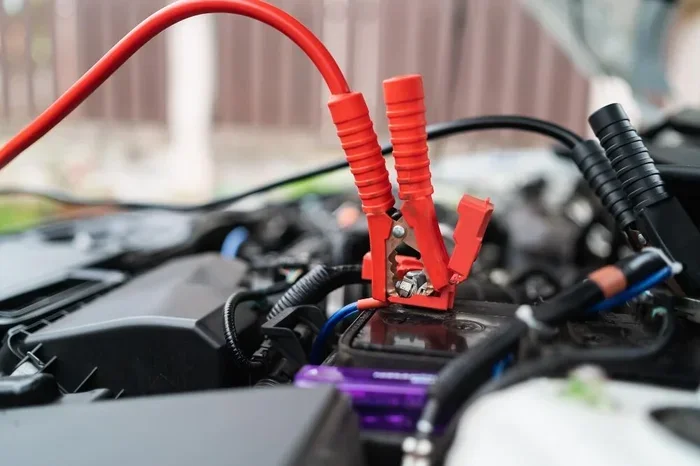
Jumper cables are thick, heavy-duty wires with clamps on each end. They come in pairs, and each clamp has a specific job. One end connects to a live car battery in another vehicle or a portable jump starter. The other end connects to your dead battery. The live battery sends power through the cables to crank your engine. Once your car is running, the alternator takes over and recharges the battery.
The cables are typically color-coded. Red represents positive, and black represents negative. This color coding is not just for looks. It prevents dangerous mix-ups. Always double-check the color of your cable clamps before making any connection.
The Role of the Car Battery in Your Vehicle
Your battery does more than just start the car. It powers the lights, radio, GPS, and other electronics when the engine is off. When the engine is running, the alternator recharges the battery and powers the electrical systems. Over time, batteries lose their charge, especially in cold weather or after long periods of inactivity.
Corrosion on the battery posts can also prevent a good connection. If you see a white or bluish powdery buildup on your terminals, that is corrosion. It blocks the flow of electricity and can make jump starting harder. Cleaning the terminals before connecting cables can make a big difference.
Where to Find the Battery and Terminal Locations
One of the first things you need to figure out is where your battery is located. Not all vehicles place their batteries in the same spot. Knowing the location saves you time and frustration when you are standing in the rain with a dead battery.
Typical Battery Locations in Different Vehicles
Most cars have the battery under the hood. You will usually find it on the left or right side of the engine bay. Some vehicles, especially modern ones, hide the battery under the rear seat or in the trunk. SUVs and trucks sometimes have batteries under the hood near the fender.
Here are the most common locations:
- Under the hood: The most common spot. Look for a rectangular box with two posts on top.
- Under the rear seat: Common in some sedans and hatchbacks. You may need to lift the seat cushion.
- In the trunk: Found in some luxury vehicles and cars with spare tire wells in the trunk.
- Under the front bumper: Rare, but some modern vehicles place the battery there for weight distribution.
If you are unsure, check your owner’s manual. It will show you exactly where the battery is and how to open the hood or access panel.
Identifying the Positive and Negative Terminals
Once you find the battery, look at the top or sides. You will see two posts, or terminals. One is positive, and one is negative. The positive terminal is marked with a plus sign (+) and usually has a red cover or red cable. The negative terminal is marked with a minus sign (-) and usually has a black cover or black cable.
Always identify the terminals before you do anything else. Mixing up positive and negative can fry your electrical system or even cause an explosion. Take a moment to look, read the markings, and be 100 percent sure before connecting anything.
Step-by-Step Guide on Where to Plug in Jumper Cables
Now that you know where your battery is and which terminal is which, it is time to connect the cables. Where to plug in jumper cables follows a very specific order. Get this wrong, and you risk damaging both vehicles. Follow these steps carefully.
Step 1: Position the Vehicles Correctly
Park the working vehicle close to your car, but do not let them touch. Turn off both engines and engage the parking brakes. This keeps everything stable and safe while you work. If you are using a portable jump starter instead of another vehicle, place it on a flat surface near your car.
Step 2: Connect the Red Clamp to Your Positive Terminal
Take the red jumper cable and attach the clamp to your dead battery’s positive terminal. Push the clamp firmly onto the post until it grips snugly. The red clamp always goes to the positive side. This is the first and most important connection you will make.
Step 3: Connect the Other Red Clamp to the Good Battery
Now take the other red clamp and attach it to the working battery’s positive terminal. Again, make sure the clamp is secure and has a solid grip. Both red clamps should now be connected to positive terminals on each vehicle.
Step 4: Connect the Black Clamp to the Good Battery’s Negative Terminal
Take the black cable clamp and attach it to the negative terminal of the working battery. This is the second-to-last connection you will make. Make sure it is firmly attached.
Step 5: Attach the Final Black Clamp to an Unpainted Metal Surface
This is the step most people get wrong. Instead of connecting the last black clamp directly to your dead battery’s negative terminal, attach it to an unpainted metal surface on your car’s engine block. This is called grounding the cable. It reduces the risk of sparks near the battery, where hydrogen gas could ignite.
Look for a bolt or metal bracket on the engine block. Make sure the surface is clean and free of paint or grease. Once the final clamp is attached, you are ready to start the working vehicle.
Common Mistakes When Connecting Jumper Cables
Even experienced drivers make mistakes when jump starting a car. Knowing what can go wrong helps you avoid it. Here are the most common errors.
Mixing Up the Positive and Negative Clamps
This is the number one mistake. Connecting the red clamp to the negative terminal or the black clamp to the positive terminal can cause a short circuit. It can fry your electrical system, damage the alternator, or worse. Always remember: red to positive, black to negative or ground.
Letting the Clamps Touch Each Other
Once you have connected clamps, make sure the red and black clamps do not touch each other. If they do, you will create a spark. This can damage both vehicles or even cause burns. Keep the clamps separated and hold them by the insulated handles at all times.
Starting the Car Too Soon
Some people rush and start the working vehicle before all four clamps are connected. Do not do this. Make sure all connections are secure before turning the key. If a clamp slips, you could create a dangerous spark near the battery.
Ignoring Battery Corrosion
If your battery terminals are covered in corrosion, the cables may not make a good connection. White or bluish buildup blocks the flow of electricity. Before connecting cables, wipe the terminals clean with a rag or a battery terminal cleaner. A solid connection makes jump starting much easier.
Safety Tips for Jump Starting Your Vehicle
Jump starting a car is generally safe when you follow the right steps. But electricity can be dangerous, and a dead battery can behave unpredictably. Here are some essential safety precautions to keep in mind.
Wear Protective Gear
Wear safety glasses if you have them. Batteries can leak acid or produce sparks. Gloves are also a good idea, especially if you are dealing with a corroded battery. Protect your hands and eyes before you start working.
Check for Battery Damage Before Connecting
Look at your battery before you connect any cables. If the case is cracked, leaking, or swollen, do not attempt to jump start it. A damaged battery can explode. In this case, call for roadside assistance or replace the battery.
Keep Flammable Materials Away
Batteries produce hydrogen gas, which is flammable. Keep rags, paper, and any chemicals away from the battery area. Do not smoke near the vehicle while jump starting. These small precautions can prevent big accidents.
Follow the Right Disconnection Order
Once your car is running, disconnect the cables in the reverse order. Remove the black clamp from the unpainted metal surface first, then the black clamp from the good battery, then the red clamp from the good battery, and finally the red clamp from your dead battery. Reversing the order prevents sparks and protects your electrical system.
What to Do If Your Car Still Won’t Start
You have connected everything correctly, but your car still will not turn over. This can be frustrating, but it does not mean you did something wrong. There are a few things to check before you give up.
Let the Working Vehicle Run for a Few Minutes
Sometimes the dead battery just needs a few minutes to charge. Let the working vehicle idle for five to ten minutes before trying to start your car. This gives the battery time to build up enough power to crank the engine.
When to Call for Roadside Assistance
If you have tried everything and your car still will not start, it is time to call for help. You may need a new car battery, a faulty alternator, or there could be a deeper issue with the electrical system. Roadside assistance services can jump start your car on the spot or tow you to a nearby mechanic.
Alternative Power Sources to Consider
If you do not have access to another vehicle, consider a portable jump starter. These compact devices fit in your trunk and can jump start your car without needing cables and a second vehicle. They are a great investment for anyone who wants to be prepared for a roadside emergency. Look for models with built-in USB chargers and flashlights for extra convenience.
Another option is a battery maintainer or trickle charger. These devices keep your battery topped off during long periods of inactivity. They are especially useful for seasonal vehicles or cars that sit in the garage for weeks at a time. Using a battery maintainer can prevent dead battery situations altogether.
Conclusion
Knowing where to plug in jumper cables is one of the most valuable skills any driver can have. A dead battery does not have to ruin your day. With the right knowledge and a little confidence, you can jump start your car in minutes. Remember the golden rule: red to positive, black to negative or ground. Follow the connection order carefully, take your time, and always prioritize safety.
Keep a set of booster cables or a portable jump starter in your vehicle at all times. You never know when a roadside emergency will strike. Being prepared turns a stressful situation into a quick fix. The next time your car won’t start, you will know exactly what to do. Get back on the road with confidence and keep driving.
Frequently Asked Questions
Can I plug jumper cables into the wrong terminals?
No. Plugging the red clamp into the negative terminal or the black clamp into the positive terminal can cause a short circuit. Always connect red to positive and black to negative or an unpainted metal surface. Getting this wrong can damage your electrical system or the alternator.
How long should I let the working vehicle run before trying to start my car?
Let the working vehicle idle for five to ten minutes. This gives the dead battery time to receive a charge. In cold weather, you may need to wait a little longer. After a few minutes, try starting your car again.
What if my battery is corroded and the cables won’t grip?
Corrosion on the battery posts can prevent a good connection. Use a wire brush or a battery terminal cleaner to scrub away the white or bluish buildup. Wipe the terminals dry before connecting the jumper cables. A clean connection makes jump starting much easier.
Is it safe to jump start a car in the rain?
It is generally safe as long as you take proper precautions. Keep the cable clamps dry and avoid standing in puddles. Make sure your hands are dry before touching the clamps. If conditions feel too risky, wait for the rain to pass or call for roadside assistance.
Can I use booster cables on a hybrid or electric vehicle?
Yes, but you need to be extra careful. Hybrid and electric vehicles have both a 12-volt battery and a high-voltage system. Always connect the jumper cables to the 12-volt battery only. Check your owner’s manual for the correct battery terminal locations and follow all safety guidelines.
What is the difference between jumper cables and a portable jump starter?
Jumper cables require a second vehicle with a working battery to provide power. A portable jump starter is a self-contained device that carries its own charge. You do not need another vehicle. Portable starters are compact, easy to store, and great for roadside emergencies when no other car is nearby.
=== URL SLUG ===
where-to-plug-in-jumper-cables