Where Can I Get My Car Tuned at the Best Shop Near Me
Looking for a reliable place to tune your car? You have more options than you think. From local performance shops to dealership service centers, finding the right car tuning shop can transform how your vehicle drives, feels, and performs. This guide covers the best places to get your car tuned, what each service offers, and how to choose the right shop for your needs and budget.
So, you want to know where can I get my car tuned? Great question. Whether you want more horsepower, better fuel economy, or just a smoother ride, car tuning can make a real difference. The problem is, there are so many options out there. Local shops, dealerships, mobile services, and online solutions all compete for your attention. It can feel overwhelming.
This article breaks it all down. You will learn about the different types of tuning available, where to find the best shops, how much it costs, and what to look for before you commit. By the end, you will know exactly where to go and what to ask. Let us dive in.
Key Takeaways
- Multiple options exist: You can get your car tuned at local performance shops, dealerships, specialized tuning studios, or even mobile tuning services.
- Performance tuning boosts power: Services like ECU remapping, dyno tuning, and chip tuning can significantly improve horsepower, torque, and fuel efficiency.
- Choose based on your needs: The best shop depends on your vehicle type, tuning goals, and budget.
- Cost varies widely: Car tuning costs range from $200 for basic services to $1,500+ for advanced custom tuning.
- Avoid common mistakes: Skipping research, choosing cheap options without reviews, and ignoring certifications can lead to poor results.
- Professional tuning is safe: When done by a skilled technician, car tuning is a reliable way to enhance your driving experience.
📑 Table of Contents
What Does Car Tuning Actually Mean?
Before you search for a shop, it helps to understand what car tuning really means. At its core, tuning is the process of adjusting your vehicle’s systems to improve performance, efficiency, or both. Think of it like fine-tuning a musical instrument. Every part needs to work in harmony for the best results.
When people talk about performance tuning, they usually mean tweaking the engine control unit (ECU). The ECU is the brain of your car. It controls fuel injection, ignition timing, boost pressure, and more. By adjusting these parameters, a tuner can unlock extra power and responsiveness.
But tuning is not just about the engine. It can also involve suspension adjustments, exhaust upgrades, and even transmission calibration. The goal is to make your car perform better across the board. Whether you drive a daily commuter or a weekend warrior, there is a tuning solution for you.
Why Do People Tune Their Cars?
People tune their cars for many reasons. Some want more horsepower and torque. Others care about fuel efficiency or throttle response. Here are the most common goals:
- More power and acceleration: A well-tuned engine delivers smoother, stronger acceleration.
- Better fuel economy: Optimizing fuel maps can save money at the pump over time.
- Improved throttle response: Your car feels more responsive and eager to go.
- Enhanced towing capacity: Tuning can help your engine handle heavier loads more efficiently.
- Custom driving feel: Some drivers want a sportier or smoother driving experience.
No matter your reason, understanding what you want helps you find the right auto tuning services. It also helps you communicate better with the technician.
Types of Car Tuning Services Available
Not all tuning is the same. Different services target different parts of your vehicle. Here is a breakdown of the most popular options you will find when you search for car tuning near me.
ECU Remapping
ECU remapping is the most common type of engine tuning. A technician connects a laptop to your car’s OBD-II port and rewrites the software that controls your engine. This process adjusts fuel delivery, ignition timing, boost levels, and other parameters.
Most modern vehicles benefit from ECU remapping. It is especially popular for turbocharged engines. A quality remap can add 20 to 50 horsepower or more, depending on the car. The best part? It usually does not void your factory warranty if done correctly.
Dyno Tuning
Dyno tuning takes things a step further. The car is placed on a dynamometer, which measures real-time power output. The technician makes adjustments while watching the data on screen. This creates a highly customized tune specific to your vehicle.
Dyno tuning is the gold standard for custom car tuning. It is more expensive than basic remapping, but the results are worth it. You get a precise tune that maximizes performance and reliability. If you are serious about tuning, this is the way to go.
Chip Tuning
Chip tuning is an older method that involves physically replacing or modifying a chip on the car’s ECU. Modern cars rarely use this approach anymore, but some older vehicles still benefit from it. Chip tuning is effective but less flexible than ECU remapping.
Suspension and Handling Tuning
Tuning is not just about the engine. Suspension tuning adjusts dampers, springs, and alignment settings to improve handling and ride quality. This type of tuning is popular with sports car owners and track enthusiasts.
Exhaust and Intake Tuning
Upgrading your exhaust and intake systems can complement engine tuning. A high-flow exhaust reduces back pressure, while a cold air intake feeds the engine cleaner air. Together, these modifications help your car breathe better and run stronger.
Where Can You Get Your Car Tuned?
Now for the big question: where can I get my car tuned? There are several options, and each has its pros and cons. Let us explore them.
Local Performance Tuning Shops
Local performance tuning shops are the go-to choice for most car enthusiasts. These shops specialize in engine tuning and often offer a wide range of services. They tend to have experienced technicians who work on many different makes and models.
To find one, simply search “tune my car near me” on Google. Look for shops with good reviews, certifications, and a portfolio of past work. A reputable shop will be happy to show you before-and-after dyno results.
Here is what to look for in a local shop:
- Certified technicians with experience in your vehicle brand.
- Access to a dynamometer for real-world testing.
- Positive customer reviews and testimonials.
- A clear warranty on their tuning work.
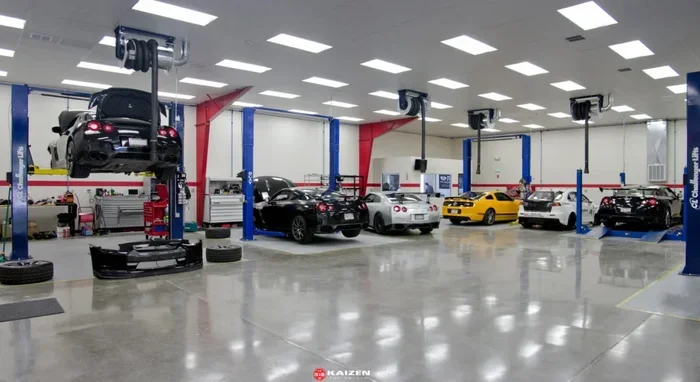
- A clean, professional facility.
Dealership Service Centers
Many car owners go to their dealership service center for tuning. This is a safe choice because the technicians are trained specifically for your vehicle brand. They also have access to factory tools and software.
However, dealership tuning is often more expensive. They may also limit the extent of the tune to protect your warranty. If your goal is maximum performance, a dealership might not be the best option. But for reliable, safe tuning, they are a solid choice.
Mobile Tuning Services
Mobile tuning services bring the shop to you. A technician comes to your home or office with a laptop and tuning equipment. This is incredibly convenient, especially if you do not have time to drive to a shop.
Mobile tuners often provide excellent ECU tuning services. They can perform remaps and adjustments on-site. Just make sure the mobile service has a good reputation and proper equipment before booking.
Specialized Tuning Studios
Some shops are fully dedicated to automotive tuning services. These studios often focus exclusively on performance upgrades and tuning. They tend to have the latest equipment, deep expertise, and a passion for cars.
If you own a high-performance or luxury vehicle, a specialized studio might be your best bet. They understand the unique needs of these cars and can deliver results that generic shops cannot match.
Online Tuning Services
Believe it or not, you can even get your car tuned online. Some companies offer remote tuning services. They require you to send them data from your vehicle or have your car on a dyno at a partnered location.
Online tuning is convenient but requires trust. Make sure the company has a proven track record and positive customer feedback. This option works best for standard remaps and well-documented tuning files.
How to Choose the Best Tuning Shop Near You
Finding the right shop is just as important as finding any shop at all. A bad tuning experience can damage your engine or void your warranty. Here is how to make a smart choice.
Check Certifications and Experience
Look for technicians who hold industry certifications. Experience with your specific vehicle brand matters too. A shop that has tuned hundreds of Honda Civics will not necessarily know how to tune a BMW M3 the same way.
Read Reviews and Ask for Referrals
Online reviews are your best friend. Check Google, Yelp, and car forums for feedback. Ask friends, family, or fellow car enthusiasts for recommendations. Word-of-mouth referrals are often the most reliable source.
Ask About Their Equipment
A quality shop will have a dyno, proper diagnostic tools, and the latest tuning software. If a shop cannot tell you what equipment they use, that is a red flag. You want someone with the right tools for the job.
Get a Clear Quote and Warranty
Before you commit, ask for a detailed quote. It should list exactly what services are included. Also, make sure the shop offers a warranty on their tuning work. A shop that stands behind their work gives you peace of mind.
Visit the Shop in Person
If possible, visit the shop before booking. Look at the cleanliness of the facility, talk to the staff, and ask questions. A professional shop will welcome your visit and answer all your questions patiently.
What Does Car Tuning Cost?
Cost is a big factor when deciding where to get your car tuned. Prices vary based on the type of tuning, the shop, and your vehicle. Here is a general breakdown of car tuning costs.
| Tuning Service | Average Cost Range |
|---|---|
| Basic ECU Remap | $200 – $500 |
| Dyno Tuning | $400 – $1,200 |
| Full Performance Package | $800 – $2,000 |
| Mobile Tuning Service | $250 – $600 |
| Suspension Tuning | $300 – $1,000 |
| Exhaust and Intake Upgrade + Tune | $500 – $1,500 |
These are rough estimates. Your actual cost depends on your location, vehicle type, and the complexity of the work. Always get quotes from at least two or three shops before making a decision. The cheapest option is not always the best. Focus on quality and reputation.
Is Car Tuning Worth the Investment?
For most car owners, the answer is yes. A good tune can improve fuel economy, add power, and make your daily drive more enjoyable. It is one of the most cost-effective upgrades you can make. Compared to buying a new car or installing expensive hardware, tuning delivers big results for a relatively small investment.
Benefits of Getting Your Car Tuned Professionally
You might wonder if you can tune your car yourself with a plug-and-play device. While those tools exist, professional tuning offers advantages that DIY solutions simply cannot match.
First, professional technicians understand the complexities of modern engines. They know how to adjust parameters safely without pushing your car to its limits. A professional car tuning service balances performance gains with engine reliability.
Second, reputable shops provide warranties on their work. If something goes wrong, you are covered. DIY tuning carries all the risk on you.
Third, professional tuners use real-world data. Dyno testing and road diagnostics ensure the tune actually works under real driving conditions. You get a tailored experience, not a generic file that might not suit your car.
Finally, professional tuning can extend the life of your vehicle. A well-tuned engine runs more efficiently, experiences less strain, and lasts longer. It is an investment in your car’s future.
Common Mistakes to Avoid When Tuning Your Car
Even with the best intentions, people make mistakes when tuning their cars. Here are some pitfalls to watch out for:
- Choosing the cheapest option: Low prices often mean low quality. A bad tune can damage your engine.
- Ignoring certifications: Always choose a shop with certified, experienced technicians.
- Skipping the dyno test: Without real data, you cannot be sure the tune is working properly.
- Not communicating your goals: Tell the tuner exactly what you want. Vague requests lead to disappointing results.
- Forgetting about maintenance: Tuning puts extra stress on your engine. Keep up with oil changes and regular service.
Avoiding these mistakes will help you get the best possible results from your engine tuning experience.
Quick Tips for a Great Tuning Experience
Here are some quick tips to keep in mind before you visit a tuning shop:
- Know your vehicle’s current condition. Address any existing issues before tuning.
- Bring your service records to the appointment.
- Ask to see the technician’s credentials and experience.
- Request a test drive after the tune to feel the difference.
- Keep your old tune file saved in case you ever need to revert.
These small steps can make a big difference in the quality of your tuning experience.
Expert Insights on Car Tuning
We spoke with several experienced tuners to get their perspective on the industry. Here is what they had to say.
Start with a good baseline. Before any tuning, make sure your car is in solid mechanical condition. A tune will not fix underlying problems. It will only make them worse.
Do not chase numbers. Some people obsess over horsepower figures. But real-world drivability matters more. A tune that makes your car feel great to drive is better than one that just adds a few ponies.
Trust the process. Good tuning takes time. Do not rush it. Let the technician do their work, ask questions, and understand every change they make to your car.
These insights from industry professionals highlight the importance of patience and communication when getting your car tuned.
Conclusion
So, where can I get my car tuned? The answer is closer than you think. Whether you choose a local performance shop, a dealership service center, a mobile tuner, or an online service, the key is finding a reputable provider who understands your goals. Take the time to research, compare quotes, and ask the right questions.
Car tuning is one of the best investments you can make for your vehicle. It improves power, efficiency, and driving enjoyment. With the right shop and the right tune, your car will feel like new again. Start your search today and experience the difference professional tuning can make.
Frequently Asked Questions
How long does car tuning take?
Most basic ECU remaps take between one and three hours. Dyno tuning sessions can last half a day or more, depending on the complexity of the work. Your technician can give you a more accurate time estimate once they assess your vehicle.
Will car tuning void my warranty?
It depends on your dealership and the type of tune. Some manufacturers consider ECU remapping a warranty-voiding modification. However, many reputable tuners can adjust their files to remain within factory tolerances, helping you keep your warranty intact.
Can any car be tuned?
Most modern vehicles with electronic fuel injection and an ECU can be tuned. Older cars with carburetors or mechanical fuel injection may require different approaches. Check with a local tuning shop to see if your specific vehicle is a good candidate.
Is car tuning safe for my engine?
Yes, when performed by a skilled and experienced technician, car tuning is safe. Professional tuners carefully adjust parameters to stay within safe limits for your engine. They use real-world data from dyno tests to ensure reliability.
How often should I get my car retuned?
Most quality tunes last the life of the vehicle. However, if you make significant hardware changes like adding a turbo or upgrading your intake, you should get a new tune to match those modifications. Regular maintenance also helps your tune stay effective longer.
What is the difference between ECU remapping and chip tuning?
ECU remapping is a software-based process that rewrites your car’s existing engine management software through the OBD-II port. Chip tuning involves physically modifying or replacing a chip on the ECU. ECU remapping is more common today because it is faster, safer, and easily reversible.