Are Toyota Highlander Seats Real Leather Or Synthetic
The Toyota Highlander offers both real leather and synthetic leather seats depending on the trim level you choose. Higher-end trims like the Limited and Platinum come with genuine leather, while base and mid-level trims use leatherette or Softex synthetic materials. Understanding the differences helps you pick the right Highlander for your comfort and budget needs.
When you walk into a Toyota Highlander, the seats are one of the first things you notice. They look smooth. They feel premium. But here is the big question: are Toyota Highlander seats real leather or something else entirely? This is a question many buyers ask before spending tens of thousands of dollars on a family SUV.
The answer is not as simple as yes or no. Toyota offers different seat materials across its Highlander lineup. Some trims come with genuine leather. Others use synthetic alternatives that mimic the look and feel of real leather. Understanding what you are getting matters. It affects comfort, durability, maintenance, and even resale value.
In this guide, we will walk through every Highlander trim level and explain exactly what seat material you get. We will compare real leather versus synthetic options. We will share tips on how to tell them apart. And we will help you decide which seat material fits your lifestyle best. Let us dive in.
Key Takeaways
- Trim Level Matters: Toyota Highlander seat material changes across SE, XLE, Limited, and Platinum trims.
- Genuine Leather Available: The Limited and Platinum trims offer real leather seats as standard or optional.
- Synthetic Options Exist: Base and mid-level trims use leatherette or Softex, which look and feel like leather.
- Durability Varies: Real leather lasts longer with proper care, while synthetic is easier to maintain.
- Price Difference Is Real: Higher trim levels with leather cost more upfront but hold value better.
- Maintenance Is Key: Both leather types need regular cleaning to stay looking great.
- Check Before You Buy: Always confirm seat material when ordering or test-driving a Highlander.
📑 Table of Contents
- Understanding Toyota Highlander Seat Materials
- Toyota Highlander Trim Levels And Seat Options
- Genuine Leather vs Synthetic Leather: What Is The Difference?
- How To Identify Real Leather In Your Highlander
- Maintaining And Caring For Your Highlander Seats
- Expert Insights On Toyota Highlander Seat Materials
- Key Takeaways
- Conclusion
Understanding Toyota Highlander Seat Materials
Toyota designs the Highlander as a family-friendly three-row SUV. It needs to balance comfort, durability, and cost. That is why the company uses different seat materials across its trim levels. The seat upholstery you get depends entirely on which version you buy.
Here is the basic breakdown. The base L trim and SE trim come with Softex synthetic leather. The XLE trim offers Softex as standard and genuine leather as an option. The Limited trim typically includes genuine leather as standard. The Platinum trim goes all-in with premium leather seating surfaces throughout.
Softex is Toyota brand name for its synthetic leather. It is a vinyl-based material designed to look and feel like real leather. Genuine leather comes from animal hides. It is a natural material that develops a unique patina over time. Both materials have pros and cons, which we will explore in detail.
What Is Softex Synthetic Leather?
Softex is Toyota brand synthetic upholstery. It is made from polyurethane and vinyl compounds. Manufacturers craft it to replicate the texture and appearance of genuine leather. The material is consistent in color and texture because it is factory-made. Unlike real leather, Softex does not have natural grain variations.
Many buyers cannot tell Softex apart from real leather at first glance. It has a smooth, polished finish. It feels soft to the touch. The material resists stains better than genuine leather in many cases. However, Softex can feel hot in summer and cold in winter. It also does not breathe as well as real leather.
What Is Genuine Leather?
Genuine leather comes from animal hides, usually cattle. Toyota uses full-grain or top-grain leather in its higher-end Highlander trims. This means the material retains more of the natural hide structure. Genuine leather has a natural grain pattern. It develops character over time as it ages.
Real leather seats feel warm in winter and cool in summer. They breathe better than synthetic options. The material is durable when properly maintained. Over years of use, genuine leather can last the life of the vehicle. However, it requires more care and attention than synthetic alternatives.
Toyota Highlander Trim Levels And Seat Options
Each Highlander trim level comes with its own standard seat material. Understanding the differences helps you choose the right model. Let us go through every trim and what you can expect for your seating surfaces.
L Trim Seat Material
The base L trim comes standard with Softex synthetic leather. This is a practical choice for families who want easy-to-clean seats. The synthetic material holds up well to spills and daily wear. It is also more affordable than models with genuine leather. The L trim is a solid starting point for budget-conscious buyers.
SE Trim Seat Material
The SE trim also uses Softex synthetic leather as standard. This trim focuses on a sportier appearance. The seats are designed for comfort during longer drives. Softex in the SE trim is available in black or two-tone options. The sporty look pairs well with the synthetic material.
XLE Trim Seat Material
The XLE trim offers Softex as standard. However, buyers can upgrade to genuine leather seating. This is a popular choice for families who want the look of real leather without paying for the top trims. The XLE Leather package adds genuine leather to the front seats and second-row captain seats. The third row typically remains Softex in this trim.
Limited Trim Seat Material
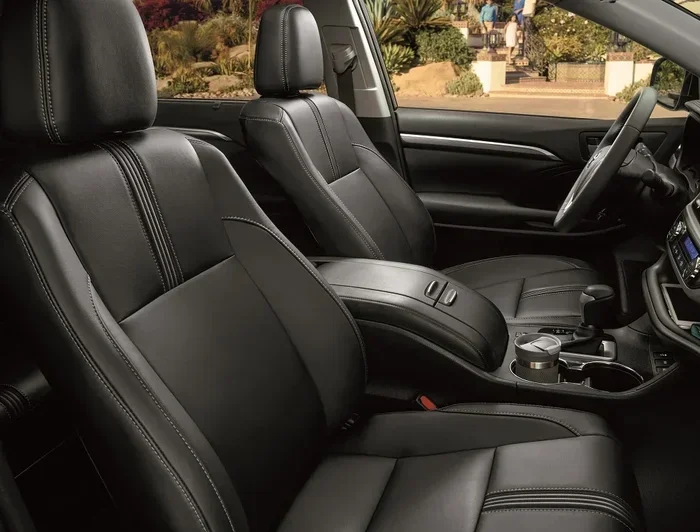
The Limited trim comes standard with genuine leather seats. This is one of the most popular Highlander trims. The leather is used throughout the cabin. Front seats come with heating and ventilation. Second-row seats also get heating. The Limited trim delivers a premium feel that justifies its higher price point.
Platinum Trim Seat Material
The Platinum trim is the top-of-the-line Highlander. It features premium leather seating surfaces across all rows. The leather is soft and supple. It comes with perforations for added breathability. Front seats offer multiple adjustment options including massage functions. The Platinum trim represents the ultimate in Highlander seat luxury.
Genuine Leather vs Synthetic Leather: What Is The Difference?
Many buyers confuse genuine leather with synthetic leather. They look similar at first glance. But the differences are significant. Understanding these differences helps you make an informed purchase decision.
Material Composition
Genuine leather is a natural product. It comes from animal hides that are tanned and processed. Each piece of leather has unique markings and grain patterns. This natural variation gives real leather its character and beauty. Synthetic leather like Softex is manufactured from polyurethane and polyvinyl chloride. It is a uniform material with consistent texture and color.
Comfort And Breathability
Real leather breathes better than synthetic options. It adjusts to your body temperature. In cold weather, leather warms up quickly. In hot weather, it stays cooler than synthetic alternatives. Softex synthetic leather tends to trap heat. In summer, it can become uncomfortably warm. In winter, it feels cold against your skin until it warms up.
Durability And Longevity
Genuine leather is highly durable when properly maintained. It can last the entire lifespan of the vehicle. Over time, real leather develops a patina that many owners find attractive. Softex synthetic leather is also durable. It resists scratches and stains well. However, synthetic materials may crack or peel after many years of use. The lifespan of Softex is generally shorter than genuine leather.
Maintenance Requirements
Real leather needs regular conditioning. You should clean it with leather-specific products. Without proper care, genuine leather can dry out and crack. Synthetic leather like Softex is easier to maintain. A simple wipe with a damp cloth handles most spills. However, Softex still benefits from regular cleaning to prevent buildup.
Cost Comparison
Genuine leather adds significant cost to a Highlander. The upgrade from Softex to leather can increase the price by $1,000 to $2,500 depending on the trim. Synthetic leather keeps the base price lower. For budget-conscious buyers, Softex offers excellent value. The cost difference is one of the main factors buyers consider when choosing a Highlander trim.
| Feature | Genuine Leather | Softex Synthetic Leather |
|---|---|---|
| Material Source | Animal hides | Polyurethane and vinyl |
| Breathability | High | Low to moderate |
| Durability | Excellent with care | Good, may crack over time |
| Maintenance | Regular conditioning needed | Easy wipe-down cleaning |
| Cost | Higher trim price | Standard on base trims |
| Stain Resistance | Moderate | High |
| Natural Look | Yes, unique grain patterns | Consistent, uniform appearance |
| Temperature Comfort | Adapts to environment | Can be hot or cold |
How To Identify Real Leather In Your Highlander
If you already own a Highlander or are shopping for one, you may want to verify the seat material. There are several simple ways to tell if your seats are genuine leather or synthetic.
Check The Vehicle Manual
The easiest method is to check your owner manual. The manual lists all standard and optional features. Look for the interior or upholstery section. It will specify whether your seats are genuine leather or Softex synthetic material. This is the most reliable source of information.
Look For The Leather Certification Label
Genuine leather seats often have a certification label. Check the seat bolster or the area near the seat belt. Toyota places a small label indicating the material type. If you see a leather certification mark, your seats are real leather. Softex seats will not have this label.
The Smell Test
Real leather has a distinct smell. It is earthy and natural. Synthetic leather like Softex has a more chemical or plastic-like odor. This is one of the quickest ways to tell them apart. Simply get close to the seat and take a deep breath. Your nose will often know the difference.
The Touch Test
Genuine leather feels slightly irregular to the touch. You can feel natural grain variations. Run your fingers across the seat surface. Real leather has subtle texture differences. Softex feels very uniform and smooth. It lacks the natural imperfections of real leather.
The Water Test
This is a classic test for genuine leather. Drip a small drop of water onto the seat. Real leather absorbs water quickly. The drop will disappear into the material within seconds. Synthetic leather like Softex repels water. The drop will sit on the surface and bead up. This test works well on light-colored seats.
Check Your Purchase Documents
Your original purchase paperwork includes the vehicle configuration. Check the window sticker or order form. It will list the seat material as either genuine leather or Softex. If you bought the vehicle used, ask the previous owner for documentation.
Maintaining And Caring For Your Highlander Seats
Whether your Highlander has real leather or synthetic seats, maintenance matters. Proper care keeps your seats looking great for years. It also protects your investment in the vehicle.
Caring For Genuine Leather Seats
If your Highlander has genuine leather, follow these care tips. Clean spills immediately with a soft, damp cloth. Use a leather cleaner designed for automotive use. Avoid harsh chemicals or household cleaners. Condition your leather every three to six months. This prevents drying and cracking. Park in the shade when possible. Direct sunlight damages leather over time. Use seat covers during heavy use to reduce wear.
Caring For Softex Synthetic Leather Seats
Softex seats are easier to maintain than genuine leather. Wipe them down regularly with a mild soap solution. Use a microfiber cloth for cleaning. Avoid abrasive cleaners that can damage the synthetic surface. Condition synthetic leather occasionally to keep it supple. Address stains quickly before they set in. Avoid sharp objects that could puncture or scratch the material.
Common Seat Problems And Solutions
Both leather types can develop issues over time. Here are common problems and how to fix them. For genuine leather cracks, use a leather repair kit. For Softex peeling, consult a professional detailer. Stains on either material respond best to prompt cleaning. Fading from sun exposure can be minimized with UV-protective window tint. Squeaking leather can be reduced with a quality leather conditioner.
Expert Insights On Toyota Highlander Seat Materials
We spoke with automotive experts about Toyota Highlander seat materials. Their insights provide valuable context for buyers.
Interior design specialists note that Toyota has improved its synthetic leather significantly over the years. Modern Softex looks and feels much closer to genuine leather than older versions. However, experts still recommend genuine leather for buyers who prioritize long-term comfort and luxury.
Automotive reviewers point out that the Highlander leather seats hold their value well. A used Highlander with genuine leather commands a higher resale price than one with Softex. This is an important consideration for buyers thinking about long-term ownership.
Dealership service advisors emphasize that seat material affects the overall ownership experience. Genuine leather requires more attention but rewards owners with a premium feel. Softex offers convenience and lower upfront cost. Both options serve different buyer needs effectively.
Are Highlander Seats Worth The Leather Upgrade?
This depends on your priorities. If you value comfort, luxury, and long-term durability, the leather upgrade is worth it. If you prefer easy maintenance and a lower price point, Softex synthetic leather is a great choice. Consider how you use your vehicle. Do you have children or pets? Synthetic leather handles daily wear and spills well. Do you frequently take long road trips? Genuine leather offers superior comfort over long drives.
Future Trends In Toyota Highlander Seating
Toyota continues to innovate in seat materials. Newer Highlander models feature improved Softex that mimics genuine leather more closely. The company is also exploring sustainable materials for future models. Hybrid and electric vehicle interiors often use eco-friendly upholstery. Toyota may introduce new seat materials in upcoming Highlander generations. Buyers should stay informed about these developments.
Key Takeaways
- Trim Level Determines Seat Material: Base trims use Softex while higher trims offer genuine leather.
- Genuine Leather Is Available: The XLE, Limited, and Platinum trims include real leather options.
- Softex Is A Quality Synthetic: It looks premium and is easy to maintain.
- Real Leather Lasts Longer: With proper care, genuine leather seats can last the life of the vehicle.
- Maintenance Differs By Material: Genuine leather needs conditioning while Softex needs simple wiping.
- Price Varies Significantly: Leather upgrades add cost but improve resale value.
- Always Verify Before Buying: Confirm seat material when ordering or test-driving.
Conclusion
The answer to whether Toyota Highlander seats are real leather depends on the trim level you choose. The base and mid-level trims use Softex synthetic leather. The upper trims offer genuine leather as standard or optional. Both materials have their strengths. Your choice should match your lifestyle, budget, and preferences.
If you want easy maintenance and a lower price, Softex seats serve you well. If you value luxury, comfort, and long-term durability, genuine leather is the way to go. Either way, the Toyota Highlander delivers a comfortable and well-designed interior. The seat material is just one piece of the puzzle in choosing the right SUV for your family.
Take the time to sit in a Highlander before buying. Feel the seats. Check the material. Ask the salesperson for details. This small step ensures you drive home in a Highlander that meets all your expectations. The right seat material makes every drive more enjoyable.
Frequently Asked Questions
Are all Toyota Highlander seats real leather?
No, not all Toyota Highlander seats are real leather. The base L and SE trims come with Softex synthetic leather. The XLE trim offers both Softex and genuine leather options. Only the Limited and Platinum trims come standard with genuine leather seats across all rows.
What is Softex leather on the Toyota Highlander?
Softex is Toyota brand synthetic leather made from polyurethane and vinyl. It is designed to look and feel like genuine leather. Softex is durable, easy to clean, and comes standard on base and mid-level Highlander trims. It is a popular choice for families who want the leather look without the higher cost.
How can I tell if my Highlander seats are real leather?
You can check your owner manual for the exact seat material. Look for a leather certification label on the seat bolster. Perform the water test by dripping water on the seat. Real leather absorbs water quickly while synthetic leather repels it. The smell and touch tests also help distinguish genuine leather from Softex.
Is leather worth the upgrade on a Toyota Highlander?
It depends on your needs. Genuine leather offers better breathability, comfort, and long-term durability. It also adds resale value to the vehicle. However, it requires more maintenance and costs more upfront. If you prioritize luxury and plan to keep the vehicle long-term, the leather upgrade is worth considering.
Do Toyota Highlander leather seats crack over time?
Genuine leather can crack if not properly maintained. Regular conditioning every three to six months prevents drying and cracking. Parking in the shade and avoiding harsh chemicals also helps preserve the leather. With proper care, Highlander leather seats can last many years without significant damage.
Can I upgrade my Highlander seats to leather after purchase?
Yes, you can upgrade seat upholstery after purchase. Many dealerships and auto shops offer seat retrofitting services. The cost varies depending on the material quality and the number of seats covered. Check with your local Toyota dealer for availability and pricing on seat upgrade options.