Common Problems With the 2009 Toyota Corolla You Should Know
The 2009 Toyota Corolla is a reliable car, but it has a few known issues you must watch for. Owners often report problems with the engine, transmission, and rust. Excessive oil consumption and brake rotor warping are two of the most common complaints. This guide breaks down the most common 2009 Toyota Corolla problems so you can stay ahead of repairs and keep your car running smoothly.
The 2009 Toyota Corolla remains a popular choice for used car buyers. It offers great fuel economy and a reputation for lasting a long time. However, no car is perfect. Even the most reliable vehicles develop issues as they age. The 2009 model year is no exception. Many owners have reported specific problems that potential buyers should know about. Understanding these issues helps you avoid costly surprises. It also prepares you for routine repairs. This car is a solid platform. But it needs proper care. When you know what to look for, you can fix small issues before they become big ones. Let us dive into the most common problems you might face.
The 2009 Toyota Corolla is known for its Corolla reliability. It is a safe car. It gets great gas mileage. But like all older cars, it has flaws. Some 2009 Toyota Corolla problems pop up over time. You need to know about them. This guide helps you spot the issues early. We cover engine trouble. We cover rust and more. Knowing these facts keeps you safe. It also saves you money. Let us look at the big issues now.
Key Takeaways
- Engine issues: The 2009 Toyota Corolla can suffer from excessive oil consumption and oil leaks.
- Transmission faults: Some drivers experience rough shifting or slipping gears.
- Rust is a real threat: The wheel wells and rocker panels are common spots for corrosion.
- Electrical gremlins: Power windows and the AC compressor can fail over time.
- Brake wear happens fast: Brake rotors often warp, and pads wear down quickly.
- Prevention is key: Regular maintenance and early inspections can prevent most of these issues.
📑 Table of Contents
Engine and Transmission Issues With the 2009 Toyota Corolla
The heart of your car is the engine. The 2009 Toyota Corolla engine is generally strong. But it has known flaws. One big issue is excessive oil consumption. This means the car burns oil too fast. You might need to add oil every few weeks. Another problem is oil leaks. The gaskets get old. They start to drip oil under the car. Transmission problems are also common. The automatic transmission can slip. It might hesitate when you shift gears. These issues ruin the smooth ride. You want a calm drive. Rough shifts are not calm. Let us break these down.
Excessive Oil Consumption in the 2009 Toyota Corolla
Why does this happen? The valve seals wear out. Oil then slips past the pistons. You will see blue smoke from the tailpipe. This is a clear sign. It happens more as the car ages. Many owners report this issue. It is not a death sentence. But it needs regular attention. You must check your oil often. Do not skip oil changes. Use the right oil weight. This helps a lot. Excessive oil consumption is the number one complaint for this model. If you see blue smoke, do not ignore it. Get the car checked right away. Early action saves you big money later.
Transmission Slipping and Rough Shifting
Transmission problems are scary. The 2009 Toyota Corolla uses a simple automatic. But it can slip. You might feel a jerk when shifting. The car might hesitate. This happens when the transmission fluid gets old. Old fluid causes friction inside. It wears out the clutch packs. Some drivers also report rough shifting. The car feels jerky at low speeds. This ruins the smooth ride. You want a calm drive. Rough shifts are not calm. Transmission problems usually mean the fluid needs changing. Sometimes the solenoid fails. A mechanic can diagnose this fast. Do not ignore slipping gears. It can lead to a total failure.
Oil Leak Hotspots to Watch
Where do leaks start? The valve cover gasket is a common spot. The oil pan gasket can also fail. Oil drips onto the engine block. You will see dark spots in your driveway. Do not ignore these spots. A small leak becomes a big problem. Low oil means engine damage. The engine parts grind together. This causes expensive repairs. Always check under your car. Look for fresh drips. Oil leaks are easy to spot. Just look for puddles on the ground. The color is usually dark brown or black.
Quick Tips for Engine Health
- Check your oil every week.
- Use synthetic oil if possible.
- Change the oil filter often.
- Watch for blue smoke in the exhaust.
- Top up oil between changes.
- Never let the oil level get too low.
Common Mistakes with Engine Repairs
Many owners ignore the oil light. They think it will turn off. It will not. Low oil kills engines fast. Another mistake is using the wrong oil. Thick oil does not flow well. It causes more wear. Do not delay oil changes. Time is your enemy here. Cheap oil filters also cause issues. They let dirt pass through. Always use quality parts. Regular maintenance is the key to avoiding these engine problems. Do not skip your scheduled services.
Expert Insights on Valve Seal Replacement
Mechanics say you can fix oil consumption. The fix is replacing the valve seals. This is not a cheap repair. But it stops the blue smoke. Some owners use a stop-leak additive first. This can buy you some time. But it is not a permanent fix. The seals will still wear out. The best approach is prevention. Check your oil often. Keep it full. This reduces the wear on the seals. A little care goes a long way.
Suspension and Brake Problems on the 2009 Toyota Corolla
Your car needs to stop and turn safely. The suspension and brakes make this happen. The 2009 Toyota Corolla has simple parts. But they wear out fast. Suspension wear is very common. Brake rotor warping is another big issue. You feel the steering wheel shake. This happens when you hit the brakes. It is not a fun ride. Let us look at these parts in detail.
Brake Rotor Warping Explained
Why do rotors warp? Heat is the main cause. The brakes get very hot. The rotors thin out over time. They lose their smooth shape. When you press the brake pedal, it shakes. This is called brake rotor warping. It makes driving unsafe. You need new rotors and pads. Do not drive with shaking brakes. It stops you from braking fast. Safety comes first here. The fix is simple. A mechanic can resurface or replace the rotors. It is a common repair for this car.
Suspension Wear and Tear
The suspension keeps the car smooth. It has many parts. The shocks wear out first. You feel every bump in the road. The car bounces too much. The struts also go bad. They hold the car up. When they fail, the ride gets harsh. Steering feels loose too. You might hear clunking sounds. This means parts are loose. Suspension wear is not fun. It makes the car hard to control. The control arms and bushings also wear. They create a sloppy feeling in the steering. Replacing these parts restores the smooth ride.
CV Joint Noise and Wheel Bearing Issues
Do you hear a clicking sound? It might be the CV joint noise. This happens when you turn sharp. The joint wears out. Grease leaks out. Dirt gets inside. The joint fails. Wheel bearing issues are also common. You hear a humming sound. It gets louder when you turn. A bad wheel bearing is dangerous. It can lock up the wheel. Get these checked fast. Do not wait for a catastrophic failure.
Quick Tips for Brakes and Suspension
- Check your brakes every 10,000 miles.
- Listen for clicking when turning.
- Feel for vibrations in the pedal.
- Get a wheel alignment every two years.
- Do not ignore clunking sounds.
Common Mistakes with Brake Repairs
Many drivers ignore the shaking brakes. They think it will go away. It will not. Another mistake is replacing just the pads. If the rotors are warped, new pads will still shake. Always replace rotors with pads. Do not skip the resurfacing step. A mechanic might tell you the rotors are fine. Trust your feel. If the car shakes, fix it.
Cooling System and Fluid Leaks in the 2009 Toyota Corolla
Cars need to stay cool. The cooling system does this job. But the 2009 Toyota Corolla has cooling flaws. A coolant leak is a big worry. The water pump can fail too. If the car overheats, the engine dies. We must look at these parts closely. Overheating destroys engines fast.
Coolant Leaks and Water Pump Failure
Where do coolant leaks start? The water pump is a common spot. The pump has a seal. This seal wears out. Coolant drips under the car. You might see green or pink fluid. Another spot is the radiator hose. Old hoses crack and leak. A coolant leak means low fluid. Low fluid means overheating. Overheating means a blown head gasket. It is a chain reaction. You must fix leaks fast. Check your coolant level often. Look for puddles under the car.
Head Gasket Worries
The head gasket seals the engine block. It keeps coolant and oil separate. When it fails, they mix. You see white smoke from the tailpipe. The oil looks milky. This is a very bad sign. A head gasket fix costs a lot of money. It means taking the engine apart. Some owners choose to sell the car instead. Prevention is much better than a cure. Keep your coolant levels right. Do not let the car overheat. This protects the gasket.
AC Compressor Failures
Hot weather makes AC failures bad. The AC compressor can seize up. It stops blowing cold air. You hear a loud grinding noise. The clutch might not engage. This is an AC compressor failure. The system needs a full recharge. Sometimes the compressor needs replacing. Keep your AC system healthy. Run it in winter too. This keeps the seals soft. A seized compressor is an expensive repair.
Quick Tips for the Cooling System
- Check the coolant level every month.
- Look for green or pink puddles.
- Replace the coolant every two years.
- Watch the temperature gauge on the dash.
- Do not ignore a small leak.
- Use the correct coolant type.
Common Mistakes with the Cooling System
Many owners ignore the temp gauge. They do not check the coolant. They just add water. Water causes rust inside. It does not protect the engine. Another mistake is mixing coolants. Different types do not mix well. They turn into a jelly. This blocks the system. Always use the right type. Ask your mechanic if you are unsure. Regular maintenance of the cooling system prevents overheating.
Electrical and Interior Glitches
Cars today have lots of electronics. The 2009 Toyota Corolla is no different. Electrical issues are annoying. They can stop the car from working right. Power window failure is very common. The dashboard rattle drives you crazy. Let us look at these electrical gremlins.
Power Window Failures
Why do power windows stop working? The regulator cable breaks. The window gets stuck. You cannot roll it up or down. This is a power window failure. It happens more on the driver side. The window gets used the most. The motor can also burn out. You hear a grinding sound. Replacing the regulator is not too hard. But it costs some money. It is a common repair for this model.
Dashboard Rattles and AC Issues
Do you hear a rattle? It might be a dashboard rattle. The plastic clips get old. They do not hold tight anymore. You hear sounds when you drive over bumps. The AC also gives issues. The compressor might stop working. The blower motor can go bad. You get no air from the vents. These glitches make the car feel old. They take away from the comfort. A little loose clip can cause a big noise.
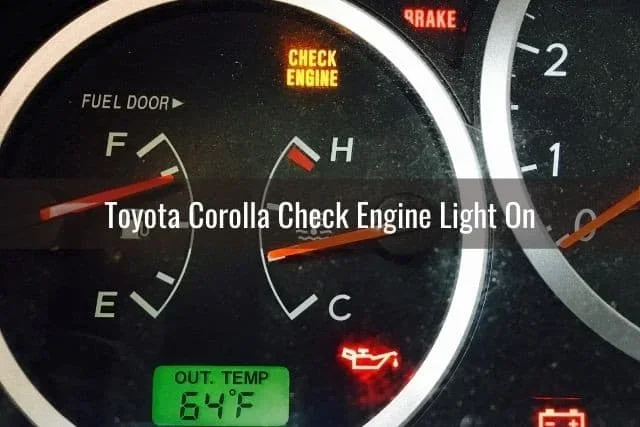
Check Engine Light Triggers
The check engine light is scary. It can mean many things. A loose gas cap triggers it. A bad oxygen sensor is another cause. The catalytic converter can fail too. This is an expensive fix. You should get the codes read. Auto parts stores do this for free. Do not ignore the light. It warns you of real danger. A small fix now saves a big fix later. A failing fuel pump can also trigger the light. The car might not start.
Quick Tips for Electrical Health
- Check all power windows monthly.
- Listen for rattles over bumps.
- Do not ignore the check engine light.
- Keep the gas cap tight.
- Test the AC before summer.
Common Mistakes with Electrical Fixes
People often ignore the check engine light. They hope it goes away. It will not. Another mistake is using cheap fuses. They blow too fast. You keep replacing them. The real problem is still there. Always find the root cause. Do not just swap parts blindly. This wastes your time and money. Corolla reliability drops fast if you ignore electrical faults.
Rust and Exterior Deterioration
Rust is the silent killer of cars. The 2009 Toyota Corolla can rust. Rust issues are common in older models. The wheel wells and rocker panels rust first. Salt on the roads makes it worse. You must fight rust early. It keeps your car safe and pretty. Used car buying requires a rust check.
Common Rust Spots to Inspect
Where does rust start? The wheel wells are a top spot. They trap road dirt and water. The rocker panels sit near the ground. They splash with water and salt. The trunk seal can also rust. Water gets inside the trunk. It sits there and causes rust. Check these spots often. Catch rust early. A small spot becomes a big hole. Rust issues can destroy the frame if ignored.
How to Prevent Rust on Your 2009 Toyota Corolla
How do you stop rust? Wash the undercarriage often. Salt causes rust fast. Wash it off after winter drives. Wax the car twice a year. Wax keeps water out of the paint. Apply a rust proofing spray. This adds a shield to the metal. Fix any chips in the paint right away. Paint is your first defense. A little care goes a long way. Corolla reliability depends on fighting rust early.
Comparison Table: Issue vs. Severity
| Problem | Severity | Fix Cost |
| Excessive Oil Consumption | Medium | 150 to 400 dollars |
| Transmission Slipping | High | 1000 to 2500 dollars |
| Rust on Rocker Panels | Medium | 200 to 600 dollars |
| Brake Rotor Warping | Low | 100 to 300 dollars |
| Head Gasket Failure | High | 1500 to 3000 dollars |
| Power Window Failure | Low | 200 to 400 dollars |
Expert Insights on Rust Prevention
Experts say rust proofing is a must. It costs a little now. It saves a lot later. Undercoating the frame is a smart move. You also need to fix drainage holes. Clogged drains trap water. Water sits on metal. Metal turns to rust. Keep your car dry. Keep your car clean. These simple steps fight rust well. Regular maintenance includes rust checks.
How to Avoid These Problems When Buying Used
Buying a used car is smart. It saves you money. But you must be careful. A bad 2009 Toyota Corolla will give you headaches. You need a solid inspection. You need to check the history. Used car buying requires diligence. Let us look at how to buy right.
Inspection Checklist Before You Buy
What should you check? First, look at the oil. Is it black and gritty? That is bad. Check the coolant. Is it oily? That is worse. Test all the power windows. See if the AC blows cold. Press the brakes. Do they pull to one side? Check the suspension. Push down on each corner. Does it bounce more than once? A bouncy car needs new shocks. Look under the car for rust. Look for fluid drips. These checks take ten minutes. They save you thousands of dollars. A check engine light is also a red flag. Do not buy a car with the light on.
Maintenance History Matters
Always ask for service records. A well-maintained 2009 Toyota Corolla lasts a long time. If the owner has no records, be careful. Regular maintenance is the key to Corolla reliability. Oil changes keep the engine alive. Coolant flushes stop overheating. Brake flushes keep you safe. Do not buy a car with no history. You are just guessing. Guesses cost a lot of money. Ask for the Toyota recall status too. You can check this online for free.
Is the 2009 Toyota Corolla Still Worth It?
Yes, it is worth it. But only if you know the flaws. The 2009 Toyota Corolla is a great car. It is cheap to buy. It gets good gas mileage. But you must fix issues early. Do not let small problems grow. A little care makes it a great car. You can enjoy the ride for years. Just stay on top of the repairs. 2009 Toyota Corolla ownership is rewarding. You just need to be smart about it.
The 2009 Toyota Corolla is a solid car. But it has a few weak spots. You must watch for oil consumption and transmission slips. Rust is also a real threat. Electrical glitches can annoy you. But you can fix all these problems. Regular maintenance is your best friend. A little care goes a long way. The 2009 Toyota Corolla can still give you a great ride. Stay ahead of the issues. Your car will thank you for it. Do not let these common problems scare you away. Just be smart about it. Keep up with the repairs. Your 2009 Toyota Corolla will serve you well for many years to come.
Frequently Asked Questions
What is the biggest problem with the 2009 Toyota Corolla?
The biggest problem is excessive oil consumption. The valve seals wear out and let oil burn. This causes blue smoke and low oil levels. You must check the oil very often to prevent engine damage.
Is the 2009 Toyota Corolla reliable for long trips?
Yes, it is reliable if you maintain it well. Regular oil changes are the key to keeping the engine healthy. You also need to watch the transmission fluid. A well-cared-for 2009 Toyota Corolla can easily hit 200,000 miles without major issues.
Why does my 2009 Toyota Corolla shake when braking?
This is usually caused by warped brake rotors. The rotors thin out from constant braking over time. When you press the pedal, the uneven surface causes shaking. Replacing the rotors and pads fixes this issue fast and restores safe braking.
How much does it cost to fix a coolant leak?
The cost depends on where the leak is located. A water pump fix costs around 300 to 500 dollars. A radiator hose fix is much cheaper. Always fix leaks quickly to avoid engine overheating and costly head gasket repairs.
Does the 2009 Toyota Corolla have any recalls?
There were a few Toyota recalls for this year. Some involved the fuel pump and airbag sensors. You can check your VIN on the NHTSA website to see if your specific car is affected. Staying informed keeps you safe on the road.
How can I prevent rust on my 2009 Toyota Corolla?
Wash the undercarriage regularly to remove road salt and grime. Apply a rust proofing spray every year to protect the metal. Fix any paint chips right away to stop moisture from entering. Keeping the car clean and dry stops rust from forming and spreading.